
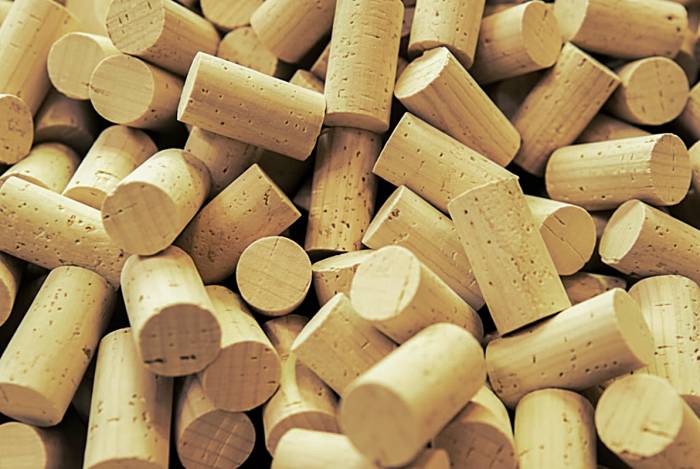
Cork forests, found mainly in southern Europe and North Africa, are among the world’s most environmentally diverse regions. These forests not only support hundreds of wildlife species but also provide livelihoods for thousands of small family businesses in countries such as Portugal, Spain, France, and Italy. The cork harvested from these trees is used in more than 100 products, ranging from wine stoppers to components in spacecraft hulls for NASA and SpaceX. Cork trees can live for over two centuries, with their bark harvested every nine years once the tree reaches 25 years old.
Amorim Cork America, based in Napa, California, is a key player in the cork industry. The company is a subsidiary of Corticeira Amorim, a public company headquartered in Portugal and listed on the Euronext Lisbon stock exchange. Founded in 1870, Amorim has grown into the world’s largest cork manufacturer, employing nearly 5,000 people and reporting revenues of $1.102 billion in 2024. The company’s leadership includes CEO Pedro Fernandes and Director of Marketing and Sales PJ Awe.
The cork used by Amorim is primarily sourced from Portugal before being processed into various products. Wine corks remain the company’s main product. Shipments arrive at the Napa facility, where they undergo rigorous quality testing. According to PJ Awe, each batch is tested multiple times for factors such as TCA (trichloroanisole) contamination—commonly known as cork taint—extraction force, and peroxide levels. The Napa facility is HCAAP certified due to the food-grade nature of corks, and it follows ISO standards similar to those at the company’s Portuguese headquarters.
Amorim produces a wide range of cork stoppers, including natural and micro-agglomerated types. Thanks to advances in manufacturing and strict quality control, the company reports that its entire portfolio is now almost free of TCA. The facility also customizes corks for clients using laser, ink, or fire branding techniques.
Sustainability is central to Amorim’s operations. Every part of the harvested cork is used for different purposes, making it a highly sustainable material. Cork’s properties—fire resistance, light weight, shock absorption, elasticity, impermeability to liquids, acoustic insulation, resilience, and hypoallergenic qualities—make it suitable for many applications beyond wine bottles. Recycled corks are now being used as infill and shock pads for sports fields, replacing materials like discarded rubber tires.
Amorim has partnered with organizations such as the Rockwell Group and Southern Glazer’s Wine & Spirits to collect used corks for recycling through initiatives like Cork Collective. However, CEO Pedro Fernandes notes that there are still challenges in expanding recycling efforts due to limited collection points and lack of financial incentives.
The company also uses cork dust generated during processing as a biomass energy source. Since 2007, Amorim has published annual sustainability reports and aims to run entirely on controlled renewable electricity by 2030. Independent assessments have verified that all Amorim products achieve negative carbon sequestration numbers.
On September 5, 2025, it was announced that wine corks would be exempt from U.S. tariffs because cork forests exist only in southern Europe and North Africa. Developing a domestic U.S. cork industry is not feasible; imposing tariffs would only raise wine prices for American consumers.
Despite concerns about slowing global wine sales—a trend affecting all markets—Amorim remains optimistic about the future. Fernandes believes that challenging times drive innovation within the industry. The company is developing new products such as BeeW, a beeswax-based coating for natural corks that improves oxygen ingress consistency. Another innovation underway is Helix 2.0: a cork stopper designed to be easily removed and reinserted without a corkscrew while maintaining sustainability advantages over screw caps.
While screw caps have gained popularity among some wine consumers, both Fernandes and Awe emphasize that traditional cork closures remain an important part of wine culture worldwide. They point out that opening a bottle sealed with a natural cork continues to be associated with celebration and connection to nature—a tradition that persists even as technology evolves within the industry.
Dining and Cooking