
A friend who sat nearest me in the grade school room hadn’t ridden the bus or attended class for more than a week.
Before his absence, I noticed a bald spot in the back of his head and a red blotch on his wrist and teased him about it.
The other farm classmates and I knew that he had caught ringworm.
Caused by a fungus that prospers in warm and wet conditions, ringworm can easily jump from livestock to humans. Spores that cause the virus can survive for months and years in the soil. Easily treated, he was soon back in class.
Other things were not so easily solved.
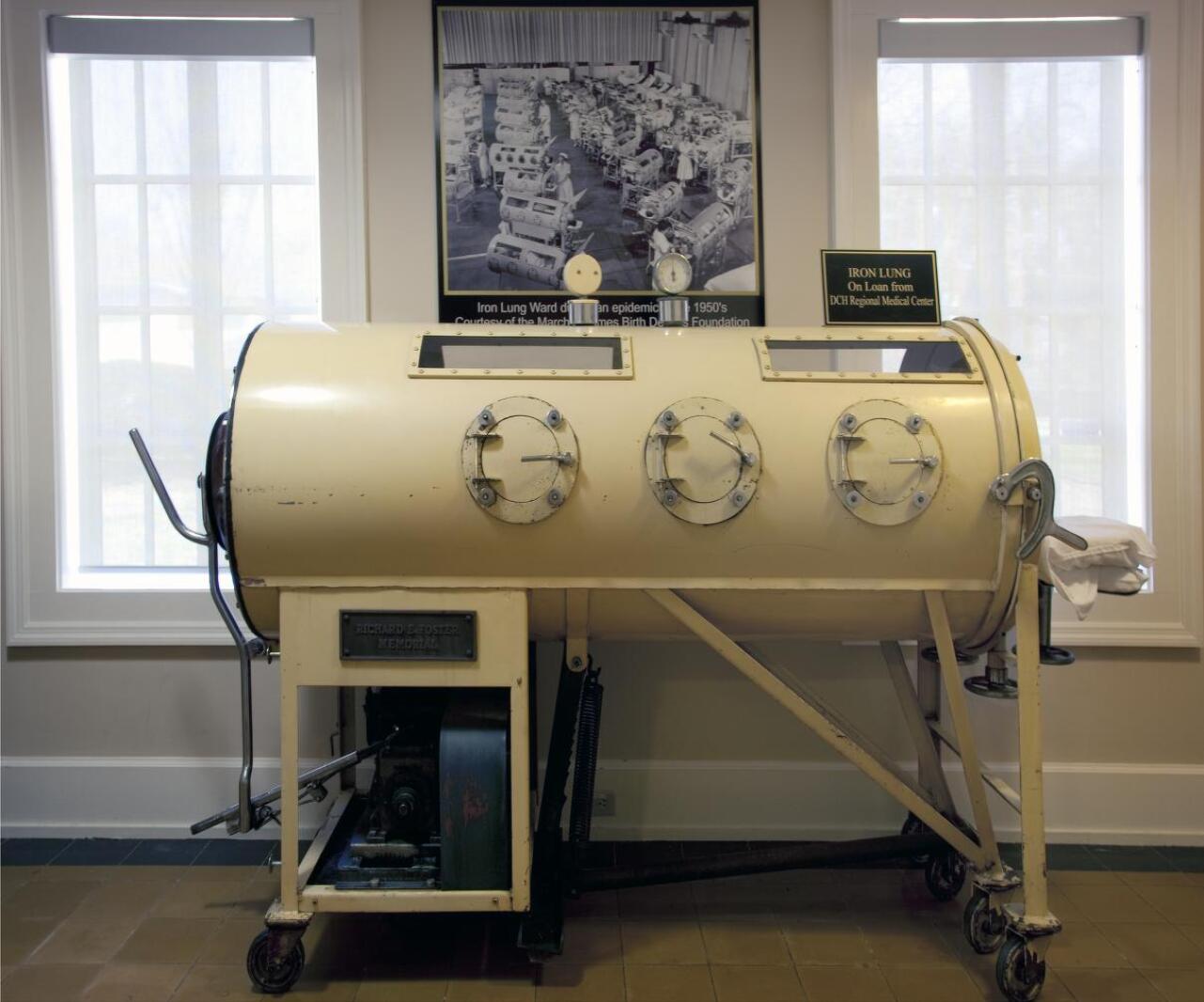
Those who were born in the late 1940s and early 1950s dealt with a frightening polio epidemic that struck children without rhyme or reason. A Sunday afternoon playmate might fall victim to it while all the others playing on the swing and sand would not.
Treatment for the damage done included iron lungs, heavy metal leg braces, and wheelchairs. Epidemics from 1948 to 1955 claimed 16,000 people annually.
Jonas Salk, an American doctor, developed a polio vaccine and inoculated his own family to determine its effectiveness. Vaccination to prevent polio was licensed in 1955. The vaccine wasn’t approved without controversy. Some thought vaccinations might cause additional cases and wouldn’t protect children long-term. Others didn’t trust the technology that created it and still others thought it could be used by the Communist Soviet Union to advance their cause.
The threat posed by the Soviet Union impacted everyone in our grade school class and students nationwide. The U.S. government began a program to build fallout shelters across the country during the late ‘50s and early 1960s.
Most every shelter was stocked with water, boxes of crackers, First Aid kits, and radiation meters through the program until it ended in the 1980s.
Students were taught what to do should an atomic attack happen. We were to hide beneath our desks, among other things.
Farmers and rural America were also affected when it was learned that fallout from above-ground nuclear testing had polluted pastures and fields. United Press International — then a major wire service — reported in a headline that radioactive milk had been found in North Dakota pastures and in milk and wheat across the Northern Plains.
It is unknown if the news affected milk consumption, but another commodity suffered greatly from the situation.
Wisconsin — the nation’s leading cranberry-producing state — suffered harm near Thanksgiving in 1959 when the government warned cancer-causing fallout might have contaminated its cranberry crop. It would become known as the holiday without cranberries after the product was pulled from grocery stores and eliminated from restaurant menus.
Through 1958, the government conducted more than 100 above-ground nuclear tests in Nevada. Above-ground nuclear tests were banned in August 1963.
The ban wasn’t enacted until the Soviet Union and the United States threatened war in October 1962 when the communist nation was establishing a weapons base in Cuba. President John Kennedy threatened to blockade the island nation.
The two nations were on the brink of nuclear war from Oct. 16 until Oct. 28. During that time, I saw little reason to pay attention to homework and questioned why Mother thought it was necessary to harvest the squash and groundcherries.
After all, the North Dakota missile sites would be an easy target for the Soviet’s, and we would be right in line for fallout. All we could do is leave it in God’s hands, she said.
I knew the emergency preparedness exercises conducted at school wouldn’t do us any good. A classmate said the prospect of nuclear war was so great that it wouldn’t pay to worry about it.
That was no comfort for a boy who relied on faith that everything would turn out just as God had planned.
Mychal Wilmes is the retired managing editor of Agri News. He lives in West Concord, Minnesota, with his wife, Kathy.
Dining and Cooking