
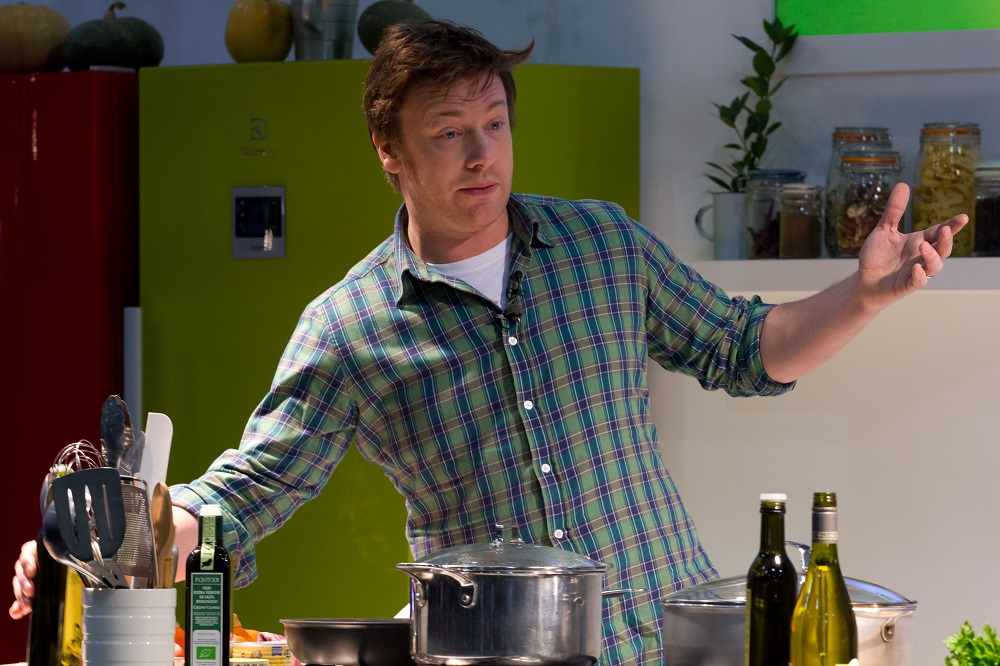
Celebrity chef Jamie Oliver has said he is “grateful for second chances” after reopening his Italian restaurant brand years after the chain dramatically collapsed, costing more than 1,000 jobs.
The TV cook has relaunched Jamie’s Italian with a new 140-seat restaurant in London’s West End, marking a symbolic comeback for a brand that once had dozens of locations across the UK and internationally.
To celebrate the reopening, the restaurant offered free pasta to walk-in guests on its opening day, as Oliver returned to the kitchen of the chain that helped define his hospitality empire before its collapse.
Speaking about the relaunch, Oliver reflected on the ups and downs of the past decade.
“Second chances, you know? Like, life doesn’t always go the way you want it.”
@secret.london 👀 FIRST LOOK 👀 Jamie Oliver gives us a sneak peek at the comeback of Jamie’s Italian! From fresh pasta made every morning to handwritten menus and classic recipes from Gennaro Contaldo, every detail is coming together ahead of opening. 🍝 #london #londonlife #jamieolivier #newopening #londonrestaurant ♬ Fun, light, honobo, everyday, piano solo – Dream Side Records
The reopening comes seven years after the chain’s spectacular downfall in 2019, when the business entered administration following months of financial turmoil. At the time, 22 restaurants closed almost overnight, leading to the loss of around 1,000 jobs across the UK.
The collapse marked one of the most high-profile restaurant failures in recent British hospitality history. Oliver’s company had reportedly accumulated debts of around £83 million, and the closure left suppliers, landlords and staff scrambling as the once-rapidly expanding brand suddenly disappeared from high streets.
Launched in 2008, Jamie’s Italian had initially been a major success. The restaurants were built around Oliver’s brand of accessible Italian cooking and quickly expanded across Britain and overseas, at one point operating more than 40 locations worldwide.
However, by the late 2010s, the business was struggling amid a broader crisis in the UK casual dining sector. Rising rent costs, business rates, food prices and increased competition from newer restaurant chains put pressure on profit margins.
The chain also faced criticism from diners who complained about declining food quality and high prices, with negative online reviews becoming increasingly common in the years leading up to its closure.
When the company finally collapsed, the public reaction was swift and often harsh. While many sympathised with the thousands of employees who lost their jobs, Oliver himself faced intense criticism across social media and the press.
@thenewsmovement “That man should not have his face on posters” is one of the opening lines of CMAT’s latest banger ‘The Jamie Oliver Petrol Station’ ⛽️ So why did she decide to take aim at the famous TV chef?! #cmat #jamieoliver #eurocountry ♬ original sound – The News Movement
Some critics accused the celebrity chef — who had built a reputation campaigning for healthier eating and reform of the food industry — of expanding the restaurant chain too quickly and failing to keep standards consistent across locations.
Others highlighted the contrast between Oliver’s successful television career and the struggles of the restaurant business, arguing that the brand had relied too heavily on his name.
The backlash became particularly heated online, where Oliver was subjected to widespread mockery and criticism in the weeks following the collapse.
Despite the controversy, Oliver later downplayed the episode, describing the collapse as a “minor blip” in his career when reflecting on it in interviews several years later.
The chef also pointed out that the restaurant failure came just over a year before the global hospitality industry was hit by the COVID-19 pandemic, which forced thousands of restaurants around the world to shut their doors temporarily or permanently.
In the years since, Oliver has continued to build his food empire through television shows, cookbooks and product lines, maintaining his position as one of Britain’s most recognisable culinary figures.
After one of the most public business failures of his career, the chef says he is simply happy to have another opportunity to start again.
Dining and Cooking