
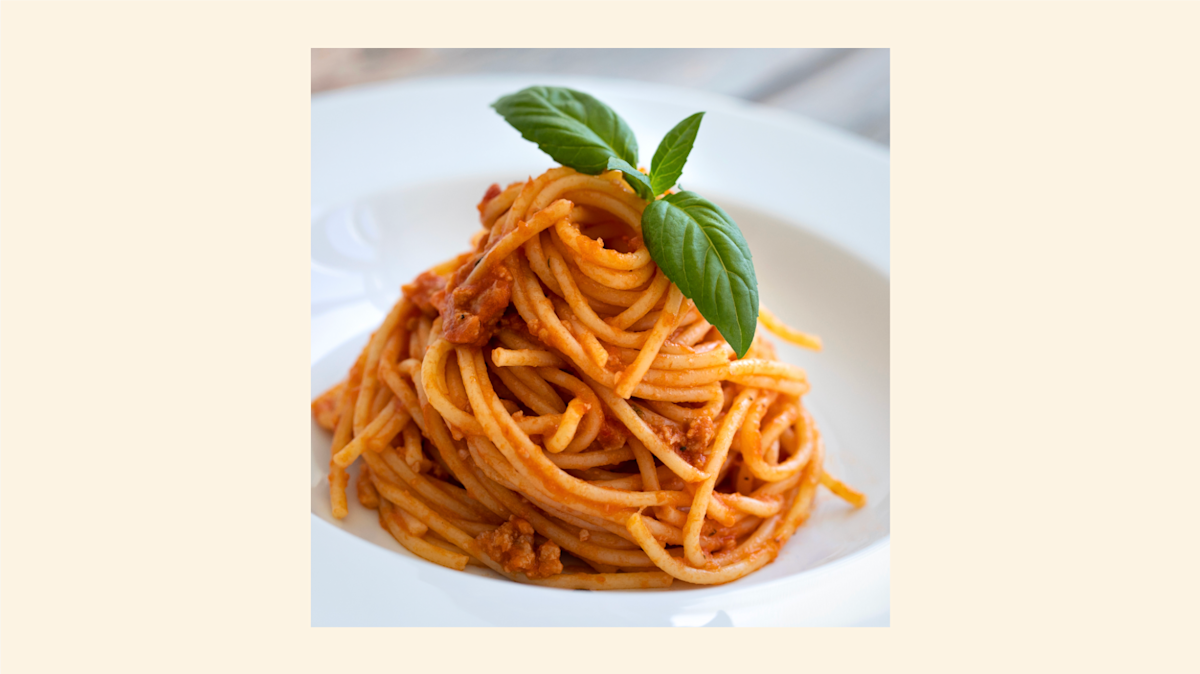
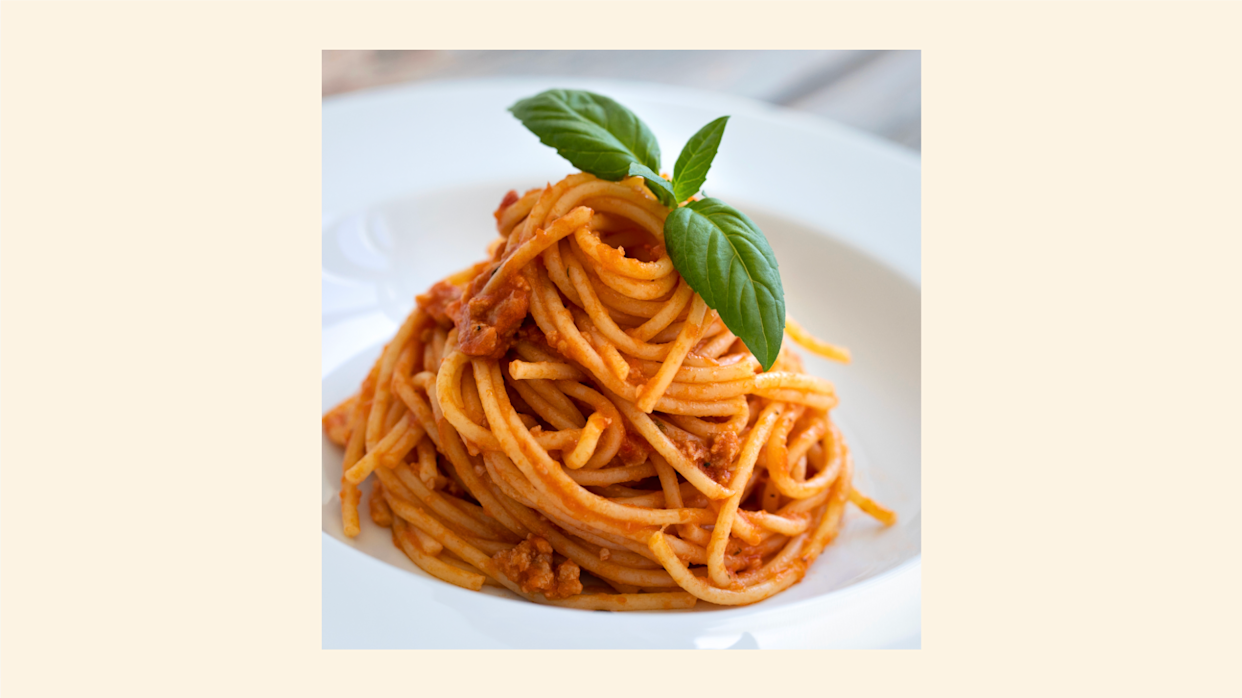
When done right, the best spaghetti bursts with flavor and texture in every bite. (Getty Images)
History reports that Arabs brought a dried, string-like pasta called itriyya to Sicily during the Early Middle Ages. Italians (particularly in Naples) took a liking to it, eventually pairing it with tomatoes to create the tangy dish that would become known as spaghetti by the 19th century. Today, the core elements remain the same, but, as with any pasta dish, every chef seems to have their own take.
Making the best spaghetti “really comes down to good ingredients, proper seasoning and finishing the pasta in the sauce,” says Jesse Schenker of Lush Life Group, the chef behind Italian dishes such as the Squid Ink Spaghetti at Gioia in New York City. “When it’s done right, the pasta and sauce should feel like one dish rather than two separate components. Every strand should be coated and balanced,” he explains.
Below, Schenker and the owner of another one of my favorite pasta spots share restaurant-worthy spaghetti recipes, along with a few tricks of the trade for getting the pasta and sauce just right. Beyond that, you’ll also find some “secret” ingredients at-home cooks can incorporate to dial up the flavor a bit, plus must-have cookware and kitchen tools you might want to add to your spaghetti-making shopping list.
Pasta prep
When it comes to pasta, whether opting for fresh or dried varieties, chefs say there are some things you can do (and conversely, avoid) to get the texture, flavor and stickiness just right.
On cooking: “Don’t ever break the spaghetti to fit it in the pot! Submerge it gently into the boiling water until it’s completely covered,” shares Allison Arevalo, owner of Pasta Louise in Park Slope, Brooklyn. After a stir, she adds, “Cook the pasta until it’s slightly firmer than al dente, two minutes less than it says on the package.”
On salting: When it comes to salting water, kosher salt is key, and the chefs we spoke to agree: more is better (or, as they put it, it should taste like the sea!). “Pasta absorbs water as it cooks, so if the water isn’t seasoned, the pasta itself won’t be either,” explains Schenker.
On transferring: “One small trick we always rely on in the restaurant: When finishing pasta, transfer it directly from the boiling water into the sauce and add a splash of that pasta water,” says Schenker. “The starch in the water helps the sauce cling to the pasta and gives it that glossy, restaurant-style texture.”
Making the sauce
The secret to making the best spaghetti sauce? It all comes down to the right ingredients and a little patience. Here are a couple of chef-approved recipes for restaurant-style dishes that will be more than worth the wait:
Spaghetti with traditional tomato sauce (courtesy of Jesse Schenker)
Ingredients:
2 cans whole-peeled San Marzano tomatoes, crushed by hand
Optional: 1 lb. ground beef (or beef/pork blend)
Optional: splash of red wine
Method:
1. Start by heating olive oil in a wide pot and sweating the onion until soft and translucent. Add the garlic and cook briefly until fragrant.
2. If using meat, add to cooked onions and garlic and brown it well, letting it develop some caramelization. That browning is where a lot of the flavor comes from. Stir in the tomato paste and cook it for a minute or two to deepen the flavor.
3. Deglaze with a splash of red wine, if using, then add the crushed tomatoes. Season with salt, pepper, chili flakes and a very small pinch of nutmeg — just enough to round out the acidity without tasting like spice.
4. Let the sauce simmer gently for 45 minutes to an hour so everything melds together. Finish with fresh basil and adjust seasoning as needed.
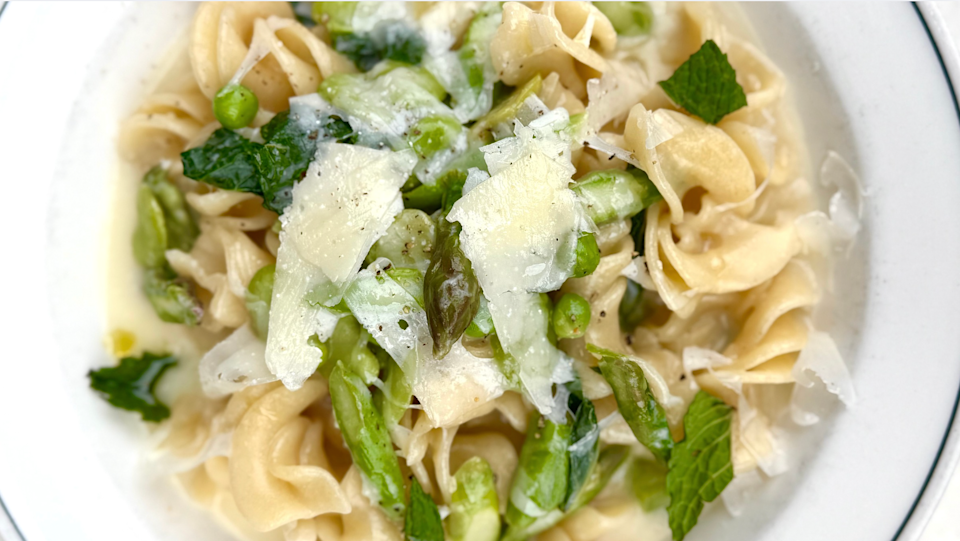
Spaghetti with asparagus, lemon and mint (courtesy of Allison Arevalo)
Ingredients:
1 lb. asparagus, ends snapped (Look for asparagus that are not too thin or thick. They should be bright green and firm. Avoid bunches with slimy tips! )
1/4 cup finely chopped fresh mint
1/4 cup finely chopped cilantro
1/4 cup finely chopped flat-leaf parsley
1/2 cup extra virgin olive oil
Freshly ground black pepper
1 cup grated Parmigiano Reggiano
Method:
1. Fill a 6-quart pot with water. Bring it to a boil and add 2 tablespoons of salt. Submerge the asparagus in boiling water for one minute. Using tongs, quickly transfer the asparagus to an ice bath to stop the cooking process. When cool, cut it into 2-inch pieces. Keep the water boiling for the pasta.
2. In a medium bowl, combine the mint, cilantro and parsley. Add the olive oil, 1/2 teaspoon of salt, a few grinds of pepper, and stir, making a salsa verde. Set aside until the pasta is ready. (Hot tip: add one chopped fresh jalapeño with the seeds, advises Arevalo, to turn up the heat.)
3. Melt the butter in a large, heavy pot over medium heat. Cut the lemons into quarters and squeeze directly into the pan, looking out for seeds. Once juiced, throw the quarters into the pan too. When the sauce starts to bubble, decrease the heat to low, add the cream, 1 teaspoon of salt and stir. Simmer over low heat for 10 minutes while you make the pasta.
4. Add the pasta, cheese and half of the reserved cooking water to the lemon sauce and quickly stir, letting the cheese melt into the sauce. Add the asparagus and stir until the sauce looks silky and all the cheese is melted. Add more of the remaining cooking water if needed.
5. Pour onto a large serving plate. Sprinkle with lemon zest and drizzle with a little of the salsa verde. Serve with the extra salsa verde on the side.
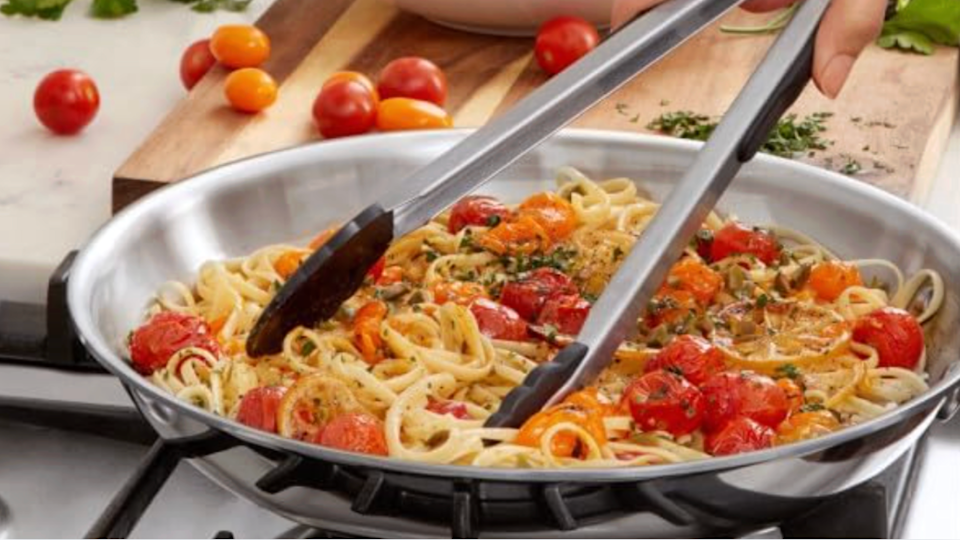
Grippy tongs are the ideal tool for transferring spaghetti with slippery sauces. Keep scrolling for more editor- and chef-recommended cooking must-haves. (Oxo Good Grips)
Finishing touches and shortcuts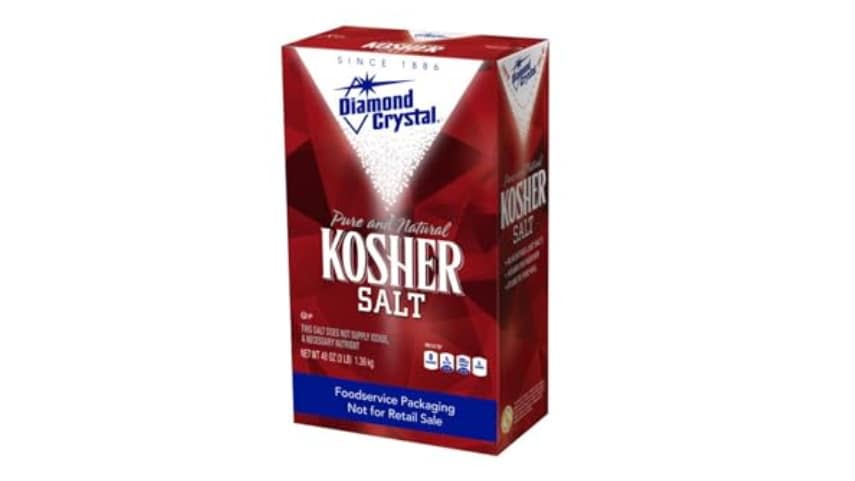
Amazon
According to Schenker, “Diamond Crystal kosher salt is the workhorse in most professional kitchens because the flakes dissolve evenly and it’s easy to control seasoning by hand.” Last time we checked, you could nab a 3-pound box of the pro staple for under $15. Talk about a bargain!
Amazon
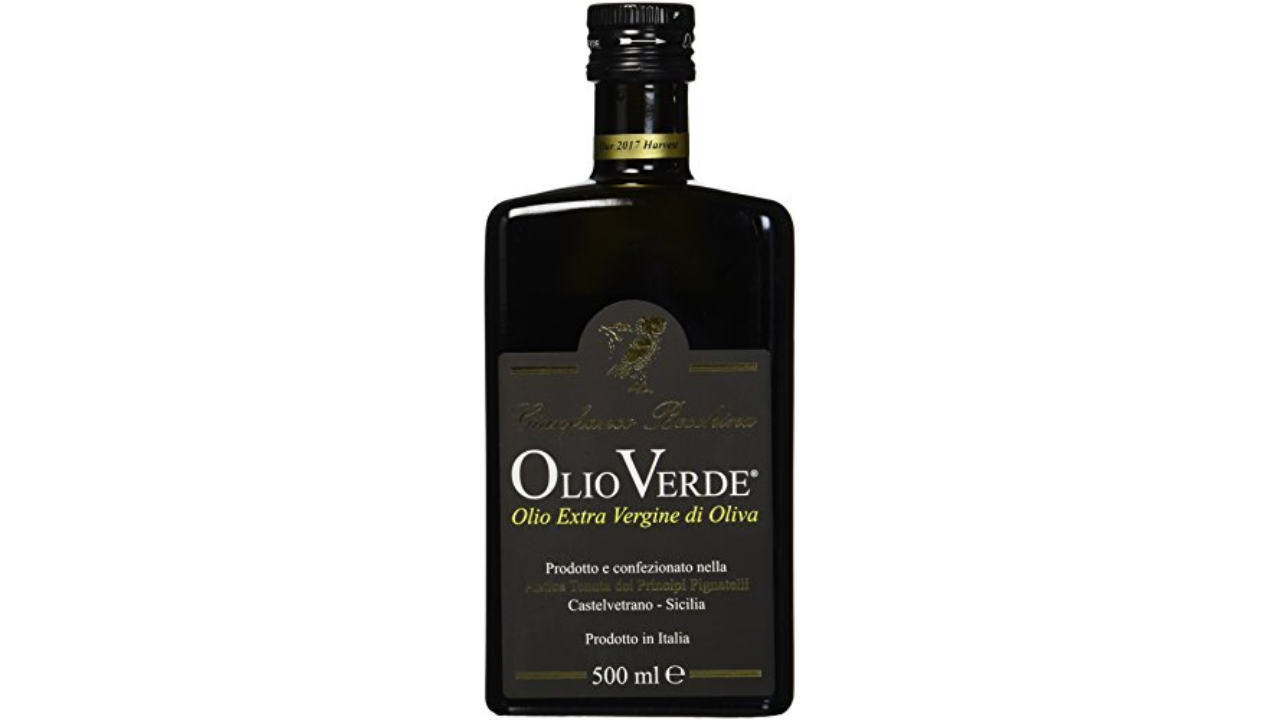
“For olive oil, we generally look for a good quality extra virgin with a peppery finish rather than something overly mild,” shares Schenker. He says he often taps this brand in his own restaurant kitchen for its “grassy, slightly spicy finish,” adding that it “holds up well in cooking, but is also nice enough to finish a dish with.” It’s produced in Italy and comes in a glass bottle that’s pretty enough to display on your kitchen counter.
Amazon
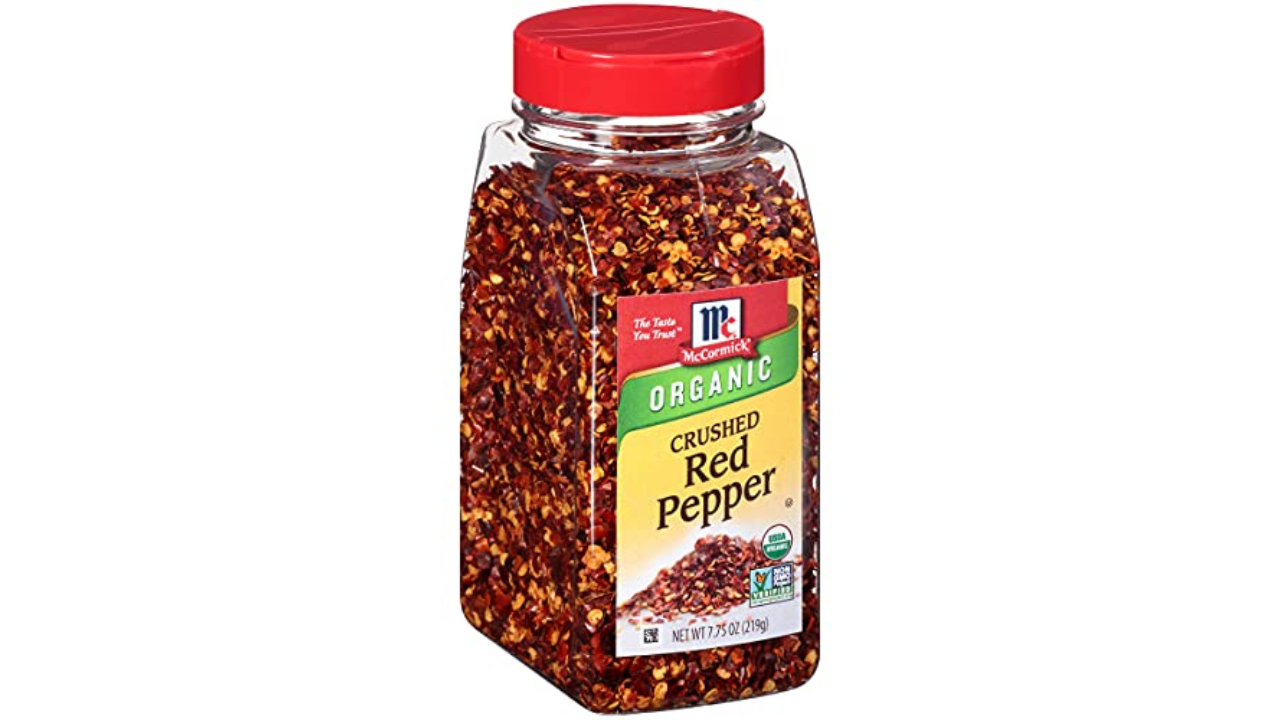
If you want to add some depth or spice, try adding red pepper flakes or a chopped fresh jalapeño, as our chefs suggest for the recipes above.
These frequently purchased crushed red pepper flakes from McCormick are organic and come in a generous bottle — for a reasonable price — so you don’t have to feel guilty about upping the ante.
Amazon
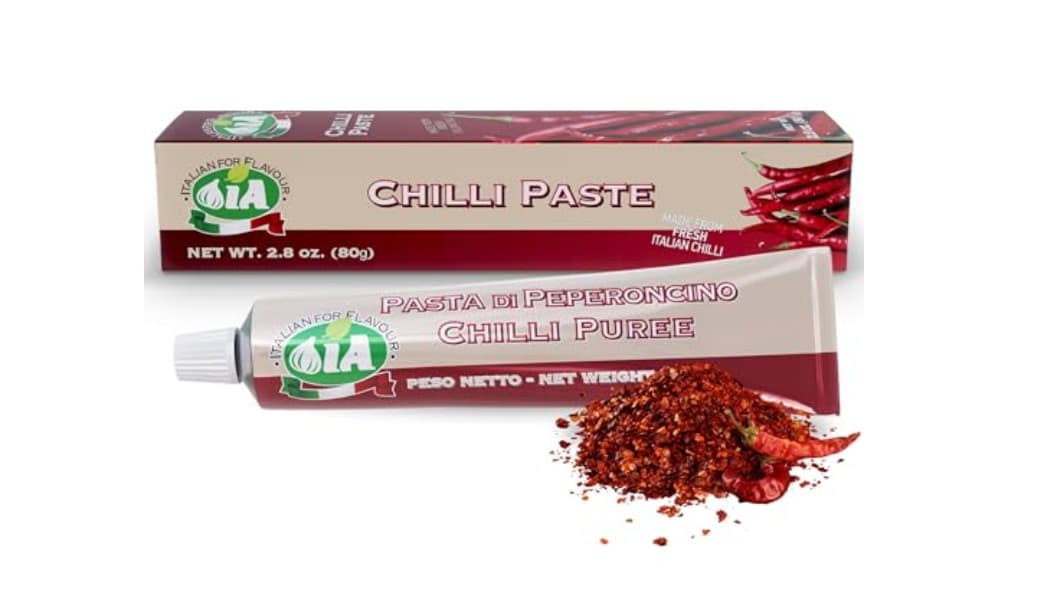
Another spicy idea? Add a hint of Calabrian chili paste. It works really well, says Schenker, as another way to kick up the flavor of your spaghetti a notch or two.
A little squirt of this tube from Italian for Flavour should do it (the brand also offers garlic and other pastes at the same link for when you need a different “flavour” boost).
Amazon
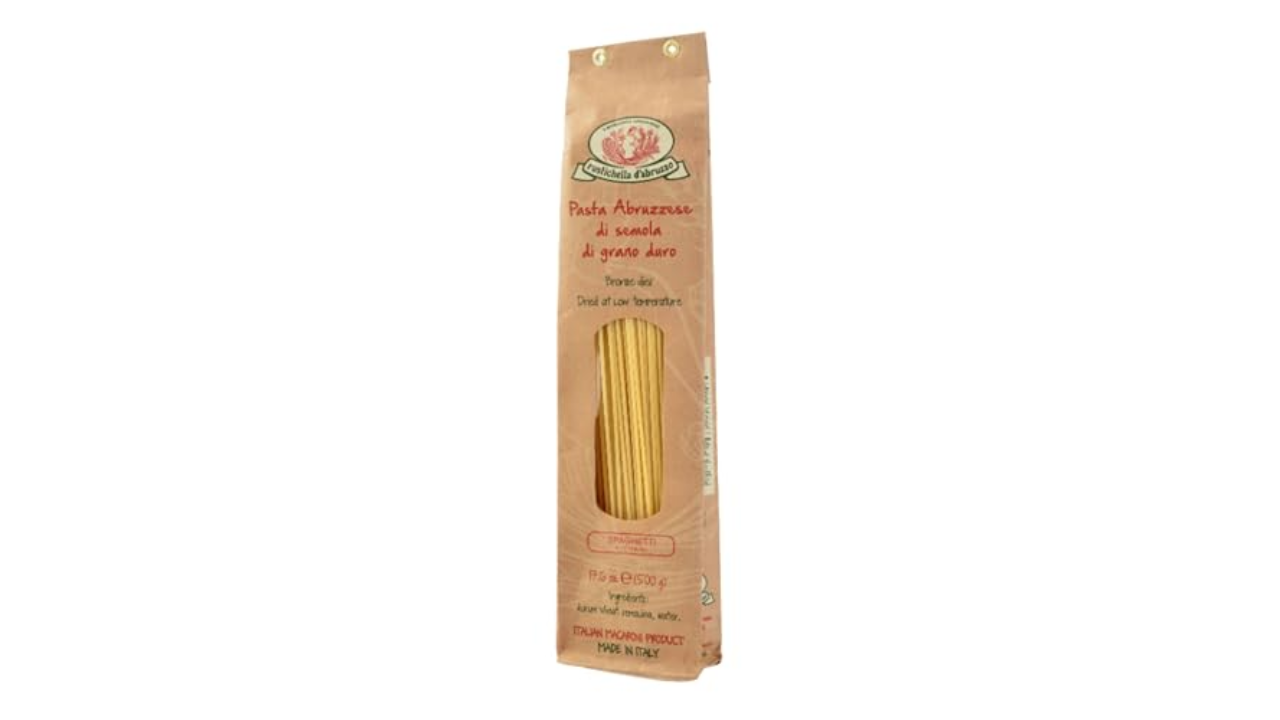
On the topic of the best dried pastas, both Arevalo and Schenker suggest Rustichella d’Abruzzo for its mouthfeel and grippiness.
“Their pasta is extruded with bronze dies and slow-dried for over 24 hours, the process creating pasta with a rough texture, perfect for capturing all of the delicious sauce!” explains Arevalo. If you can’t find Rustichella, she advises looking for a brand that uses bronze dies (meaning they push the pasta through bronze molds) instead of Teflon versions, which she says produce smooth pasta that sauce slides off. Arevalo also lists Garofalo and De Cecco (of which Schenker is also a fan), among her top picks.
Amazon
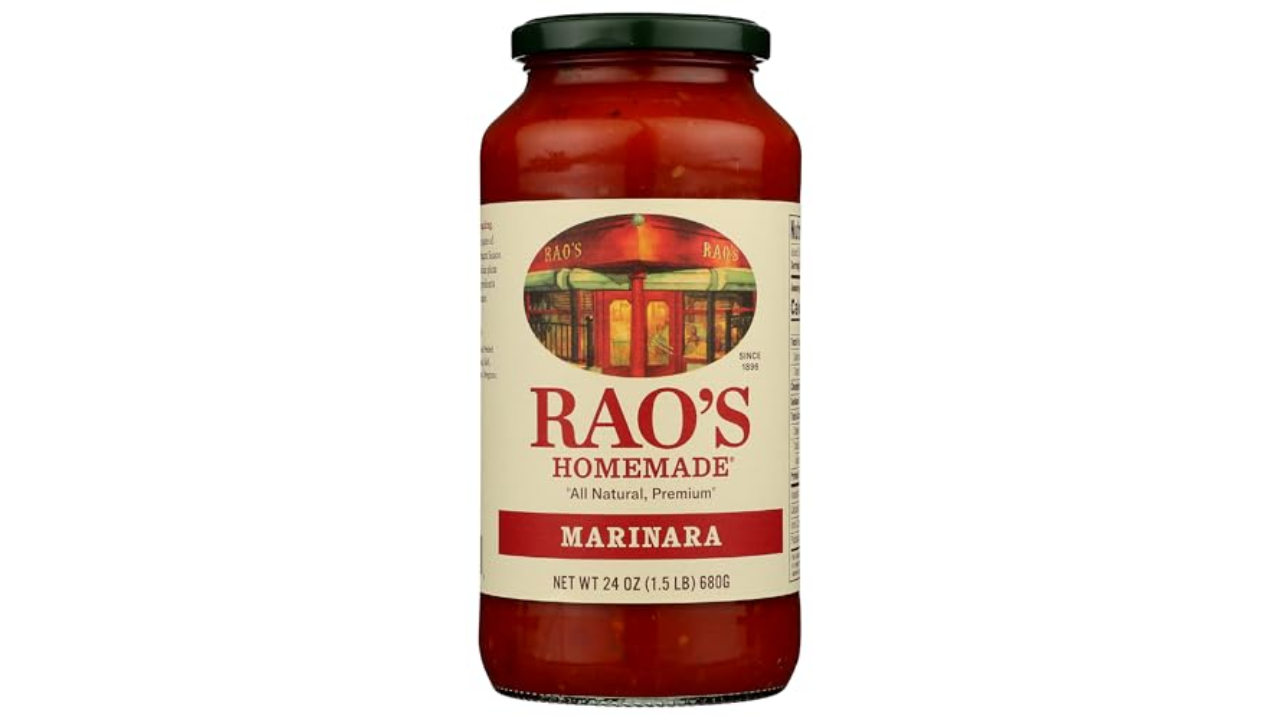
Don’t have time for homemade sauce? “Rao’s Homemade Marinara is probably one of the best widely available [jarred] options,” confirms Schenker (and other chefs we’ve spoken to). He suggests simmering it for a few minutes with a smashed clove of garlic, a drizzle of good olive oil and a pinch of red pepper flakes to elevate it.
Schenker adds that “finishing it with a little butter and a splash of pasta water makes it taste much more like a fresh sauce.” Guests will be none the wiser, and by cutting down on prep, you’ll have more time for entertaining.
Must-have tools and accessories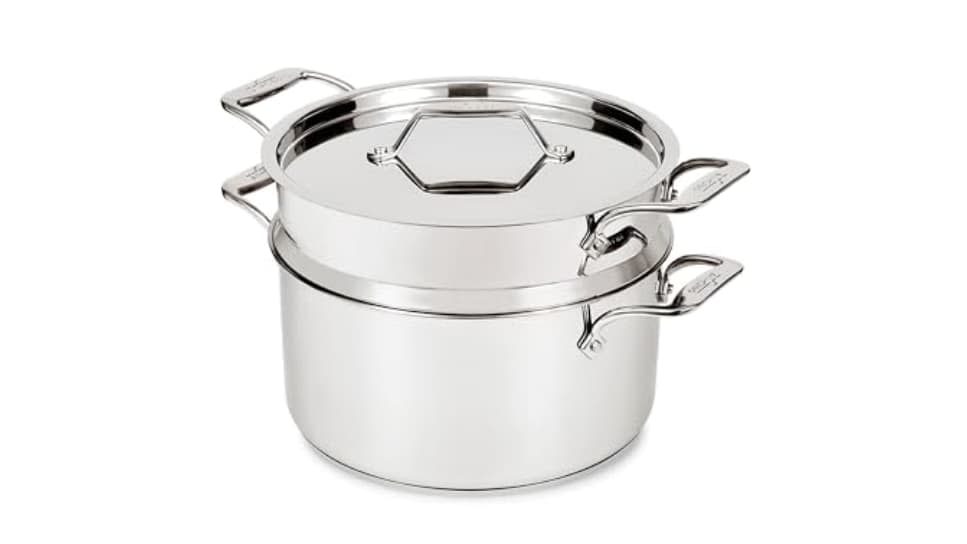
Amazon
“The great thing about making pasta at home is that you don’t need any fancy equipment — just a large pot, a sauté pan and a good knife,” reassures Arevalo.
“A large pasta pot with a heavy base helps maintain a rolling boil when pasta goes in,” adds Schenker. “In the restaurant, we use large stainless steel stock pots similar to what you’d find from brands like All-Clad or Vollrath — nothing fancy, just thick enough to hold heat well.”
This top-rated, heavy-duty All-Clad pot comes in 6-, 7-, 8-, 12-, and 16-quart sizes and is oven- and broiler-safe up to 600°F. It’s definitely a splurge, but if you love your spaghetti, it’s a worthy investment.
Amazon
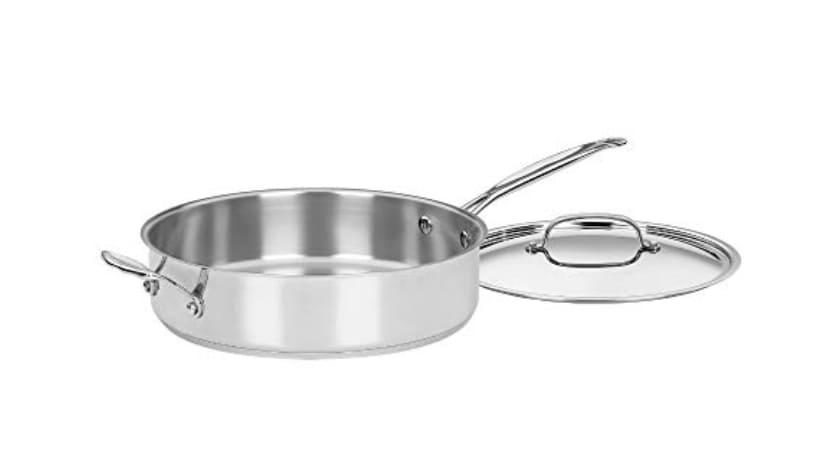
“When it comes to sauté pans, a wide stainless steel sauté pan is ideal because it gives the pasta room to move and finish cooking in the sauce,” says Schenker. “Something in the 12-inch range with straight sides works great.”
This sauté pan from Cuisinart is large enough to hold 5.5 quarts of pasta. It’s induction-compatible for electric ovens, plus dishwasher-safe for easy cleaning.
Amazon
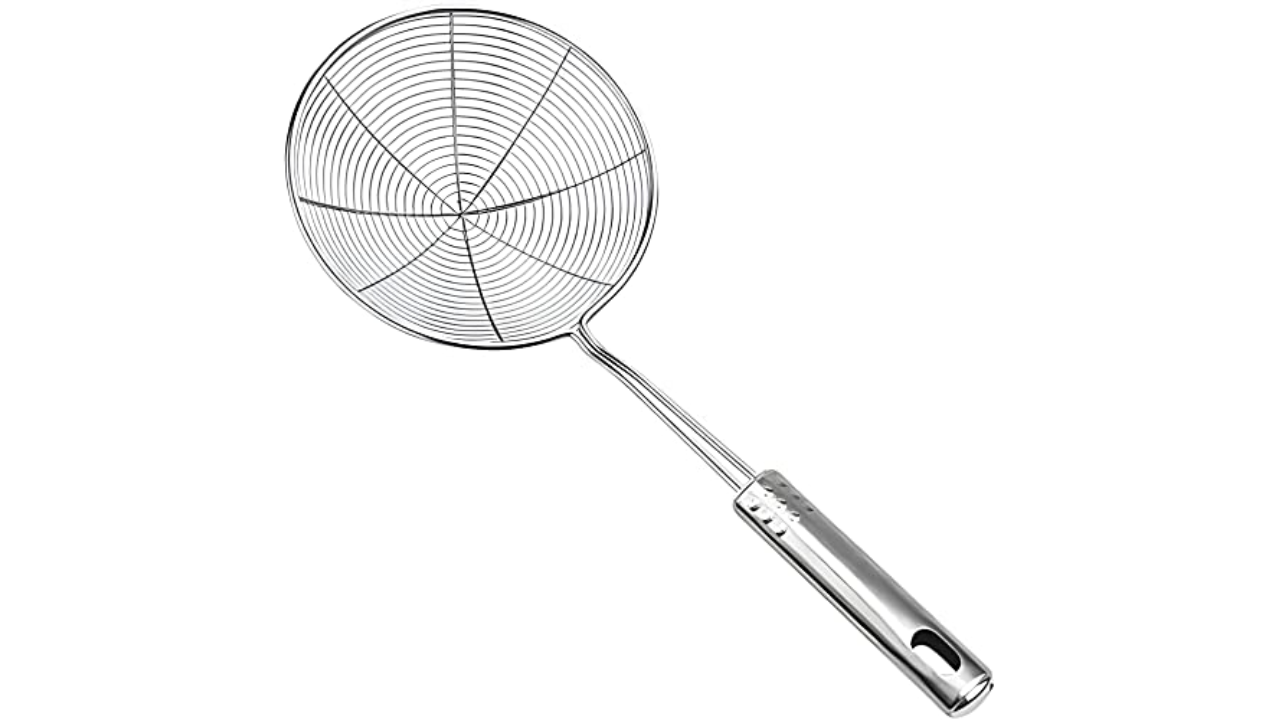
According to Schenker, a spider strainer is one of the most important pasta tools because it lets you transfer pasta directly from the water into the sauce, while carrying a little pasta water with it. “That starchy water is really what helps emulsify the sauce and bring everything together,” he explains.
Yahoo writer (and former professional baker) Britt Ross and Ina Garten are also fans, and both recommend this stainless steel option as a sturdy, top-rated pick on a budget.
Amazon
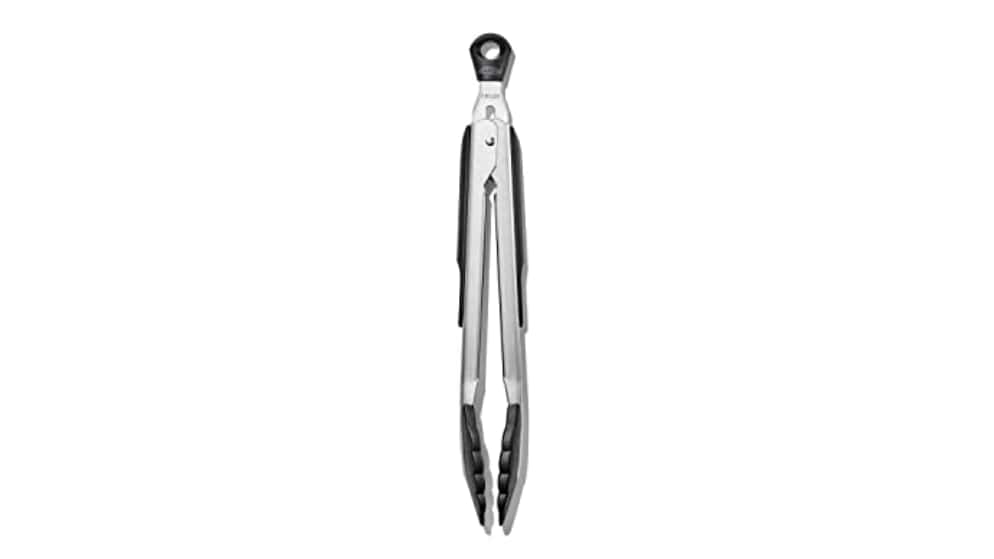
A steady set of tongs can also be a huge help when transferring slippery noodles, with Arevalo adding that she especially loves tongs (or a slotted spoon) for shorter pasta shapes.
These tongs from Oxo Good Grips are a Yahoo editor (and Giada de Laurentiis) favorite for their grippy nylon coating, which helps keep saucy noodles from falling all over the place. (The brand also offers a larger, 12-inch version, as well as a two-piece set for transferring noodles of different sizes and proportions.
Dining and Cooking