
 6 min read
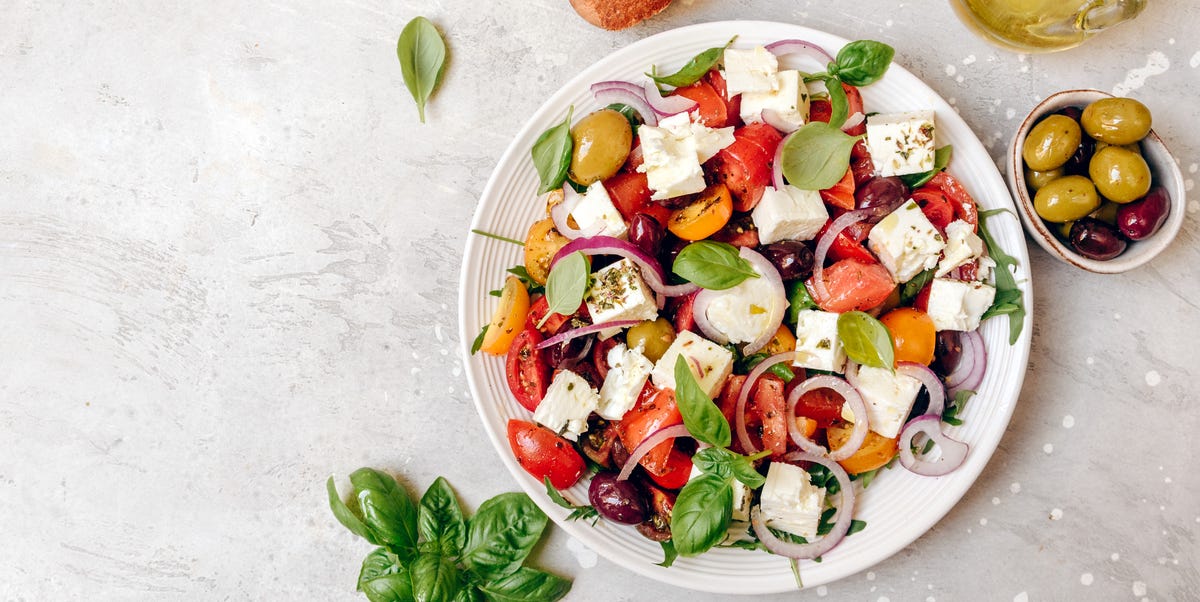
The Mediterranean diet is back in the spotlight thanks to a recent study showing that women who follow this eating pattern have a lower risk of stroke. But this isn’t just another diet…it’s a celebration of vibrant flavors, fresh ingredients, and a lifestyle proven to support long, healthy living. From sun-ripened tomatoes and colorful vegetables to heart-healthy olive oil and fresh seafood, this way of eating makes nutritious meals exciting, satisfying, and simple to enjoy.
Consistently ranked the #1 diet by U.S. News & World Reportand backed by decades of research, the Mediterranean approach emphasizes anti-inflammatory, nutrient-rich foods without cutting out any major food groups. Two of the world’s five Blue Zones, where people live the longest, are Ikaria, a Greek Island, and Sardinia, in Italy.
“Interestingly, even though we call it the Mediterranean way of eating, similar dietary patterns can be found all over the world among some of the longest living people,” says Michael Crupain, MD, MPH, author of the cookbook The Power Five and a faculty member at Johns Hopkins Bloomberg School of Public Health.
Keep reading for a complete Mediterranean diet food list, plus a simple seven-day meal plan to bring the flavors and benefits of the Mediterranean straight to your kitchen.
What is the Mediterranean diet?
The Mediterranean way of eating draws inspiration from the traditional cuisines of Greece, Spain, Italy, and southern France. “It’s focused on eating mostly five groups of foods: fruits and vegetables, whole grains, beans, healthy fats (from olive oil, nuts, and seeds), and fish,” says Dr. Crupain.
The approach is nutritious and also flavorful, with meals full of antioxidants and a range of aromatic herbs and spices that make healthy eating something you can look forward to. You can enjoy moderate amounts of dairy, eggs, and poultry, and red meat is included occasionally in smaller portions.
Unlike restrictive diets, the Mediterranean approach emphasizes quality over strict rules. It’s flexible, balanced, and sustainable, giving you the freedom to enjoy a variety of foods. That combination of health benefits and everyday enjoyment is what makes the Mediterranean way of eating so appealing to millions worldwide.
Health Benefits & Risks
“Numerous studies have looked at the health benefits of the Mediterranean style of eating and consistently found that it’s associated with lower risk of death from cardiovascular disease and events like heart attack and stroke,” says Dr. Crupain. The diet gained widespread attention in 2013 when a team at the University of Barcelona studied over 7,000 people and found significant improvements in heart health after adapting the diet. Since then, the evidence has continued to grow, with studies also pointing to benefits for improved cognition and longevity.
Some of the standout benefits of the Mediterranean diet include:
Heart health: Supports healthy cholesterol and blood pressure, reducing cardiovascular riskBrain and mental well-being: Boosts cognition and may help protect against anxiety and depressionChronic disease prevention: Lowers risk of heart disease, diabetes, certain cancers, and inflammation-related conditionsJoint health: May ease symptoms of rheumatoid arthritisReproductive health: Supports fertility in both men and womenEye and skin health: Promotes healthy skin, combats premature signs of aging, and helps maintain healthy visionWeight management and digestion: Encourages a healthy weight and supports digestive healthLongevity: Helps promote a longer, healthier life
The Mediterranean diet is safe for most people, but it’s always wise to check with your healthcare provider before making major changes. Some nutrients, such as calcium and iron, may be lower because the diet emphasizes plant-based foods over dairy and red meat. Certain ingredients (like fresh seafood, produce, and high-quality olive oil) can be costly, and meal prep may take a bit more time. If you include wine, moderation is key, and portion control remains important since the diet doesn’t specify strict serving sizes.
Full Mediterranean Food List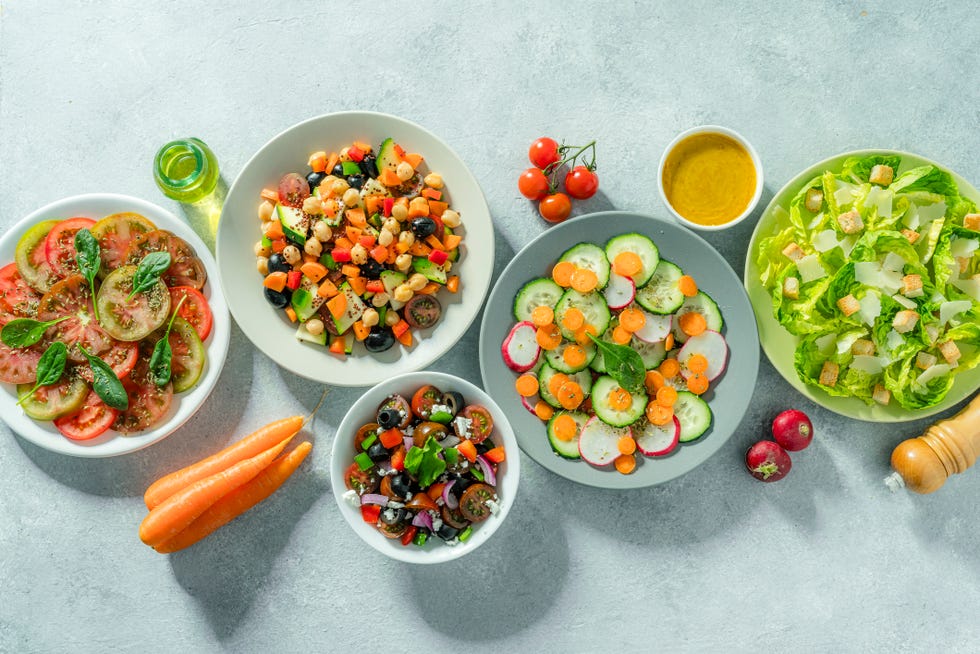
fcafotodigital//Getty Images
A Mediterranean kitchen is packed with fresh produce, lean proteins, seafood, and healthy fats. Stocking your pantry with these ingredients makes it easy to add flavor, nutrition, and variety to every meal.
Produce
Fruits and vegetables are the heart of the Mediterranean diet. They’re loaded with vitamins, minerals, fiber, and antioxidants while being naturally low in calories. Aim for at least five servings a day (about two servings of fruit and three servings of vegetables). A serving of vegetables is ½ cup of cooked vegetables or 1 cup of raw vegetables. A serving of fruit is about one medium-sized piece of whole fruit or ½ cup of fresh, frozen, or canned fruit.
ApplesApricotsArtichokesArugulaAvocadoBeetsBell peppersBroccoliCabbageCarrotsCeleryCherriesClementinesCucumberDandelion greensDatesEggplantFigsGrapefruitGrapesKaleLemonsMelonsMushroomsMustard greensNectarinesOkraOlivesOnionsOrangesPeachesPearsPeasPeppersPomegranatesPotatoes and sweet potatoesPumpkinRadishesScallionsShallotsSpinachStrawberriesTangerinesTomatoesTurnipsZucchini
Note: Prioritize non-starchy vegetables (like leafy greens, peppers, broccoli), but enjoy starchy options like potatoes in moderation.
Legumes, Nuts & Grains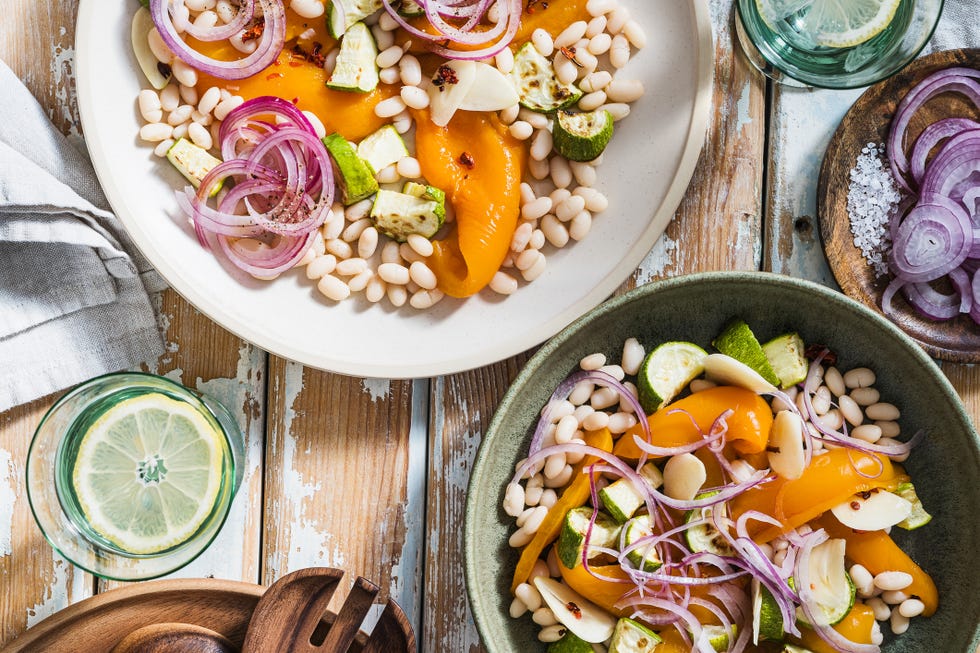
istetiana//Getty Images
This group is rich in fiber, protein, and healthy fats, making meals more filling and nutrient-dense. Aim to include at least one legume, nut, or grain (or all three) in each meal while following the diet. Try swapping white pasta and white rice for whole-grain sides like quinoa, bulgar, wheat berries, and more, and have oatmeal for breakfast. Add legumes to salads, grain bowls, and soups, and keep nuts and seeds unsalted for the healthiest snacks.
AlmondsBeans (cannellini, chickpeas, fava, green, kidney, and navy)BarleyBuckwheatBulgur wheatCouscousFarroLentils (red, yellow, and green)OatsOrzoPine nutsPistachiosQuinoaWalnutsWheat berriesYellow split peasHerbs, Spices & Condiments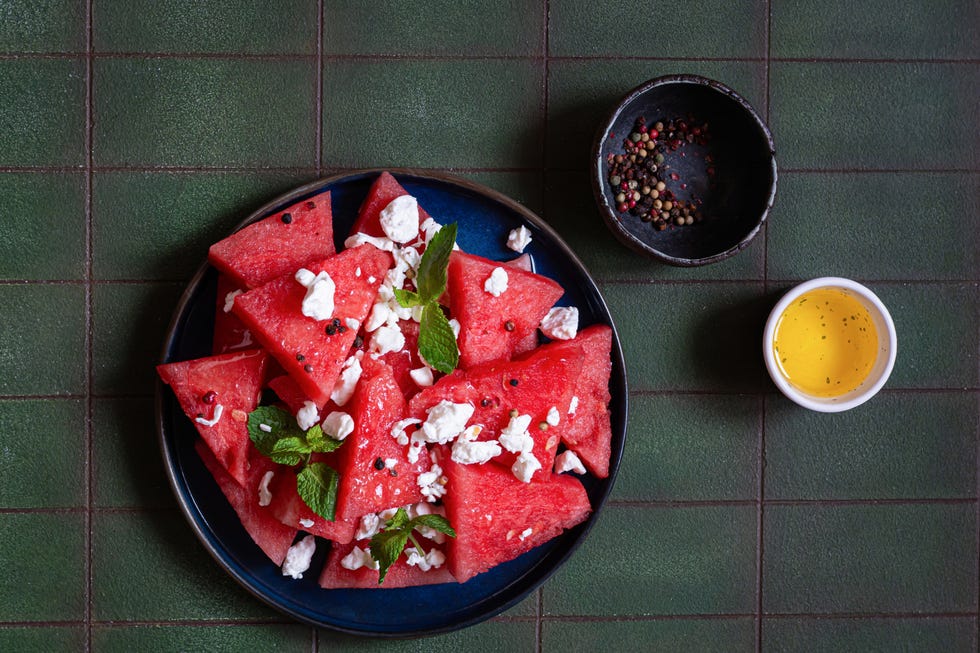
VIKTORIIA DROBOT//Getty Images
Herbs and spices add flavor and antioxidants, helping you reduce salt while keeping meals delicious. High-quality olive oil is a must since it’s rich in heart-healthy fats. Store in a cool, dark place, choose single-origin when possible, and opt for products sold in tinted or opaque bottles or cans to protect the oil from light, which can help it stay fresher longer. (Another good tip: Always be sure to store oil in a cool and dry place.) Vinegar, which contains polyphenols, is another important item to have in your Mediterranean pantry, as it can help balance out dressings and many dishes.
AniseBasilBay leavesCinnamonCloveCrushed red pepper flakesCuminDill weedExtra virgin olive oilGarlic powderMintNutmegOlive oilOnion powderOreganoParsleyRosemarySageSesame seeds and tahiniSmoked paprikaSumacThymeVinegar: apple cider, balsamic, and red wine varietiesZa’atarDairy & Cheese (in moderation)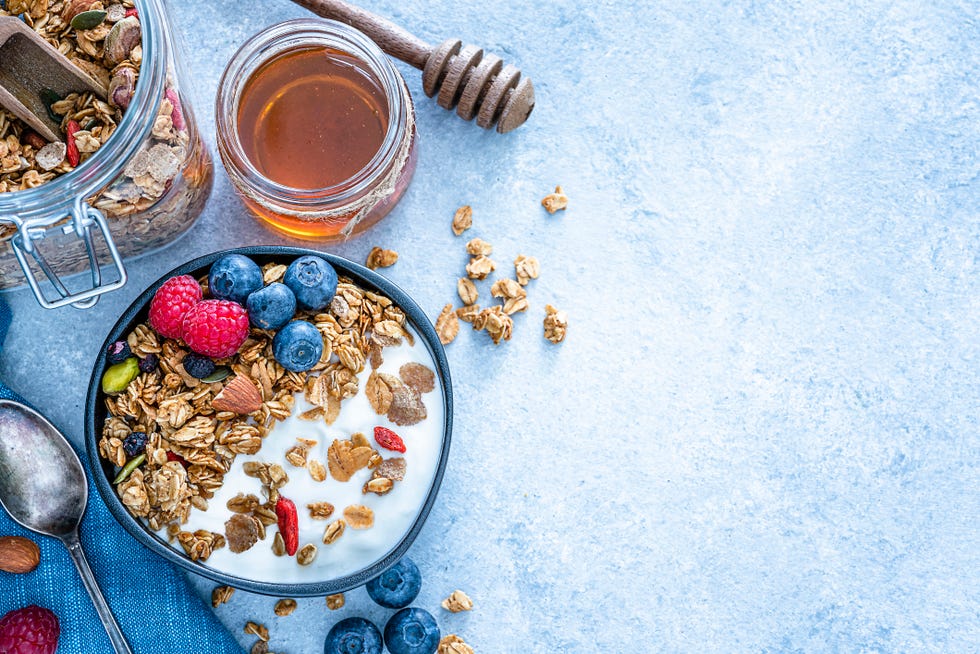
fcafotodigital//Getty Images
Cheese, yogurt, and other dairy products are indeed eaten regularly in the Mediterranean, but typically in small amounts. These foods are nutrient-rich, providing protein, calcium, and other important vitamins. Enjoying them in moderation (rather than in large amounts) is recommended, as many cheeses, in particular, are high in saturated fat and sodium. In the Mediterranean diet, small portions help you get the benefits without overdoing fats or sodium.
FetaGreek yogurtGoat cheeseHalloumiManchegoParmigiano-ReggianoPecorinoRicottaSeafood & Meat (in moderation)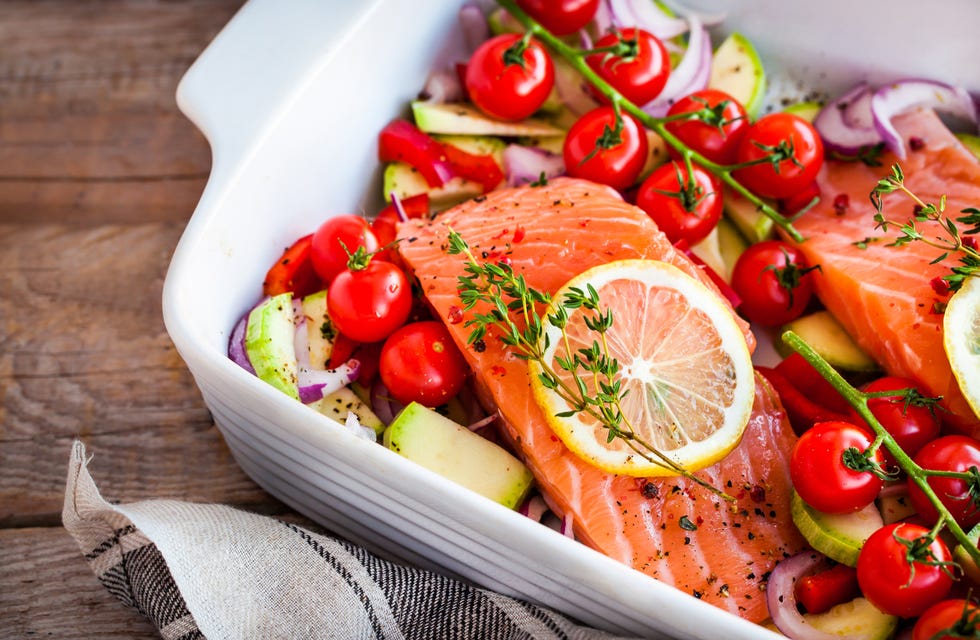
Ekaterina Smirnova//Getty Images
Seafood is a preferred protein, typically grilled or baked rather than fried. Fish is high in omega-3 fatty acids, which support heart and brain health. Meat is eaten in the Mediterranean and is rich in bioavailable nutrients like vitamin B12 and complete protein, but again, it’s usually consumed in small portions, with leaner cuts prioritized. Poultry is popular because it is a lean protein source, making options like chicken a staple on many Mediterranean menus.
ChickenEggsRed meat (sparingly, mostly beef, goat, and lamb)OctopusSalmonSardinesShrimpTunaEveryday Daily Lifestyle Tips
The Mediterranean diet is fairly easy to follow and offers a lot, from its health benefits to its delicious food choices. These practical tips can help you stick to the eating style over the long term, too:

Prep your kitchen.
You’re more likely to make healthy choices when you have nutritious and delicious ingredients at the ready in your kitchen. Use our Mediterranean diet food list to get started. Essentials to always have on hand include a variety of fresh produce, nuts, seeds, high-quality olive oil, and whole grains.
Eat mindfully and slow down.
One of the best ways to enjoy your meals (and truly embrace the Mediterranean way of life) is to disconnect from distractions while eating. Silence your phone, turn off the TV, and sit down at the table so you can be fully present, savoring the flavors and connecting with others. When you eat while scrolling or rushing, it’s easy to miss the experience and feel less satisfied. Aim to make meals last at least 20 minutes, giving your stomach time to signal fullness to your brain. Take the time to chew slowly, appreciate each bite, and try setting your fork down every few bites. This simple practice helps you tune into satiety, enjoy your food more, and create meals that feel nourishing for both body and mind.
Choose wisely when dining out.
When eating out, start with a fresh salad and choose fish or seafood as your main. Ask for extra veggies, focusing on non-starchy options like leafy greens, and swap white bread or pita for whole-grain varieties. Use olive oil instead of butter, stay hydrated with water or sparkling water, and finish your meal with a leisurely walk (it’s a simple way to enjoy your food and support digestion).
Snack smart.
Plan for the unplanned and fight off that hangry feeling by keeping a portable snack with you, just in case a meeting runs late, or you get stuck in traffic. Having a healthy option to tide you over is key. Roasted crunchy chickpeas or homemade trail mix are easy, portable snacks to keep in your bag or desk at work.
Stay hydrated.
Every single cell in your body needs water to function, and hydration is also crucial for optimizing your metabolic rate. No matter what type of eating plan you adopt, staying hydrated is important for keeping your body happy and healthy. A reasonable goal for the average person is to drink about 8 cups a day. For a more accurate hydration estimate, try to drink 1/2 ounce of water for each pound you weigh. If you weigh 160 pounds, that’s 80 ounces of water, or 10 cups.
Get moving.
Commit to sitting less and moving more, even if it’s just a quick walk or raking leaves outside. Any movement counts! There are many benefits to physical activity, including strengthening bones and muscles, improving brain health, and reducing the risk of chronic disease. If you’re managing your weight, exercise can help, too. Always consult your healthcare provider before starting a new exercise regimen.
Make sleep a priority.
Getting a good night’s rest is essential to every bodily process and affects everything from our immunity and metabolism to chronic disease risk and mental health. Inadequate sleep even affects your appetite and food choices. The number of hours you sleep at night is important, but the quality of that sleep is significant too. Sticking to a sleep schedule is ideal for optimizing your sleep, so try going to bed and waking up around the same time each day.
Connect.
A key and surprising piece of the Mediterranean lifestyle is connecting with others. Again, meals are often seen as opportunities to share time with friends and family, shifting the focus from food to connection. Make an effort to connect with those you love and care about as you start the journey, whether it’s a simple phone call after work or a post-dinner walk with your spouse. This connection component may even help keep you motivated and accountable.
7-Day Mediterranean Diet Meal Plan
Our simple, nutritionist-approved one-week Mediterranean Diet plan is perfect for easing into the lifestyle and making it practical for you.
Looking for more recipes and meal plan inspiration? Check out Good Housekeeping’s new High-Protein Mediterranean Diet Cookbook for curated recipes and tips to prep your kitchen for success.
Why trust Good Housekeeping?
Stefani Sassos, M.S., R.D.N., C.D.N.,is the director of the Good Housekeeping Institute Nutrition & Fitness Lab, where she oversees all nutrition content, product testing, and evaluation. A registered dietitian, Stefani stays up to date on the latest scientific research to provide evidence-based guidance on diet, wellness, and healthy living. Growing up in a Greek-American family, Mediterranean foods were (and still are!) at the forefront of all her family’s meals and traditions.
Dining and Cooking