
Another year goes by and another conversation around the quality of Irish food begins. Too often, the comparison with some of the supposedly “trendier” cuisines pops up. I’m thinking of places such as Scandinavia or Peru where restaurants operate in the same manner as brands – promoting an ideology bordering on religion. In the world of online influence, these travel well, presenting a message of perfection across the board.
Often, as I have been fortunate enough to see on my travels, the quality of food within these countries is of the same standard as everywhere else in this globalised world. They just have these world-renowned restaurants that influence our vision. More often than not, the reputation is backed up by tourist boards and hard cash. Get the right people in, get noticed. I have nothing against this – it’s how the world works, isn’t it?
It would be great to see us play the game a bit more carefully here too. What I think we should give ourselves credit for is the quality of offering we have across the board. From the food in our fridge, to the cafes, neighbourhood restaurants, larger home-grown chains and multi-Michelin-starred restaurants, our level of performance is consistently high. Yes, of course there are examples that contradict this . But I would argue that the places that care about the product they are producing are the rule, as opposed to the exception.
Was it like this 20 years ago? For the record, I have eaten meals in Irish restaurants that exceed (by some margin) some of the globally lauded establishments. On the other hand, I have been lucky enough to eat in some places that exceed the level of any restaurant on this island. But the gap is closing. It must be our competitive edge that always keeps us relevant.
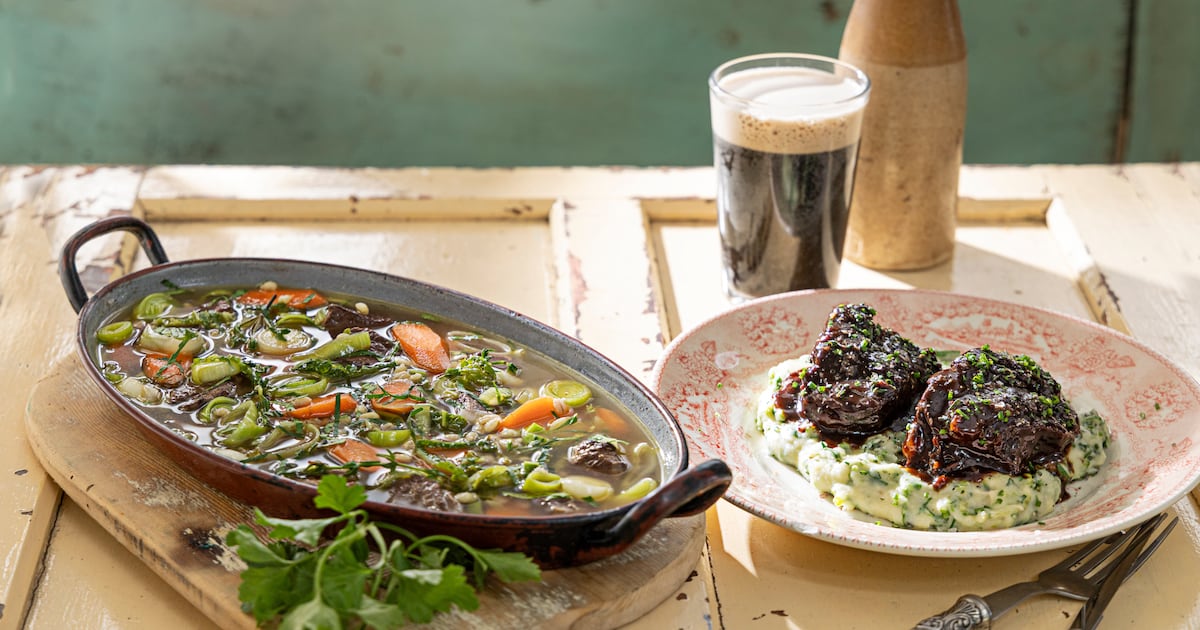
In honour of Irish food, I’m cooking the classics this weekend. What hasn’t been written about Irish stew isn’t worth writing, but I’ll have a go. For me, it should be a powerfully flavoured broth, with roasted lamb fat pearls suspended in a sea of braised vegetables and greens. The lamb should be slow-cooked, the barley overcooked and soft. Made properly, it rivals any traditional dish for anywhere in the world.
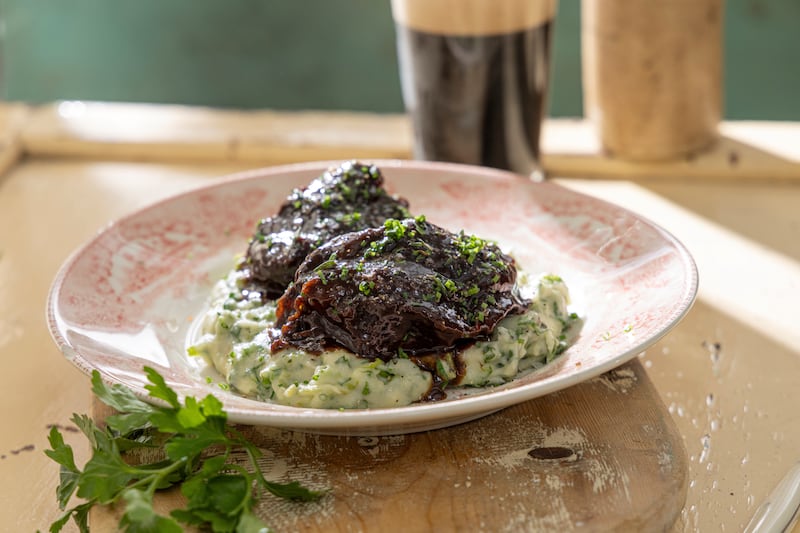 Pork cheeks glazed in Irish balsamic cider vinegar with colcannon. Photograph: Harry Weir
The second dish uses pork cheeks; ask your butcher in advance to source them and marvel at their magnificence. Brined to retain moisture, they should be cooked until just soft before being glazed in a rich sauce finished with Irish apple balsamic vinegar. Colcannon relies on caramelising the cabbage and lots of butter. It’s the perfect base for those glistening cheeks. Food doesn’t have to be fancy to be faultless. Happy St Patrick’s weekend.
Recipe: Classic Irish stewRecipe: Pork cheeks glazed in balsamic cider vinegar with colcannon
Dining and Cooking