
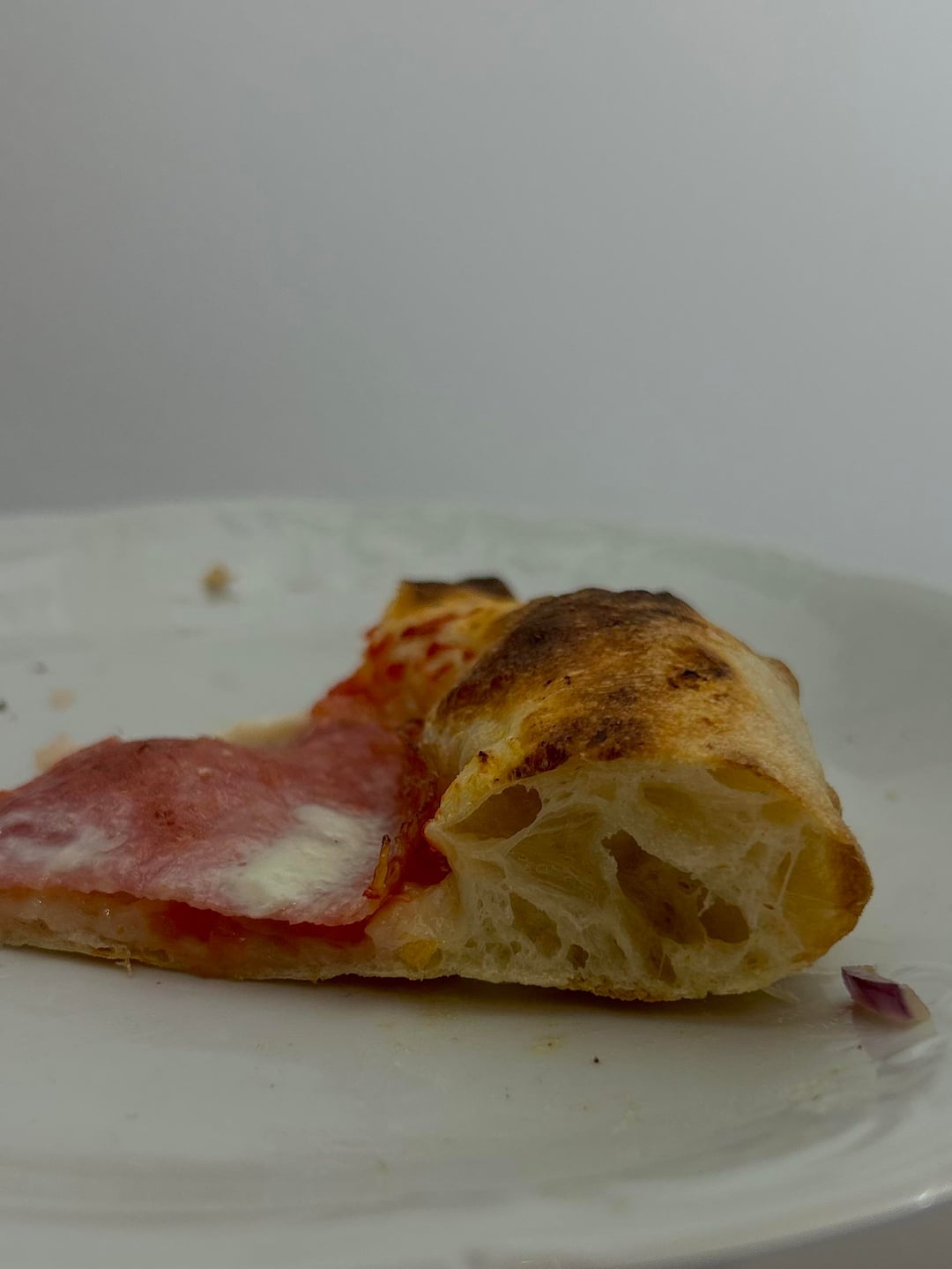
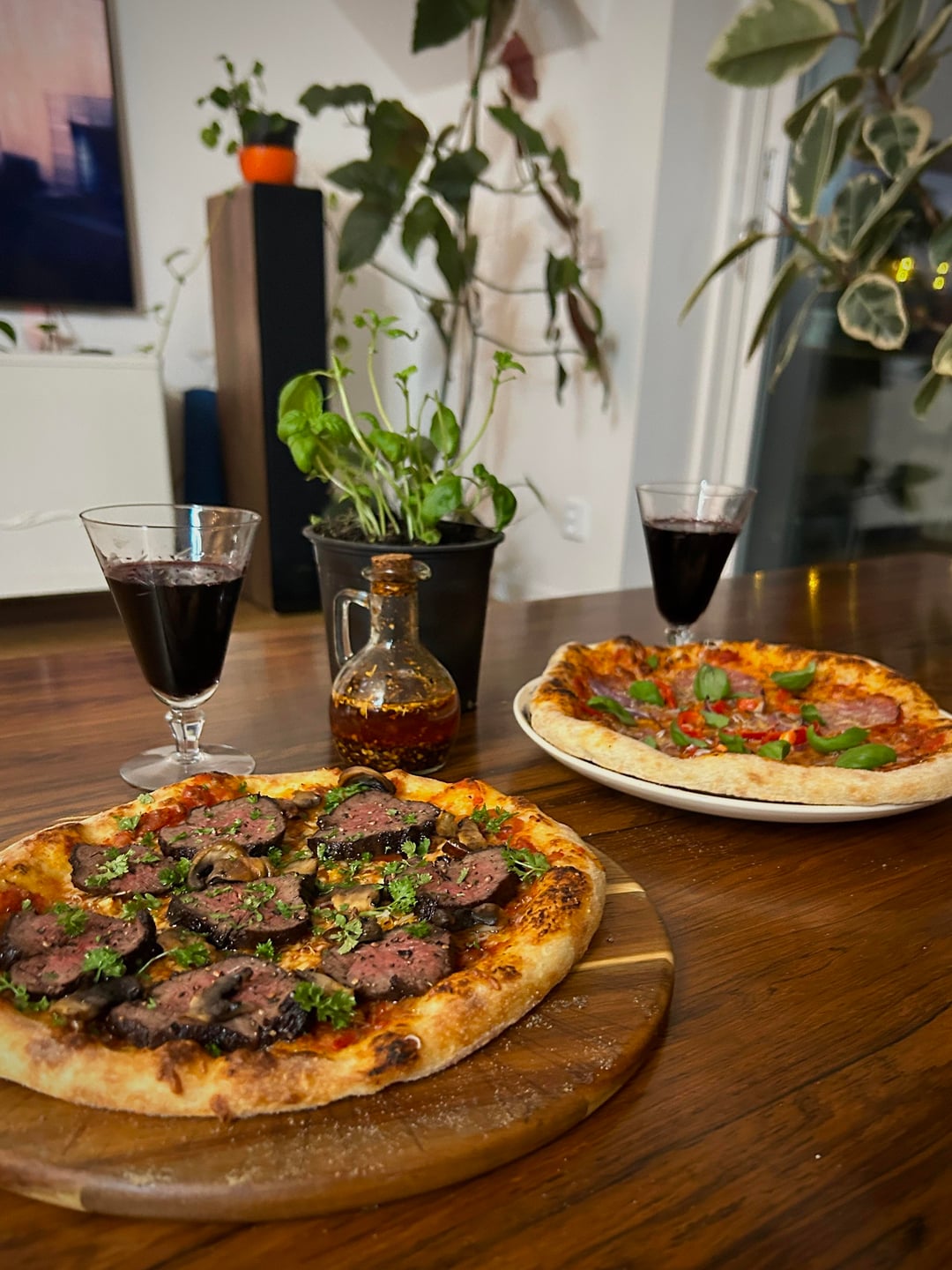
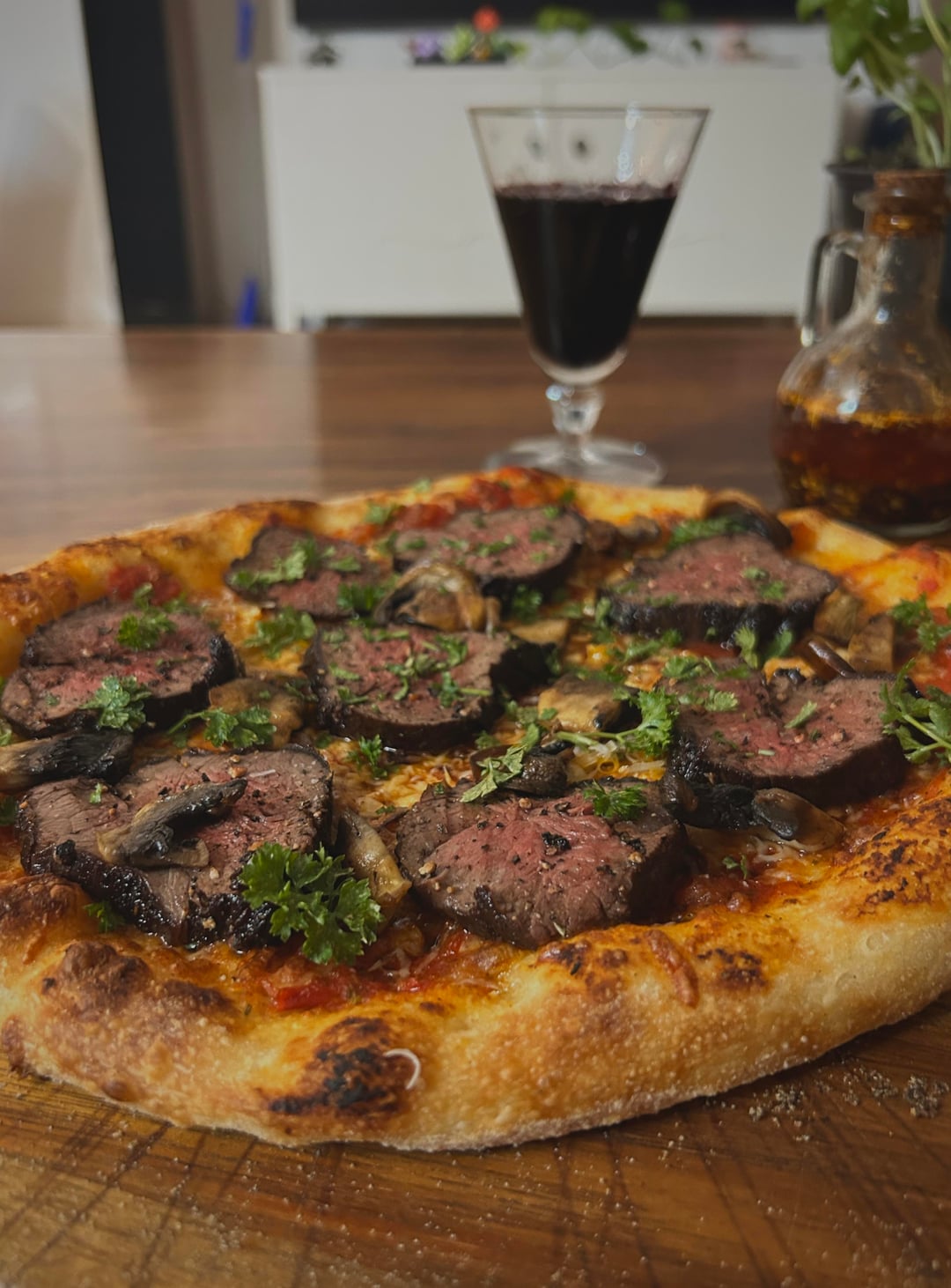
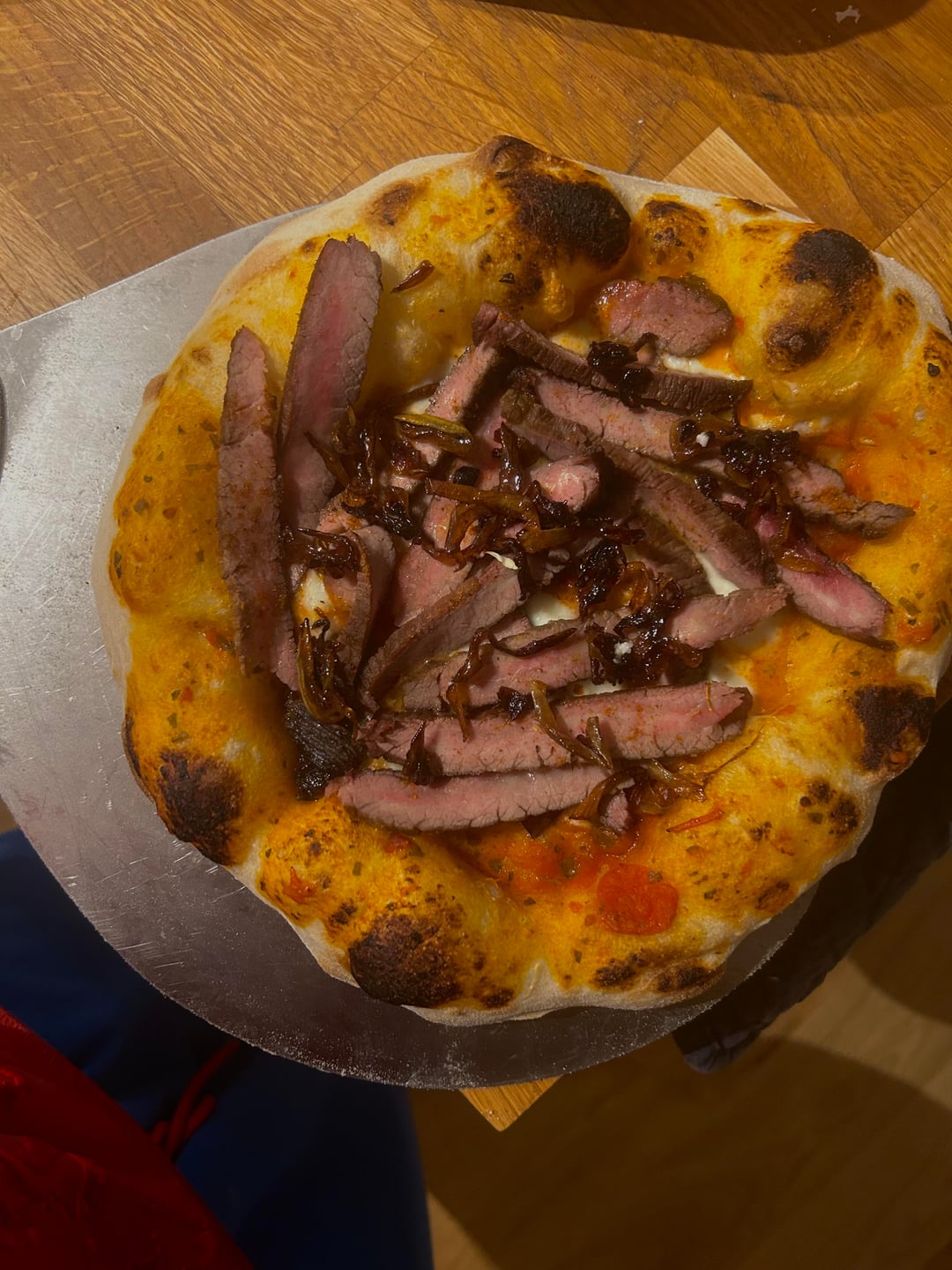
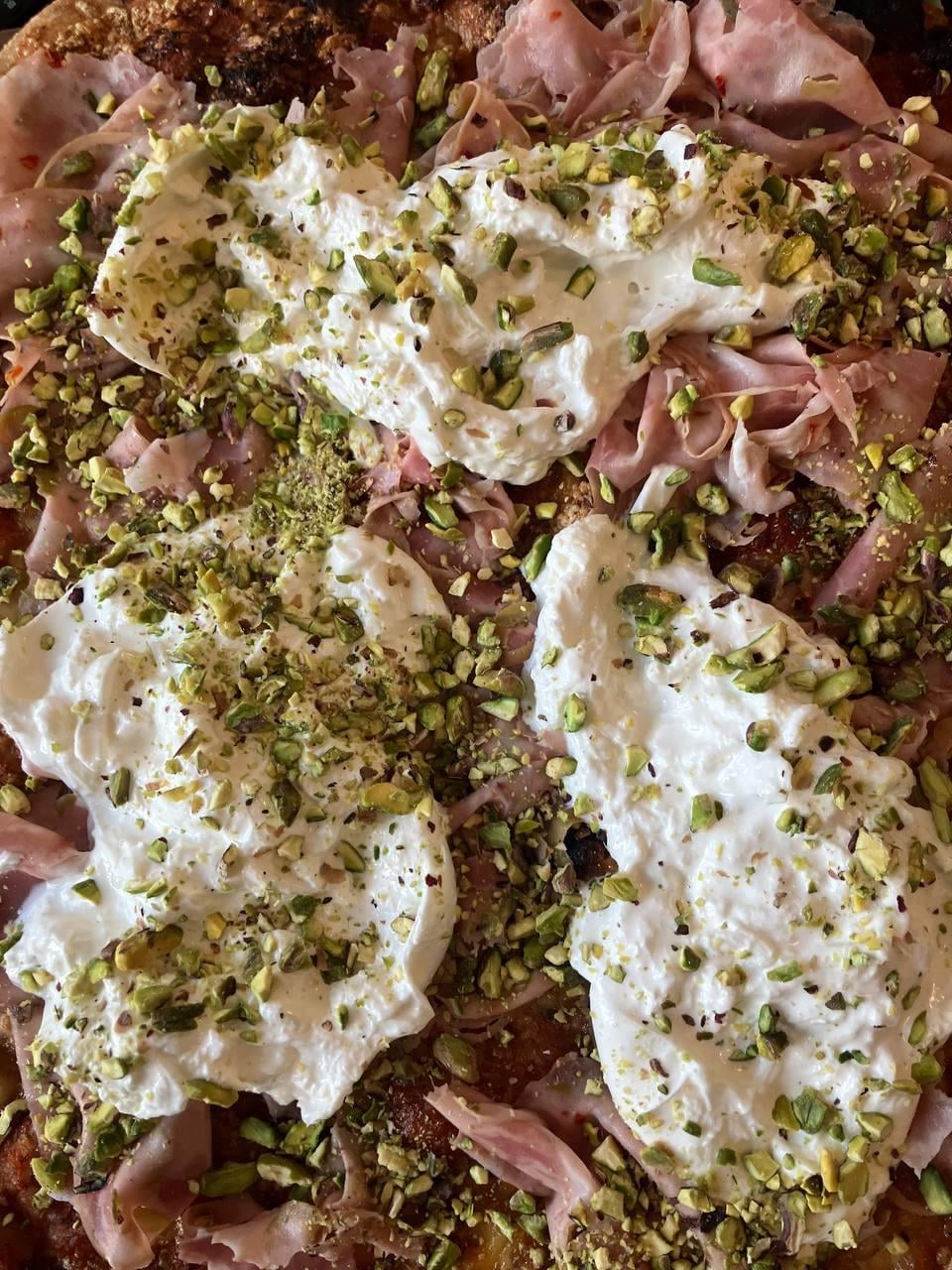
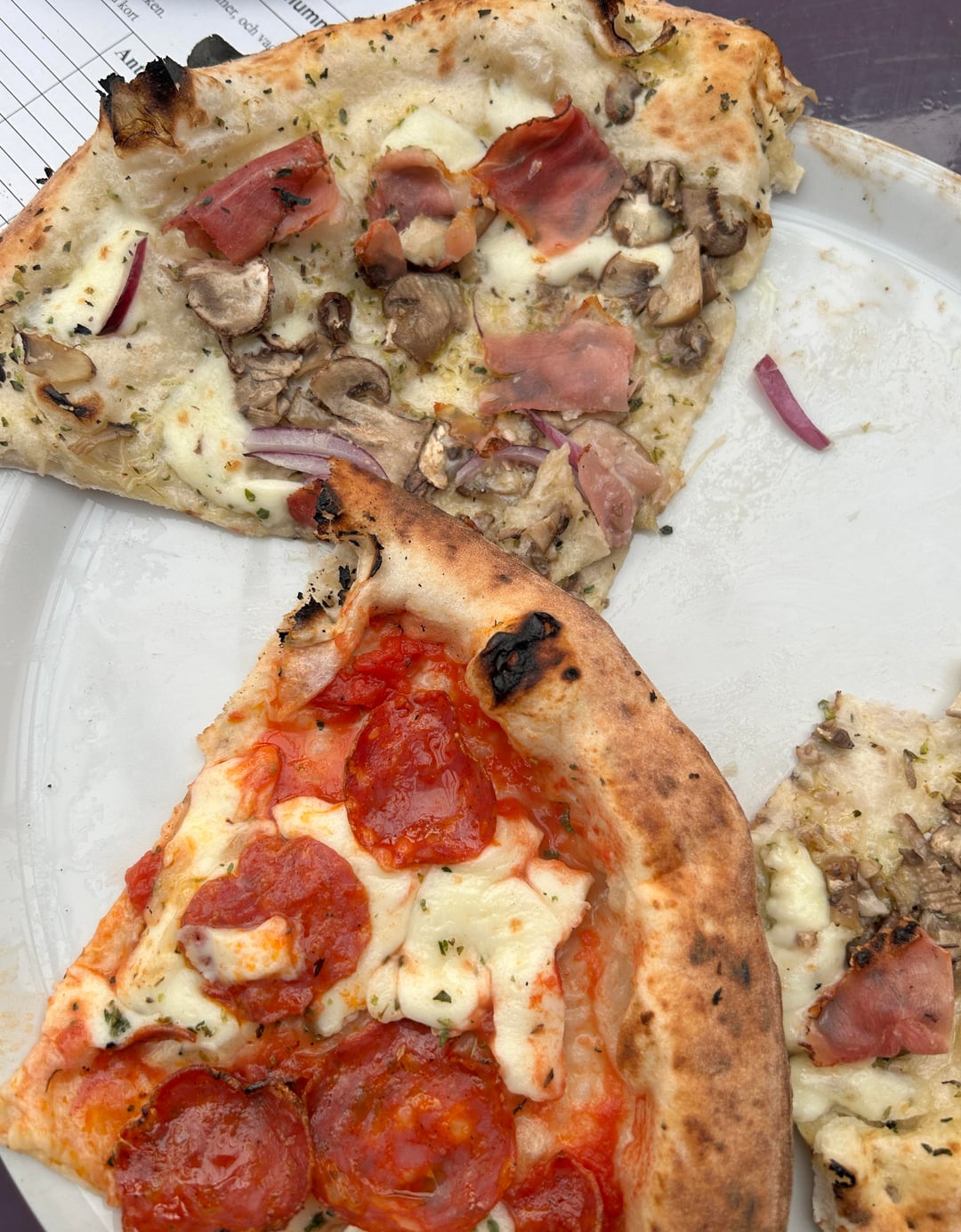
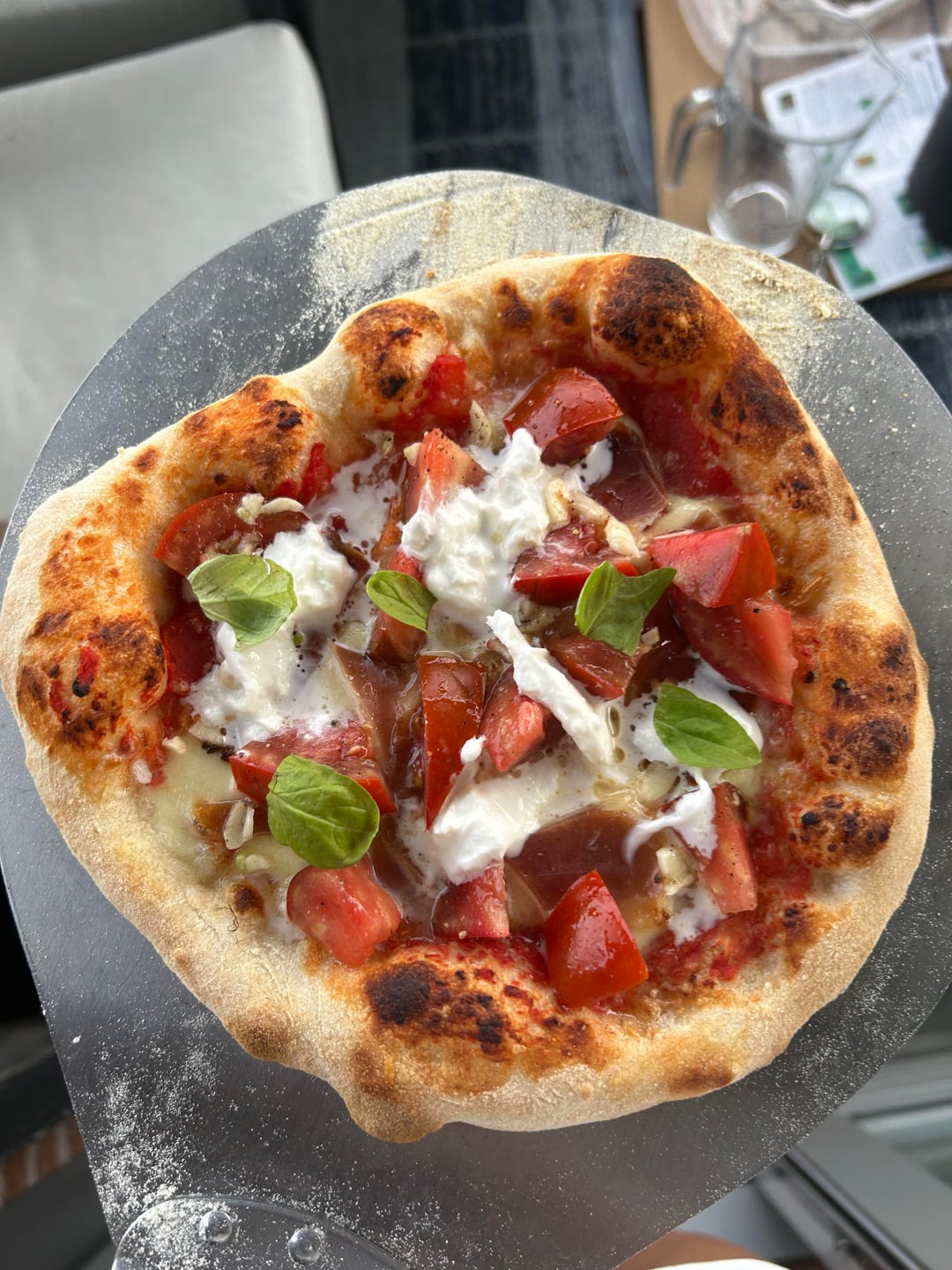
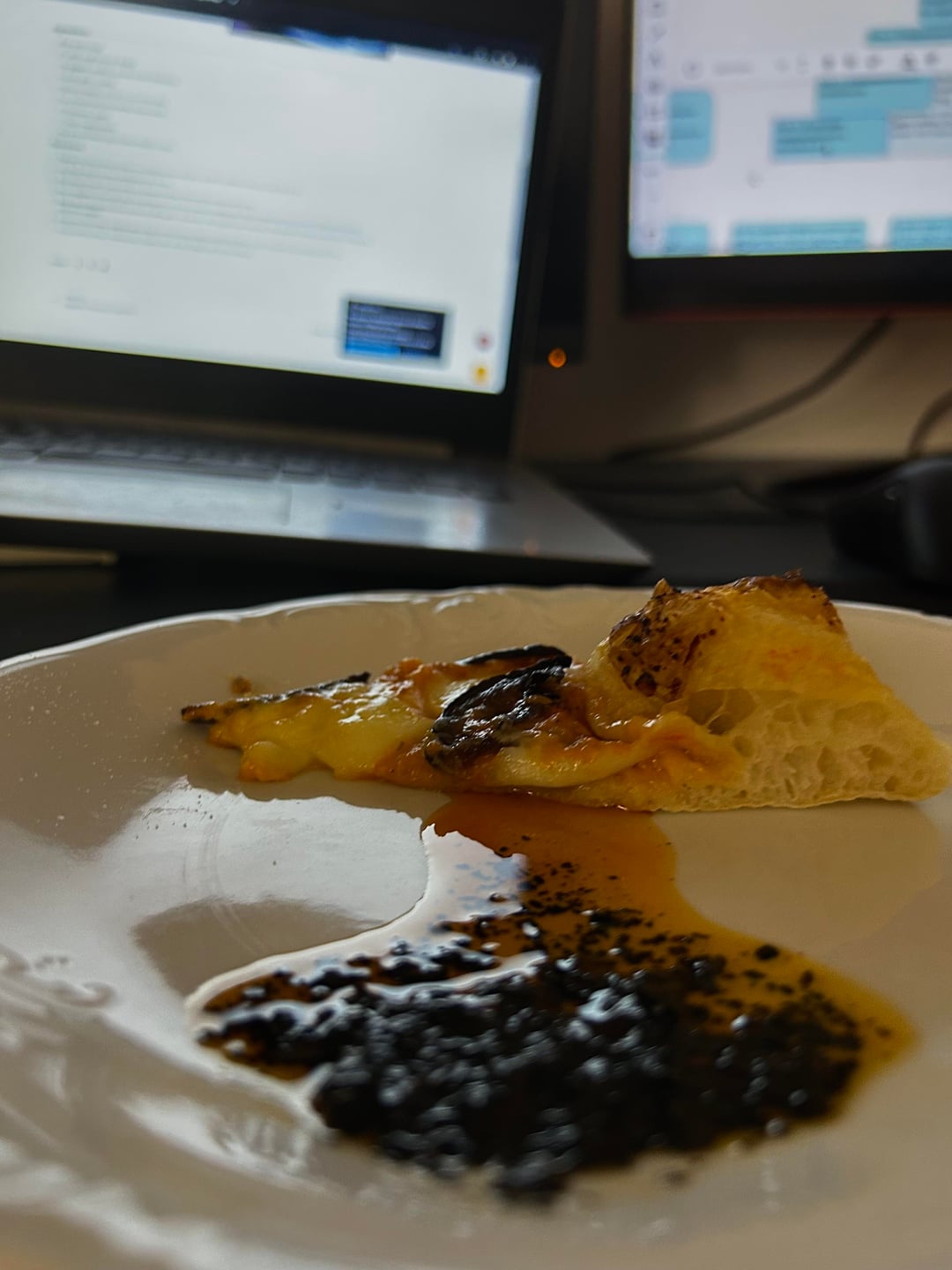

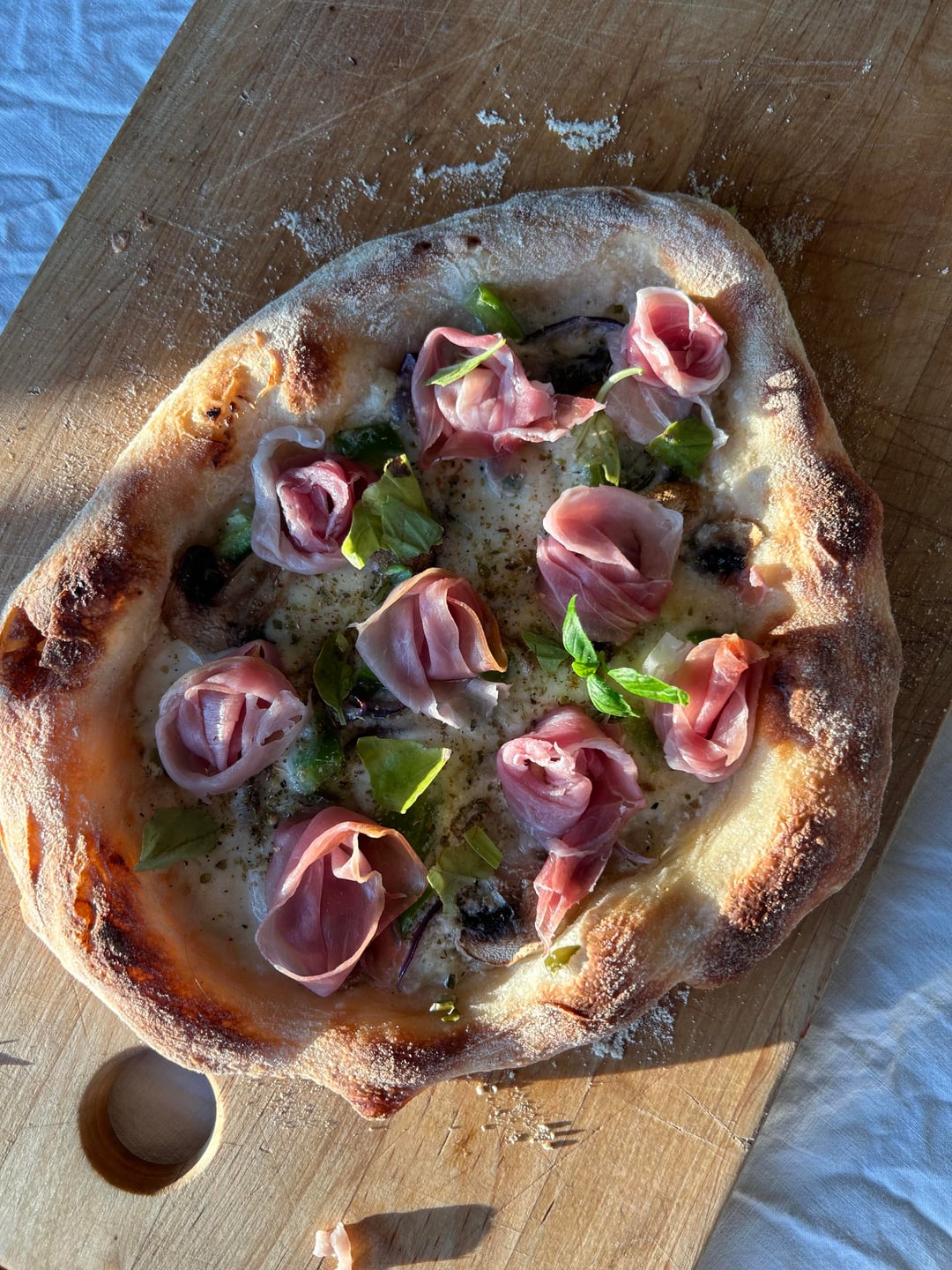
Spent a few years switching recipes and getting inconsistent results. Then I realised there’s basically one base dough — and you can pull it in completely different directions just by adjusting hydration, fermentation time, and baking technique.
by Beautiful-Molasses55
8 Comments
Yeah that’s true but pizza has requires a lot of skills you won’t learn in recipes like proper kneading or temperature management.
I don’t understand what you are trying to say is your revelation here. Fermentation time, hydration and baking technique is some of the elements you can adjust yes.
Feel the dough. Be the dough. Eventually you just know when its right
For a long time I was following neapolitan dough recipes while trying to bake NY style pizzas.
I use AI often and it’s just not the best advice as many of you might know. Asking it if it’s fermented correctly, asking it to adjust recipes, and overall accuracy of the finished pizzas. I found myself trying about 6 different recipes with IDY or sourdough and honestly the best advice has been the Ooni app to dial in a recipe that I plan to use going forward.
I’m happy you’re happy, but you still have some heat issues. Oven?
The funny thing is that you can use this method to create both a very fluffy texture and a crispy one
Flour: Caputo Pizzeria or bread flour 11%+
Water: 65–72% (higher hydration = more airy crust)
Honey: 1%
Olive oil: 2%
Salt: 2.5%
Yeast: 0.1% (i use IDY, if you have fresh, take x3, ADY not recommened)
Young sourdough starter: a little bit (optional)
Process:
Mix 80% of the water with flour, honey, and yeast until no dry flour remains. Rest 30 minutes (autolyse)
Dissolve salt in the remaining water and add it slowly, little by little. The dough will feel sticky and fall apart — that’s normal. Try to bring it together into one piece and leave it for another 30 minutes. It will come together on its own. Then knead for about 5 minutes until smooth.
Leave to relax for about an hour in a clear bowl . During this time do one lamination or two stretch-and-folds to build gluten strength.
The dough should reach room temperature — 22–24°C (72–75°F) — and you’ll start seeing air bubbles at the bottom. That means the yeast is active. You don’t want it to rise in volume at this stage. Refrigerate for 24 hours.
Take it out and shape into balls and put to clear containers to see how it is growing through them. If it rose in the fridge, gently deflate it. Wait until the balls double in volume.
Meanwhile, preheat your baking steel about 6 inches (15 cm) from the broiler (1-2 hours). Shape your pizza. If the dough feels sticky, pop it in the freezer for 10 minutes.
Baking: for a crispy crust — convection first, then switch to broiler. For a Neapolitan-style — straight under the broiler until golden brown.
Great you are happy but you should still read advice on cooking/temperature and dough stretching.
Enjoy your pizzas!