
Reviewed by Dietitian Jessica Ball, M.S., RD
Credit: Photographer: Jen Causey. EatingWell Design.
Key Points
A Mediterranean diet may help reduce inflammation and support immune health.
Foods like olive oil, fatty fish, leafy greens, legumes and nuts benefit brain and nerve health.
Pairing a nutrient-rich diet with comprehensive medical care supports MS symptom management.
Multiple sclerosis (MS) is a chronic autoimmune disease that affects the central nervous system, including the brain and spinal cord. With MS, the immune system mistakenly attacks the protective coating around nerve fibers, which disrupts communication between the brain and the rest of the body. While your genetics and age cannot be changed, other lifestyle factors like diet and physical activity can have a big impact on managing MS symptoms.
Nutrition is one area MS researchers are focusing on because it may affect inflammation, oxidative stress and energy levels, thereby helping those with MS manage symptoms. “Inflammation and oxidative stress are both involved in nerve damage,” explains Kezia Joy, M.D. “A diet that includes foods high in antioxidants, fiber and healthy fats may support an individual’s immune balance.” One eating pattern researchers are studying for its potential benefits in MS is the Mediterranean diet, which includes foods rich in healthy fats, fiber, protein and antioxidants.
Here are five Mediterranean-diet foods that experts recommend for people living with MS.
1. Extra-Virgin Olive Oil
This Mediterranean-diet staple provides monounsaturated fats and plant compounds that may help reduce inflammation and manage MS symptoms. “The anti-inflammatory properties of olive oil, combined with its healthy fat content, make it an excellent choice for those with MS to reduce inflammation,” says Joy.
A simple way to use more olive oil is to swap it in for butter when cooking. You can also drizzle it over roasted vegetables, salads or grain bowls.
2. Fatty Fish
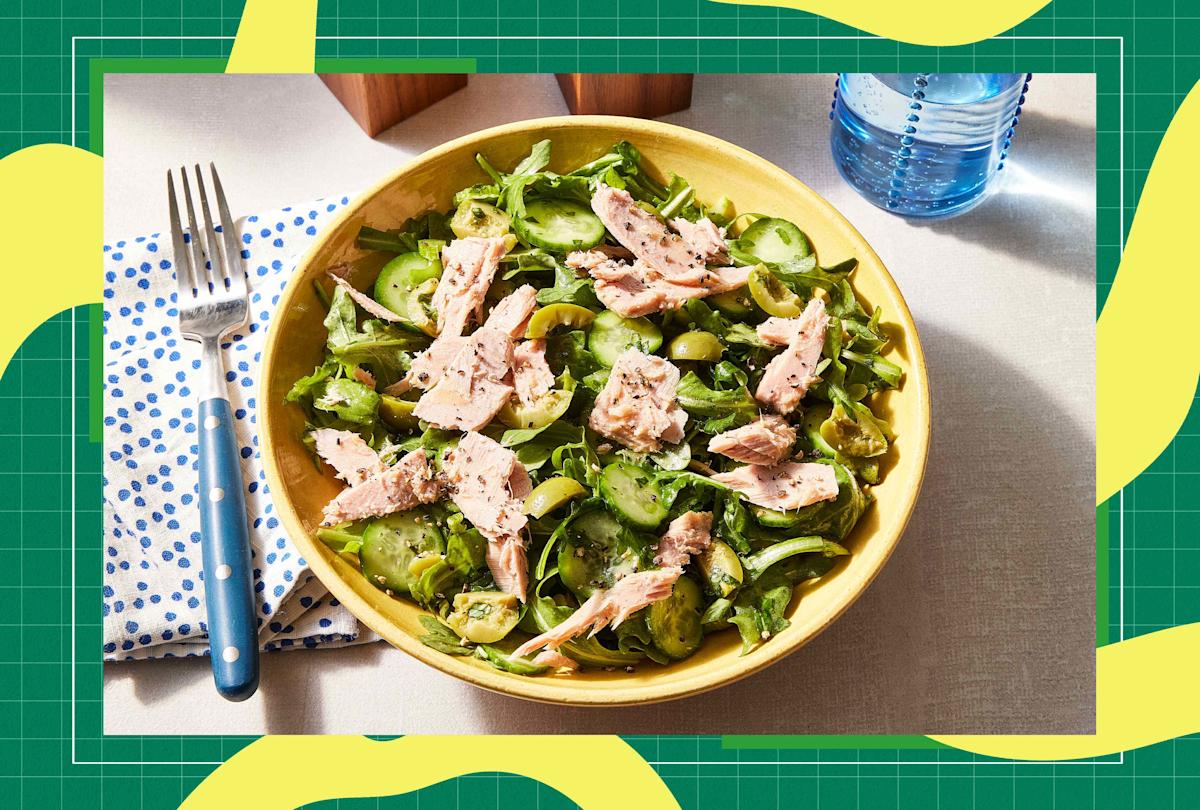
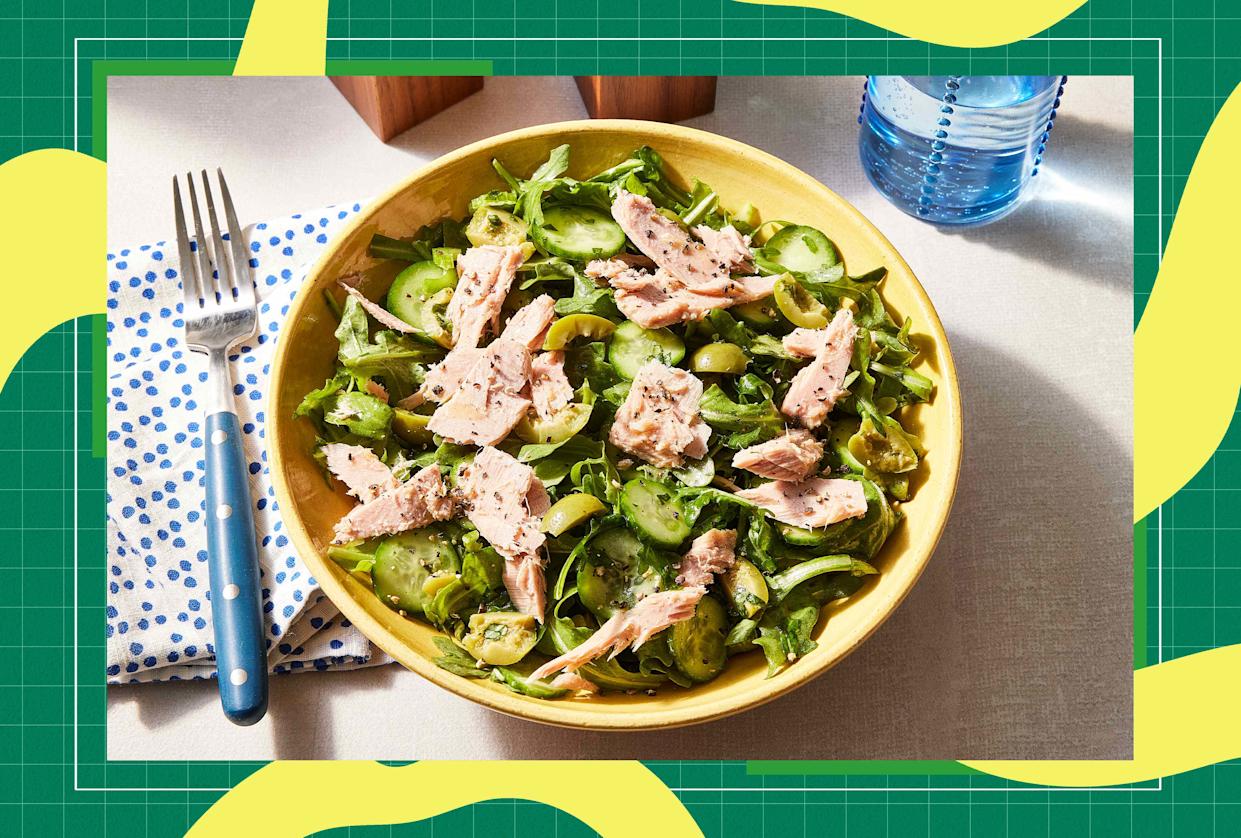
Fatty fish like salmon, tuna, mackerel and sardines are rich in the omega-3 fatty acids, which are well known for their anti-inflammatory benefits and importance for brain and nerve health.
“Research suggests that EPA and DHA omega-3 fatty acids from fish or fish oil supplements may reduce the relapse rate and inflammatory markers and improve the quality of life for those with MS,” says Lauren Harris-Pincus, M.S., RDN.
To add more fatty fish to your routine, try canned salmon or sardines in sandwiches, salads, pasta or bowls.
3. Leafy Greens
Leafy greens like spinach, kale, collard greens, bok choy and Swiss chard are packed with antioxidants and other health-promoting plant compounds. For people with inflammatory conditions like MS, these nutrients may help protect cells from oxidative damage.
If you’re not a salad fan, leafy greens are easy to use in other meals. Add them to soups, eggs, smoothies, grain bowls or pasta dishes for a quick nutrition boost.
4. Legumes
Legumes like beans, lentils and chickpeas are foundational in the Mediterranean diet. Research shows these tiny but mighty foods provide fiber, plant-based protein and slow-digesting carbohydrates that can support steadier energy levels when managing MS symptoms.
“Legumes contain complex carbohydrates that are fermented by bacteria in the colon to produce short-chain fatty acids (SCFA), including butyrate, acetate and propionate,” explains Harris-Pincus. “These nutrients help to lower inflammation, bolster the gut lining and support both immune and brain health.”
To get more legumes in your life, try adding canned beans or lentils to soups, salads, casseroles or pasta dishes.
5. Nuts
Nuts are another Mediterranean diet staple that are nutrient-dense, providing healthy fats, fiber and plant-based protein. They provide unsaturated fats that support heart health, which is crucial since people with MS may have a higher risk of cardiometabolic conditions.
“Nuts can be very beneficial in reducing inflammation and improving overall quality of life,” says Joy. Nuts are also super simple to add to your daily diet. Enjoy a handful as a snack or use them as a topping for yogurt, oatmeal or salads.
Other Tips for Managing Multiple Sclerosis
Nutrition is only one part of the puzzle when it comes to managing multiple sclerosis symptoms. Working with health professionals is essential to ensure your food choices and lifestyle habits are suitable for your medical treatment plan and personal needs.
“Just as regular sleep patterns provide for a more stable level of energy and immune system function, working with a multidisciplinary healthcare team will ensure that your lifestyle choices are compatible with your medical treatments,” says Joy. “This team may include neurologists, registered dietitians, physical therapists and other specialists who can help support symptom management.”
Having family, friends or other caregivers help with daily tasks like meal preparation or transportation to appointments or daily routines can make life easier for those living with MS to maintain healthy habits and manage symptoms over time.
Our Expert Take
A Mediterranean diet eating pattern can be a helpful option for people with MS because it prioritizes foods that support brain and heart health, including olive oil, fatty fish, leafy greens, legumes and nuts. While diet alone won’t cure MS, these foods may help support immune health, reduce inflammation and make it easier to meet daily nutrition needs. Combined with medical care and other healthy lifestyle habits, eating these Mediterranean diet staples can be one part of a broader MS symptom management plan.
Read the original article on EatingWell
Dining and Cooking