
The smoke rising from Babitha Sivadasan’s kitchen in rural Kerala carries a scent that belongs to her grandmother’s era.
“I have started cooking with firewood,” said Babitha, who began rationing her half-empty cooking gas cylinder after failing to secure a refill from her Indian Oil distributor. “The agency hasn’t taken bookings in a week.”
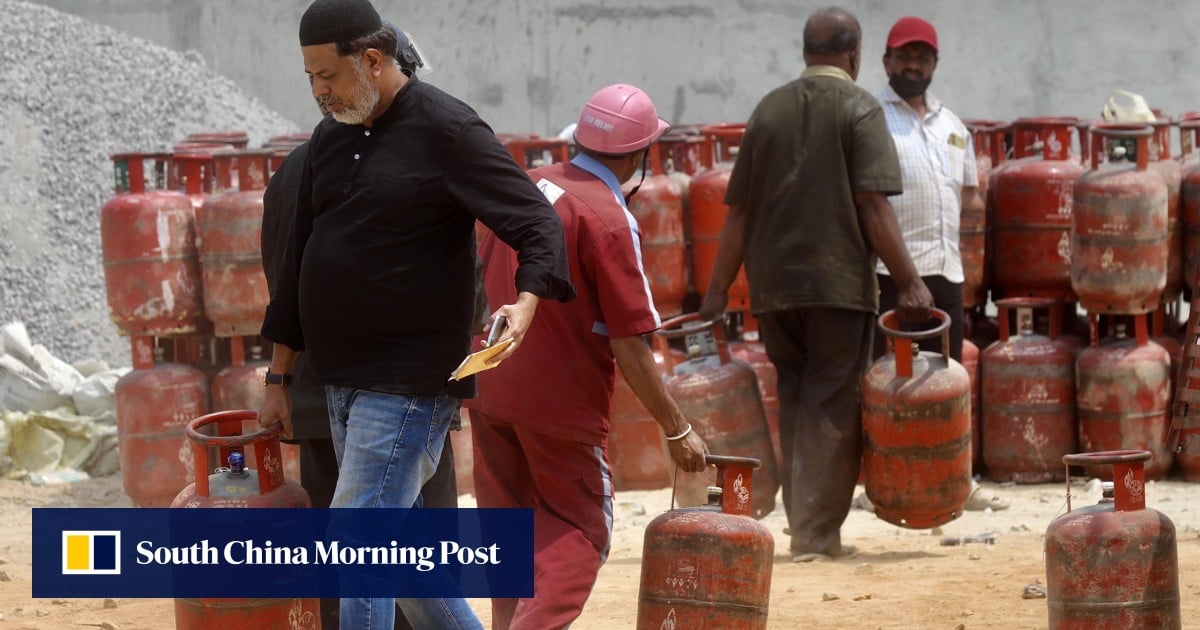
As the Iran war enters the third week and cooking gas becomes scarce amid a conflict-driven supply shock, some Indian homemakers are turning to practices of the past – a stark reminder of how geopolitics can reshape daily life in distant lands.In Thiruvananthapuram’s bustling Chala marketplace, desperation has spilled into crime: a 19kg (42lbs) cooking gas cylinder meant for commercial use was stolen from a hotel in broad daylight. What began as a supply hiccup has escalated into panic buying, hoarding and theft in India, the world’s second-largest LPG buyer.
India, which imports most of its oil and depends on the Strait of Hormuz for nearly half its shipments, is among the hardest hit by Middle East volatility. Having scaled back Russian crude purchases under US pressure, New Delhi turned back to the Gulf – only to face stalled shipments, soaring costs and a sliding rupee.
Recent US concessions over Russian oil purchase have done little to address India’s immediate shortages: liquefied natural gas and liquefied petroleum gas. With more than 90 per cent of its LPG supplies coming from the Middle East, India’s kitchens remain exposed to all the supply shocks.
Dining and Cooking