
This year sees the 50th anniversary of a tasting that changed the world of fine wine — if not forever, then at least for several lifetimes.
It’s an oft-told story, but these are the salient details: Steven Spurrier, a young Englishman running a wine shop in Paris, set up a “test match” between the wines of California and France. It was a very casual arrangement, though the panellists (mostly French and every one of them “gate-keepers” for the French wine establishment) were consummate wine professionals. They included the editor of the most influential French wine publication, the sommelier of La Tour d’Argent and Aubert de Villaine, proprietor of the Domaine de la Romanée-Conti, the most prestigious estate in Burgundy.
Only two categories were being judged: Bordeaux/cabernet blends and white Burgundy/chardonnay. The former included Chateaux Mouton Rothschild, Leoville Las Cases and Montrose; the latter Batard Montrachet Grand Cru, Puligny Montrachet 1er Cru and Beaune Clos des Mouches 1er Cru. American wines topped both rankings and performed very well, all in all. The French correspondent for Time magazine, George Taber, was the only journalist who accepted Spurrier’s invitation to attend, and he shared the news with the world (no need to guess why).
Mainly due to the hype (in 1976, the year of America’s bicentennial, the news was gold to media in the US) France’s prestige as the sole arbiter of high-end wine was badly dented: over the next decade or two the top wines of the New World came to be seen in sophisticated circles as comparable to the best of the Old World. In short, there was a recalibration. It’s not as if France suddenly fell from grace — it was more a matter of discovering great wine could be produced in many places worldwide.
Just as Neil Armstrong is remembered as the first man to walk on the Moon, and no-one can say with any certainty who else has left footprints on its surface, so the details of other such taste-offs have been lost in the jetsam of stale news. No one really cares whether a Kiwi sauvignon blanc outperforms a top wine from the Loire.
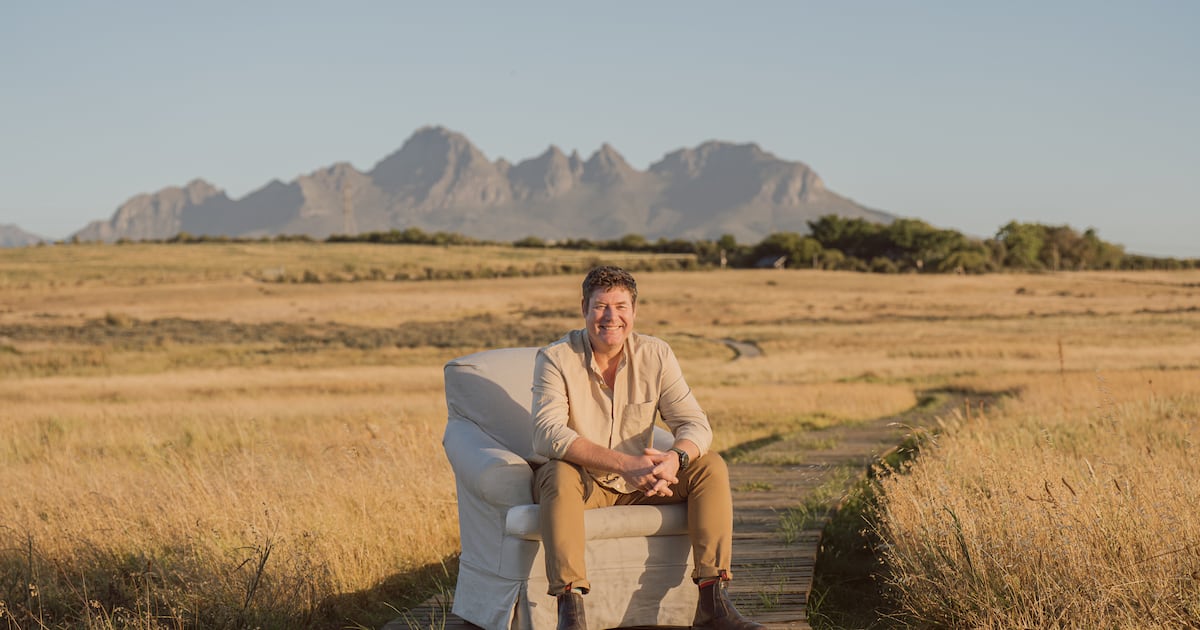
But a snippet of news a few weeks ago made me think that perhaps we have become too blasé about results that, a few decades ago, would have left us mightily astonished. An announcement at the end of Wine Paris included this note: “Johan Jordaan, cellar master at Spier Wines, has been named the Master Chenin Blanc Winemaker for the second consecutive year at the prestigious Master Winemaker 100.”
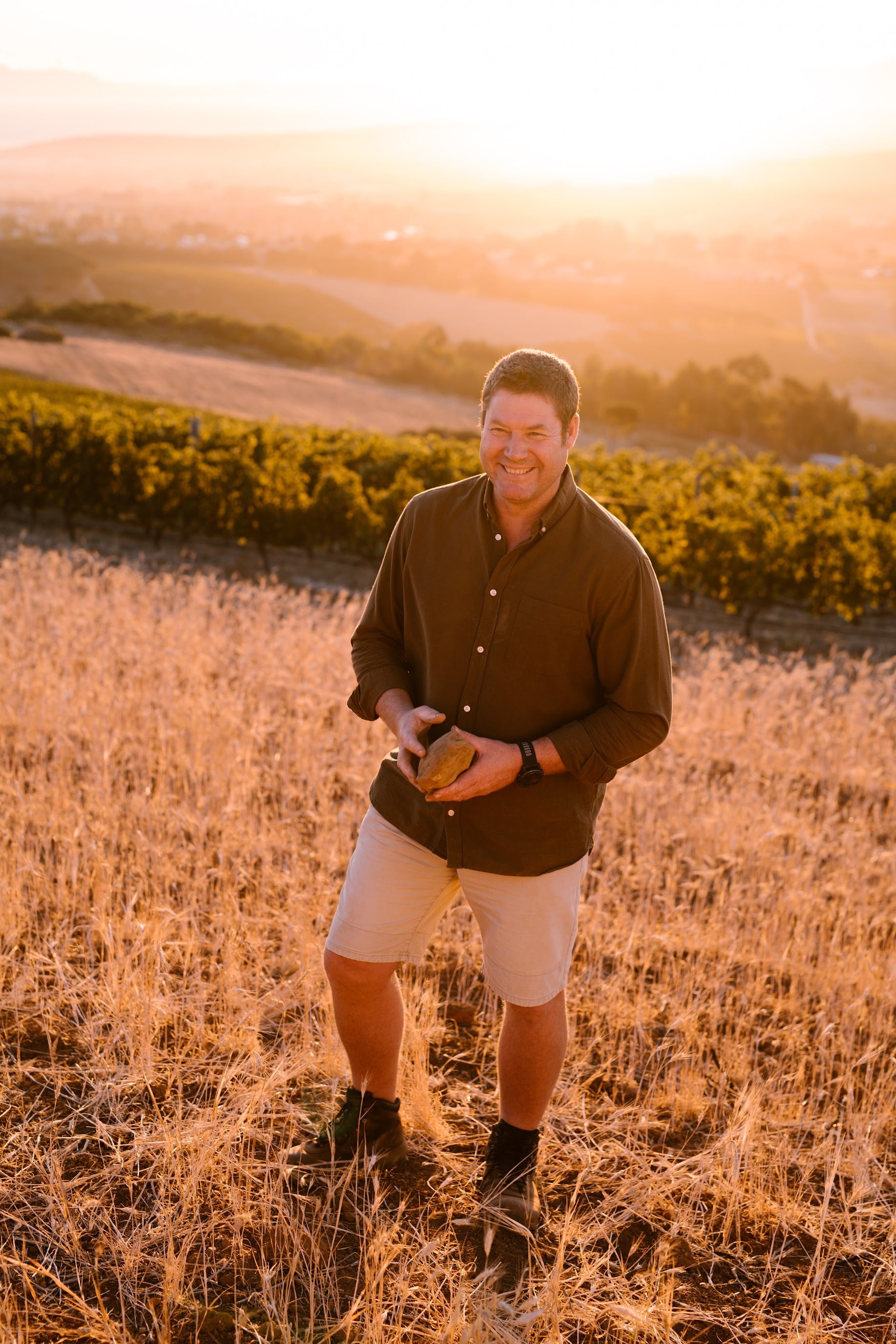 Spier Wines cellar master Johan Jordaan. Picture: (SUPPLIED)
To obtain a result like this, consistency across a range of different varieties and styles and a top score in a particular category is required. Credible panellists judge these standalone, category-specific blind tastings. The wines are submitted from producers worldwide — which, in the case of chenin blanc, includes many from the Loire Valley, France. Twenty or 30 years ago Cape chenin could not have competed in this space, partly because we weren’t making wines of the quality we produce now, partly because the style made by the French would have determined the judging aesthetic.
This is clearly no longer the case: from all the chenin entries received for the 2025 competition, the highest-ranked wines were from the Cape, several made by Jordaan: the 21 Gables 2023 emerged with the highest overall score, while the Seaward 2024 and the Good Natured 2022 won Master awards.
This will never have the same impact as the judgment of Paris tasting, but it indicates a dramatic change in the world of fine wine over a single lifetime. When international judging panels comprising Masters of Wine are open-minded enough to put Cape chenin ahead of the more classically styled French examples, we know that in the 50 years since Spurrier tilted the axis of the fine wine world much more has happened than “mere” climate change.
Dining and Cooking