
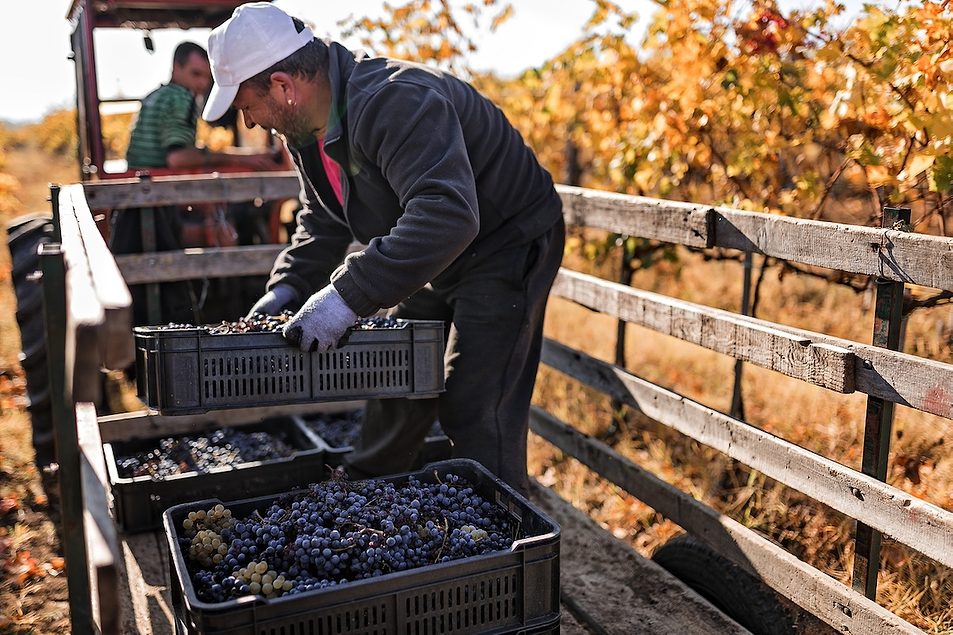
Argentina’s wine industry is facing record low consumption levels, as the country grapples with vineyard closures and widespread changes in consumer drinking habits.
According to data from the National Institute of Viticulture reported on by the Associated Press, Argentina’s annual wine consumption fell to 4.1 gallons per person in 2025, a far cry from the country’s 1970 heyday when it averaged up to 24 gallons a person. This comes as 1,100 vineyards have shut down across Argentina, wiping away more than 8,000 acres of grape production. Argentina’s wine sector also reported its lowest export totals in more than 15 years combined across all trade partners in 2025, recording a 7.2% year-over-year drop in exported wine value, and a 6.8% decline in exported hectoliters of wine.
Speaking to the AP, the Argentine Wine Corp trade group blamed the downturn on a “sharp decline in purchasing power” dating back to 2023, particularly among middle and low income consumers who used to drink wine daily. Today, many have shied away from alcohol consumption altogether, mirroring a similar health-centric trend in the U.S. — Argentina’s single largest export market for wine — where the rate of adults who consume alcohol fell to a 90-year low of 54% in 2025.
“The consecutive declines in Americans’ reported drinking the past few years are unmatched in Gallup’s trend, and coincide with recent research indicating that any level of alcohol consumption may negatively affect health,” Gallup said in an August 2025 blog post.
Producers say that when Argentinians are choosing to drink wine, younger consumers are increasingly gravitating toward lighter styles such as whites and rosés, despite the country’s status as a world-class producer of red Malbecs. That shift has pushed wineries to rethink traditional heavier wine profiles, and experiment with fresher, more approachable styles, representing a heavy lift from a cost perspective for businesses that are already struggling to stay afloat.
Dining and Cooking