
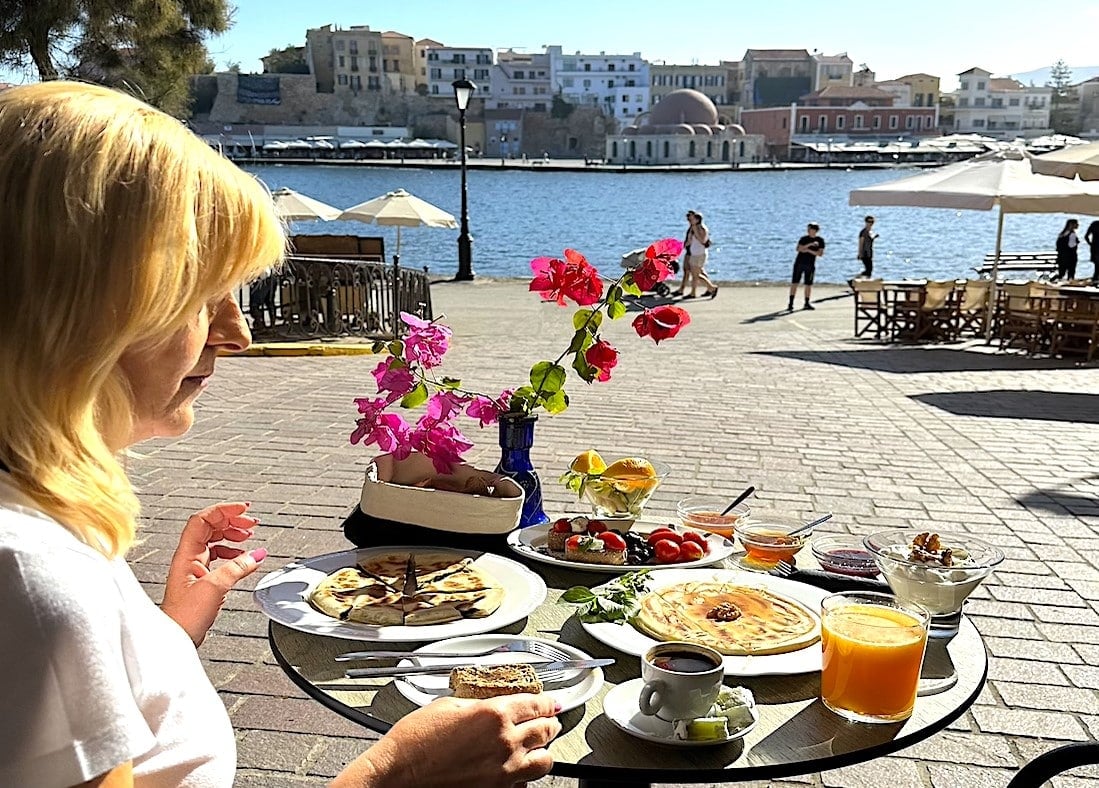
 The Cretan diet is widely considered the gold standard of the Mediterranean lifestyle. Credit: Greek Reporter
The Cretan diet and the healthy Mediterranean lifestyle are set to be the focus of a special presentation at Penn State University on Monday, March 23, 2026. The keynote speaker, Dimitris Kalaitzidakis, Group Operations Director of Grecotel, will lead the event titled “The Healthy Cretan Lifestyle.”
The presentation will be open to Penn State students and will include an olive oil tasting session. The visit aims to highlight the Cretan diet as a global blueprint for wellness and longevity, fostering academic and administrative connections with the School of Hospitality Management and the Department of Nutritional Sciences.
This initiative follows a high-level success at Harvard University, where a collaborative event brought together leaders from Harvard Dining Services, the Greek Center of Excellence, and Grecotel, with support from the Region of Crete.
Notable attendees included Ambassador Simeon Tegos and world-renowned nutrition experts Professors Frank Hu and Walter Willett. The Harvard event culminated in an exclusive dinner at the Science and Engineering Complex, where Grecotel Executive Chef Manthos Nesfigye shared the secrets of Cretan culinary arts with Harvard’s executive chefs.
What is the Cretan diet?
The Cretan diet is widely considered the gold standard of the Mediterranean lifestyle, famously brought to global attention by the “Seven Countries Study” in the mid-20th century. Researchers found that residents of Crete had remarkably low rates of heart disease and chronic illness, a phenomenon largely attributed to their traditional eating habits.
Unlike many modern diets, the Cretan approach is not about restriction but about the quality and source of ingredients. It is fundamentally plant-forward, characterized by a high consumption of wild greens (horta), seasonal fruits, legumes, and whole grains.
The “secret ingredient” of the Cretan table is the abundant use of extra virgin olive oil, which serves as the primary source of fat and is consumed in nearly every meal. Protein is traditionally sourced from plant-based origins or small amounts of dairy, such as goat and sheep cheeses and yogurt.
Red meat is reserved for special occasions or religious festivals, while fresh fish and poultry are eaten in moderation. This balance creates a nutritional profile rich in monounsaturated fats, antioxidants, and fiber—a combination that has been scientifically linked the Cretan lifestyle to exceptional longevity and well-being.
Related: The Crete Model: Growing Olive Oil Tourism in Greece
Dining and Cooking