
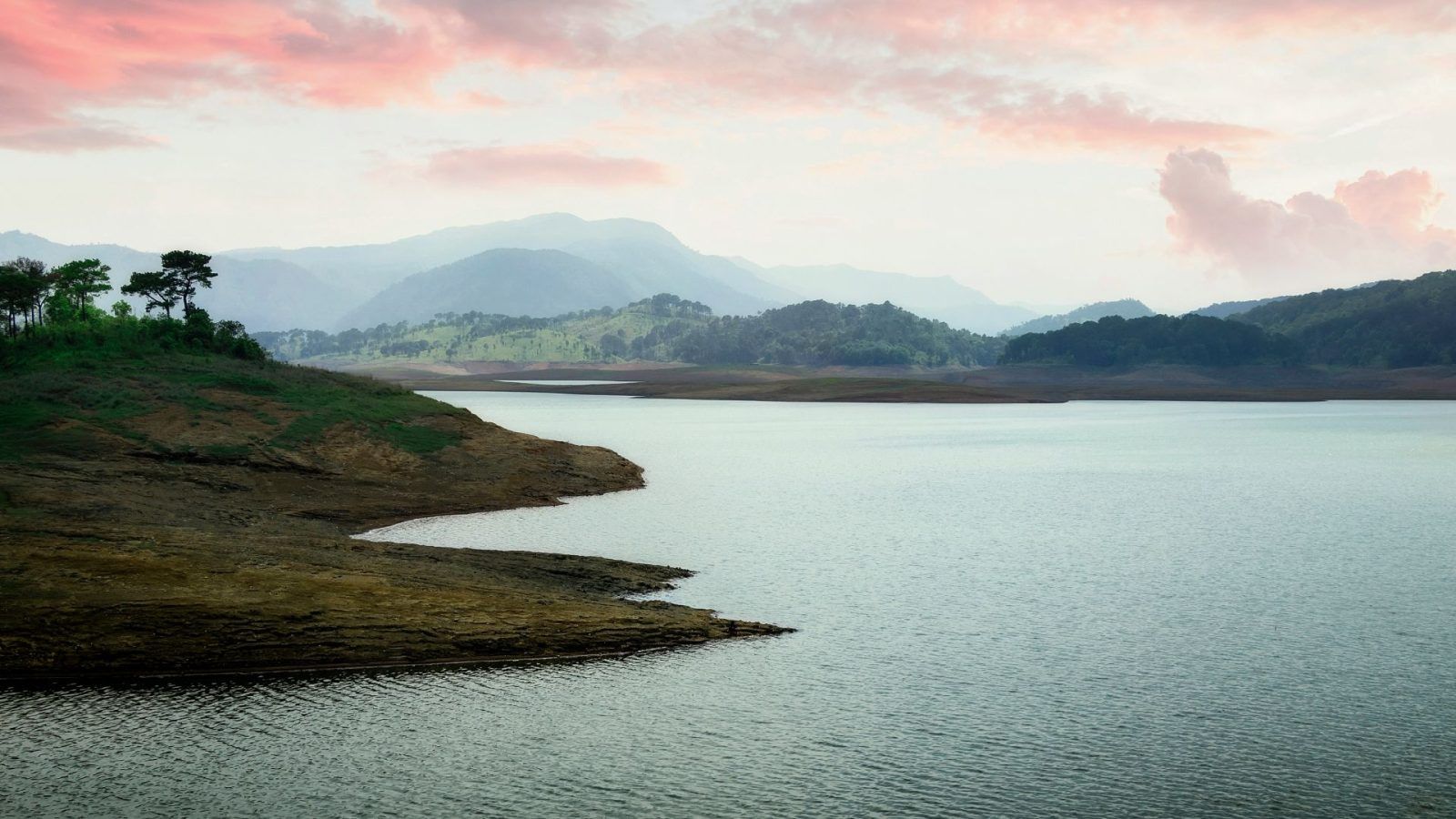
Shillong’s landscapes don’t replicate those of Italy, but they create a similar emotional tempo (Photo Credit: Pexels)
For years, my idea of an Italian summer lived along the shores of Lake Garda. Not in the obvious ways—in villas or aperitivo hours—but in the quiet choreography of daily life in places I visited with family for years. Reading on the pebbled shores of Gargnano, marvelling at the orange trees lining every street in Salo, and gorging on calzones in Riva. Mornings began with still water and soft light, sometimes followed by an early swim before the day warmed. Afternoons stretched easy. Meals arrived without ceremony—simple pastas, lake fish, tomatoes that tasted impossibly alive. Evenings came softly, shaped by conversation rather than agenda.
Lago di Garda is often described as the laid-back alternative to Como, but that undersells it. What makes it compelling isn’t just its scenery, but the way its culinary culture shapes the experience of being there. Michelin-starred innovation exists alongside time-honoured family-run trattorias, defining a destination where atmosphere and appetite are inseparable. Days are structured not by sightseeing but by appetite and light—dipping in the water when you feel like it, a long meal that turns into an afternoon, a walk that leads nowhere in particular. The romance lies in the rhythm.
A Newfound Italy In India
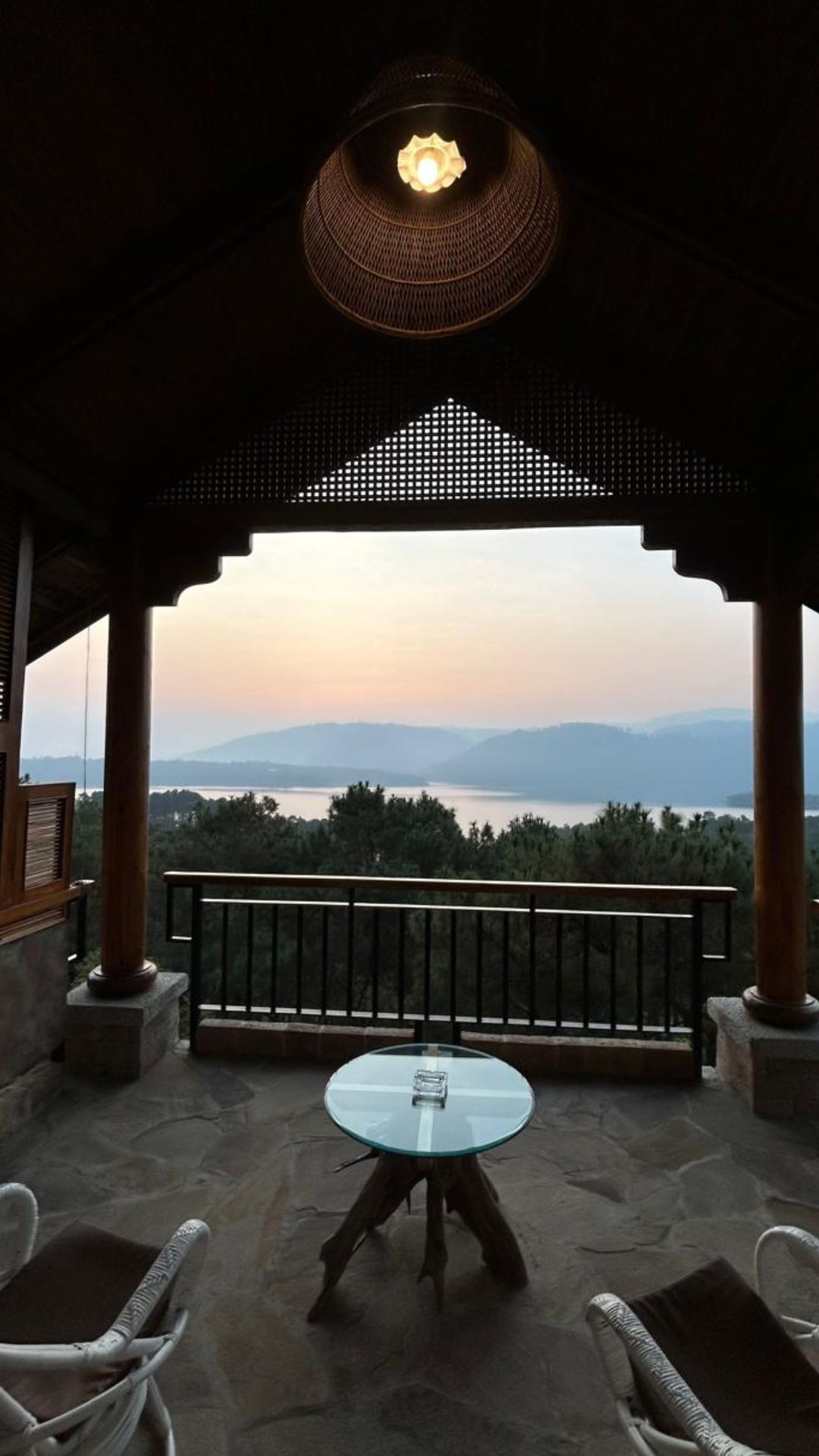
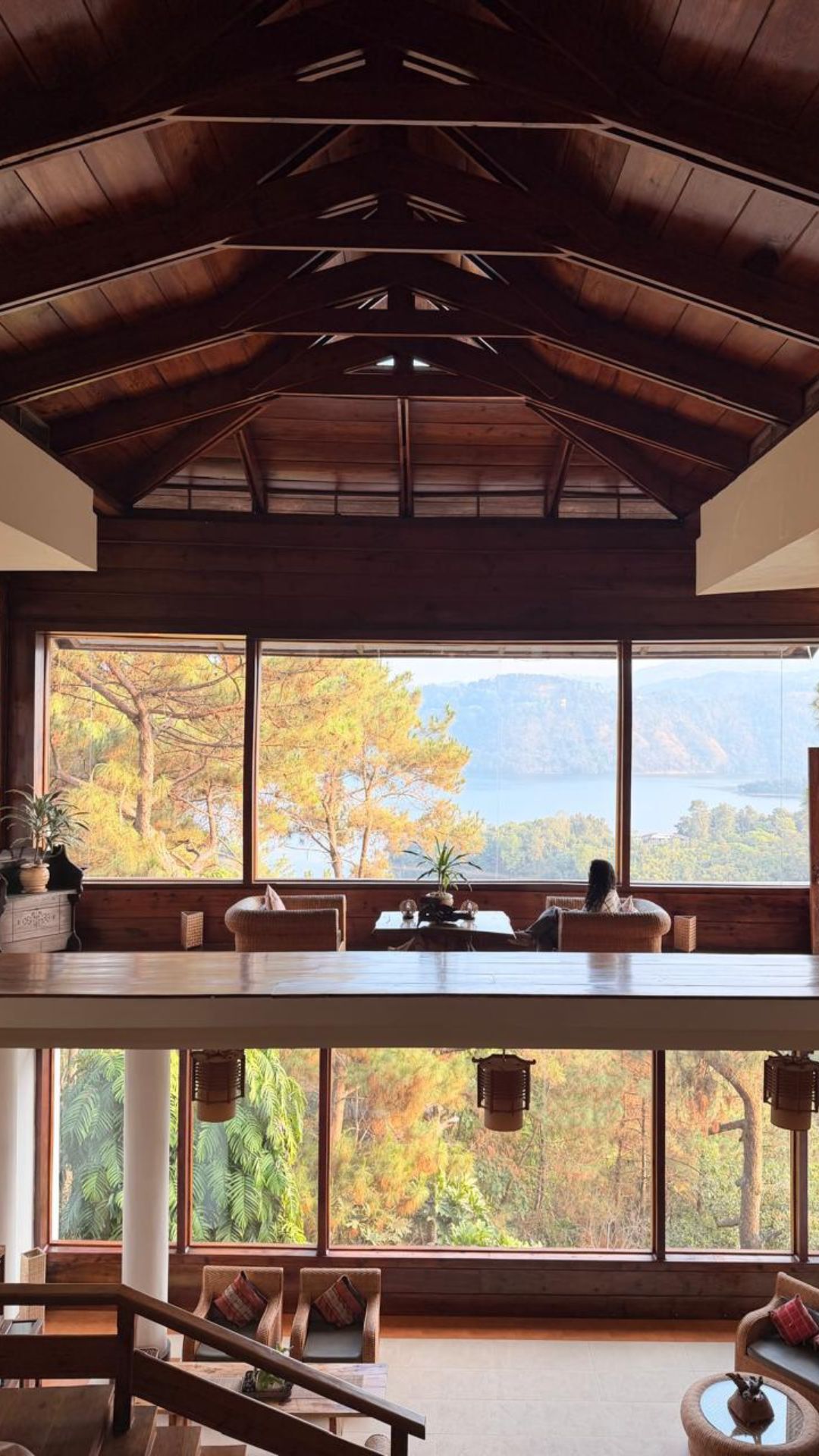 At Ry Kynjai, staff spoke about the changing moods of the lake, the way families around Garda talk about the wind or water levels—with affection and attention (Photo Credit: Bani Sachar)
For a long time, I believed that rhythm could be found exclusively in northern Italy. That was until I arrived in Shillong earlier this year. I was instantly taken in by the vast expanse of Umiam Lake just outside the city, a landscape that felt quietly cinematic, its beauty revealed in passing moments rather than spectacle. My first glimpse of it was from my treehouse at Ry Kynjai. Umiam unfolded in layers of mist and muted light. The hills softened into silhouettes, the water holding a stillness that felt deeply familiar. Not because it resembled Garda visually, but because it evoked the same sense of pause—the feeling that time had loosened its grip.
The similarities appeared gradually. Pine-covered slopes and winding roads curving around the lake echoed drives along Garda’s quieter edges. Little stalls selling fruit and roasted corn invited people to pause rather than rush. Women in checked jainkyrshahs chatted by the roadside. Drivers slowed to exchange a few words, the kind of small, familiar interaction that made the landscape feel lived in rather than simply admired. At Ry Kynjai, staff spoke about the changing moods of the lake, the way families around Garda talk about the wind or water levels—with affection and attention. Mornings in Shillong were slow. Watching the lake shift under changing light became an activity in itself. Walks felt less like exercise and more like immersion—into mist, into silence, into a landscape that rewarded stillness. Shillong’s landscapes don’t replicate those of Italy, but they create a similar emotional tempo.
Dining Like You Are In Italy
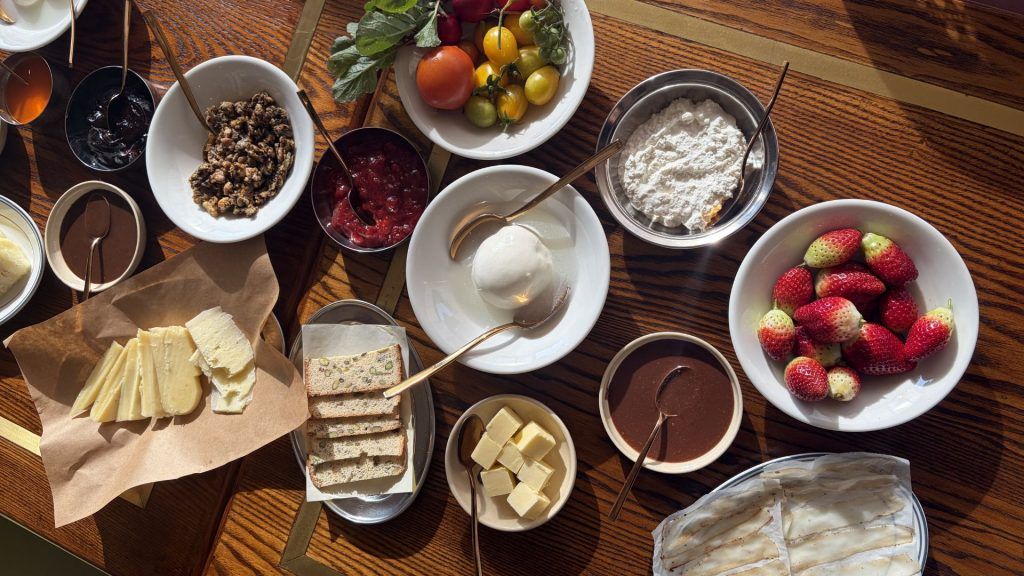 At Nonna Mei, chef Niyati Rao’s Italian restaurant in Shillong, the relationship between land and plate becomes tangible (Photo Credit: Chef Niyati Rao)
At Nonna Mei, chef Niyati Rao’s Italian restaurant in Shillong, the relationship between land and plate becomes tangible. “Opening Nonna Mei in Shillong was never about transporting Italy into the hills,” Rao tells me. “It was about allowing Italy to converse with the similarities of the hills, in philosophy and principles.” Italian cooking, she explains, is fundamentally produce-driven—an instinct Meghalaya’s own culinary traditions share. “Frankly, I have never come across ingredients this fresh anywhere else in the country.”
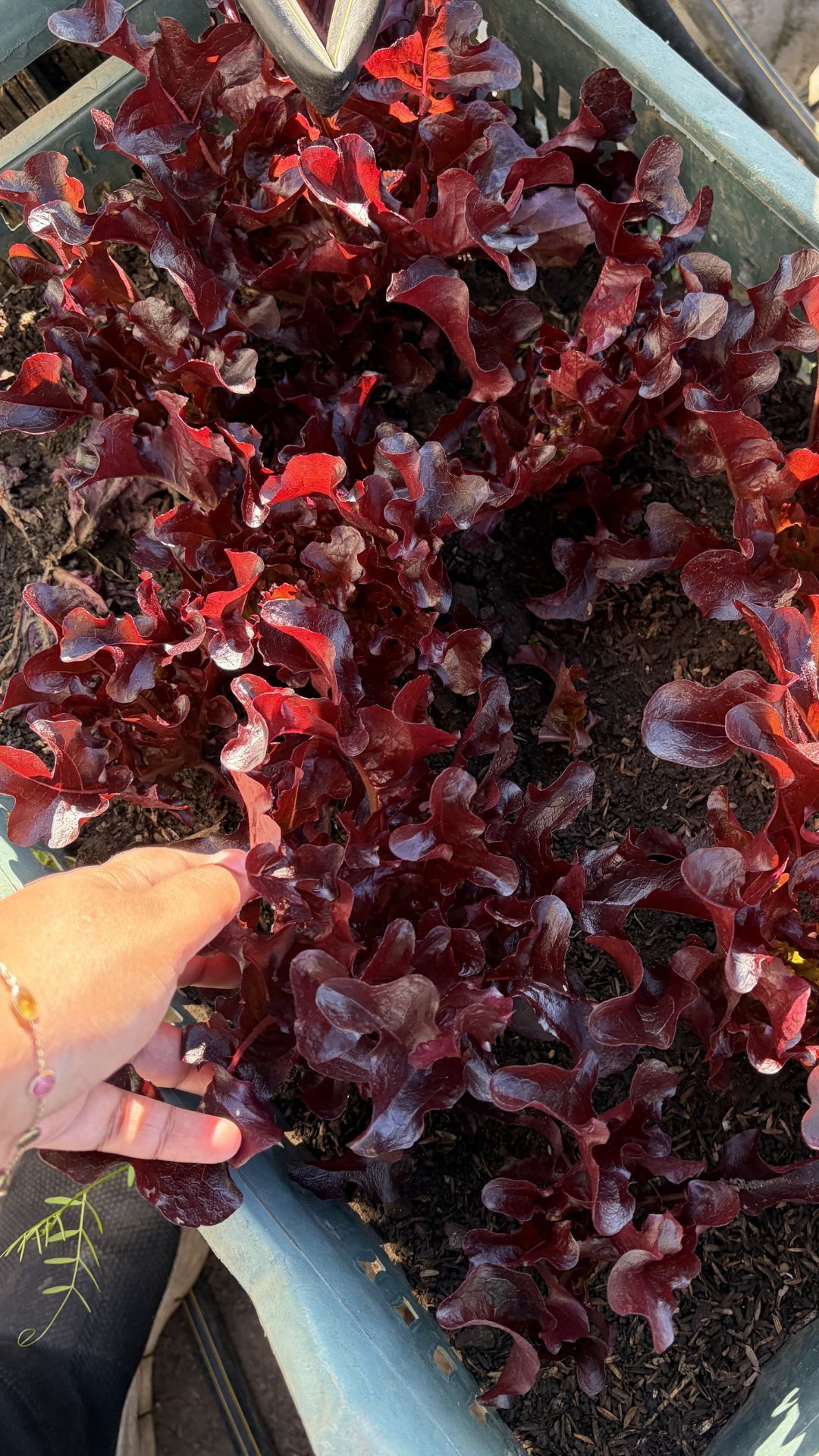 In Shillong, Rao builds her menu around terrace-grown herbs, sweet tomatoes shaped by Meghalaya’s “magic soil,” and dairy that behaves differently in the hill climate (Photo Credit: Chef Niyati Rao)
In Garda, meals were shaped by what grew nearby. In Shillong, Rao builds her menu around terrace-grown herbs, sweet tomatoes shaped by Meghalaya’s “magic soil,” and dairy that behaves differently in the hill climate. “Simplicity, restraint, and respect for ingredients are the cornerstones of Meghalayan cuisine as well,” she notes. Dining at Nonna Mei feels less like fusion and more like translation. A sourdough basket arrives warm and fragrant. A caprese celebrates the tomato rather than technique. Local ferments quietly echo Italian preservation traditions. Each dish feels rooted in the place you’re in, even as its structure speaks another culinary language. The philosophy is simple: technique travels, ingredients stay rooted. “If an Italian nonna lived in Meghalaya, what would she cook?” Rao says. “I cooked that.” The romance of an Italian summer, she adds, “isn’t about extravagance—it’s about time.”
Finding Quiet Walks And Water
 Others who have moved between northern Italy and India’s Northeast recognise this similarity—not in appearance, but in atmosphere (Photo Credit: Bani Sachar)
That idea resonates deeply in Shillong, where meals unfold without urgency, and the pace of life allows you to notice flavour, weather, and mood. Others who have moved between northern Italy and India’s Northeast recognise this similarity—not in appearance, but in atmosphere. For Krishan Anand, founder of Secret Ski Party, the connection lies in movement. “Italian lake promenades shaded by old trees always take me back to Shillong’s quiet roads,” he says. “Walkable, romantic, slightly nostalgic.” Marketing manager Minal Khushalani had a similar realisation while travelling through the Northeast. “It made me realise that what I associate with an ‘Italian summer’ isn’t architecture or landmarks,” she says. “It’s that sense of slowness and quiet romance.” Fashion and lifestyle editor Praachi Raniwala, who has travelled across both countries, offers a broader perspective. “The charm was actually being there—in the light, the landscapes, the food, the sense of place,” she says. Both cultures, she notes, celebrate community and food with pride.
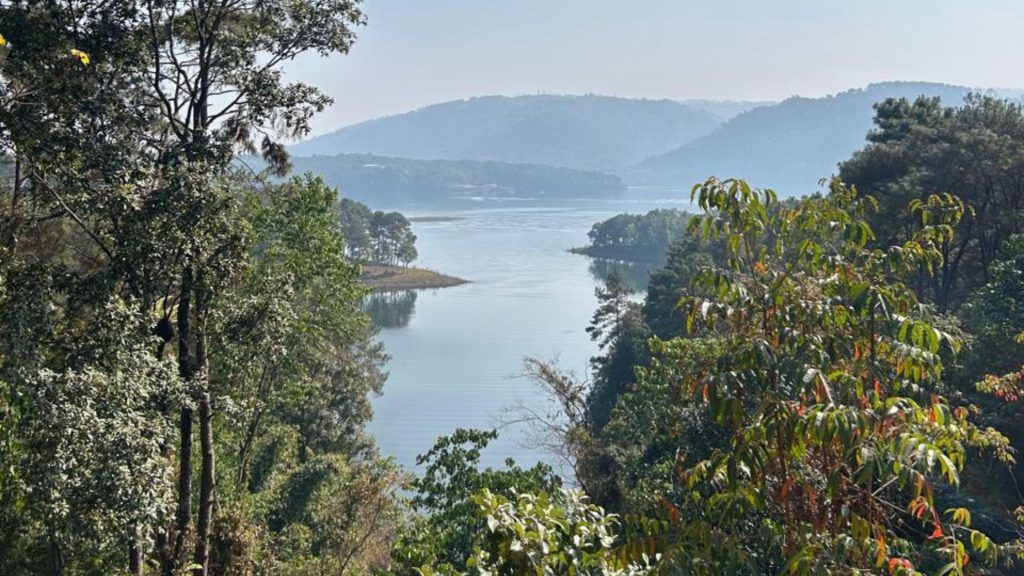 Standing by Umiam’s edge once again, it became clear that what I had loved in Garda was never confined to geography. It was a rhythm (Photo Credit: Bani Sachar)
Beyond landscapes and food, it was the people who made the parallels feel unexpectedly personal. One afternoon by Umiam Lake, I fell into conversation with a local who had grown up nearby and spoke about the lake with easy familiarity—how the light shifts across it through the day and when the water feels calmest. The exchange reminded me of conversations in small towns around Lake Garda, where locals speak about the lake almost as if it were a living presence. It was the same quiet warmth I associate with northern Italy. In Italy, strangers greet you with a quick “Ciao” as you pass them on the street. In Meghalaya, the gesture takes a slightly different form—people making deliberate eye contact and offering an easy smile. Standing by Umiam’s edge once again, it became clear that what I had loved in Garda was never confined to geography. It was a rhythm. A way of swimming before breakfast. Of lingering over meals. Of letting landscapes dictate pace. And that, it turns out, also exists much closer to home.
Related: Where To Go For Misty Hills, Music, And Monoliths: Places To Visit In Shillong
Note:
The information in this article is accurate as of the date of publication.
Share:

Written By

Bani Sachar
Dining and Cooking