
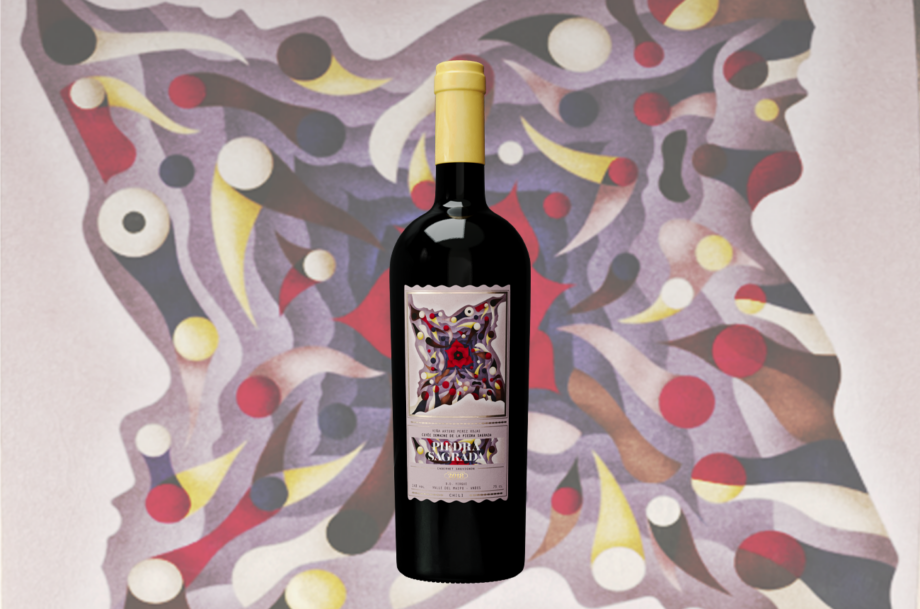
At a time when everything is a curated projection of a fictional self, it’s no wonder that we’re increasingly seeking a true sense of connection and a glimmer of humble authenticity – in wine as in life.
It was a genuine sense of connection – transcending individual narratives and fragile egos – that I experienced when I sat down with Marco António Pérez Ramirez of Piedra Sagrada, to taste through the project’s five vintages released so far.
Upon tasting the wines, amazement and wonder added to the intrigue: it turned out I was about to taste some of the most distinct, characterful – and overlooked – expressions of Cabernet Sauvignon I had ever come across. And certainly one of the most memorable wines of the more than 1,200 I assessed in 2025.
But how did this small, unassuming unicorn come to be? It turns out this is a story about much more than wine.
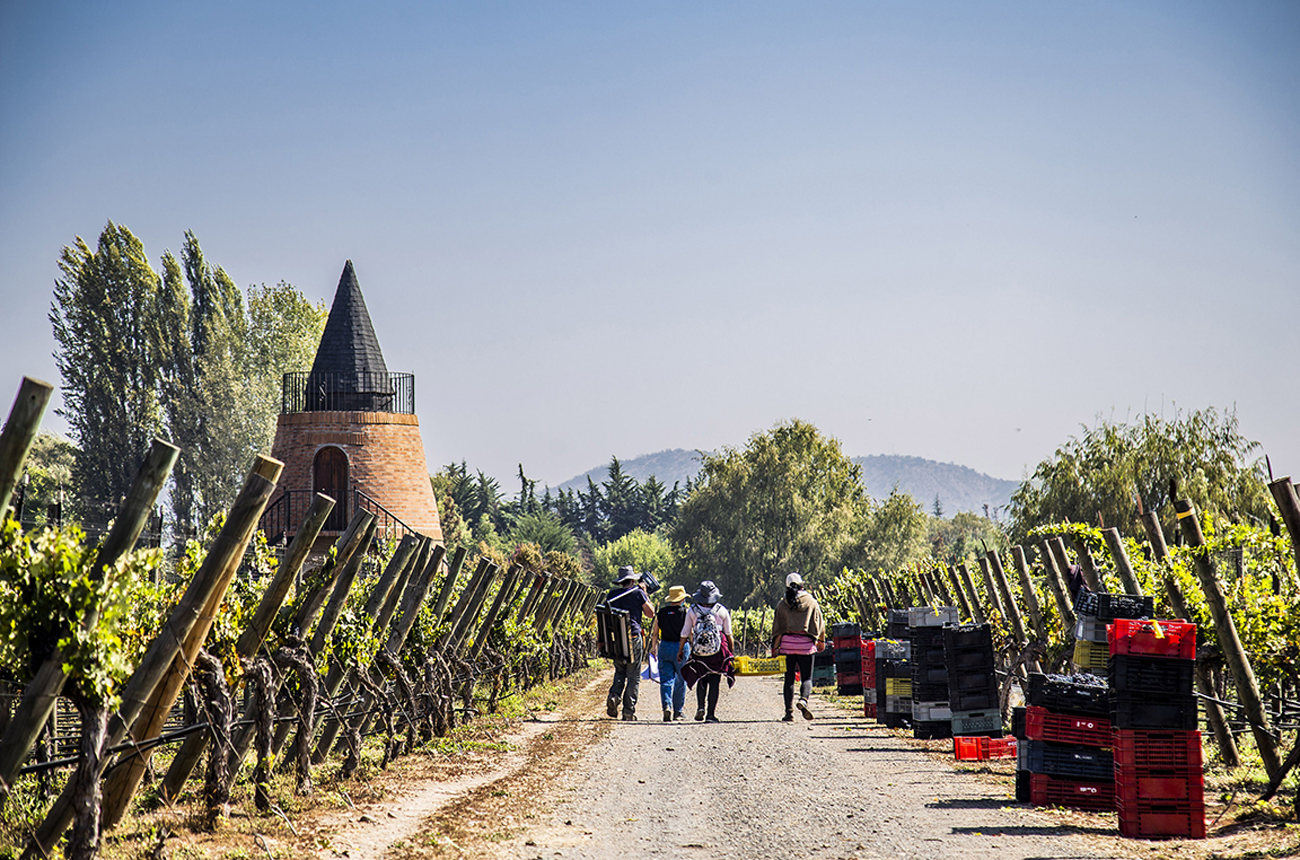
Harvest underway at Viña Arturo Pérez Rojas | Courtesy of the producer
(Image credit: Credit Unknown)
Tragedy and resilience
Piedra Sagrada is the brainchild of Arturo Pérez Rojas, now the name of the 3.8hectare plot the prominent Chilean agricultural engineer and oenologist planted in 2000. Born in Santiago, Pérez Rojas became Chile’s Secretary of State for Viticulture in 1970, a post created by newly-elected president Salvador Allende.
The pair’s hopes to support and transform the country’s wine sector were short lived; in 1973, on a fateful September day, Allende was murdered and a coup d’état placed dictator Augusto Pinochet at the helm of the country. Poet Pablo Neruda would be poisoned 12 days later.
The danger was real and Pérez Rojas, wife Tela and four children – Arturo, Marcela, Lorena and Marco – fled the country. Their exile in France, which the couple hoped would be a brief stint, became a decades-long detour during which Pérez Rojas fought to rebuild something resembling a career.
Some jobs were out of reach because his qualifications were not recognised in France (Pérez Rojas eventually attained new degrees in oenology as well as economy); while he was not considered for others because he was overqualified.
The longing for his home country and his roots and, crucially, his belief in its potential as a fine wine country, remained a constant throughout Pérez Rojas’ turbulent trajectory – a yearning he passed on to his children and, to an extent, shaped their identities growing up in France.
With the end of the millennium approaching, Tela’s sister offered the couple the opportunity to buy a 4.5ha plot in Pirque, 50km south of Santiago, in the Maipo Valley, for them to build a house and retrieve a physical footprint in Chile.
Upon looking at the unassuming plot, Pérez Rojas not only knew that he had to buy it but also that this was the ideal site not for a house but for a vineyard.
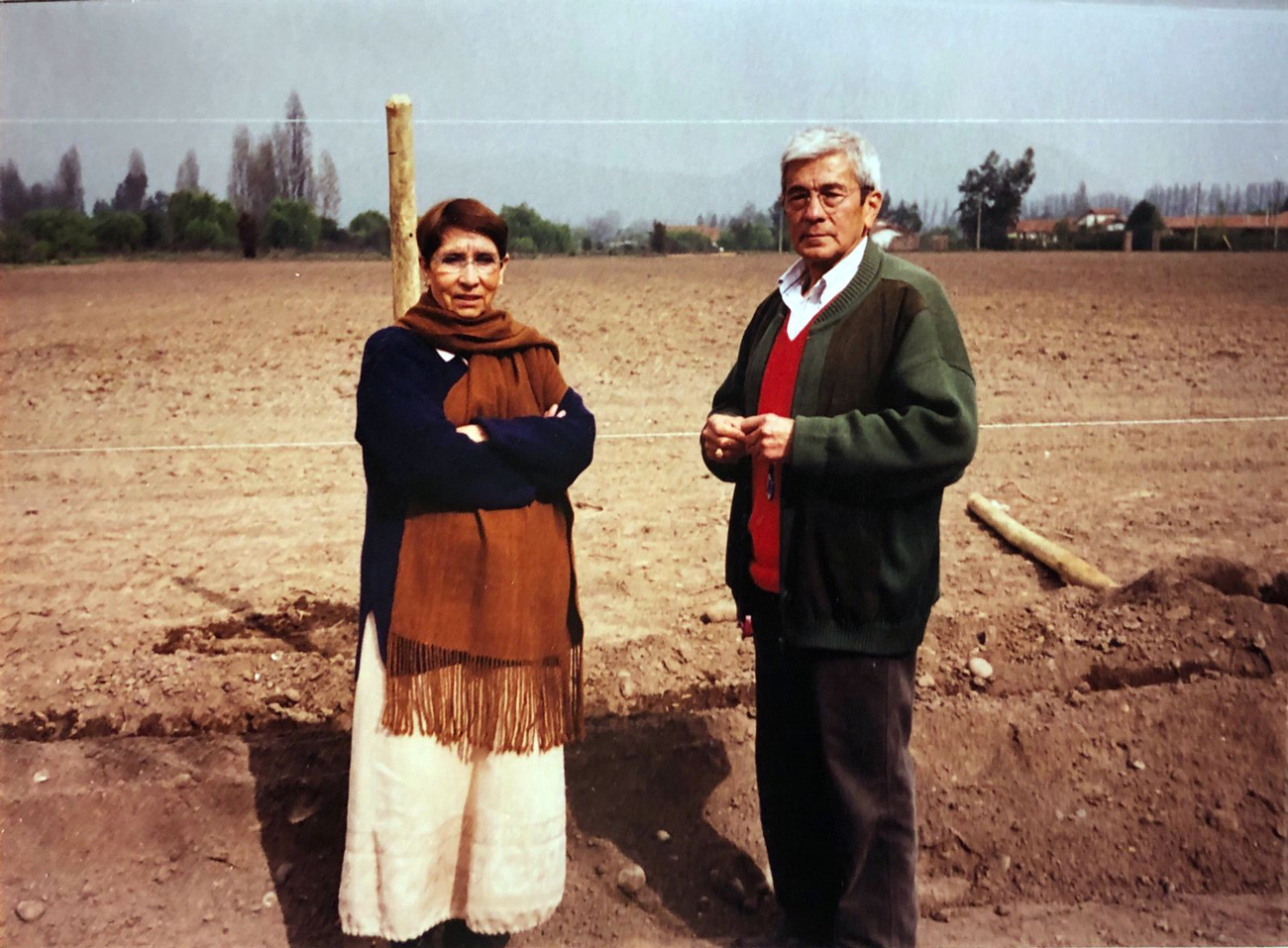
Tela and Arturo Pérez Rojas visiting the site of their future vineyard in 2000 | Courtesy of the family
(Image credit: Credit Unknown)
Conjuring a Grand Cru
Marrying a strong emotional connection to the Chilean wine landscape with painfully proven technical expertise, Pérez Rojas set out to analyse the terroir and define the planting strategy for his vineyard. He settled on a high-density massal selection of Cabernet Sauvignon, planted on its own rootstock.
While planting, an impressive boulder, displaying an ancient face-like carving , emerged – its evocative presence gave the wine its name: Piedra Sagrada, ‘sacred stone’.
The first fruit was harvested in 2005 and – until the production of Piedra Sagrada’s first vintage in 2014 – sold to powerhouse Concha y Toro.
These were years of learning and fine-tuning, during which the vineyard was subdivided into seven plots – according to vine behaviour, maturation cycle and fruit profile – now tended to differently both in the vineyard and in the cellar.
They also consolidated the founder’s belief in the singularity and potential of the site, crystallising the dream of Piedra Sagrada.
Subscribe to Decanter’s South America regional newsletter
Pérez Rojas’ passing in 2013 meant that he could not see his quest come to fruition. His children embraced their duty and emotional commitment to their father’s dream – not least because it was so deeply entwined with the family’s history and identity. Given the opportunity to sell the vineyard they refused.
Arturo, Lorena (both emergency physicians), Marcela (an architect) and Marco (a classical composer), were determined but not equipped to steer the ship.
Marco called upon longtime friend and leading wine consultant Éric Verdier, who promptly agreed to help.
Today, with Verdier consulting and winemaker Sergio Hormazábal Baglietto supervising on site, the siblings endure long haul flights to help with the harvest and oversee projects for Piedra Sagrada’s own winery (having previously relied on rented space) – a gravity-fed facility as their father envisioned.
The origin of Piedra Sagrada weaves the individual and collective histories of a family and of two countries – its name fortunate because it evokes both its terroir (with its own complex lineage of pre-colonial symbolism and post-dicatorship reckoning) and the intersecting, personal mythologies of all those involved.
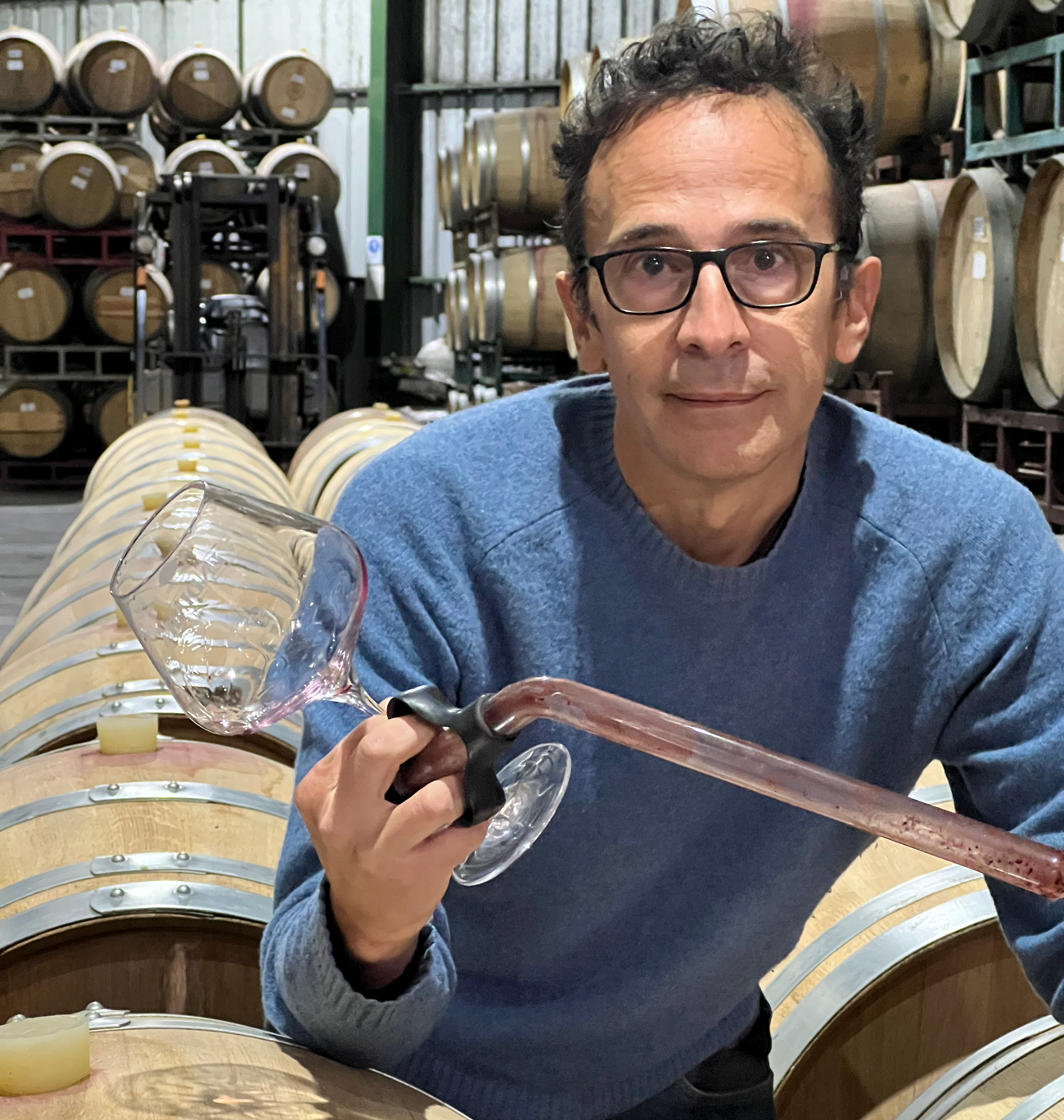
Marco Antonio Pérez Ramirez, the founder’s youngest son. | Courtesy of the producer
(Image credit: Credit Unknown)
A new benchmark
Piedra Sagrada reveals a different, essential take on Cabernet Sauvignon; a new reference point to which I will return when tasting Piedra Sagrada’s counterparts in Chile and beyond. And who are they?
As the tasting notes below highlight there’s incredible structural nuance, an indelible terroir imprint that comes through in a distinctly saline, at times almost metallic edge to the acid backbone and tannins.
It’s clear there’s a relentless commitment to terroir – and to vintage as an extension of terroir expression – which means that winemaking decisions are made in response to the specific character of each year and each micro-plot.
As such, time in wood varies greatly. Overall, however, the approach is light-handed and focused on detail rather than power.
Piedra Sagrada is not a wine for those who seek a stylistic-led approach to winemaking – or indeed brand-building.
It’s safe to say that the making of this wine was as much about finding closure and regaining ownership of a personal and collective trajectory, as it was about establishing a new Chilean ‘Grand Cru’ (which it has undoubtedly become).
Piedra Sagrada’s success legitimises the effort and brilliance of lives derailed by history’s cruel hand.
I’ll finish with words written by Neruda on a letter to Pérez Rojas, dated 31 March 1973, which remains in the possession of his children:
‘La vid y el vino forman uno de los centros vitales de Chile. Veo en esta iniciativa suya […] esta bendición territorial, su cultivo, su trabajo, su arte y su ciencia.’
‘Vines and wine are one of the vital centres of Chile. In your initiative I see […] this territorial blessing, its cultivation, its work, its art and its science.’
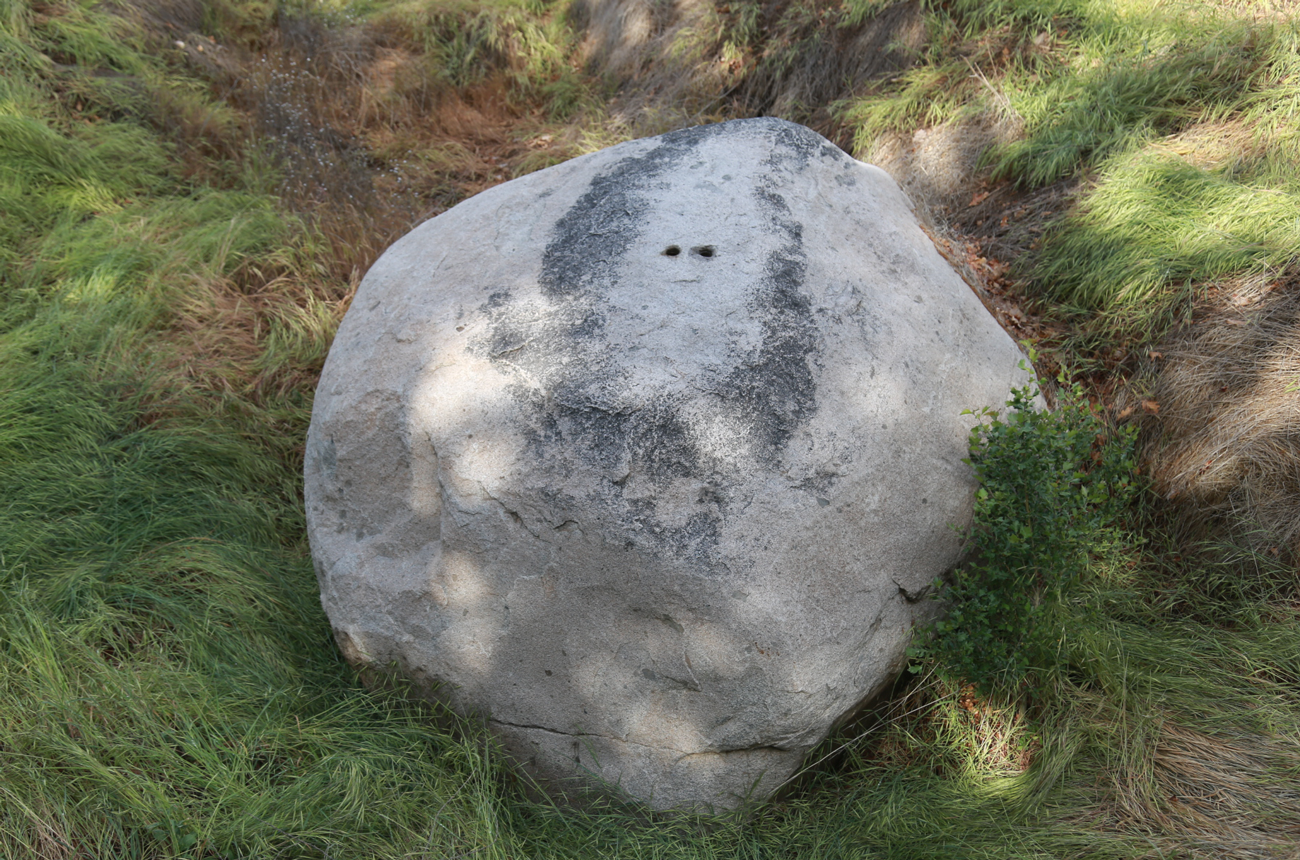
The stone that gives the wine its name is thought to be a ‘piedra tacita‘, a sacred stone of the Amerindian peoples used as an altar for ancestral rites. | Courtesy of the producer
(Image credit: Credit Unknown)
Piedra Sagrada: Five first released vintages tasted
Wines are listed in score order
Related articles
Dining and Cooking