
Home » TOURISM NEWS » Pompeii’s Groundbreaking Wine Revival Project Breathes New Life into Ancient Italian Traditions
Published on
March 22, 2026
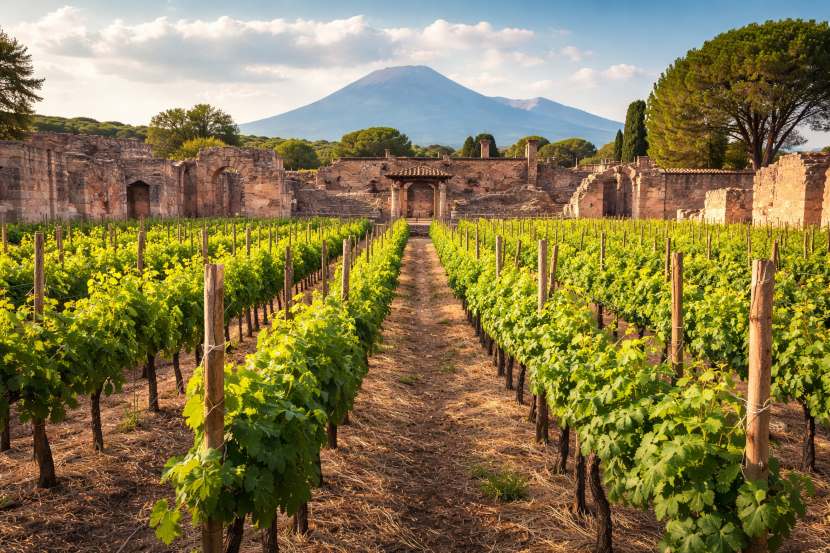
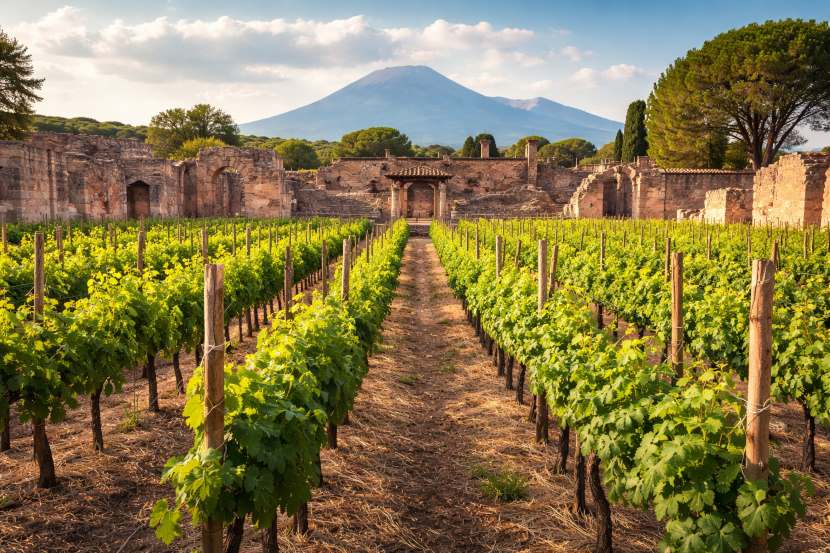
Image generated with Ai
In a spectacular fusion of history, culture, and agriculture, Pompeii, Italy, has launched a visionary project that revives ancient Roman winemaking traditions. This exciting initiative, set within the iconic Archaeological Park of Pompeii, brings visitors face‑to‑face with the ancient viticulture techniques that once flourished in this bustling Roman city. With the planting of vineyards and the restoration of ancient winemaking methods, this project opens a new chapter for Pompeii, blending cultural tourism with sensory experiences that bring history back to life.
Pompeii, renowned for its remarkable preservation under volcanic ash, continues to be a magnet for global travellers who want to step into the past. But with this new wine revival, Pompeii’s allure goes beyond ruins and frescoes. It offers a chance to engage with an essential aspect of Roman society: wine. This innovative project is expected to not only draw tourists but also inspire a new wave of interest in ancient agricultural practices.
Reviving Ancient Viticulture: A Sip of History
Pompeii’s vineyards represent a long‑lost chapter in the city’s rich history, dating back to the 1st century AD. Archaeological studies have revealed that winemaking was integral to Pompeii’s daily life, with wine being a fundamental part of social, religious, and commercial activities. Today, this history is being brought back to life as archaeologists and viticulture experts join forces to reintroduce grape cultivation to the region.
The project focuses on replanting Aglianico grapes, a variety known for its deep roots in southern Italy’s winemaking tradition. This was the same grape that thrived in Pompeii’s fertile volcanic soil, making the revival both an agricultural and historical endeavour. By cultivating these ancient vines once again, the project aims to reconnect modern visitors with the authentic flavours and techniques of the past, creating a hands‑on experience that links the past to the present.
Visitors will have the opportunity to explore these vineyards, located amidst the ruins, and witness firsthand how ancient viticulture was conducted, from planting to harvesting. The vineyards not only serve as a living museum but also as a key educational tool to tell the story of Pompeii’s cultural heritage.
Pompeii’s Winemaking Renaissance: A New Kind of Tourism Experience
This new wine project doesn’t just offer a taste of history – it transforms the tourist experience at Pompeii. By merging history with modern viticulture, the initiative promises to enhance the park’s appeal and extend the duration of visits. Wine lovers and cultural enthusiasts alike will have the chance to explore ancient farming methods, learn about the vital role of wine in Roman society, and, of course, sample the fruit of this innovative project.
Advertisement
Advertisement
The vineyard project invites guests to touch, taste, and learn. The integration of this new element into the Pompeii Archaeological Park provides a fresh layer of engagement, appealing to a wider range of tourists, from casual visitors to dedicated history buffs. This expansion also introduces visitors to the region’s agricultural roots, emphasizing the deep connection between Pompeii and the land on which it was built.
Additionally, tourists can enjoy seasonal wine tasting events, where they can sample wines made from the very same grapes that once nourished the ancient city’s populace. This immersive experience not only enhances the learning process but also allows visitors to appreciate the flavours of ancient Pompeii in a modern context.
Sustainable Winemaking in Pompeii: Blending Ancient Practices with Modern Sustainability
In today’s world of sustainable tourism, the Pompeii wine project stands as a testament to the harmonious blend of preservation and innovation. The project doesn’t just replicate ancient methods – it adapts them to ensure sustainability for future generations. By using organic farming methods and embracing environmental best practices, Pompeii’s new vineyards promote eco‑tourism while respecting the ancient agricultural traditions of the Romans.
The sustainable approach includes soil conservation, limited pesticide use, and the application of modern vineyard management techniques that align with both ancient Roman practices and contemporary environmental needs. As Pompeii continues to evolve as a major tourist destination, the integration of sustainability into the winemaking process enhances its appeal as an eco‑friendly destination, further elevating the site’s cultural significance.
Visitors can feel confident that their experiences are supporting sustainable tourism practices, making each bottle of Pompeii wine not only a taste of history but also a step toward preserving the future of both the site and its environment.
Pompeii’s Wine Revival: A Key to Boosting Italian Cultural Tourism
The revival of winemaking in Pompeii serves as a cornerstone for the Italian tourism industry, offering a fresh perspective on cultural heritage that invites new generations to experience the past in innovative ways. Wine tourism is booming across the globe, and Pompeii’s new initiative taps into this growing niche by offering a unique experience within one of the world’s most iconic archaeological sites.
Pompeii’s ancient ruins, once the center of vibrant Roman life, now stand as a symbol of resilience and cultural pride. The addition of a working vineyard creates new possibilities for the tourism sector, drawing visitors not just from Italy but also from international markets eager to explore the fusion of ancient and modern.
The vineyard project also creates new opportunities for the local economy, particularly in the surrounding Campania region, which has long been known for its rich wine production. With Pompeii’s new winemaking venture, the region is poised to see a further boost in tourism and wine production, enhancing its position on the global stage.
A Step Back in Time and a Sip Forward: Pompeii’s Future as a Cultural Destination
Pompeii’s wine revival project is a bold step forward in making the ancient city more than just a historical site. It is an invitation to engage deeply with the past, while offering an experience that is relevant and enriching for modern travellers. For those visiting Pompeii in the future, this project will undoubtedly become an unmissable highlight that offers not only a connection to the past but also a celebration of the enduring importance of wine in Italy’s cultural heritage.
As the vines begin to flourish and the wine begins to flow, Pompeii is redefining what it means to experience history — offering a taste of the past and a glimpse into a future where the echoes of ancient cultures continue to shape and enrich modern life.

Dining and Cooking