
Food is central to any Italian celebration, and Easter is no exception. These are some of the classic Italian dishes to try at this time of year, from traditional lamb and artichokes to an unusual pig’s blood dessert.
Easter breads and mussel soup on Holy Thursday
Easter breads, both sweet and savoury, are an important part of any Holy Week (settimana santa) feast.
You’ll find that each region boasts its own varieties of Easter breads. One of the best is the Tuscan pan di ramerino, a criss-crossed raisin bread similar to the British hot cross bun, but flavoured with rosemary.
Eat these on Holy Thursday, when you can buy them from street vendors or any bakery in the region. Local priests often bless the bread.
In Naples, it’s not Holy Thursday without zuppa di cozze (mussel stew). Served piping hot and extra spicy, the seafood soup is eaten with crunchy crostini.
READ ALSO: What’s happening over Easter in Italy in 2026
Stick to seafood on Good Friday
Good Friday, a somber date in the Catholic calendar, was traditionally a day of fasting. These days, many Catholic families opt for fish, typically choosing light dishes with simple dressing.
In fact, many people observe meat-free Fridays for the entire Lent period – some even keeping to the tradition the whole year round – in tribute to Jesus’s self-sacrifice.
Cod (baccalà) is a popular fish of choice for Good Friday, often prepared with potatoes and tomatoes for a light but satisfying meal.
Advertisement
Easter lunch – artichokes, lamb and ‘torta’
The meal everyone waits all week for – the celebratory Easter feast – is an hours-long lunch centred around fresh, seasonal vegetables and lamb (agnello).
The meal starts with a carb-based primo (first course), such as lasagna, pasta al forno (layered baked pasta with meat sauce and cheese), tortellini served in meat broth or risotto.
Primi courses on Easter often feature asparagus or artichoke, such as the classic risotto agli asparagi. Stuffed, braised or fried, artichokes can also be enjoyed as a side dish or antipasto.
READ ALSO: Four tasty plants that make spring in Italy a forager’s dream
Roast lamb will be the chosen secondo (second course) for many Italian families.
Easter Monday is known as Pasquetta (‘Little Easter’) in Italy, but is also sometimes called Lunedi dell’Agnello or ‘Lamb Monday’ in a nod to the most traditional centrepiece of an Easter lunch in Italy.
Advertisement
There are countless regional variations and recipes: Romans might prepare lamb soup or cook it in an egg and citrus sauce, southern Italians often put it in a stew, while elsewhere it’s roasted with garlic and rosemary. Every family and restaurant will have its own special recipe.
READ ALSO: Macelleria: The Italian vocab you need to shop at a butcher’s in Italy
For vegetarians, a lamb roast can be substituted with the traditional torta pasqualina. Don’t be fooled by the word torta: this dish is savoury rather than sweet.
Usually served as an appetizer or primo but hearty enough to be a main course, the Easter pie is made from puff pastry, eggs, cheese, and spinach or other spring veggies. It’s typical in the Liguria region and traditionally had 33 layers of pastry – one for each year of Christ’s life.
Easter desserts
Though you can find chocolate eggs at bakeries and supermarkets, there are endless traditional Italian Pasqua desserts worth trying.
Advertisement
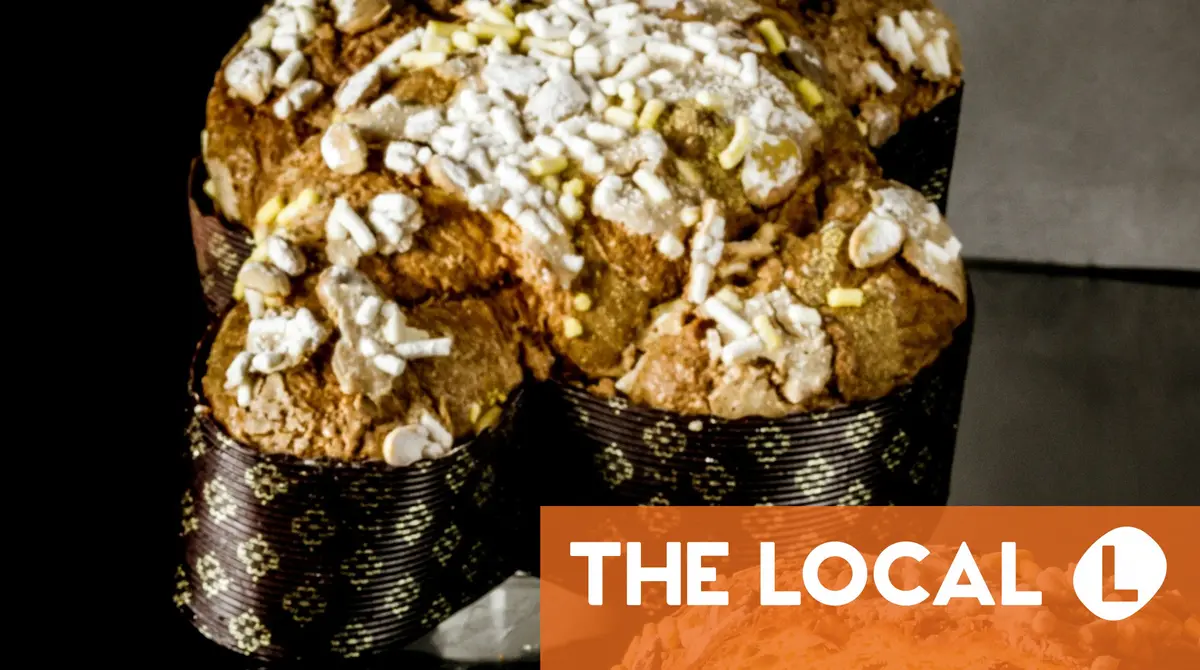
The colomba pasquale is the most widely-known culinary symbol of Easter in Italy. Colomba means ‘dove’, and the cake is baked in the shape of a bird to symbolize peace. The recipe is similar to that of a Christmas panettone, studded with candied citrus peel and sometimes almonds.
Another favourite is the pastiera napoletana. Found across the south of Italy at this time of year, the Neapolitan cake has a ricotta filling flavoured with orange flower water, orange peel and sometimes with other additions, such as chocolate chips.
READ ALSO: Six things to do and see in Italy in spring 2026
If you’re making your own, be warned that pastry chefs usually recommend starting the process on Good Friday to allow plenty of time for the flavours – from orange peel and orange flower water – to infuse before Easter Sunday.
Other lesser-known Easter treats include sanguinaccio dolce (a pudding made from pig blood and dark chocolate) and the Perguian ciaramicola (a pink, doughnut-shaped cake topped with icing and sprinkles).
Dining and Cooking