
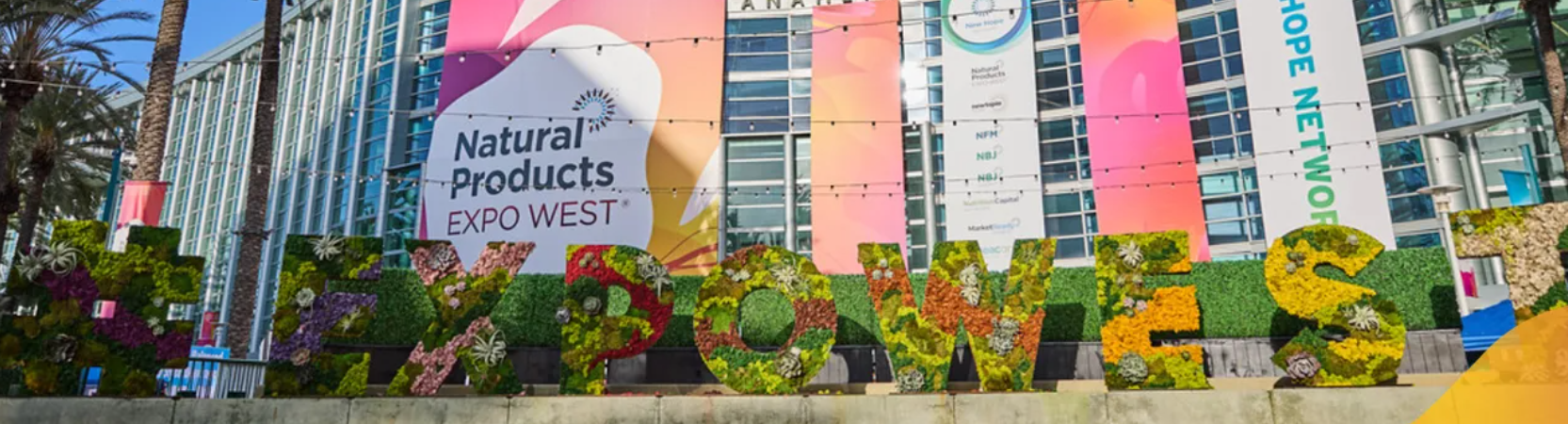
Expo West 2026 offered a clear reflection of several long-running shifts Mintel has been tracking across health, nutrition, and consumer expectations. What stood out most this year was less about flavor innovation and more about a reorientation toward how the body feels—physically, emotionally, and even metabolically. Many of the dominant themes at the show mapped directly to Mintel’s forecasts, now emerging in commercially relevant ways.
Below are seven areas where our predictions were visible across categories, formats, and brands.
1. Fiber’s Long Anticipated Renaissance is Finally Materializing
Fiber was one of the most visible through lines of the show, validating Mintel’s longstanding view that fiber is one of the most underleveraged nutritional assets for both wellness and satiety.
Three developments stood out:
Fiber as a foundational daily nutrient
Brands such as Supergut positioned fiber as core, not corrective, using clearer language around metabolic support and baseline nutrition.
Legacy foods are elevating fiber’s relevance
Sunkist’s work to modernize prunes and plums demonstrates how traditional high-fiber foods can be reframed for contemporary needs. Major players, most notably PepsiCo, reinforced the trend by elevating fiber within familiar brands like SunChips and Smartfood.
Fiber is being integrated into emotional and lifestyle positioning
Brands including Belli Welli and Bellycious used humor and transparency to make fiber approachable for younger consumers who value both function and relatability.
The totality of these signals indicates that fiber has moved from obligatory to aspirational, creating opportunities for categories long overlooked.
You Heard it Here First…
2. Digestive Wellness is Entering a New Cultural Phase
Mintel has reported for several years that digestive health would continue to broaden beyond probiotics and become more elevated. Expo West demonstrated just how far that evolution has come. The show embraced digestive comfort openly, signaling that taboos around bowel habits are dissolving and consumers are increasingly willing to discuss the realities of digestion.
Several examples illustrate this shift clearly:
Sourmilk’s low-lactose, probiotic-powered Greek yogurt
Fody emphasized “no digestive triggers,” reflecting consumers’ desire for foods that minimize discomfort rather than limiting its focus on low FODMAP consumers
Pacha highlighted “bread without the bloat,” leveraging buckwheat sourdough to address a known consumer pain point.
Leaven’s instant sourdough starter connected fermentation to digestive tolerance—once a niche topic, now widely recognized.
Lily of the Desert’s aloe-based stomach formula supplement points to broader interest in gentle, nonpharmaceutical digestive support.
Expo West also confirmed a move toward deeper consumer interest in digestion as a process. Anticipate innovations to get even more comfortable with gut health, taking the conversation beyond “gut health” as a catch-all to increasing target-specific stages—gas, bloating, transit time, and stool formation. This sets the stage for more sophisticated product development across fibers, slow carbohydrates, digestive enzymes, and postbiotic compounds.
You Heard it Here First…
3. Look Beyond Weight Loss and Look Towards Muscle Gain
Notably, GLP1 messaging was muted compared with 2025. Its absence, however, should not be interpreted as a decline. Instead, brands appear to be integrating GLP1–compatible dietary patterns, such as protein, fiber, hydration, and low glycemic options, without explicitly referencing the medications. This aligns with Mintel’s guidance that brands should focus on behaviors rather than pharmaceuticals. While weight management remains relevant, Expo West 2026 revealed that the industry conversation has shifted toward strength, muscle preservation, and metabolic resilience.
Protein remained ubiquitous, spanning a wide range of categories. The more telling development was the prominence of creatine, now appearing in formats far beyond sports nutrition.
Creatine was featured in bars, hydration beverages, ready-to-drink protein formats, and “stacked” formulations pairing creatine with electrolytes or collagen.
The demand for protein was also seen in new dairy innovations, such as cottage cheese-based dips (Cotto), pizza crusts (The Tattooed Chef), and ice creams (Cottage Creamery by DFA). Digestively friendly dairy options, including Fage’s Best Self lactose-free yogurts and A2 milks, addressed tolerance concerns without sacrificing protein density.
Subtle changes that reduce glycemic load, such as using lower glycemic sweeteners or slow fermented pizza dough, spoke to metabolic health without shouting about it.
You Heard it Here First…
4. MAHA’s Influence is Reshaping Ingredient Expectations
The MAHA (“Make America Healthy Again”) movement continues to have notable cultural and commercial influence. While diverse in interpretation, the core principles of whole foods, recognizable ingredients, and a reevaluation of traditional fats were prevalent.
At Expo West 2026, this showed up through:
Proactive reformulation to meet healthy heuristics. “Real food” is quickly replacing clean or natural as the term to signal better-for- you (BFY).
Brands are exploring bold packaging, new textures, and other sensory elements to make products fun without relying on artificial colors.
Reduced seed oil formulations and increased adoption of tallow.
Resurgence in dairy, including A2 formats and advanced filtered milks.
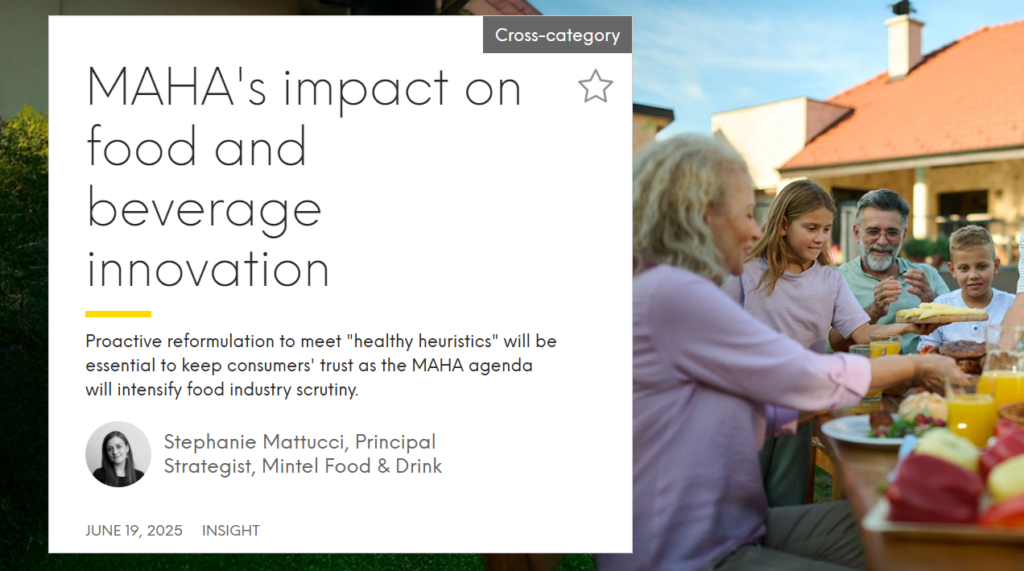
 MAHA’s impact on food and drink innovation (client-access only)
5. Texture is the New Differentiator
While no dominant flavor trend emerged this year, texture clearly shaped product development. crisp, airy, whipped, puffy, and layered textures appeared across categories, from confections to snacks to dairy alternatives. This emphasis suggests that sensory novelty, rather than flavor experimentation, is guiding formulation choices for 2026.
Stand-out textures included:
Humm’s nitro kombucha
Wobble’s modern gelatin mix
Esprizo’s Sparkling espresso spritz
RTD Bobba tea from Bobba and OMG Bubble Tea
Tosi’s Crispy Puffs and Bars
Mochi Food’s fluffy and chewy Hawaiian-inspired mochi baking mixes
Textural innovations that engage multiple senses help consumers break from routine and create memorable, experience-led moments. Brands used new and exciting textures to spark joy and excitement.
You Heard it Here First…
6. Signs of Consumers’ Economic Strain are Showing
The show reflected early recession-related patterns. Pizza, noodles, and other comfort formats were prominent, often positioned as an affordable indulgence. These cues typically appear when consumers anticipate tightening budgets but still seek small, satisfying trade-offs.
As previously stated, no dominant flavor trend emerged this year, which signals restraint from brands. Mintel previously predicted that economic pressures would drive consumers to be more conservative about their flavor choices. Simple flavors can appeal to consumers who are looking for ways to stretch their dollar and keep their pantry stocked with versatile meal essentials.
Interest in nostalgic flavors will remain strong because nostalgia provides comfort and reduces the perceived risk associated with trying new products. The comfort of easy-to-recognize flavors can be reassuring to consumers who are seeking a break from increasingly unpredictable current events.
You Heard it Here First…
7. Mood as a Design Principle
One of the clearest themes emerging from Expo West this year was the industry’s deliberate shift toward mood as both a functional benefit and a brand experience. Energy, calm, focus, and joy showed up not just in beverage formulations with magnesium, adaptogens, or nootropics, but also in the entire way brands expressed themselves on the show floor. This directly speaks to the need for human authenticity and emotional resonance in the era of AI, as much as it does to the need to give humans an edge over their AI counterparts.
Across booths, the strongest impressions weren’t tied to flavor as much as they were tied to feeling. Brands used sensory cues, immersive activations, and playful aesthetics to signal emotional states, often more loudly than the ingredient decks themselves. From GOODLES’ charm collecting scavenger hunt to aura readings at Simply Pop, Slice vending machines, and the maximalist Poppi funhouse, the show leaned into a shared cultural desire for levity.
Functional beverage examples:
Bear Maple Farms’ clean soda with ginseng for sustained mental energy
Recess line of Mood, Zero Proof
De Soi social spritzes
oHy’s hydrogen sparkling water with magnesium to support clarity, recovery and balance
You Heard it Here First…
Final Thoughts from a Mintel Expert
Expo West 2026 revealed the mood of the moment: people want food that helps them feel good, emotionally and physically. The trends on the floor, including digestive transparency, the elevation of fiber, the influence of real food frameworks, a sensory emphasis on texture, and tapping into emotions through branding aesthetics, nootropics, and adaptogens, all reflect deeper consumer needs that have been building for years.
For brands, the opportunity now lies in connecting these themes through products that balance clarity, function, and emotional resonance while staying grounded in credible, evidence-based nutrition.
If you’re a food and drink brand trying to keep up with changing consumer habits around health and nutrition, contact us today for insights tailored to your brand’s challenges and opportunities.
Alternatively, explore Mintel’s latest Wellness Platform for insights, fresh ideas, and practical tips on how to strengthen consumer engagement in the Health and Wellness landscape.
Contact a food expert today!
Dining and Cooking