
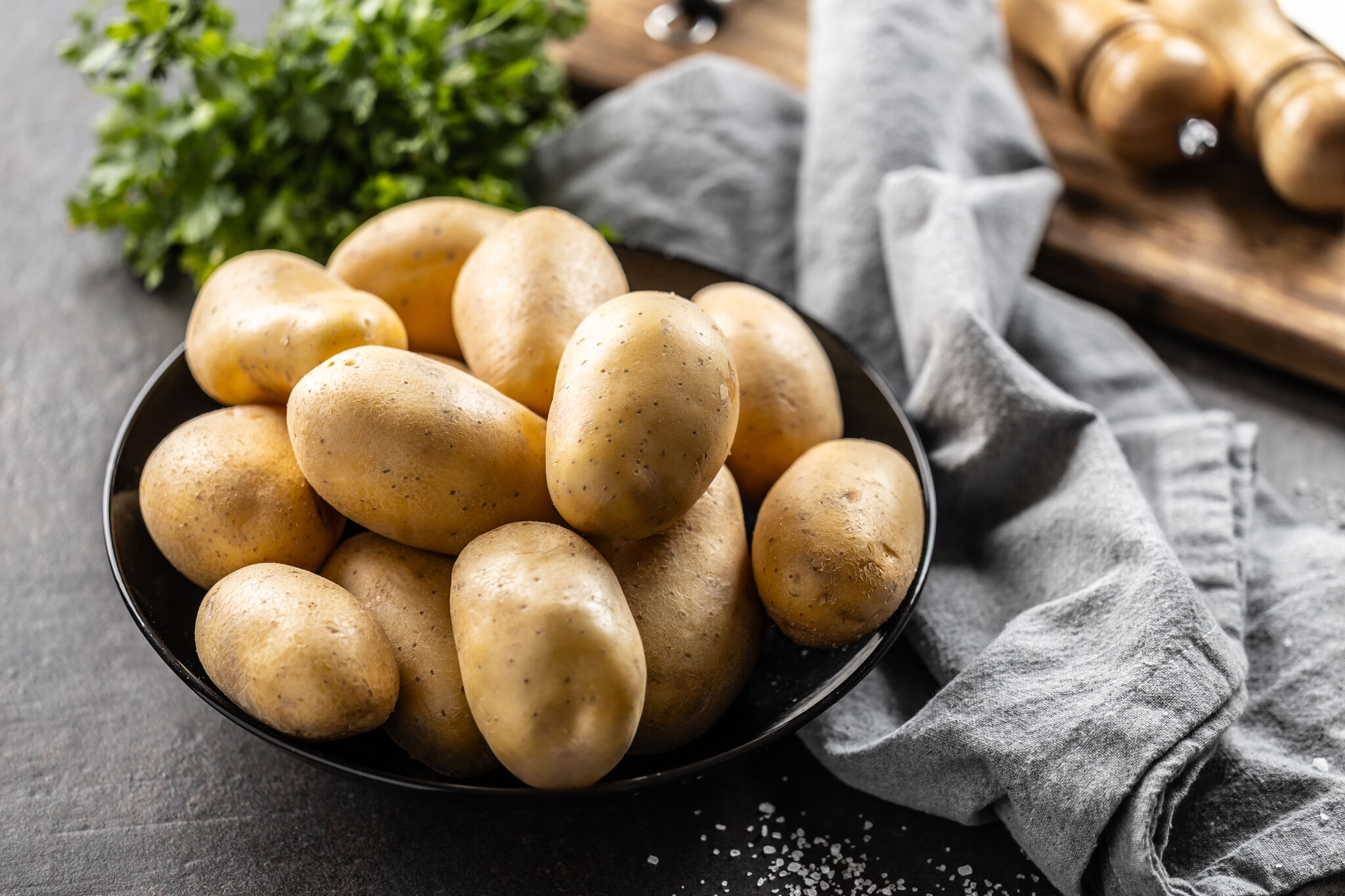
A new study by Harvard researchers looked at different ways potatoes were prepared and analyzed their relative link to diabetes risk.
SimpleImages/Getty Images
French fries are linked to a higher risk of Type 2 diabetes — but baked, mashed and boiled potatoes are not, according to a new study by Harvard researchers.
The study, published Aug. 6 in BMJ, found that eating three servings of fries each week is associated with a 20% higher risk of developing Type 2 diabetes. Eating the same amount of baked, mashed or boiled potatoes is not associated with diabetes risk.
Moreover, replacing potatoes of any kind with whole grains is associated with lower risk of diabetes, as well as other health benefits like less weight gain and lower rates of cardiovascular disease, some cancers and premature death. In contrast, replacing potatoes with white rice is associated with higher risk of diabetes.
Article continues below this ad
People can still eat potatoes as part of a balanced diet, but should try to limit fried potatoes, researchers said. And if they can, replace potatoes with any kind of whole grains, such as whole grain bread, pasta, oats and cereal, which were the main sources of whole grains included in the study.
“The main takeaway is potatoes cannot be the primary source of carbohydrates in our diet,” said lead author Seyed Mohammad Mousavi, a postdoctoral research fellow in Harvard’s Department of Nutrition. “Prioritzing whole grains over potatoes would be the main takeaway message.”
San Francisco Chronicle Logo
Make us a Preferred Source to get more of our news when you search.
Add Preferred Source
Unlike previous research on potatoes and health risks, this study looked at different ways potatoes were prepared and analyzed their relative link to diabetes risk. It included about 205,000 U.S. adults who did not have diabetes, heart disease or cancer, over about 30 years. Researchers adjusted for other factors that may have impacted people’s diabetes risk, such as physical activity, age, socioeconomic status and BMI.
Fries are linked to higher diabetes risk than boiled or baked potatoes because the frying process produces more trans fats and can generate compounds associated with inflammation and insulin resistance, Mousavi said. Fries are also higher in calories and sodium.
Article continues below this ad
While this study did not find significant association between baked, boiled or mashed potatoes and diabetes, previous research has found that mashed potatoes may be linked to higher diabetes risk because of additives, Mousavi said.
“We’d say baking or boiling would be the best option if you want to enjoy potatoes in your diet,” he said.
People don’t need to give up potatoes, which are a good source of fiber, vitamin C and potassium, said Rana Chehab, a registered dietician and staff scientist at Kaiser Permanente Division of Research. But they should be mindful of how the potatoes are prepared.
“Opt for boiled, baked or mashed potatoes — ideally with the skin on to retain fiber and nutrients — and pair them with vegetables, legumes or lean proteins to create a balanced meal,” said Chehab, who was not involved in the study. “Additionally, consider occasionally substituting potatoes with whole grains to diversify nutrient intake.”
The study’s findings align with current federal dietary guidelines that promote whole grains as part of a healthy diet, said Brittanie Tovar, a registered dietician and diabetes care and education specialist at Sutter Health in Sacramento. It also reinforces what’s known about highly processed foods.
Article continues below this ad
“Eating ultra or highly processed foods in excess can increase our risk of chronic disease,” said Tovar, who was not involved in the study. “Often these foods are consumed alongside other highly processed foods that tend to be high in saturated fat and added sugars, two key things that increase our risk for heart disease and type 2 diabetes.
“The most important takeaway is not to classify potatoes as good or bad, but as a food that can absolutely be part of a health-promoting meal plan, and even better when it’s eaten alongside other nutrient-dense whole foods that are high in fiber,” she said.
Dining and Cooking