
Credit: Simply Recipes / Mihaela Kozaric Sebrek
I love wild mushrooms so much that I’ve hunted for morels after local wildfires, foraged for oyster mushrooms and shaggy manes along island trails on the West Coast, and have even bought grow-your-own kits to watch a fresh supply explode right in my kitchen.
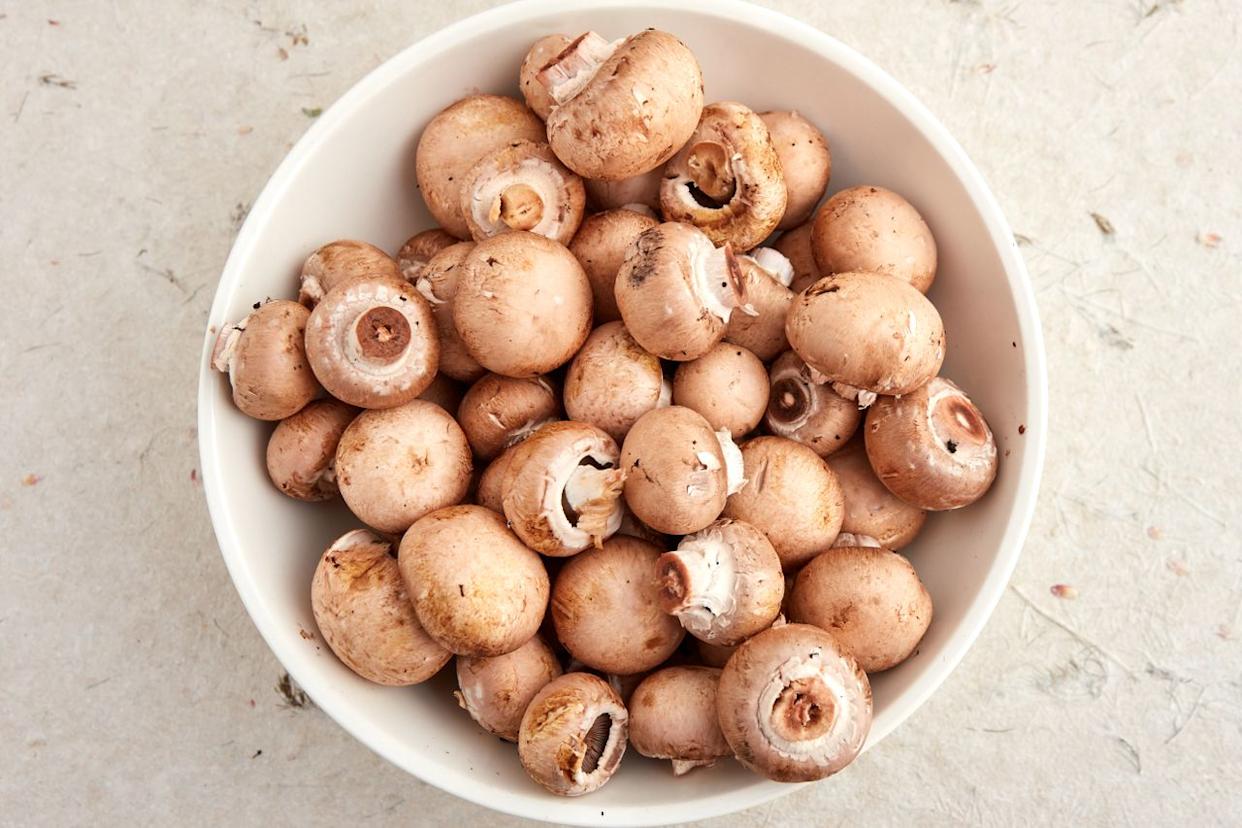
But when I want mushrooms quickly, effortlessly, and affordably, I hit the grocery store. Once there, my hand passes right over the pale button mushrooms and instead loads a paper bag with earthier-looking cremini.
This has nothing to do with availability or cost; the two options usually sit side by side in the produce section at the same per-pound price. My choice centers on flavor—and for the most umami savoriness in any recipe, I choose cremini over button mushrooms every time.
Credit: Simply Recipes / Getty Images
Why I Always Choose Cremini Mushrooms
Internet sources can muddle the distinction between button and cremini mushrooms, not to mention the latest marketing ploy: baby bellas. The eminent Harold McGee, who’s On Food and Cooking has long been a scientific bible on all things food, breaks it down neatly: They are the same common mushroom species, Agaricus bisporus, just at different maturity levels.
McGee explains that gills generate most of a mushroom’s signature meaty taste and earthy aroma, so white button mushrooms, with their tight, immature caps, have less flavor than fully grown portabellos, with their wide, exposed gills. “Brown and field mushrooms have more flavor than the white mushroom, and the ‘portobello,’ a brown mushroom allowed to mature for an additional five or six days until it’s about 6 in/15 cm across, is especially intense,” he writes.
To add to the confusion, stores sell cremini mushrooms as brown, crimini, and increasingly “baby bellas” to capitalize on the trend for baby greens and other vegetables. But there’s no scientific or regulated difference here. The U.S. Department of Agriculture lists baby bella as an alternate name for cremini.
Unfortunately, maturity and age are not precisely the same thing. Old button mushrooms that have sat in a refrigerator case so long that they’re marked down were still harvested young, so they’ll never develop cremini’s depth. What they might develop is funky spoilage, especially if they are moist in their packaging.
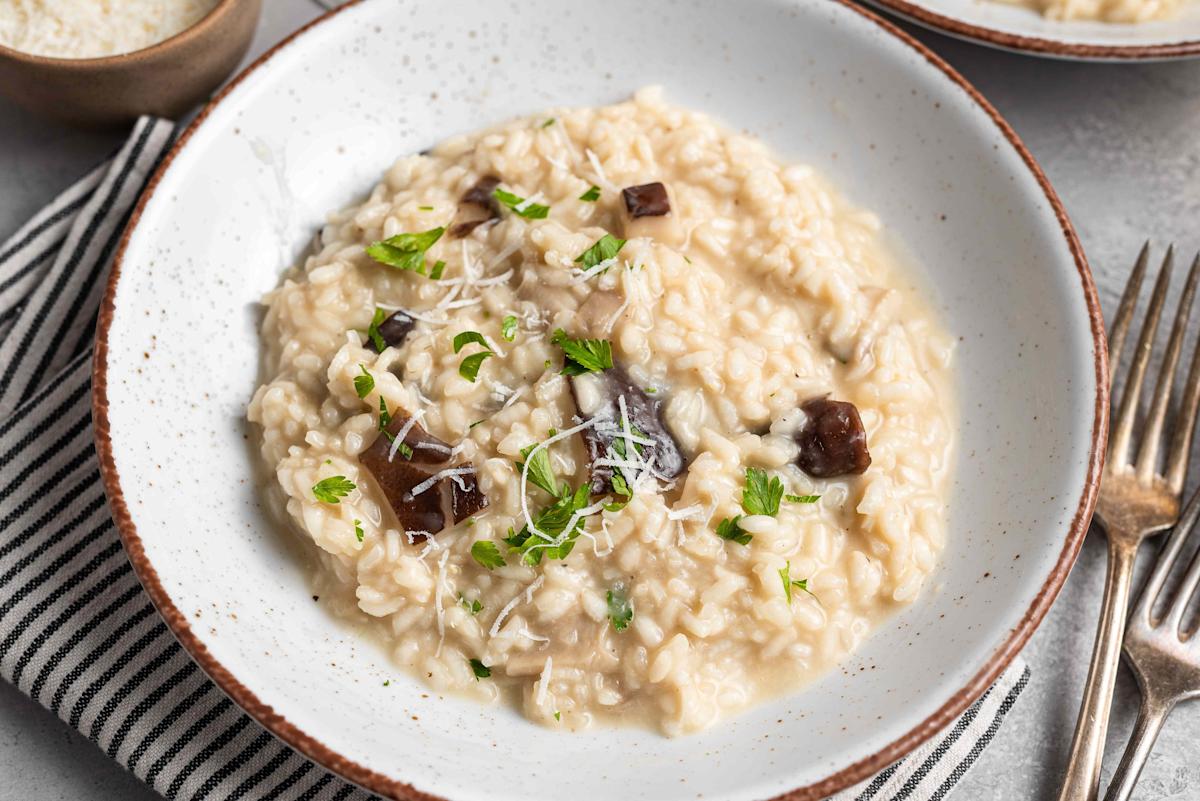
I always choose the freshest-looking brown cremini, and when I cook with them instead of white button mushrooms, I taste their deeper flavor, especially in meatless stir-fries and risottos where they provide the dominant umami. But it’s not just me. If I slice cremini mushrooms for a vegetarian pizza, guests regularly ask how I get such a meaty richness—the switch is truly that effective.
Read the original article on Simply Recipes
Dining and Cooking