
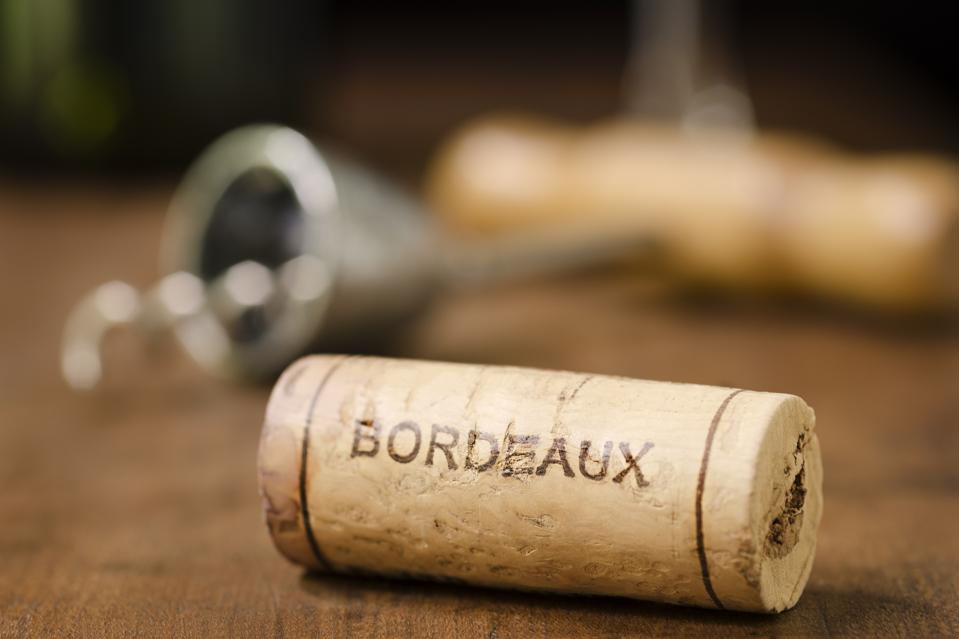
For decades, when you’ve popped the cork on a bottle of French wine you’ve had a good idea of what to expect. Bordeaux was structured but restrained. Burgundy leaned elegant, not heavy. Even richer regions rarely pushed too far.
But across France, something subtle is changing.
Alcohol levels are rising. Bottles that once hovered around 12 to 13% ABV are now more likely to land closer to 14% or even 15%, especially in warmer regions like the Rhône Valley and parts of Bordeaux. This is not a stylistic choice so much as a reflection of changing growing conditions.
At the same time, consumer preferences are shifting in the opposite direction.
A Growing Disconnect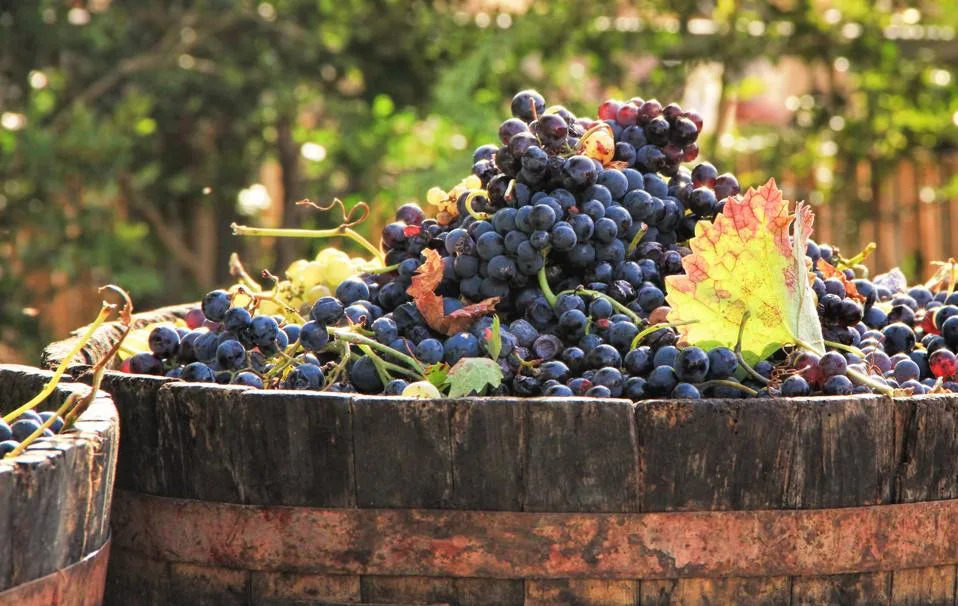
Harvesting grapes: a bucket of ripe grapes
getty
Even as wines become more alcoholic, many drinkers are looking for lighter options. Alcohol consumption in France has declined over the past three decades, according to reporting from RFI late last year. That decline is driven in part by health and wellness trends. People are drinking less and paying closer attention to alcohol content.
MORE FROM FORBESThe Secret To French Cheese Pairing Isn’t Wine—It’s GeographyBy Emily Price
This creates a disconnect. Wines are becoming stronger just as consumers are trying to moderate their intake.
There’s also been a rise in alcohol-free wine. Sales increased by 10% in 2024 compared to the previous year, according to Vitisphere.
Why Alcohol Levels Are Climbing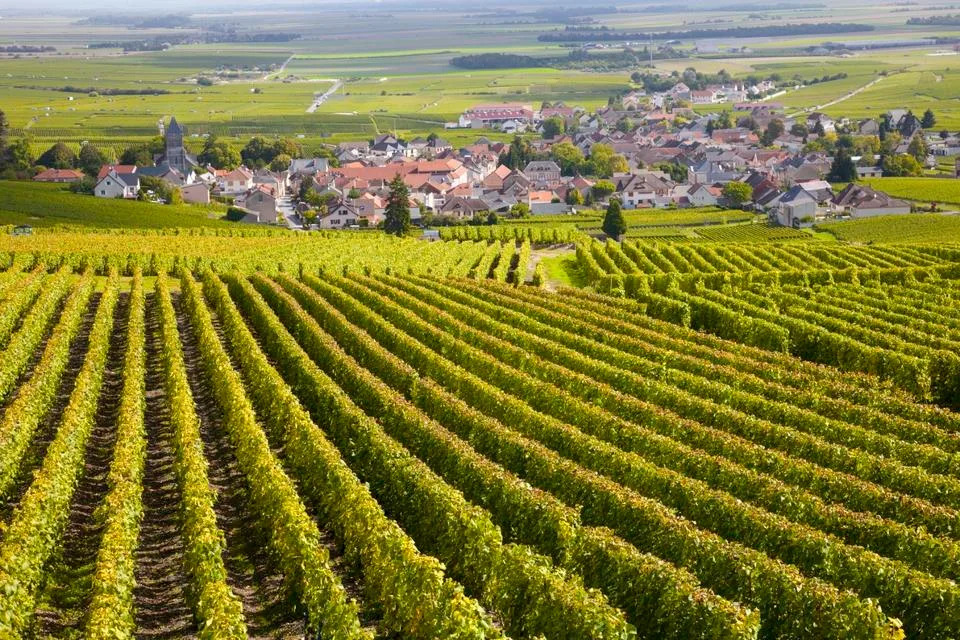
Burgundy is a historical region in east-central France. It’s famous for its Burgundy wines as well as pinot noirs and Chardonnay, Chablis and Beaujolais.
getty
The primary driver is temperature.
Warmer growing seasons allow grapes to ripen faster and accumulate more sugar. During fermentation, that sugar converts into alcohol. In parts of southern France, keeping wines under 13% ABV is becoming more difficult.
Some vineyard decisions contribute as well. Allowing grapes to remain on the vine longer can improve flavor and color, but it also increases sugar levels and, ultimately, alcohol.
The result is a gradual upward shift in alcohol levels across multiple regions.
What It Means in the Glass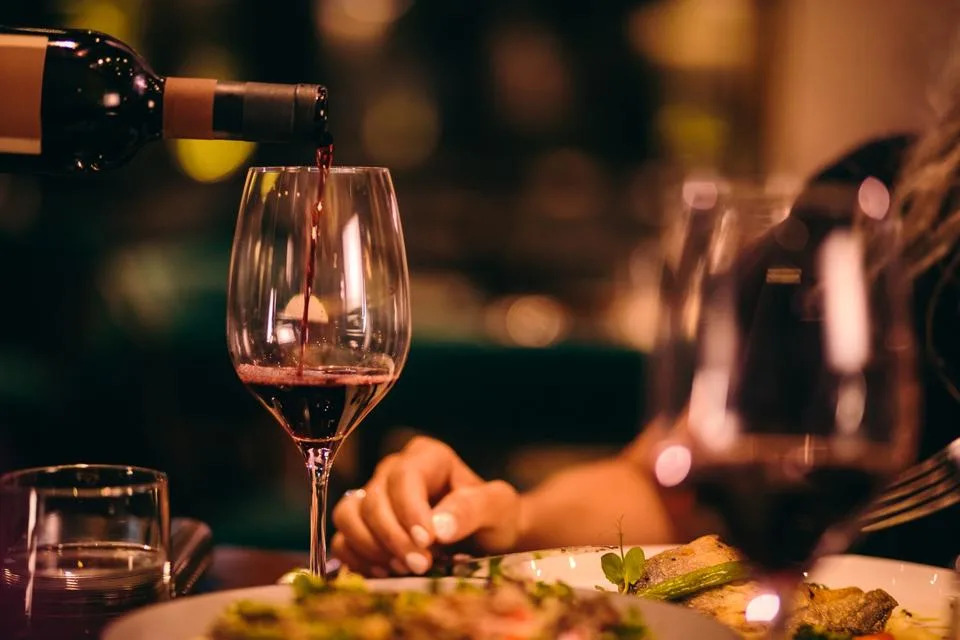
Close-up of waiter holding bottle and serving red wine during dinner at luxurious gourmet restaurant
getty
Higher alcohol affects how wine tastes and feels.
It can lead to a fuller body, riper fruit flavors, and a softer texture. At the same time, it can reduce perceived acidity, which has long been a defining characteristic of many French wines.
In practical terms, Bordeaux can feel less structured and more rounded. Rhône wines can become more intense.
Producers are making adjustments to maintain balance. These include harvesting earlier, managing vineyard canopy, and refining winemaking techniques. However, there are limits to how much those changes can offset conditions in the vineyard.
Tradition Meets Constraint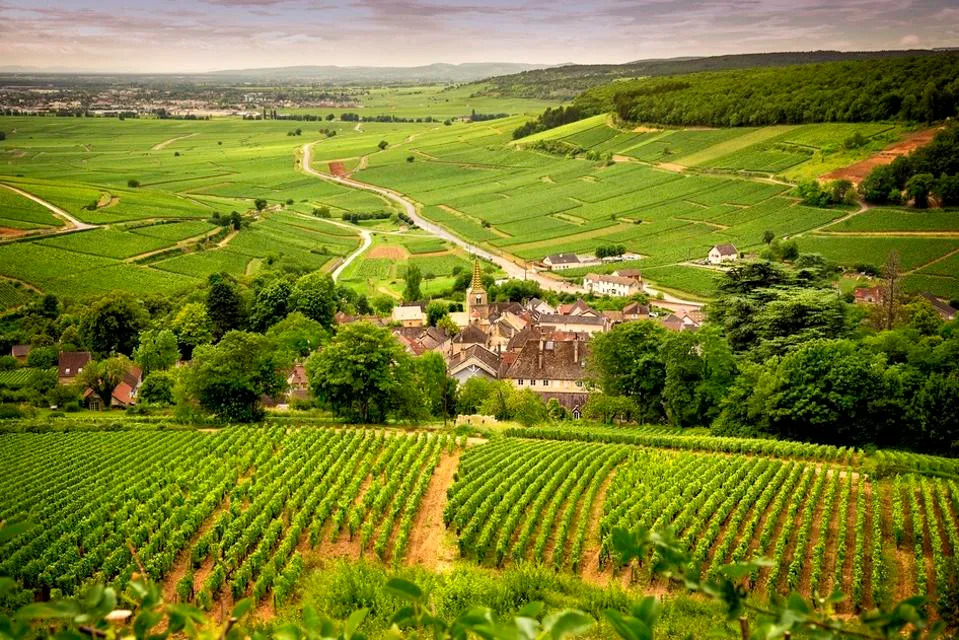
Burgundy, a panoramic road that crosses the wine region and makes us know the major producers and their vineyards
getty
Adapting is not always a straightforward process.
France’s appellation system regulates grape varieties and production methods, which can limit how quickly producers can respond to changing enivironmental conditions.
Some winemakers are experimenting with earlier harvests to reduce sugar levels, though that can affect flavor development. Others are exploring ways to lower alcohol after fermentation or produce wines closer to the legal minimum of 9% ABV. Both approaches can require additional investment and aren’t universally accepted.
A Gradual Shift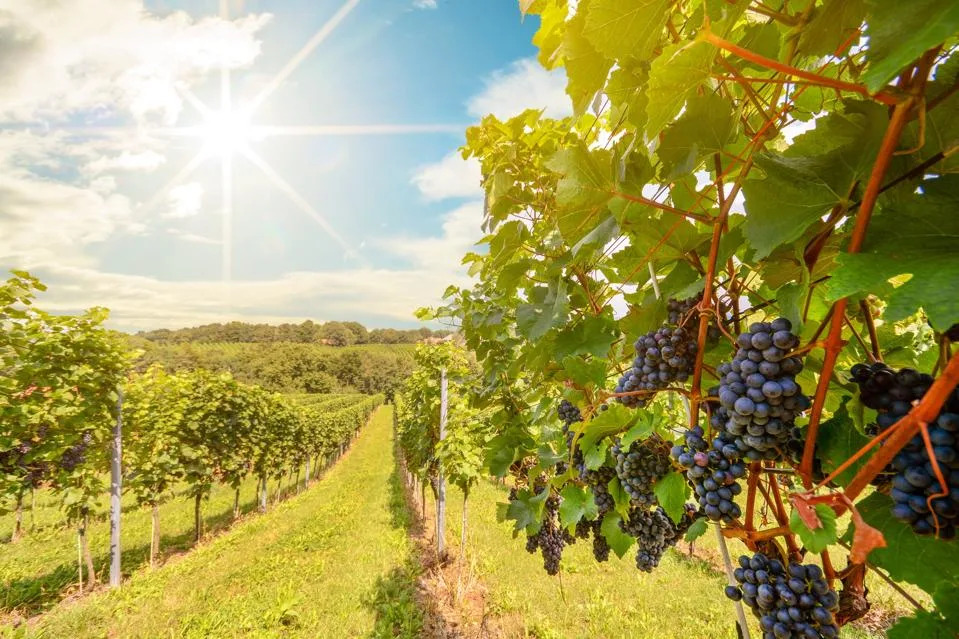
Sunset over vineyards with red wine grapes in late summer
getty
The increase in alcohol levels isn’t always obvious, but it has broader implications.
Higher ABV can affect taxation in some export markets. It can also influence how wines are positioned for consumers who are paying more attention to alcohol intake.
Over time, it may also shape expectations around style. French wine has long been associated with balance and restraint. As conditions change, those characteristics are evolving as well.
The shift in French wine is gradual, but it is already evident across many regions.
Dining and Cooking