
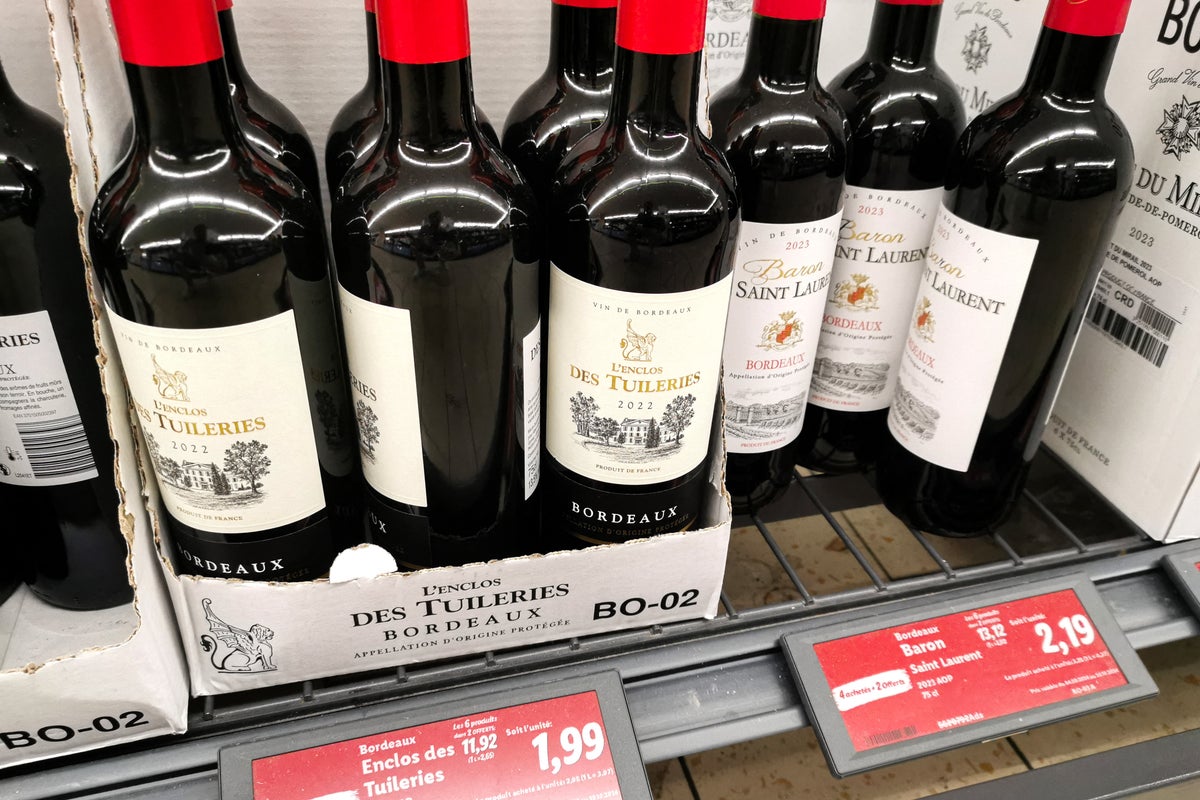
Ministers and officials stocked up on French wine and European tinned tomatoes as fears grew that leaving the European Union without a deal could result in food shortages, it has been revealed.
Britain came dangerously close to leaving the European Union without a key trade deal under Boris Johnson’s leadership, sparking worries that the cost of imported goods could skyrocket.
Although a deal was eventually struck at the eleventh hour, government figures and officials close to the beleaguered negotiations ensured they were stocked up on their favourite foods and beverages as talks repeatedly failed to conclude with a deal.
Hosts of the Independent podcast In The Room, ex-deputy cabinet secretary Helen MacNamara and former No 10 special advisor Cleo Watson, discussed the atmosphere at the heart of the political establishment at the time.
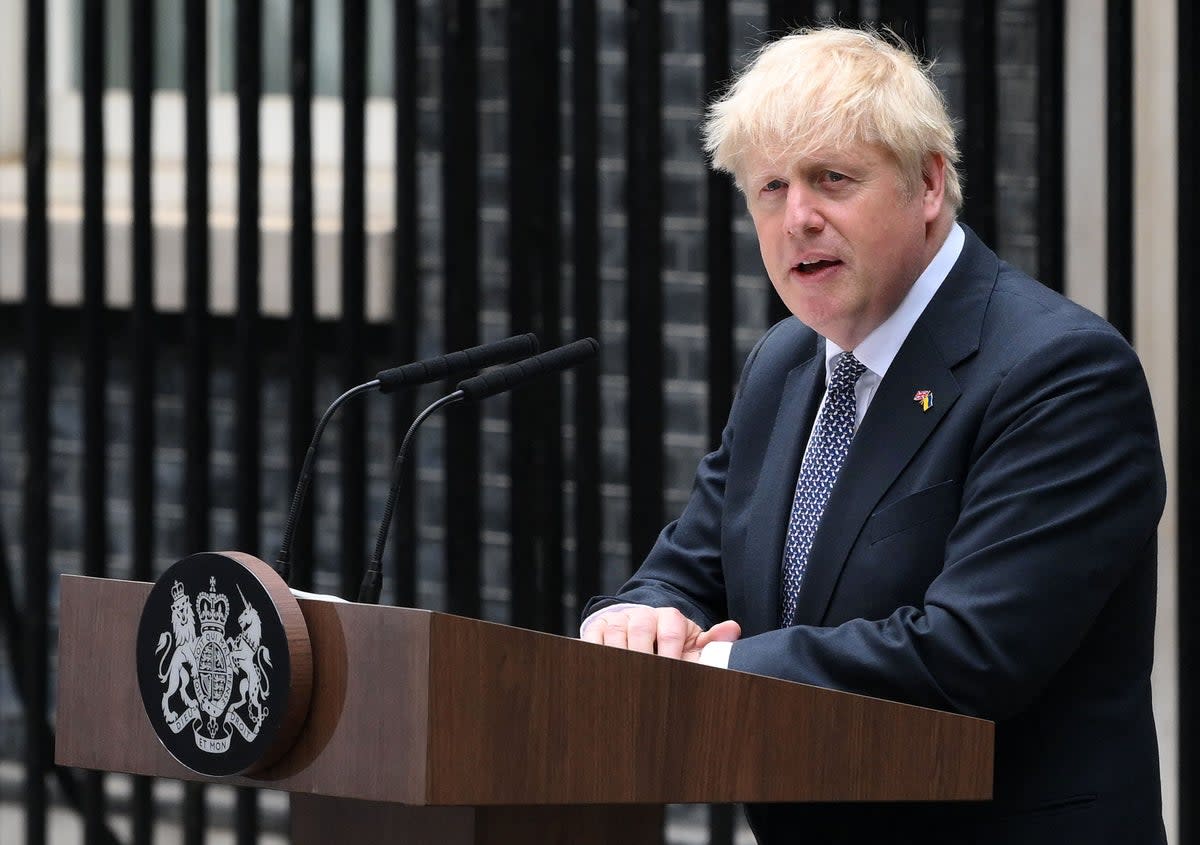
Britain came dangerously close to leaving the European Union without a key trade deal under Boris Johnson’s leadership (AFP via Getty Images)
“Planning for a no deal exit – if we had to leave the EU with no arrangements with the European Union where the high likelihood would be that importing goods from the EU would be very problematic,” Helen MacNamara said.
“At that point, those of us who were very close to the negotiations were all busy buying unfeasible amounts of chopped tomatoes and olive oil…French wine.
“You could track the confidence that the civil servants and the ministers involved [in talks] had whether we were going to emerge unscathed, or what kind of tariffs would be applied, by just how much European domestic goods they were importing.
“Mainly wine and chopped tomatoes, and olive oil.”
The spectre of a no-deal Brexit hung over the UK as round after round of negotiations between Brussels’ and then-prime minister Boris Johnson’s teams broke down.
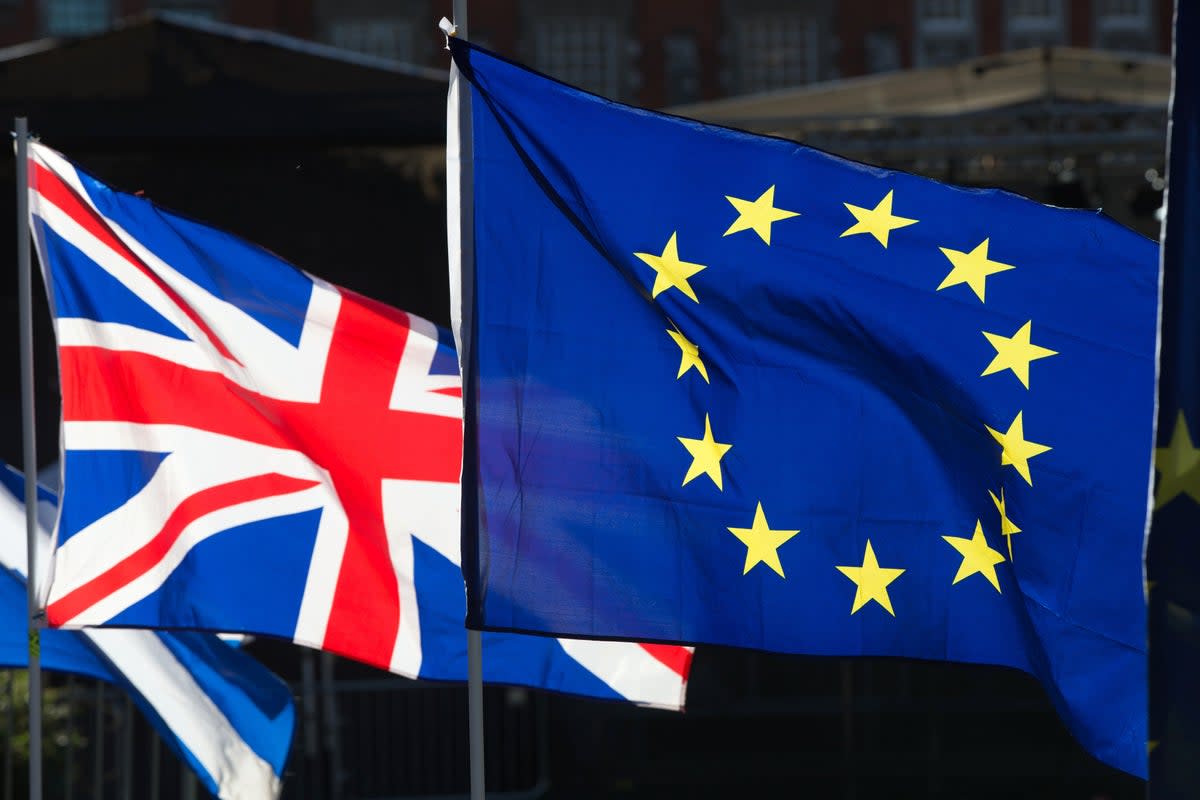
The government was under pressure to seal a free trade agreement with Brussels before the deadline of 11pm on 31 December 2020, when Britain was due to leave the EU’s single market and customs union (PA)
The government was under pressure to seal a free trade agreement with Brussels before the deadline of 11pm on 31 December 2020, when Britain was due to leave the EU’s single market and customs union.
Talks throughout the year turned sour, with the EU and UK saying an agreement between them would be “unlikely”, as the EU’s chief negotiator warned attempts to issue “ultimatums or threats” would fail, adding: “I don’t think we’ve got time for these games.”
Leaving the trading bloc without a deal would have seen the country switching overnight onto World Trade Organisation terms for the UK’s commercial relationship with its largest and closest trading partner.
This essentially would have meant the imposition of tariffs on a range of imports and exports between the UK and it’s closest trading bloc.
Dining and Cooking