
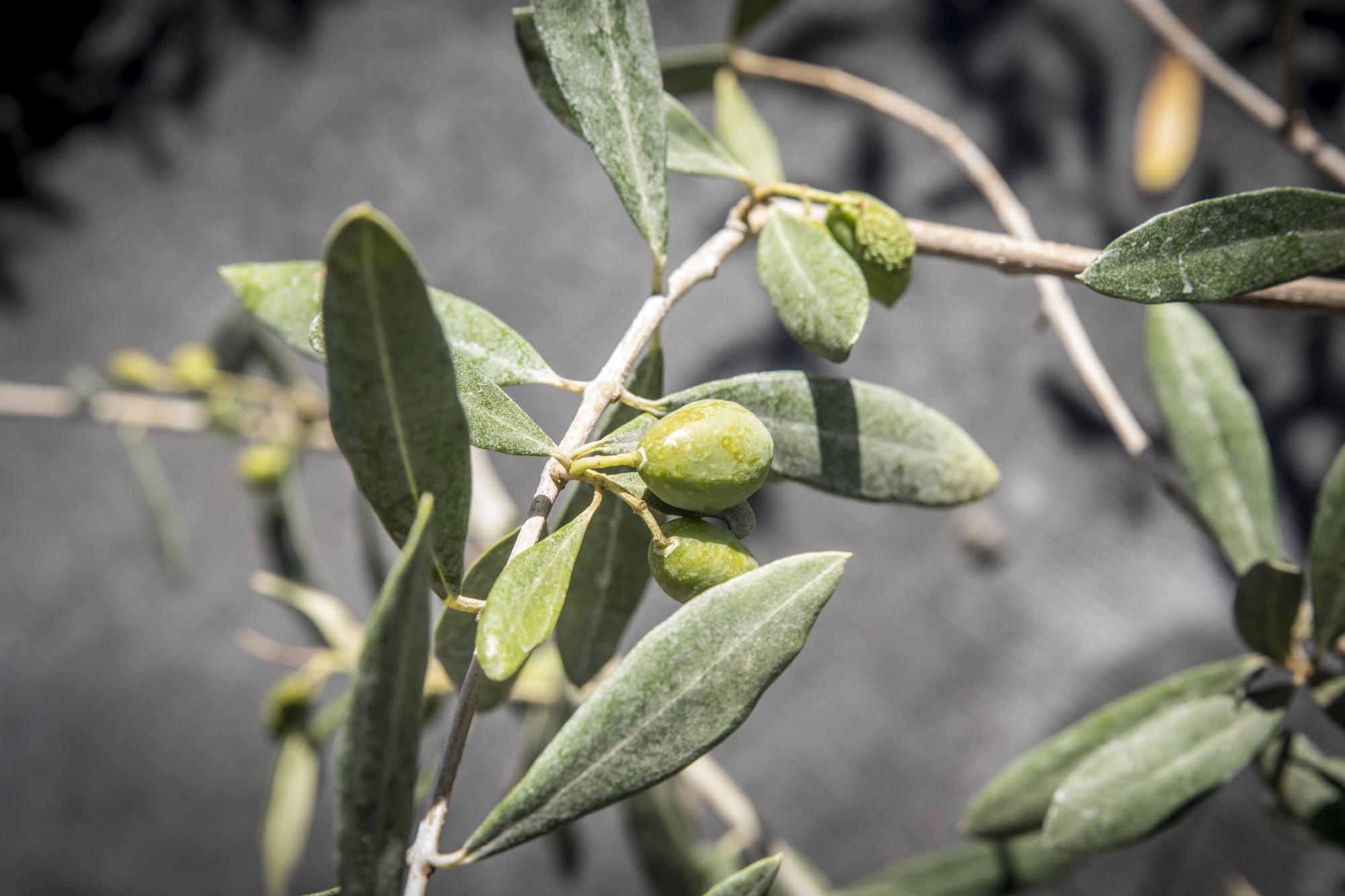
AURORA, Ore. — An olive oil produced from fruit harvested at Oregon State University’s North Willamette Research and Extension Center has earned a bronze medal at the Los Angeles International Extra Virgin Olive Oil Competition.
The oil received a bronze in the “Other Region Blends” category. Three bottles were submitted to the competition, said Neil Bell, a retired Oregon State University Extension Service horticulturist in Polk County who is helping lead OSU’s Olea: Olive Research for Oregon project.
“For a first effort we are very pleased,” Bell said.
The oil was made from olives harvested in November from an Oregon State test orchard that includes 116 different olive accessions.
The medal adds momentum to the Olea project, a research effort launched after small-acreage farmers asked OSU Extension in 2017 to explore olives as a potential crop for the state.
Because there was not enough fruit from any single accession to mill separately this year, the team combined fruit into blends on general maturity of the fruit and sent it to the mill, Bell said. The evaluation includes mostly accessions sourced from the U.S. Department of Agriculture germplasm collection at Davis, California, and other sources.
In 2025, the project — a collaboration between OSU Extension’s Mid-Valley Small Farms Program and local olive growers — produced its first olive oil from the harvest at the North Willamette Research and Extension Center.
Volunteers helped pick fruit over two days, and the team harvested an estimated 900 pounds of olives. About 700 pounds were milled into 11 gallons of oil, which was bottled for quality testing and outreach.
The olives were milled within 36 hours by Beth Wendland at Coyote Hill Nursery, Bell said. All fruit was hand-harvested to help limit damage.
“Beth is a serious student both of the process of milling olives as well as sensory evaluation of oil,” Bell said. “We are very fortunate to have her as a collaborator.”
Before submission, the oil was evaluated by Modern Olives, a lab in Woodland, California, which rated its chemical and sensory qualities as very high, Bell said.
Research explores olives as Oregon crop
The medal adds momentum to the Olea project, a research effort launched after small-acreage farmers asked OSU Extension in 2017 to explore olives as a potential crop for the state.
The project began with funding from the U.S. Department of Agriculture’s Sustainable Agriculture Research and Education program. The project is built around a multi-year, replicated field evaluation designed to identify cultivars that can survive Oregon winters and produce quality fruit.
A grower survey presented at Olive School in June 2025 showed Oregon’s olive industry is expanding across the Willamette Valley. Thirty-two farms participated, with most reporting 5 acres or less in production and 30% reporting more than 5 acres.
Oregon sits near the northern edge of where olives can reliably tolerate winter conditions. Cold snaps can injure trees, making cultivar selection and timing critical for long-term success, Bell said. Oregon’s short ripening season can also limit how fully fruit matures, which affects oil quality and yield.
As the trees in the evaluation mature and produce more fruit, Bell said the team expects to have enough volume to mill targeted blends of specific accessions, or ultimately a mill run from a single accession. Many categories in the Los Angeles competition recognize single-varietal oils, he said, “so that is something to which we can aspire.”
Dining and Cooking