
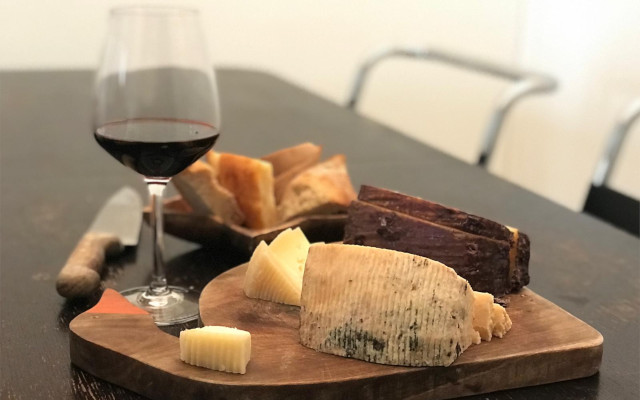
There is an ‘Italian style’ in cooking – recognized by UNESCO An intangible heritage of humanity—and so is drinking alcoholic beverages: moderate consumption, deeply connected to conviviality and the table. This is the finding of the first study on the topic conducted by the Department of Communication and Social Research at Sapienza University of Rome on behalf of Federvini, presented today at Montecitorio during the event “The Italian Way.”
A Mediterranean model based on the table
The most significant feature that emerges from the study concerns the close correlation between consumption and meal timeOver 80% of wine consumption occurs at lunch and dinner; over 70% of cocktails are consumed as aperitifs. The consumption of alcoholic beverages in Italy is not, in the vast majority of cases, an isolated or compulsive act: it is part of a structured social ritual, in line with the traditions of the Mediterranean diet, which in turn recognized by UNESCO as an intangible heritage of humanity.
This behavioral pattern is reflected in the aggregate numbers. With 8 liters of pure alcohol per capita Consumed annually, Italy is 6% below the OECD average. Compared to Europe, the gap is even more marked: Central and Eastern European and Iberian countries consume between 11 and 12 liters per capita annually, or between 37,5 and 50% more than Italy.
Italians’ health: Eurostat data
Virtuous behaviors are reflected in the health of the population. According to Eurostat data, theItaly record the highest life expectancy in Europe: 84,1 years, compared to an EU average of 81,5 years. This record is not due to a single factor but is at least partly attributable to a dietary pattern that also includes moderate consumption of alcoholic beverages.
Strengthening this picture are the data on the evolution of risky behaviours: their prevalence in Italian population decreased by 6 percentage points between 2007 and 2023. A structural, not cyclical, trend that signals a progressively improving consumer culture.
Young people: less daily consumption, more awareness
A specific focus is on the 18-24 age group. 72% of young Italians have consumed at least one alcoholic drink in the last 12 months (75% among males, 68% among females), but the most significant data concerns the daily consumption: only 5,7% of young people drink alcoholic beverages regularly on a daily basis, as do 31,3% of those over 75. Younger generations therefore show a lower propensity for habitual consumption, with signs of a reduction in overall frequency and potentially risky behaviors.
Federvini’s voice
‘Today we have further evidence of what we have always supported: there is an Italian style of drinking, based on moderation, culture and responsibility.’, he declared James Bridges, President of Federvini. ‘It is precisely this style that proves more effective than the restrictive and prohibitionist policies that periodically resurface internationally. A model around which a chain of companies deeply rooted in their local areas has developed over the centuries, contributing to the economy and representing a symbol of quality around the world.. ‘
Education and Responsibility: The University Program
Alongside research, Federvini has confirmed its commitment in the field ofeducation for conscious consumption, launched in 2022 with the program ‘Communicating responsible consumption’ in collaboration with the academic world. The program involved over 700 students from nine universities—including La Sapienza and LUISS in Rome, the Catholic University of Milan, the Universities of Verona, Florence, Turin, Catania, Vicenza, and the Luigi Vanvitelli University of Caserta—training future communications professionals as the first ambassadors of informed communication to their peers. Two important public-private partnerships, with the Municipalities of Rome and Naples, enabled the development of poster campaigns in their respective areas.
GIFT (Great Italian Food Trade) Editorial Team

Dining and Cooking