
 6 min read
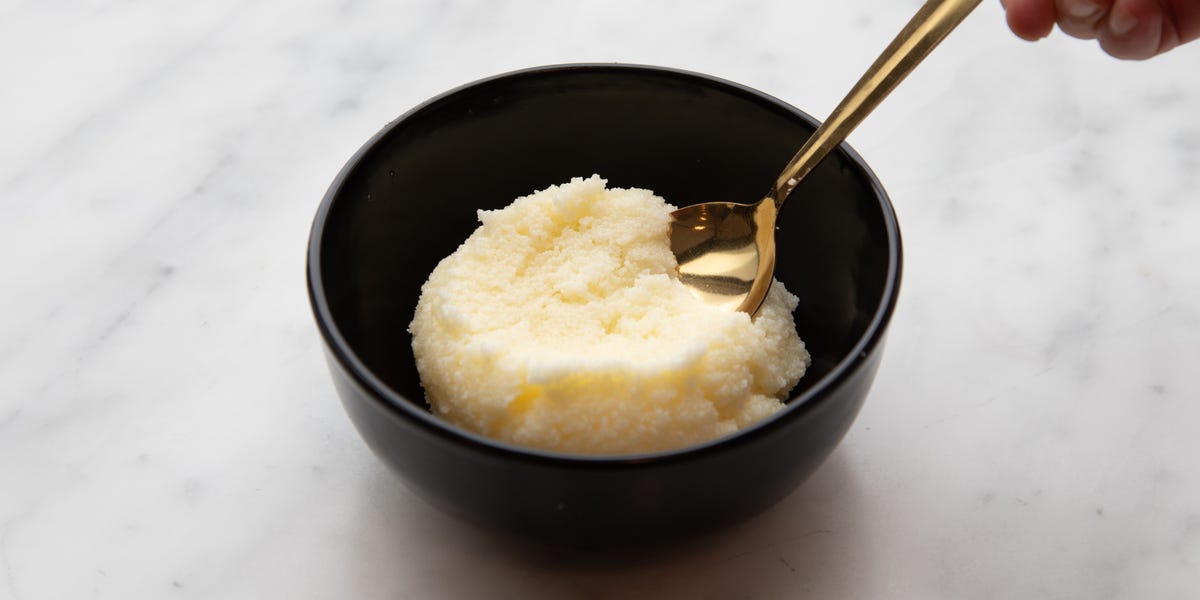
 Beef tallow is making a comeback as cooks look for traditional, less processed fats.Its strength lies in versatility—whether roasting vegetables, searing meat, frying, or even baking, it can enhance both texture and taste.The key to using it well is moderation and context, choosing high-quality sources and using it where its rich, savory flavor will actually improve the dish.
Beef tallow is making an unlikely comeback. The rendered form of beef fat—once a pantry staple before vegetable oils dominated grocery store shelves—is reappearing in restaurant kitchens and home cooking alike. It also has a notable place in fast food history: chains like McDonald’s famously cooked their french fries in beef tallow until the 1990s, and brands like Burger King and Wendy’s relied on it for frying as well before switching to vegetable oils. For many cooks, the appeal is both practical and nostalgic: It’s stable at high heat, adds subtle savory depth, and works in everything from roasted vegetables to flaky pie crusts.
So why the renewed attention now?
According to Marianne Adams, Heritage Director at Adams Group and the namesake of Marianne’s which has both a classic beef tallow and organic beef tallow in their line-up, the shift reflects a broader move toward simpler, less processed ingredients. She says many consumers are reevaluating the oils they cook with and gravitating toward traditional fats they recognize and trust. Tallow also performs well in the kitchen—it stays stable at high temperatures (up to about 400°F) and contributes a richness that works especially well for roasting, searing, and frying.
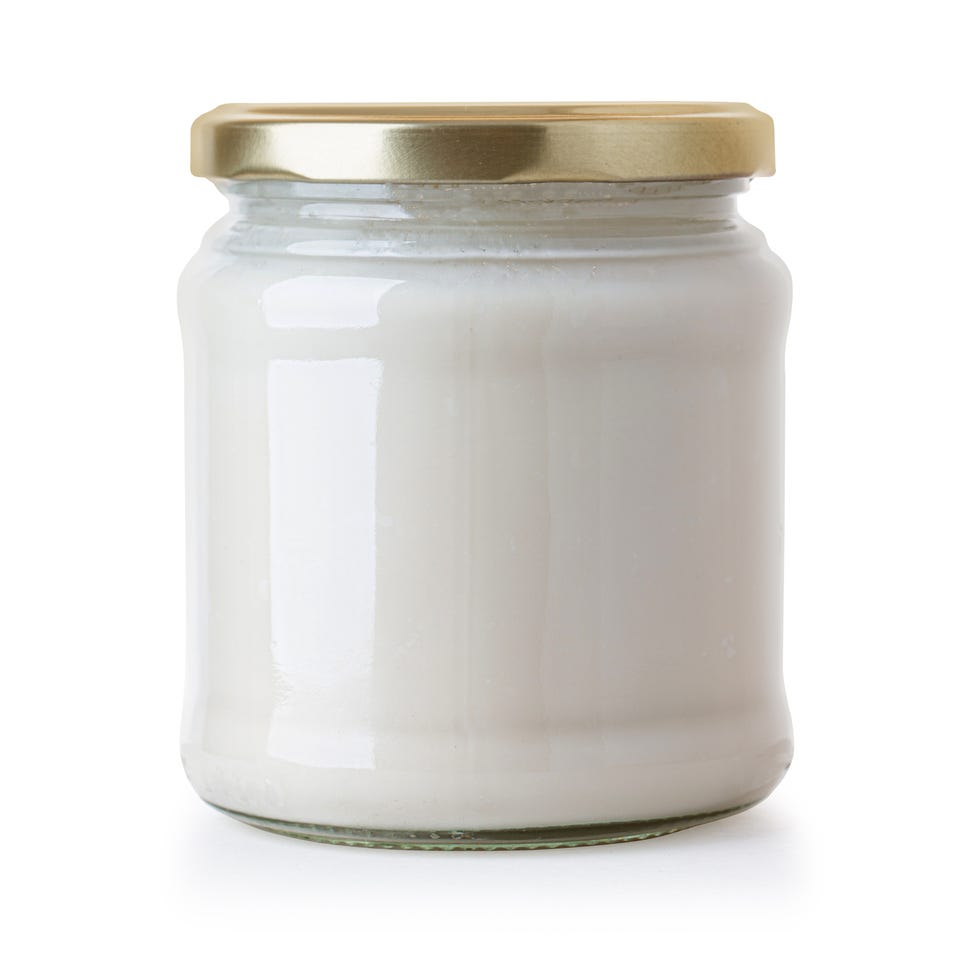 alenkadr//Getty Images
Interest in beef tallow has led to a noticeable increase in packaged, ready-to-use tallow products hitting the market in recent years.
“The resurgence of beef tallow in 2026 reflects a broader shift in how we think about fats,” says Catherine Lane, VP of Consumer Brands at South Chicago Packing, which produces a range of cooking fats including Wagyu beef tallow and blended beef tallow products designed for high-heat cooking. “The latest U.S. Dietary Guidelines emphasize overall dietary patterns and fat quality rather than eliminating specific fats, which is prompting consumers to rethink long-held assumptions about traditional cooking fats.” She adds that social media has further amplified its appeal.
“Unlike many cooking fats, beef tallow has a high smoke point, making it ideal for frying, roasting, grilling, and bringing depth of flavor to dishes,” Lane says.
Below, experts explain how to cook with beef tallow—and how to make the most of it.
Related StoryWhat exactly is beef tallow?
Beef tallow is rendered beef fat that’s been slowly cooked and strained to remove impurities, leaving behind a smooth, relatively shelf-stable fat that solidifies at room temperature. Historically, it was a multipurpose kitchen staple used for frying, sautéing, and baking long before many modern oils became commonplace.
How the fat is sourced and processed can make a noticeable difference in taste and performance. Adams explains that high-quality tallow typically comes from responsibly raised cattle and is rendered slowly at controlled temperatures, which helps preserve its clean flavor while separating impurities. That careful rendering process also helps maintain the fat’s natural stability, making it reliable for high-heat cooking.
Why chefs like cooking with it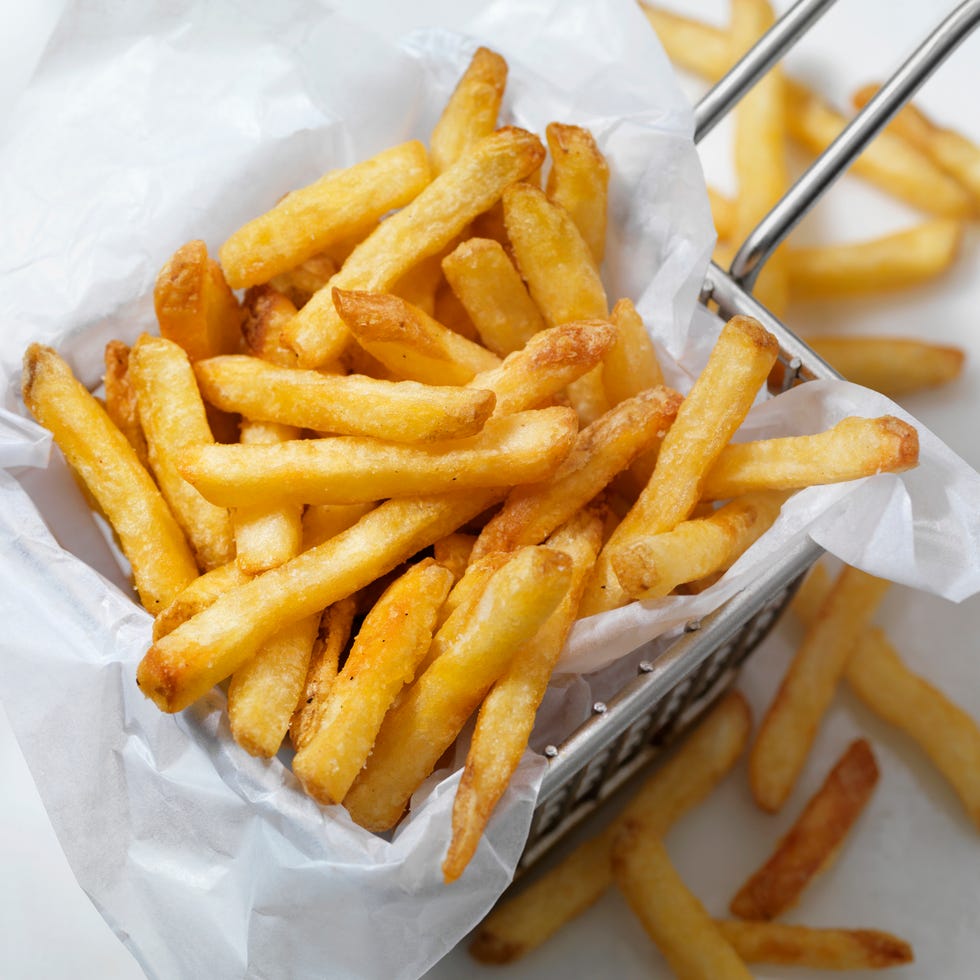
LauriPatterson//Getty Images
It delivers better browning and crisp edges: One of tallow’s biggest advantages is how it behaves in the pan. Its fat structure promotes deep browning, which is why it’s long been favored for foods like potatoes, roasted vegetables, and seared meats.It adds richness without overpowering: Adams says tallow brings a subtle savory depth that enhances ingredients rather than masking them.It holds up to high heat: With a smoke point around 400°F, it can handle intense heat for frying, roasting, and searing without breaking down.Chefs consider it a kitchen workhorse: Chef Jessica Koslow, founder of Sqirl in Los Angeles, calls beef tallow “a legend in the kitchen—sturdy, dependable,” adding that “when the heat rises, it simply rolls up its sleeves and gets to work.”It excels at frying: Koslow especially likes it for spuds. “I adore using it to fry potato chips or french fries, which emerge perfectly crisp and deeply golden,” she says. She also recommends it for skillet toast, where it creates a deeply bronzed, savory crust.It supports a low-waste cooking approach: For Koslow, using tallow gives beef fat a “second act,” turning what might otherwise be discarded into something useful and flavorful.It enhances both flavor and texture: Lane says tallow stands out from common oils because it adds a deeper, umami-forward flavor while also creating a crisp exterior with a clean, non-greasy mouthfeel.It improves consistency in high-heat cooking: Thanks to its stability, Lane notes it delivers a better sear and more reliable results compared to many standard cooking oils.Related StoryWhat you can use beef tallow for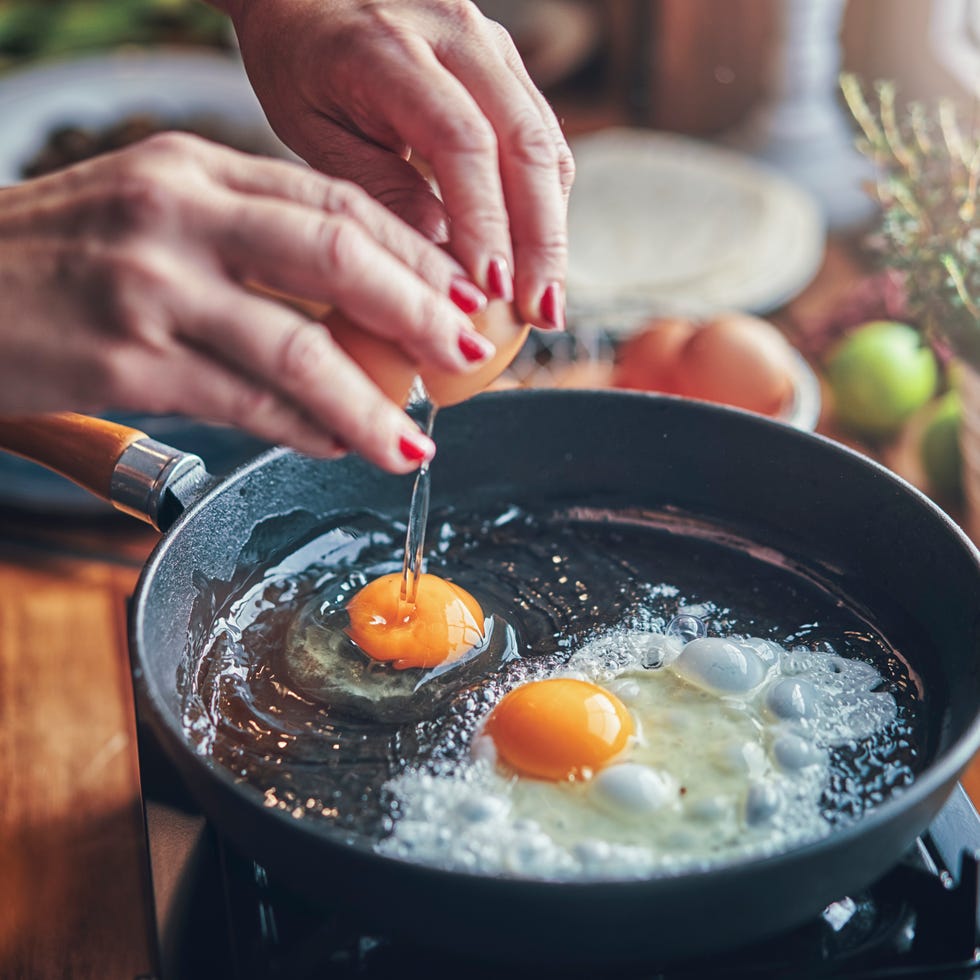 GMVozd//Getty Images
Want to try cooking with beef tallow? Start with eggs.
For home cooks curious about trying tallow, the easiest approach is to treat it as a direct substitute for other cooking fats. Here are a few easy ways to use it:
Eggs: Lane recommends starting here as an easy entry point. Use about a teaspoon instead of butter or oil to cook one egg as usual for crisp edges and a richer flavor.Roast vegetables: Toss potatoes, carrots, or Brussels sprouts with a spoonful of tallow to boost caramelization and add depth.Sear proteins: Use it for meats, chicken thighs, or even salmon—it handles high heat without burning. For steak, Lane says, use beef tallow right before searing to get a deep, flavorful crust that locks in juices and delivers a restaurant-quality finish.Fry or crisp: Ideal for hash, or pan-fried foods where you want extra crunch and richness.Grilled cheese: Swap butter for beef tallow in a classic grilled cheese—it instantly adds a richer, more savory flavor and an unbeatable golden crunch.Bake with it: Swap it in for lard or butter in pie crusts, empanadas, or even savory bakes like shepherd’s pie for a flakier texture. Lane notes it can also be used in brownies.Upgrade everyday cooking: Use it to sauté onions, cook eggs, or stir a small amount into rice for added depth.
The key, Adams says, is that cooking with tallow doesn’t require a whole new set of recipes. “It’s less about changing how you cook and more about upgrading what you already make.”
Lane offers a similar mindset in practice. “Instead of asking, ‘Can I replace oil with tallow in this dish?’ it’s more helpful to ask, ‘Will this dish benefit from richer, more savory flavor and crisp texture?’” she says.
 Mike Garten
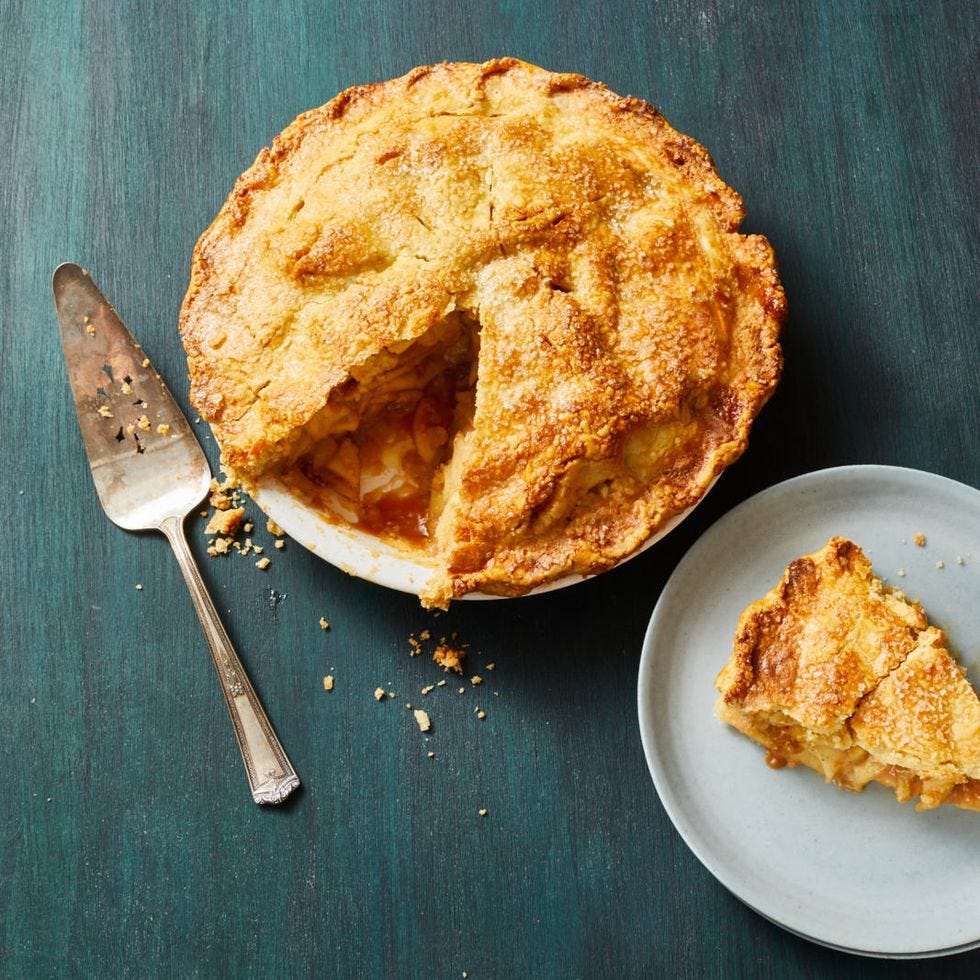
Instead of lard or butter, sub in beef tallow in pie dough.
Related StoryMistakes to avoid when cooking with beef tallowUsing too much: Like many flavorful fats, tallow is best used in moderation. Because it’s rich, a small amount goes a long way—overdoing it can overwhelm a dish.Assuming it’s only for heavy foods: A common misconception is that tallow only works in rich or heavy dishes. Adams notes that high-quality, slow-rendered tallow has a relatively clean flavor that complements a wide range of ingredients without dominating them.Using it where a neutral fat works better: Lane points out that context matters. Because tallow has a distinct savory flavor, it’s not ideal for dishes where you want a very neutral taste. Avoid it in delicate baked goods (such as vanilla cakes or muffins), light vinaigrettes, or dishes with subtle flavors like poached fish or steamed vegetables, where it can overpower the final resultStoring it improperly: Solid tallow is generally shelf stable if properly rendered and stored, but it should be kept in a cool, dry place away from light and heat. Refrigeration is optional but can help extend its shelf life.What to look for when buying beef tallow
JackF//Getty Images
Prioritize sourcing: Experts say to approach tallow the same way you would meat—where and how it’s produced matters.Look for certifications and traceability: Adams notes that labels like USDA Organic or CARE certification can signal how cattle were raised and how the supply chain is managed.Choose carefully rendered products: Transparent sourcing and slow, controlled rendering practices help ensure better flavor, purity, and performance in the kitchen.Apply the same standards as you would to meat: Koslow emphasizes that the same level of care people use when choosing protein should extend to cooking fats. “Just as you care about where your protein is sourced from and how it was raised…the same care should extend to where your beef tallow is derived from,” she says.
“If we’re mindful about the meat on the plate,” Koslow adds, “it only makes sense to be just as intentional about the fat in the pan.”
Dining and Cooking