
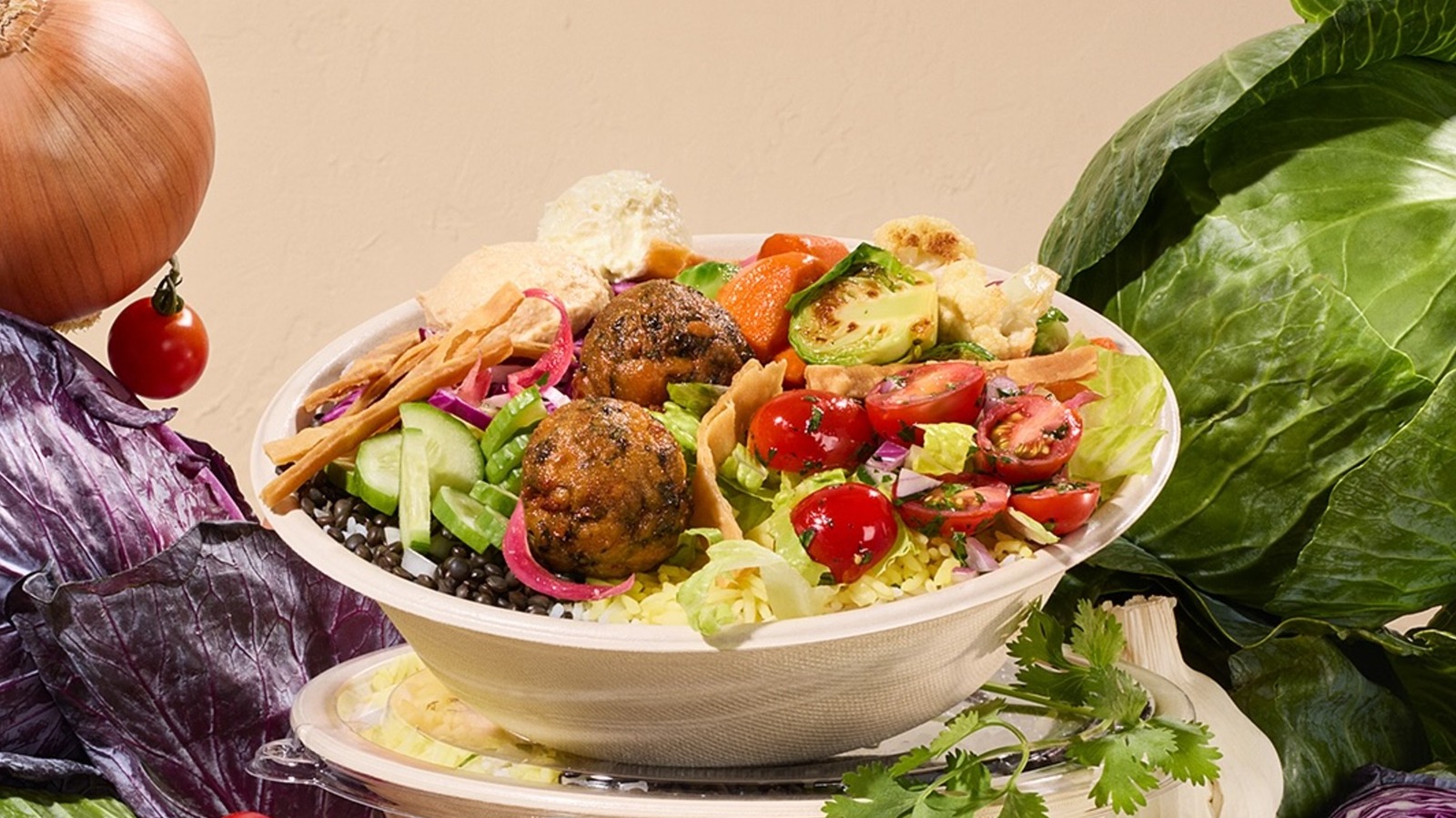
Born in the Maryland suburbs of Washington, D.C., Cava has become a popular choice for fast-casual Mediterranean food in California, Texas, Florida, and 26 other states nationwide. That wasn’t always the case, though, as this company expanded in part by absorbing and rebranding an older, more established, but fundamentally similar rival: Zoës Kitchen.
Zoës Kitchen was a prominent part of the fast-casual scene in America’s sun belt, a strip of sunny-weather states stretching from the Atlantic to the Pacific coasts. Like Cava, it also served Mediterranean food and had a well-earned reputation for freshness that still has some fans missing it.
Despite everything Zoës Kitchen had going for it, Cava acquired the company in 2018. By 2023, all locations had closed or been rebranded as Cava, and there’s little chance the Zoës name will ever return. The reasons have to do with some of the fundamentals of business, as proven true by Cava’s significant growth since the once-misunderstood acquisition.
Cava bet big on rapid growth
Zoës Kitchen was 11 years old when Cava was founded in 2006, and both businesses churned along in the fast casual restaurant space despite selling similar food. While Cava seemed promising, Zoës began to stagnate, and reached out to an industry giant for turn-around help: Ron Shaich, co-founder of Au Bon Pain and Panera Bread.
However, Shaich is also a mentor to and funder of Brett Schulman, Cava’s co-founder and CEO. Schulman pointed out to his mentee that Zoës needed his leadership to succeed, and suggested raising the capital to buy it. And Shaich knew how much it cost, having sold Panera to JAB Holdings in 2017 (and, unfortunately, triggering the decline of the once-great Panera Bread).
Despite leading a significantly smaller company — 60 stores to Zoës’ 260-plus — Schulman liked the idea of an acquisition, but not of saving Zoës Kitchen. With Cava already outperforming the brand, and Zoës’ significant retail holdings in some of its most desired markets, Schulman instead saw Zoës as the foundation for Cava’s future.
Zoës helped build Cava as we know it
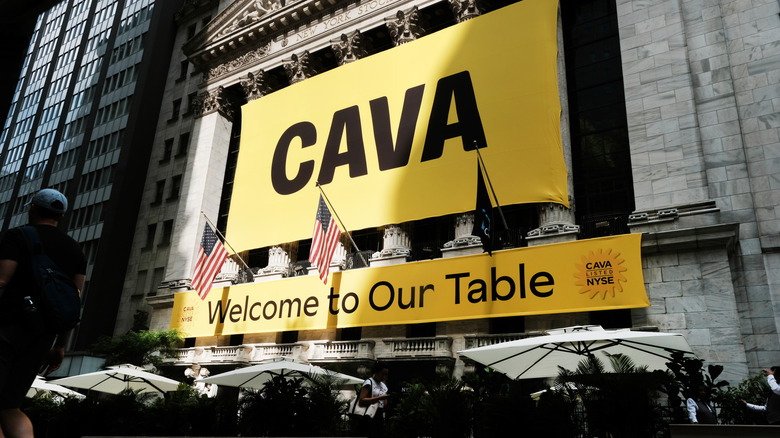
Spencer Platt/Getty Images
Brett Schulman raised the capital and signed the deal, and in 2018, Zoës Kitchen became a subsidiary of Cava. Concerned that Zoë’s stagnation may spread to the core brand, Schulman and Cava focused first on stabilizing the newly massive business.
Over five years and the departures of many of Zoë’s senior staff, the umlauted brand faded away, as every location either became a Cava or closed. For Cava’s part, it’s been an enormous success. The company went public in 2023 with an IPO priced at $22 a share. As of March 2026, Cava is trading at $84.43 per share.
Fans of Zoës will likely have to content themselves with copycat recipes from the glory years, like this simple recipe for Zoës Kitchen quinoa burgers, or for the pescatarian crowd, a Zoës salmon, orzo, and spinach recipe. There’s a chance Cava could debut dishes similar to the old Zoës menu, but don’t bet on a full-fledged comeback.
Dining and Cooking