
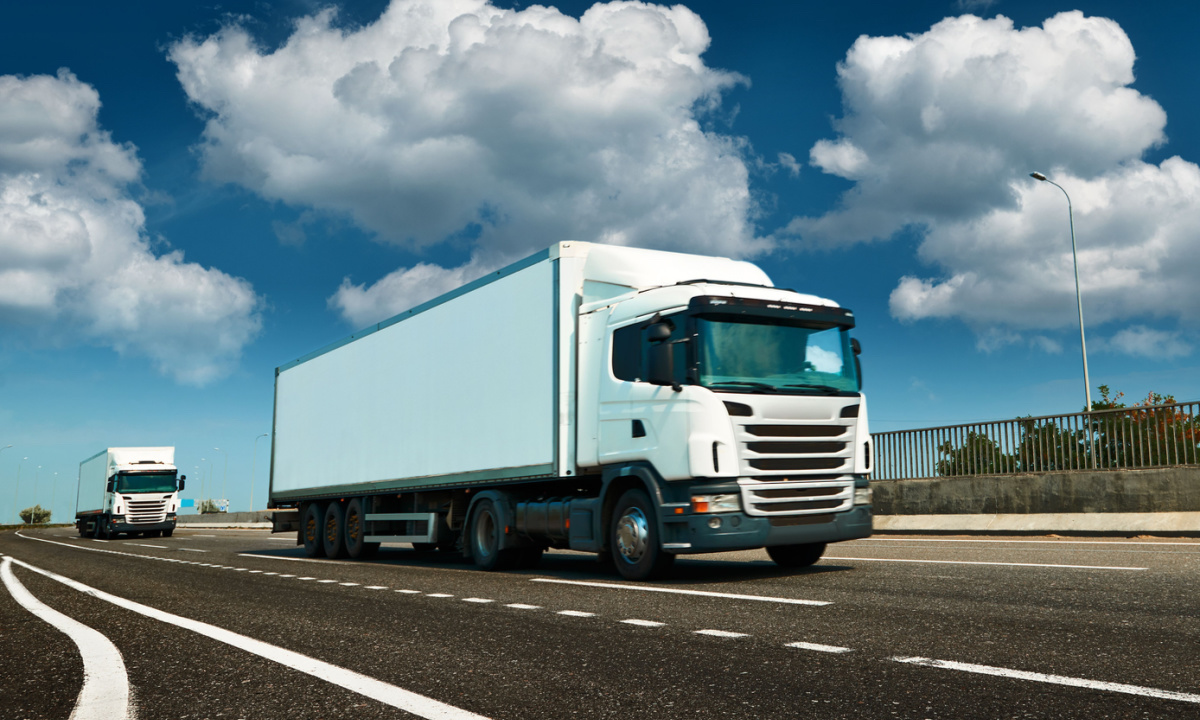
Rising diesel fuel costs have reportedly led fresh food sellers to hike their prices.
As the New York Times (NYT) reported Tuesday (March 31), the average price of diesel has risen 44% since the war in Iran began last month. If the conflict continues, the report added, pressure on business all along the supply chain will likely increase.
Analysts told the NYT that fuel surcharges are already being tacked onto the shipping cost of some food items, such as fruits that are highly perishable or seafood that is transported from remote locales.
The report cites the example of salmon caught off the coast of Chile. That fish is driven from the southern point of South America to the city of Santiago, flown to Miami, and then put onto trucks bound for supermarkets and restaurants throughout the U.S.
Now restaurants are faced with rising salmon prices just before Easter, when many chefs promote the fish on their menu, said Janice Schreiber, who monitors the seafood industry at Expana, a market data provider for the agriculture and food industries.

We’d love to be your preferred source for news.
Please add us to your preferred sources list so our news, data and interviews show up in your feed. Thanks!
“It all has to be done rather quickly, and at each of the different points, there is a fuel surcharge being added,” Schreiber told the news outlet. “All during one of the highest periods of demand for salmon.”
Advertisement: Scroll to Continue
The NYT added that grocery stores, restaurants, hospitals and schools are all likely noticing higher food shopping costs, as many of the biggest food distributors have fuel surcharges that move in line with the national price of diesel.
These increases are happening as consumers are struggling to keep up with daily expenses, according to recent PYMNTS Intelligence research.
The report “Economic Pressures Split the Generations as Each Rethinks the Basics” finds that this strain now touches on every age group, with half of consumers saying they are struggling to stay on top of day-to-day living expenses.
The research found that 84% of consumers already struggling with daily expenses reported groceries and household essentials are the biggest problem. That means 42% of all Americans are having trouble affording groceries. That figure rises to 46% among baby boomers and seniors. But as noted here Tuesday, there is also a “more constructive” way to read this data.
“Even with costs still high, consumers are not standing still,” PYMNTS wrote. “They are adjusting, cutting back, postponing purchases and looking for help where they can find it. Younger groups, in particular, report stronger success in making those adjustments work.”
Dining and Cooking