
Medically reviewed by Kierra Brown, RD
Credit: fcafotodigital / gGtty Images
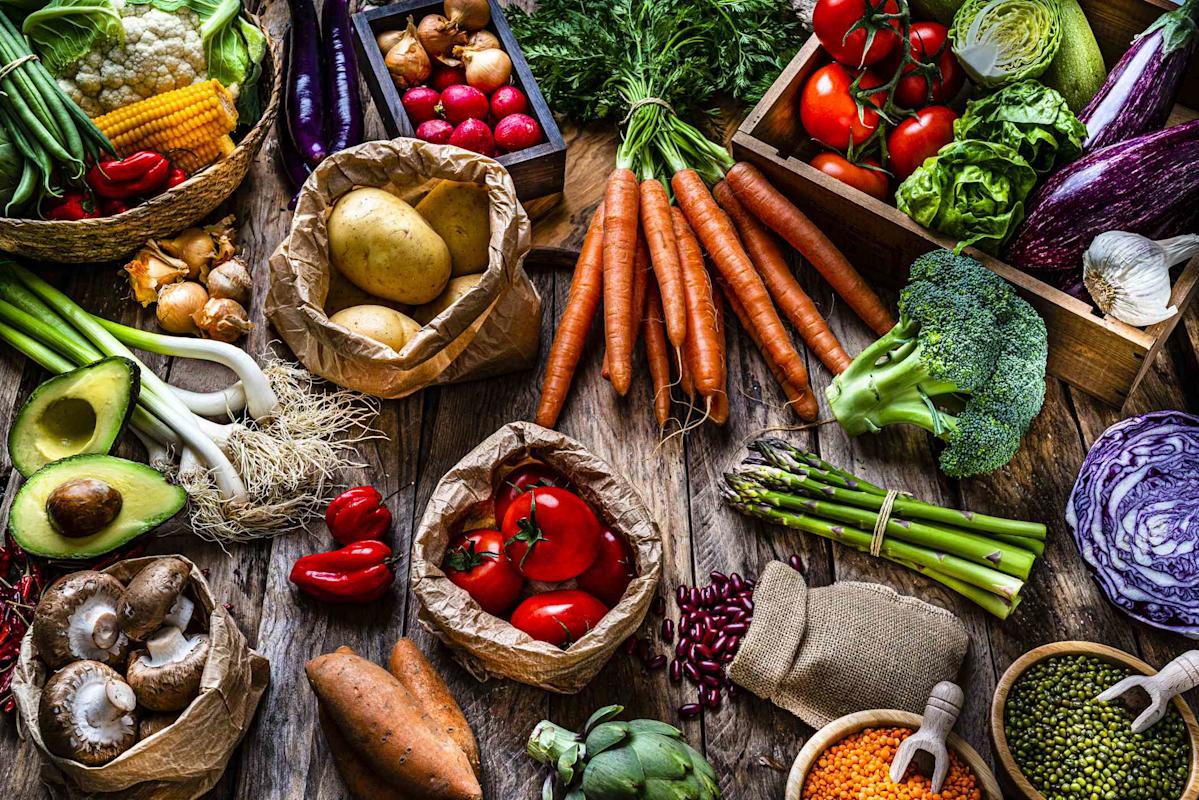
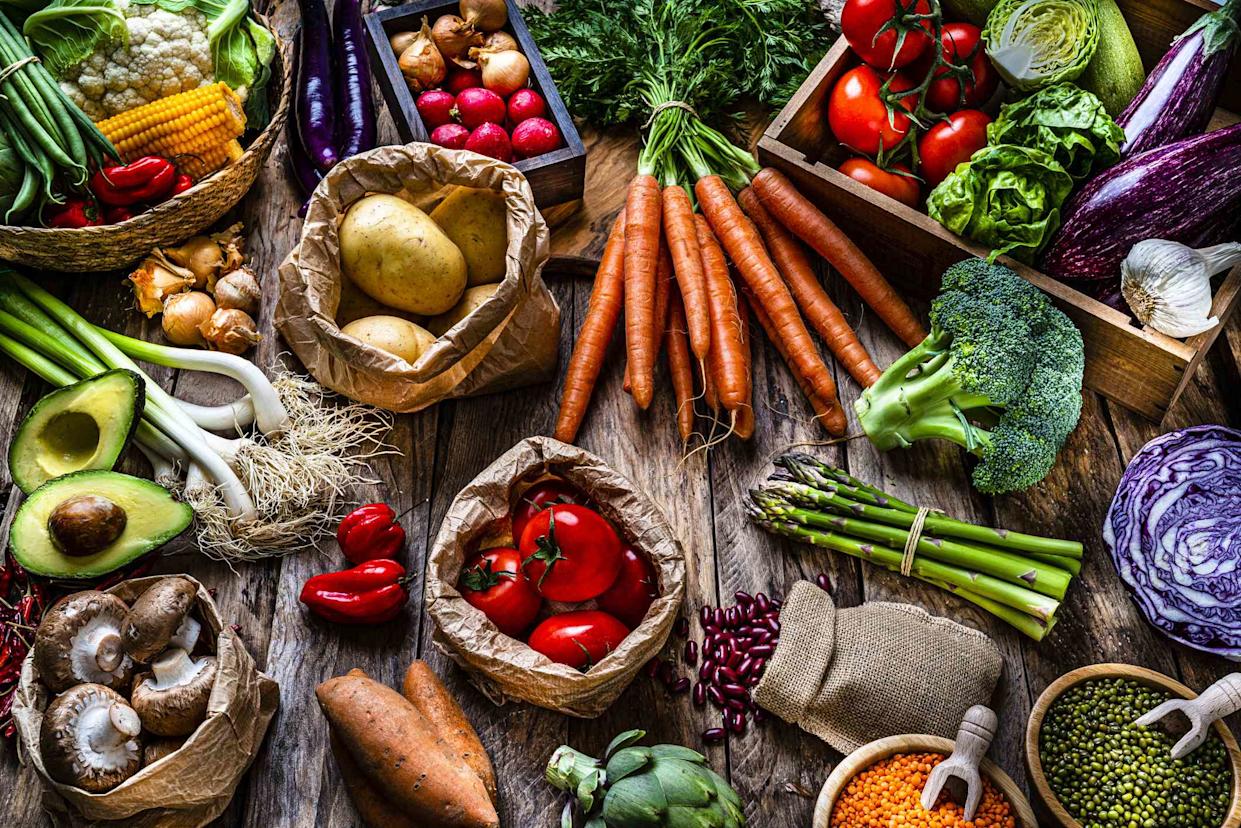
Vegetables are a staple of the Mediterranean diet.
Try artichokes, beets, bell peppers, carrots, eggplants, mushrooms, potatoes, and more on the diet.
You can eat leafy green vegetables daily to lower your risk of heart disease.
Vegetables are a central part of the Mediterranean diet, which emphasizes plant-based foods. This diet pattern offers numerous health benefits.
1. Artichokes
Some Mediterranean countries are leading producers of artichokes in the world. A large artichoke (162 grams) provides 23% of your Daily Value (DV) for magnesium, 28% for folate, 20% for vitamin K, and 10% for iron and vitamin C.
Artichokes are also rich in fiber. A large artichoke contains 9 grams of fiber, about one-third of the daily recommended intake. Fiber helps with blood sugar control, digestive health, weight management, and heart health.
The 2025-2030 Dietary Guidelines for Americans don’t provide specific recommendations for daily fiber intake. However, experts recommend that adults consume 25-38 grams of fiber daily, depending on age and gender.
2. Asparagus
Ancient Egypt and Greece cultivated asparagus, which is native to the Mediterranean region. Asparagus contains folate and vitamins E and K. One cup (134 grams) provides 46% of the DV for vitamin K. Vitamin K helps with blood clotting when you bleed and is also essential for bone health.
3. Beets
Beets are generally roasted, pickled, or added to salads in the Mediterranean diet.
Beets are a source of nitrate, which helps form nitric oxide in the body. Nitric oxide helps widen your blood vessels, which improves blood flow and lowers blood pressure. Limited studies show that beetroot juice can reduce blood pressure.
4. Bell Peppers
Bell peppers are a common ingredient in the Mediterranean diet. They are often used in salads, stews, and recipes like meat-stuffed bell peppers.
Bell peppers are high in vitamin C, an antioxidant that helps prevent cell damage and disease. Vitamin C also supports your immune system and wound healing. One medium bell pepper exceeds the DV for vitamin C.
5. Carrots
Carrots are used in soups, stews, salads, and mezze, a Mediterranean appetizer. They are a great source of carotenoids like beta-carotene, lutein, and zeaxanthin. These carotenoids give vegetables and fruits yellow, orange, and red colors.
Some carotenoids convert to vitamin A, which supports cell growth and development. It is necessary for the function of the eyes, lungs, heart, and other organs. A medium carrot (61 grams) provides over 56% of the DV for vitamin A.
6. Eggplant
Eggplant is one of the top five most popular vegetables in the world. It was introduced to the Mediterranean region in the 13th century in Greece. It is now mainly grown in Middle Eastern and Mediterranean countries.
Eggplants provide many vitamins and minerals in small amounts. The eggplant peel is rich in anthocyanins, strong antioxidant compounds that give fruits and vegetables a purple color.
Eggplant flesh also contains antioxidant plant compounds called polyphenols, primarily chlorogenic acid. Limited studies have shown chlorogenic acid can improve blood lipid (fat) levels.
7. Garlic
Garlic is at the heart of Mediterranean cuisine. Studies show that garlic has antioxidant and anti-inflammatory properties. It may also improve metabolic and heart health.
A research review found that garlic can lower blood lipid levels. However, the reduction was small, so more studies are needed to confirm this benefit.
These studies generally use garlic extract, supplements, or large doses of products like garlic powder. A typical diet likely won’t contain those amounts of garlic, but adding garlic to your meals can help you get more of its beneficial compounds.
8. Leafy Green Vegetables
Leafy green vegetables are widely used in Mediterranean cuisine, particularly in salads. They’re rich in many nutrients, like vitamins A, C, and K. Leafy greens also have minerals, like phosphorus, calcium, folate, magnesium, and iron.
Leafy green vegetables include:
These greens also contain high levels of nitrate, which is linked to a lower risk of common heart diseases.
One review found that people who ate green leafy vegetables almost daily had a 16% lower risk of heart disease than those who ate the least. However, the results relied on self-reported daily intake, which may not always be accurate.
9. Mushrooms
The Mediterranean diet uses mushrooms in soups, stews, risotto, pasta, salads, and mezze.
Mushrooms contain B vitamins such as B3, B5, and B7 (biotin). These B vitamins help produce energy and support metabolism.
Mushrooms also contain vitamin D, which helps support bone health, immune function, and mood. Exposing mushrooms to ultraviolet (UV) light, such as sunlight, for 15–20 minutes can boost their vitamin D levels further.
10. Onions
In the Mediterranean diet, onions are commonly used as a base with oil when cooking meals.
Onions contain many compounds linked to metabolic health benefits. A research review found that onion supplements can improve blood lipid levels, such as cholesterol, and may also help with weight management.
These studies used concentrated doses of onion, much higher than the typical onion intake from diet. Regularly eating onions may still contribute to metabolic and heart health.
11. Potatoes
Potatoes are favored in the Mediterranean diet, as in many other cuisines. A medium potato (213 grams) is high in potassium, providing more than 25% of the DV.
A low potassium intake can raise the risk of high blood pressure, especially when combined with a high-sodium diet. Eating more potassium-rich foods can help prevent high blood pressure and heart disease.
12. Pumpkin
Pumpkin is commonly used in soups, pastas, and desserts in the Mediterranean diet. It’s rich in vitamin A and other carotenoids, such as lutein and zeaxanthin. It also contains vitamin E, a nutrient essential for your eyes, skin, brain, and more.
If you’re cooking with pumpkin, don’t throw away the seeds; they are a great source of protein, fiber, and healthy fats.
13. Radishes
Radishes are mostly roasted or pickled and added to meals and salads. They contain many molecules with potential health benefits. Limited studies suggest that radishes may lower blood sugar, but daily consumption is unlikely to reach the amount used in studies.
14. Tomatoes
Raw and cooked tomatoes are staple foods in the Mediterranean diet. They are rich in carotenoids and vitamins A, C, and E—all of which have antioxidant properties.
Tomatoes come in many colors, and their color partly reflects the compounds they contain. Red tomatoes, for example, are rich in lycopene. Limited studies suggest that lycopene can improve skin, vision, and heart health.
15. Zucchini
Zucchini is rich in carotenoids such as lutein and zeaxanthin. These carotenoids may increase eye pigments, which help prevent light damage—including from sunlight—and protect eye health.
Plant-Based Mediterranean Diet Meal Ideas
Vegetables and fruits are key to the Mediterranean diet. While the eating pattern includes animal-based products like eggs, seafood, and lean meats, many of its benefits lie in its abundance of plant foods.
Whole grains, legumes, nuts, and seeds can provide essential nutrients like protein, fats, and fiber. Paired with vegetables, you can use these foods to make many Mediterranean-inspired meals. Here are a few ideas:
Stuffed peppers with quinoa and eggs
Mashed potato bowl with broccoli, tomatoes, cucumber, and chickpeas
Roasted vegetables with hummus dip
Frittata with spinach, peppers, tomatoes, and cheese
Ratatouille with eggplant, zucchini, red peppers, tomatoes, garlic, and onion
Stuffed pasta shells with pumpkin and ricotta filling
Pancakes with zucchini and Parmesan, topped with Greek yogurt
Beet salad with sweet potato, arugula, and wild rice, all mixed in olive oil and spices
Asparagus cooked with lemon and shallots
Artichokes pressure-cooked with olive oil, garlic, parsley, and oregano
Read the original article on Health
Dining and Cooking