
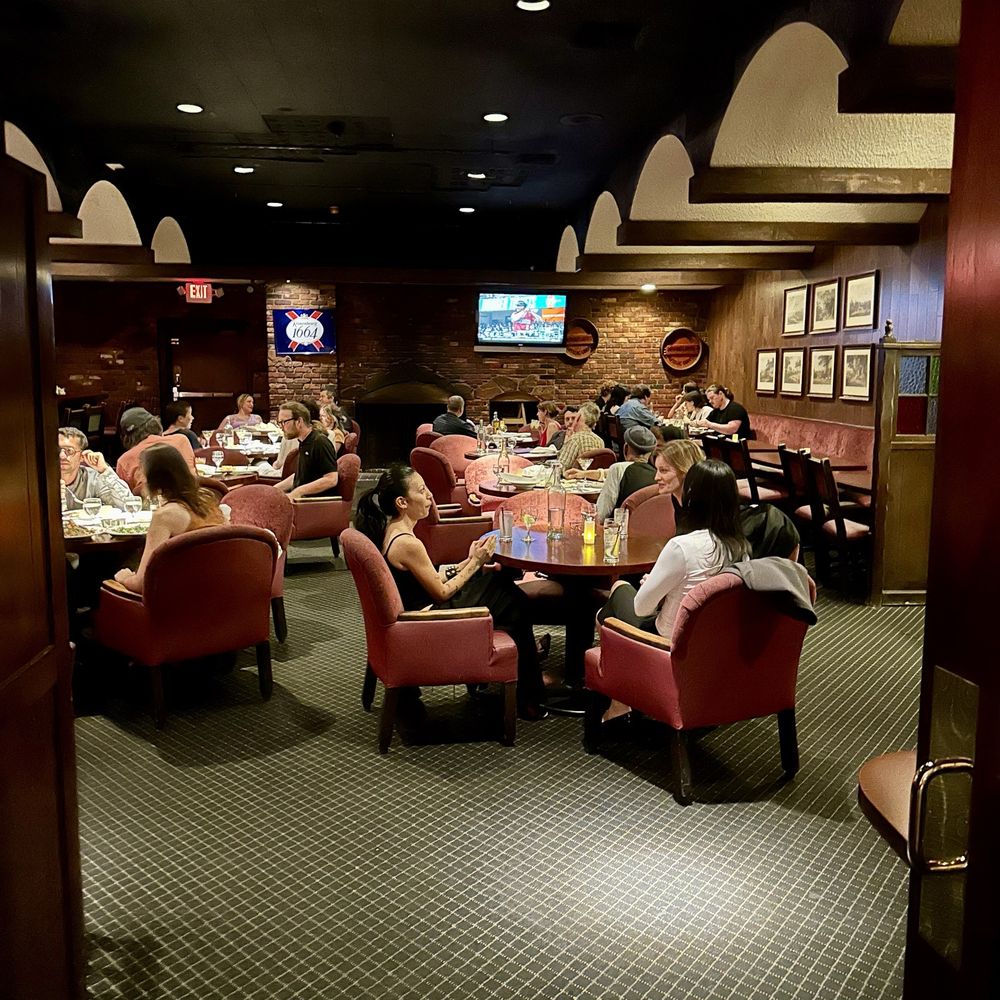
Taix French Restaurant in Echo Park officially closed its doors on March 29, 2026, after 99 years in business.
In a city often accused of erasing its past, the closing of Taix French Restaurant feels less like a routine shuttering and more like the end of a cultural chapter. After nearly a century—first opening downtown in 1927 before relocating to its familiar chalet-style home on Sunset Boulevard in 1962—the beloved institution in Echo Park has served its final meal, at least in its current form.
Yet, unlike so many L.A. landmarks that vanish without a trace, Taix’s story is not over.
Courtesy of Yelp

Courtesy of Yelp
Courtesy of Yelp
Courtesy of Yelp
A Pause, Not a Farewell
Financial necessity—tied to the sale of the property—forced the family’s hand. In its place, a mixed-use development with housing, retail, and dining will rise. But Taix isn’t disappearing; it’s regrouping. The owners plan to return as the keystone restaurant tenant when construction wraps, tentatively around 2029–30.
“There’s also hope,” said owner Michael Taix. “We’re looking forward to trying to establish ourselves again when this building is completed as the keystone retail at this exact location.”
In a city that rarely rebuilds its past, even that promise feels meaningful.
The Soul of a Neighborhood
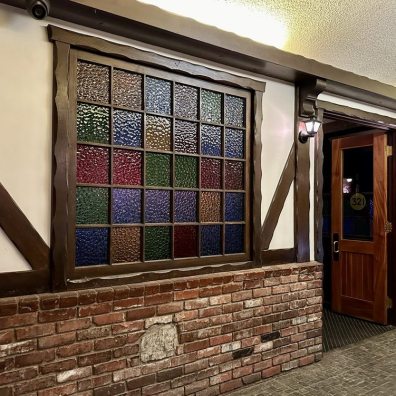
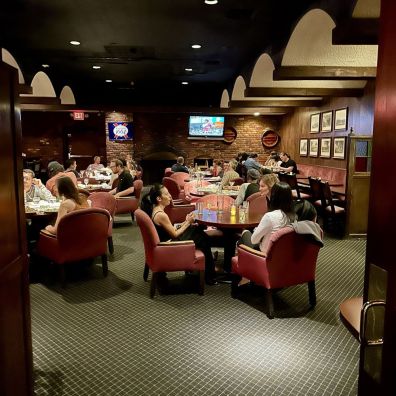
Taix didn’t chase trends. It didn’t pivot, rebrand, or polish itself into something it wasn’t. It stayed dim, sprawling, and unmistakably itself—deep banquettes, low lighting, and rooms that seemed to unfold forever.
“When you live in Echo Park, you can’t not know about Taix,” said Andrew Garston, a longtime local. “It’s the established great dining destination in the neighborhood.”
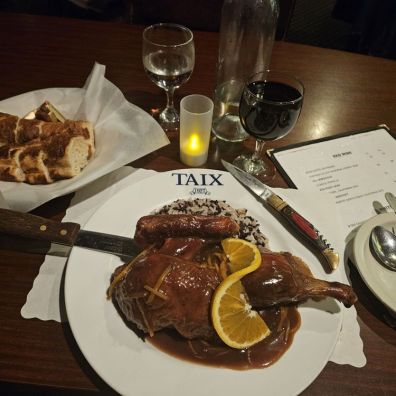
That familiarity made it more than a restaurant. It became a shared living room for the neighborhood—where artists, police officers, writers, and night owls overlapped, sometimes awkwardly, often memorably, always over onion soup and steak frites.
A Cultural Salon in Disguise
In a recent reflection for Los Angeles Times, writer Sammy Loren described the closure as “a grim reminder of L.A.’s insatiable appetite to destroy its own heritage,” noting how deeply the space resonated with the city’s creative class.
For Loren, Taix wasn’t just a restaurant—it was a timeline. A place that held different versions of a life as it unfolded.
“It’s difficult to explain why this cavernous and windowless restaurant means so much,” Loren wrote, before cataloging a life lived across its tables—romances, collaborations, and chance encounters.
Writer and artist Chris Kraus, co-editor of Semiotext(e), echoes that sentiment. She remembers Taix as both refuge and meeting ground, especially alongside her late collaborator Sylvère Lotringer.
“For him it was a little reprieve from the non-Frenchness of L.A.,” Kraus said. “He could order in French and exchange pleasantries with an elderly French waiter who seemed to live there.”
Over time, Taix became the setting for annual gatherings with Hedi El Kholti—equal parts dinner, debrief, and creative checkpoint—where ideas and friendships carried on between courses.
A Restaurant That Resisted Time
Taix endured because it resisted change. While Los Angeles dining leaned into minimalism, seasonality, and design-forward spaces, Taix stayed comfortably out of step. Its “charmingly shabby faux-1920s interiors,” as Loren described them, didn’t feel curated—they felt accumulated.
Even a bar refresh about a decade ago barely shifted the mood. If anything, it underscored how rare it is for a place to hold its identity in a city built on reinvention.
Before the Bulldozers
In its final weeks, Taix turned into something close to a pilgrimage site. Regulars came back not just to eat, but to mark the moment—to sit in their usual booths, to linger at the bar, to take in the familiar hum one more time.
Because everyone understood: this wasn’t just a closing. It was a handoff—from place to memory.
Such is the paradox of Taix: even as it closes to make way for condos, it resists becoming a relic. Its planned return offers something rare in Los Angeles—a thread of continuity, however fragile, between what was and what might be.
Et à Bientôt
“Adieu, Taix. Et à bientôt.”
It’s a sentiment that captures both the grief and the optimism surrounding this moment. Los Angeles may be losing a physical space, but it hasn’t yet lost the story—or the possibility of its continuation.
If the new Taix can carry forward even a fraction of what made the original so beloved—the intimacy, the unpredictability, and the sense of belonging—it may once again become what it has always been: not just a restaurant, but a living archive of the city itself. We, for one, are willing to give the new place a chance. « Qui vivra verra »
Like this:
Like Loading…
Related
Discover more from SW Newsmagazine
Subscribe to get the latest posts sent to your email.
Dining and Cooking