
Credit: Elena Noviello / Getty Images
Certain Italian ingredients have become staples in American kitchens. But extra-virgin olive oil and San Marzano tomatoes only scratch the surface of Italy’s diverse pantry.
From fish sauce to fennel pollen, the country’s specialty products span regions and flavor profiles. Many are instrumental in the l’arte di arrangiarsi, or “the art of making do” — creating complex dishes from simple ingredients and techniques. To help you apply this cooking philosophy at home, we asked Italian chefs to share the staples they always keep in their kitchens.
Related: 30 Italian Dinner Recipes to Try Tonight
Parmigiano-Reggiano DOP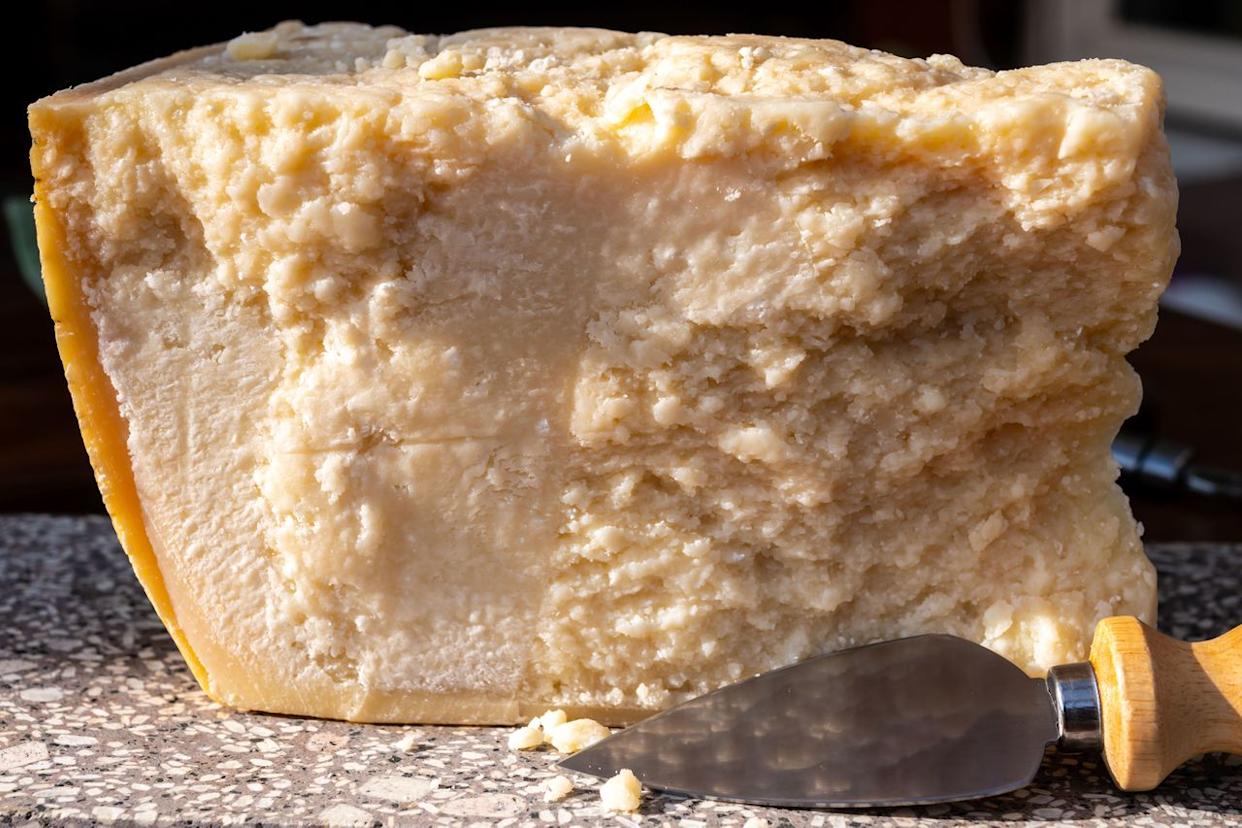
Credit: barmalini / Getty Images
While Italy is known for a range of protected-origin cheeses, there is one to rule them all: Parmigiano-Reggiano — but only the real deal, not generic “Parmesan.”
“Look for the PDO designation on the label, which guarantees it was produced in its region of origin following traditional methods,” says Lorenzo Boni, executive chef for Barilla Americas. (Boni was born in Bologna, where Parm is basically a birthright.) “That difference is immediately noticeable, adding a deeper, more layered taste that can elevate a dish from good to truly memorable.”
Parm’s uses go beyond pasta. “A small amount can transform a recipe, whether it’s grated over risottos and soups at the finish, used as an emulsifier in sauces to add richness, or shaved on top of vegetables for a little texture and umami,” says Boni.
Colatura di alici
You might associate fish sauce with Southeast Asian countries like Vietnam and Thailand, but it’s also a beloved ingredient in Italy, where it goes by colatura di alici. Made from anchovies harvested from the Amalfi Coast and fermented in small chestnut barrels, the colatura (drippings) “just adds wonderful complexity to so many dishes,” says Keith Ahern, chef de cuisine at Brodeto in Raleigh, North Carolina. “I currently use it in a colatura verde — like a salsa verde,” he says. Ahern adds that it is “light compared to more typical fish sauces.”
Peperoni cruschi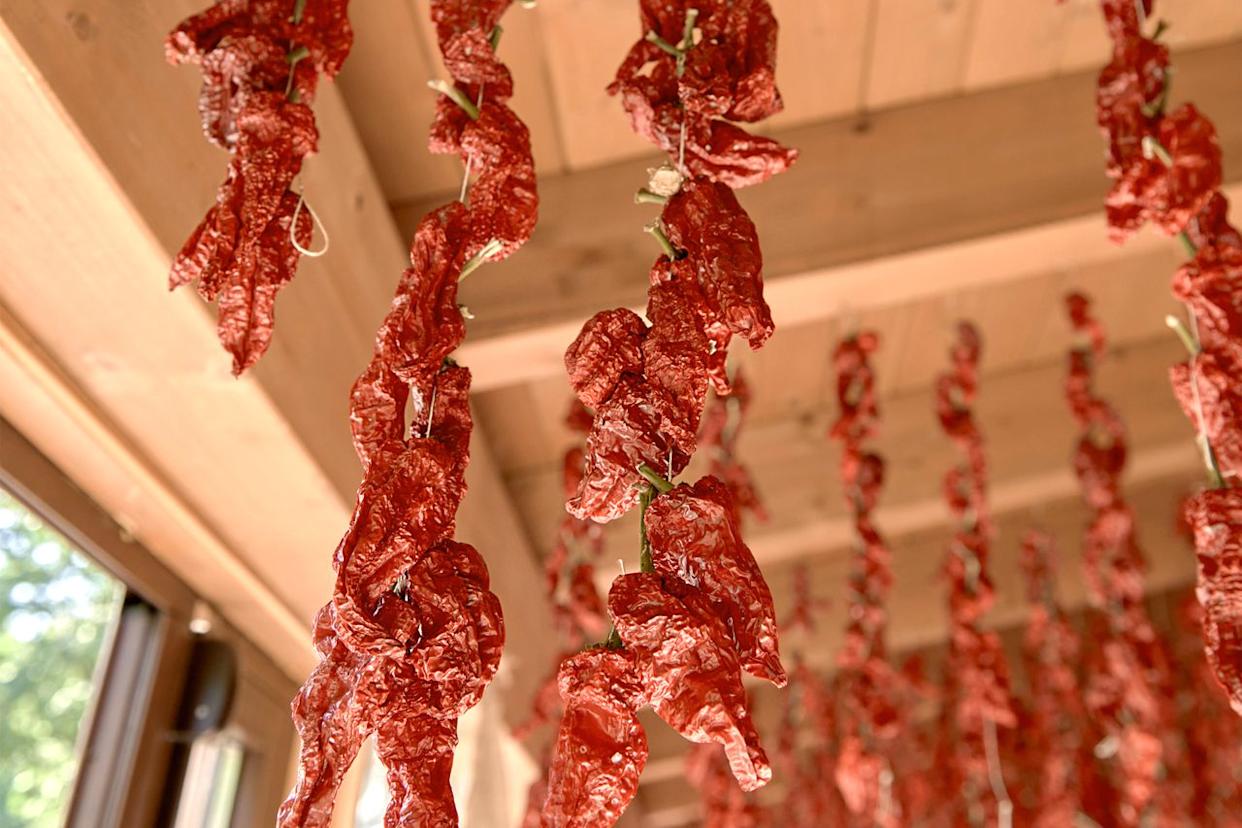
Credit: Anna Fedorova / Getty Images
Sweet-hot Calabrian chiles are a staple for many chefs, Italian or otherwise, but Italian peppers abound beyond Calabria. Peperone crusco is a sun-dried sweet pepper that comes from the Basilicata region. “It’s such a lovely fruity, floral pepper that can be utilized in so many different ways,” says Ahern. “I use it in an Italian chile oil that’s made with both peperoni cruschi and Calabrian chiles to serve over crudo. The peppers are great crushed and served with pastas, too.”
Estratto di Pomodori
There are tomatoes, then there are Italian tomatoes, and then there are tomatoes from Sicily, which are transformed into this concentrated condiment. “It’s hard to imagine being so excited about tomato paste, but I’m obsessed with Pianogrillo’s Estratto di Pomodori,” says Dario Monni, Venetian chef and co-owner of Chicago’s Tortello. “It’s packed with sun-kissed sweetness, and adds intense umami to everything it touches. It makes every sauce better, period,” he says. “I use [it] in a Sunday sauce for spaghetti alla busara, a classic Italian dish from Veneto, where the key is scampi (seafood broth) combined with the pop of sweetness and acidity that the Pianogrillo estratto (extract) brings.”
Related: Langoustines alla Busara
Sale grosso
If you’ve ever been instructed in pasta preparation by an Italian chef, you may have been told to salt the water until it’s “salty like the sea.” But the type of salt matters. “The salt that you use in the water gets into the pasta, and industrial salts strip out all natural minerals,” says Monni. He suggests adding sale grosso to your cellar: Made in the city of Trapani in Sicily, this unrefined coarse salt has trace natural minerals like iodine, fluorine, magnesium, and potassium that gives pasta dishes a nice minerality.
Bottarga di Muggine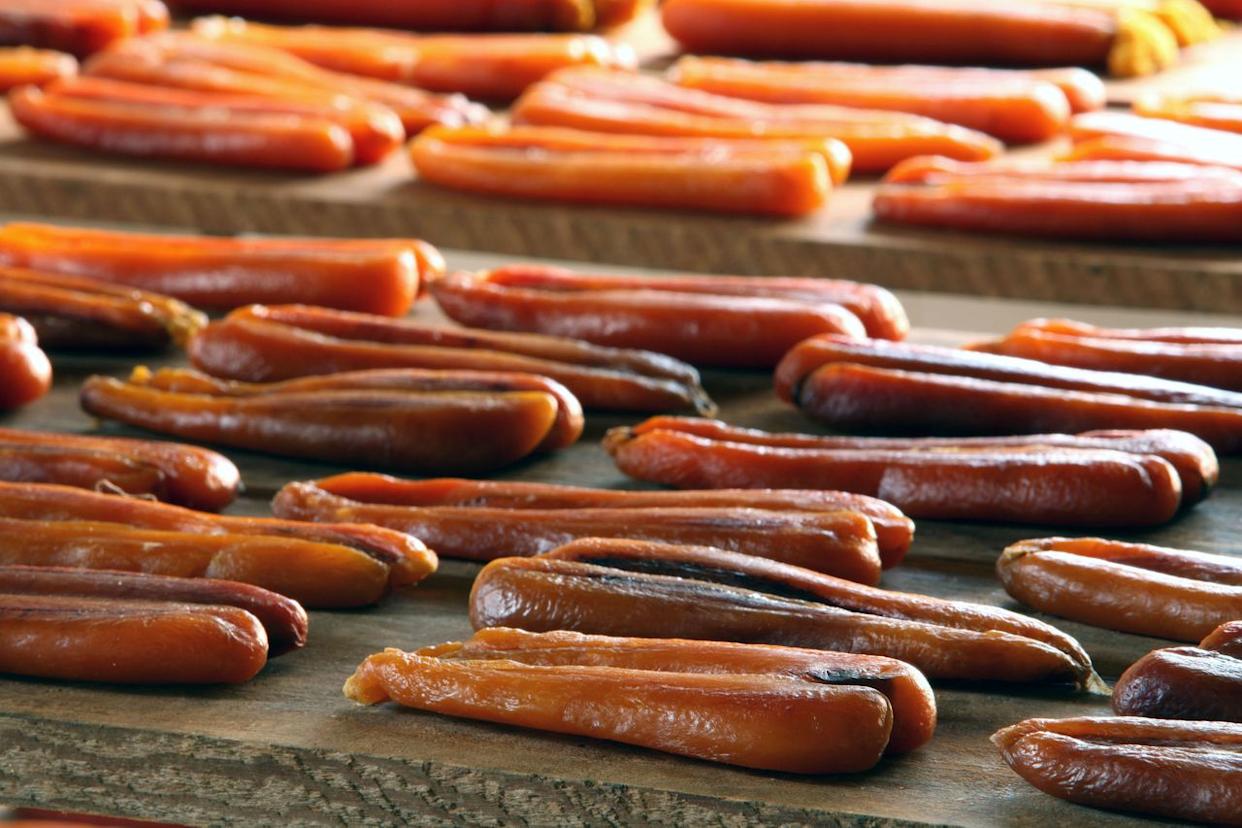
Credit: Marco Simonini / REDA / Universal Images Group via Getty Images
Hailing from Sardinia, bottarga is a salt-cured mullet roe, “which has an intense, briny depth,” says Angelo Caruso, chef-owner of Angelo’s Ristorante in Stoneham, Massachusetts. “I use it very simply, shaved with olive oil and lemon or over seafood and clam sauce. Even a small amount transforms a dish and enhances the pure flavor of the sea.”
Scialatielli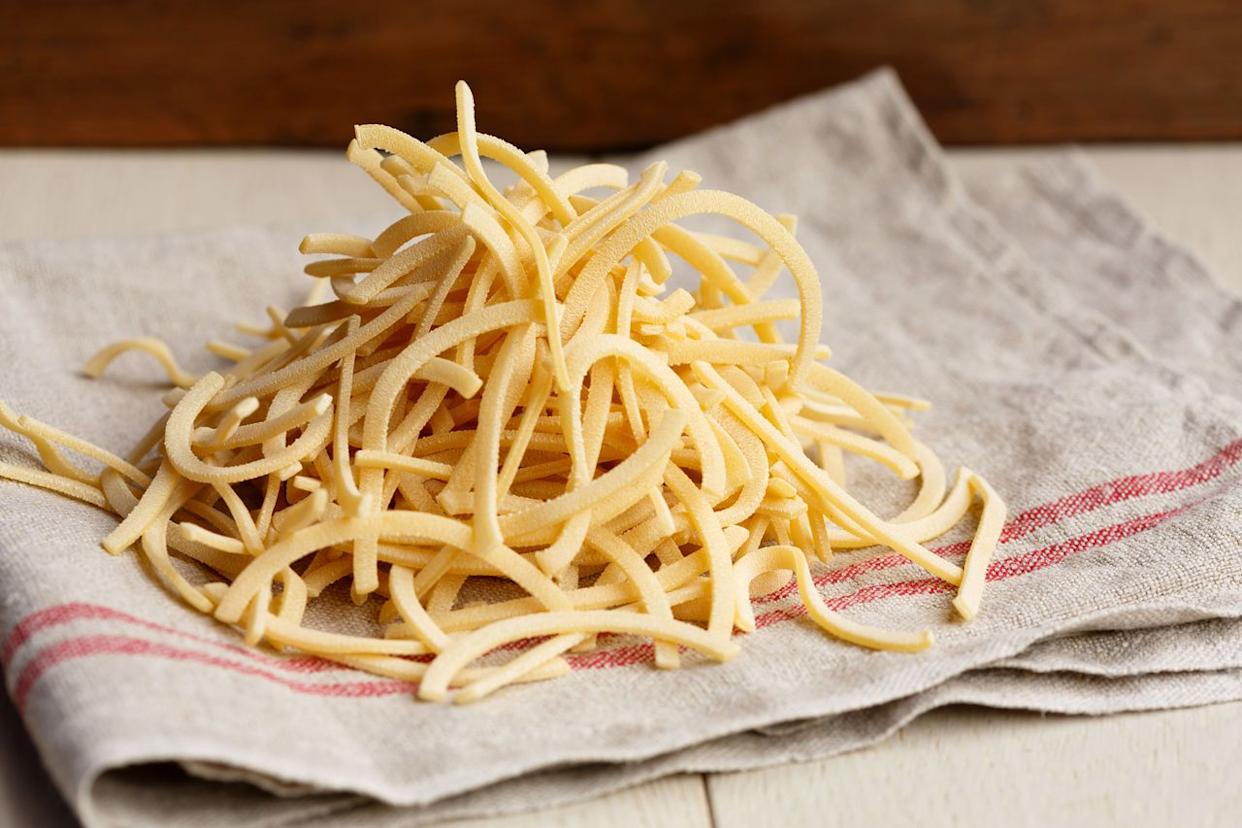
Credit: Quanthem / Getty Images
Scialatielli is a traditional pasta made with flour, milk, basil, and a touch of red chile pepper, which gives it both color and personality. “The dough is stretched by hand and cut with a knife, giving it an irregular shape that can’t be replicated by machines,” says Vincenzo Salvatore, culinary director of Aspen Hospitality Group. “One of the most classic combinations for scialatielli is with mussels and Pecorino Romano,” he says. “The saltiness of the mussels and the cheese, together with the natural sweetness of the pasta, creates a perfect balance.”
Related: These Popular Pasta Shapes Share a Surprising History
Finocchietto selvatico
You may know fennel from its bulbs or fronds, which bring a subtle anise flavor and firm crunch to dishes, but the pollen collected from its flowers is a next-level Italian chef staple. “It’s incredibly aromatic and floral with a slight sweetness,” says Caruso. “I like to use it as a finishing spice on pork, lamb, fish, and vegetables. It adds a beautiful perfume and complexity that’s hard to replicate.”
Trucioleto
Modena, in the Emilia-Romagna region, is renowned for its balsamic, but the region also lays claim to the best red wine vinegar, according to Christopher Cippollone, chef-owner of Brooklyn’s Francie. “Produced in Bagnacavallo using a traditional method that involves oak or larch wood shavings, [trucioleto] is known for its balanced acidity and clear flavor,” he says. “It’s amazing on oysters, for seasoning pasta, or as a marinade for meats.”
Related: 10 Types of Vinegar Every Kitchen Should Stock
Neonata
Sometimes called il caviale del sud (the caviar of the south), neonata is a spicy, funky Calabrian condiment made by salt-curing young anchovies or sardines with Calabrian chiles and sometimes olive oil. “I use it to bring together a puttanesca sauce,” says Monni. “It packs an umami punch and elevates a standard sauce instantly.” You can also simply spoon it onto pizza or toast.
Fusilli al feretto
“Everyone knows the Amalfi Coast, but it’s in the less publicized, equally beautiful rural pockets of Campania where the real culinary magic happens,” says Massimo Vicidomini, executive chef of RPM Italian in Washington, D.C., who grew up south of Naples in Nocera Inferiore. In southern Italy, fusilli al ferretto — long, thick, toothsome pasta — has been made for centuries to complement the area’s dishes. “Shaping this pasta by hand around a traditional iron rod isn’t a quick process, but it creates a rough, porous texture that is absolutely vital. It absorbs heavy, slow-cooked ragùs in a way machine-made pasta never could.”’
Provolone del Monaco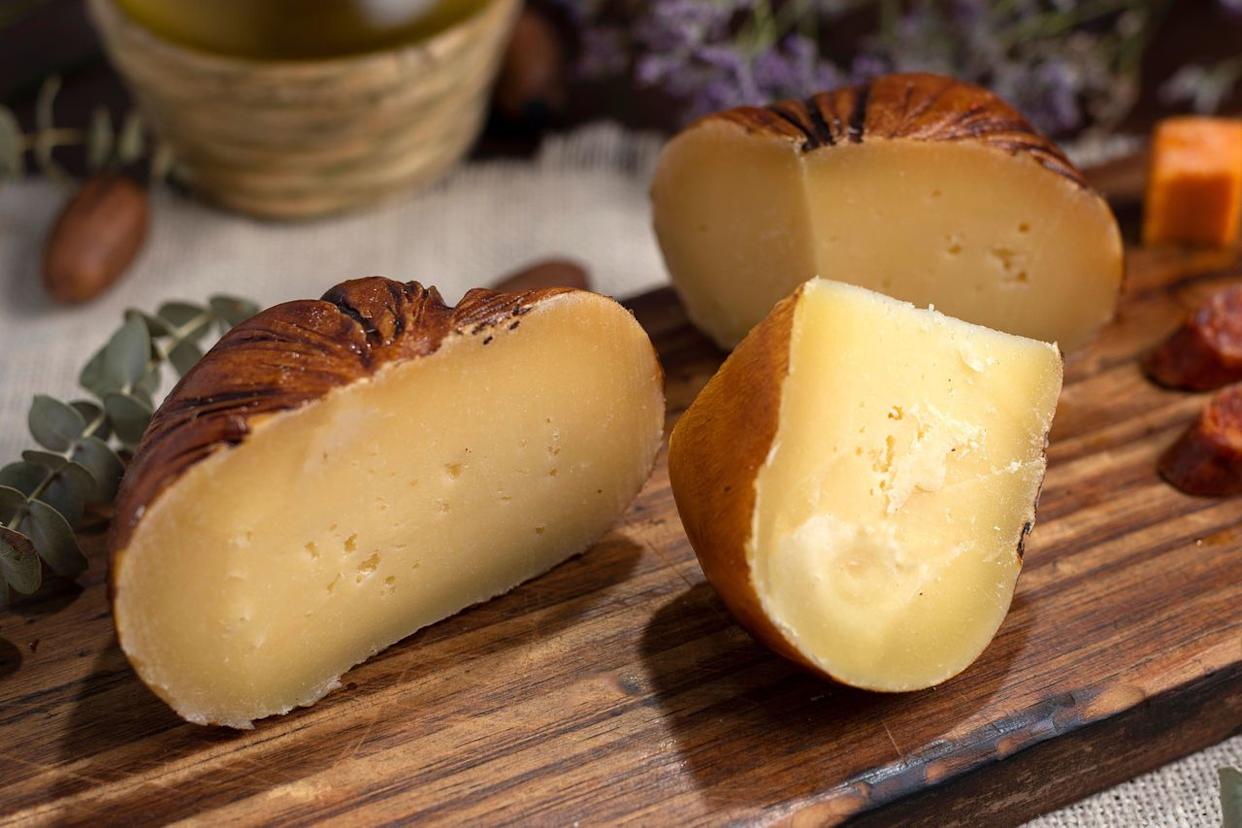
Credit: Wirestock / Getty Images
“Provolone del Monaco is the key ingredient in one of the most famous dishes in the world: spaghetti alla Nerano,” says Salvatore. (Stanley Tucci may have had a hand in its popularity.) This hard, raw cow-milk cheese comes from the Naples province and has a distinctly nutty and tangy flavor. For spaghetti alla Nerano, it’s combined with fried zucchini, pasta water, and basil, “creating a naturally creamy texture without any added cream,” says Salvatore. “This dish shows that simplicity is what makes Italian cuisine the best in the world.”
Read the original article on Food & Wine
Dining and Cooking