
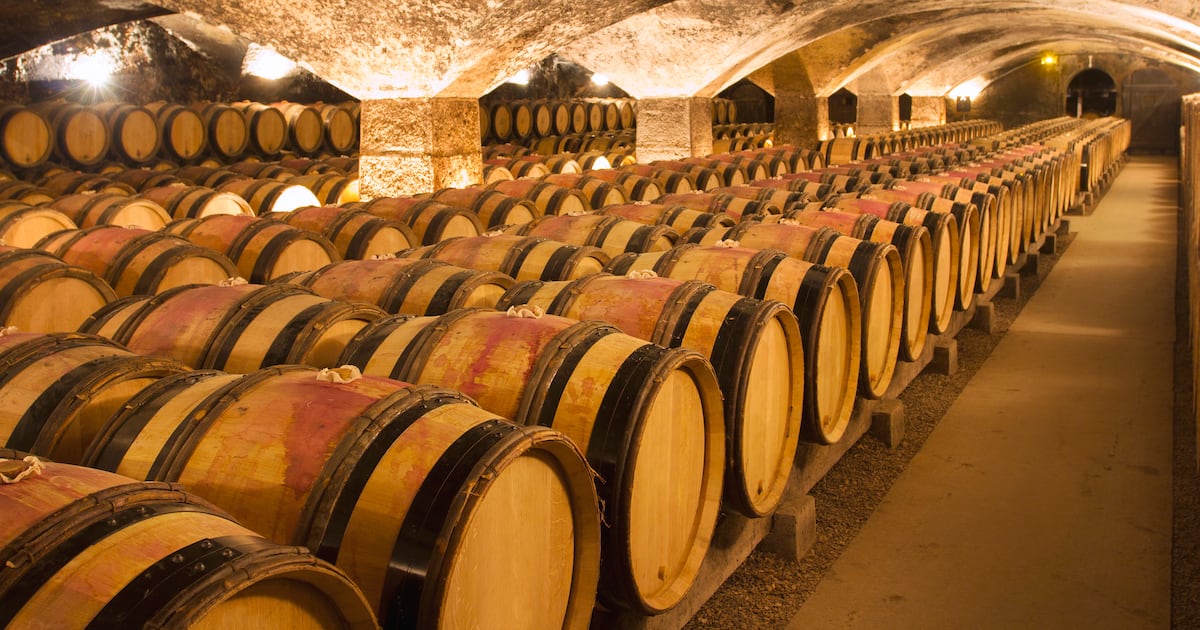
Tens of millions of euros worth of French red wine and rosé that vineyards cannot sell is to be distilled into ethanol and industrial alcohol to help winegrowers cope with falling demand.
The European Commission has approved a €40-million “emergency” fund to help French wine producers find other uses for excess booze that won’t end up in bottles.
French vineyards are struggling due to shifting drinking habits that have seen people consume less alcohol.
Data provided to Brussels officials by French authorities shows the average price of bulk orders filled by the French industry is down 19 per cent, compared with previous years.
The commission attributed the fall in the price commanded by red and rosé to a “deceleration in domestic consumption, coupled with a continuous decrease in exports”. Retail figures show an 8 per cent drop in sales of red and rosé last year in France.
The falling demand has not been matched by a similar reduction in the amount of wine produced, leading the French government and Brussels to intervene to prevent rivers of unwanted wine flooding the market and tanking prices.
The commission, the European Union’s executive arm, this week announced it would release €40 million in emergency funding to pay French winegrowers to remove red and rosé they had produced from the market.
The plan would see excess wine produced in Bordeaux, Burgundy and the country’s other regions end up as ethanol or industrial alcohol, to be used by the pharmaceutical and cosmetic industries or other manufacturing sectors.
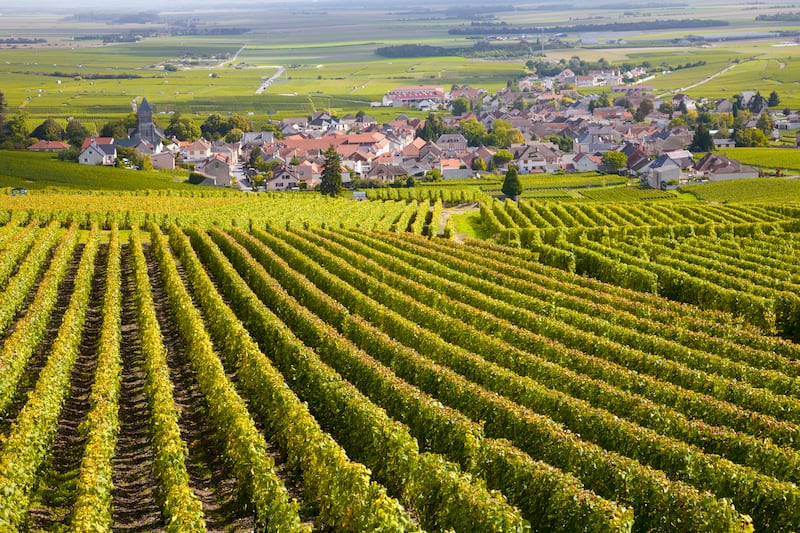 Burgundy is one of the regions where excess wine will be distilled into ethanol due to oversupply. Photograph: Getty Images
In a legal text setting out the decision, the commission explained the scheme would incentivise winegrowers to allow unwanted red and rosé to be distilled into alternative products. This would prevent the existing “market imbalance” from triggering “a more severe or prolonged crisis”, which the EU body warned could spread across the European wine industry.
The French government has separately been subsidising vineyards to uproot vines, in an attempt to tamp down the amount of wine produced.
The EU’s executive body previously provided emergency funding to French winemakers in 2023 and 2024 to distil 2.65 million hectolitres, which is enough wine to fill more than 100 Olympic swimming pools, into ethanol and other industrial products.
It is envisaged the new scheme backed by EU cash would remove slightly less than half of that volume from the French market this time.
Winegrowers will receive compensation set at about 50 per cent of the price recorded for bulk transactions during the most recent production season.
In a statement, EU agriculture commissioner Christophe Hansen said French wine producers, the “backbone of Europe’s viticultural heritage”, were facing “unprecedented” challenges.
The intervention was necessary to address “the collapse in prices and the saturation of stocks in France”, he said.
Dining and Cooking