
Photo courtesy of Tourism New Zealand
PICTURE A WEATHERED SEAFOOD SHACK on the Kaikōura coast, a place where crayfish are hauled in before dawn, still dripping and sweet. In a vineyard, guests can savor glasses of Sauvignon Blanc with a backdrop of vines stretching toward the Southern Alps. A spoonful of mānuka honey can be sampled in a sunlit apiary while bees hum in the Waikato. New Zealand has always known how to eat well.
When the Michelin Guide announced its first-ever foray into Oceania, its inspectors were already quietly working their way through Auckland, Wellington, Christchurch and Queenstown ahead of a mid-2026 guide release. But they weren’t discovering the cuisine. The ingredients were already exceptional. The chefs were already pushing boundaries. What Michelin brings is a global spotlight — introducing what New Zealanders have long enjoyed to a wider world.
The story unfolds with New Zealand’s freshly sourced and harvested ingredients.
Culinary Delights from the Coast
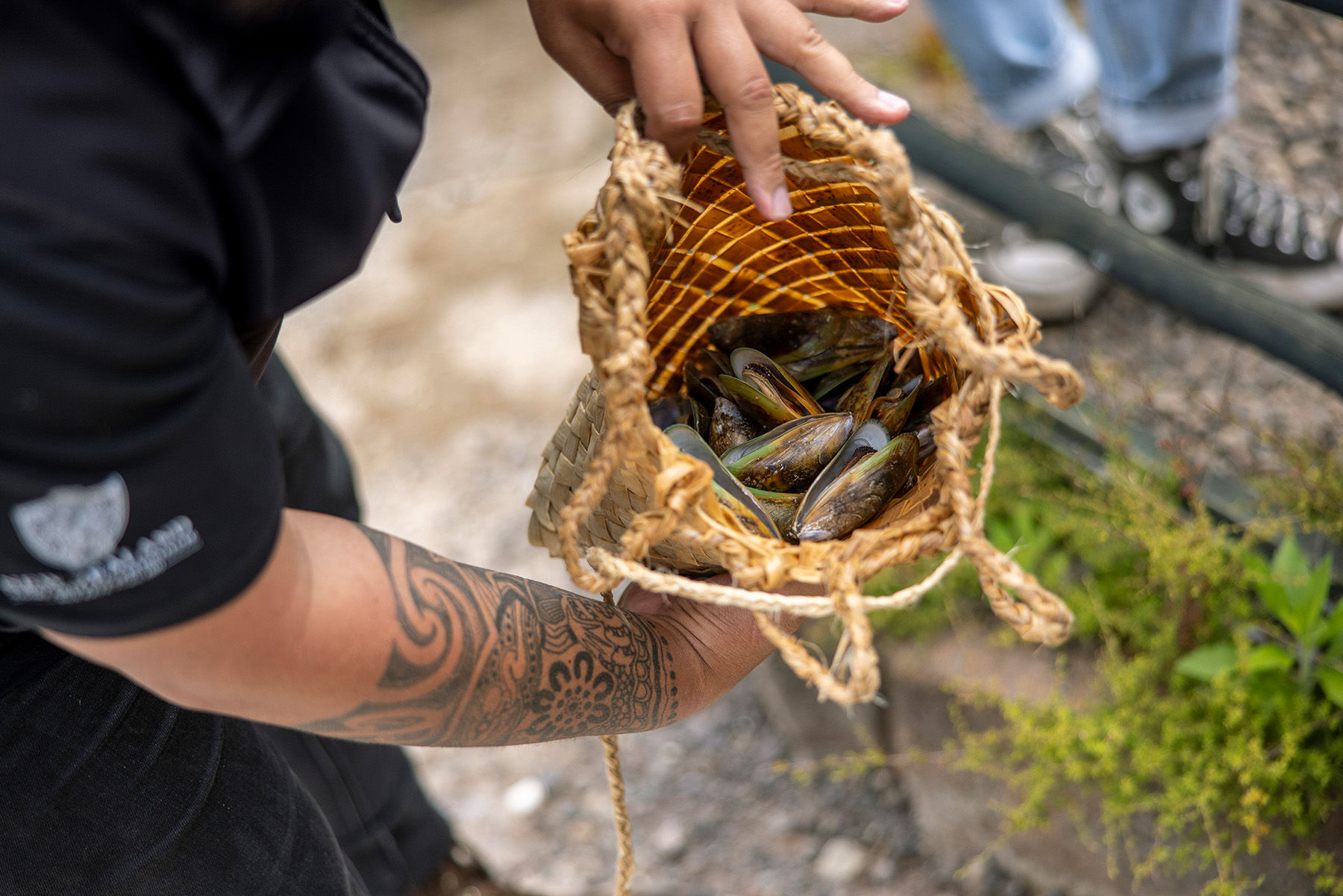
Photo by Graeme Murray
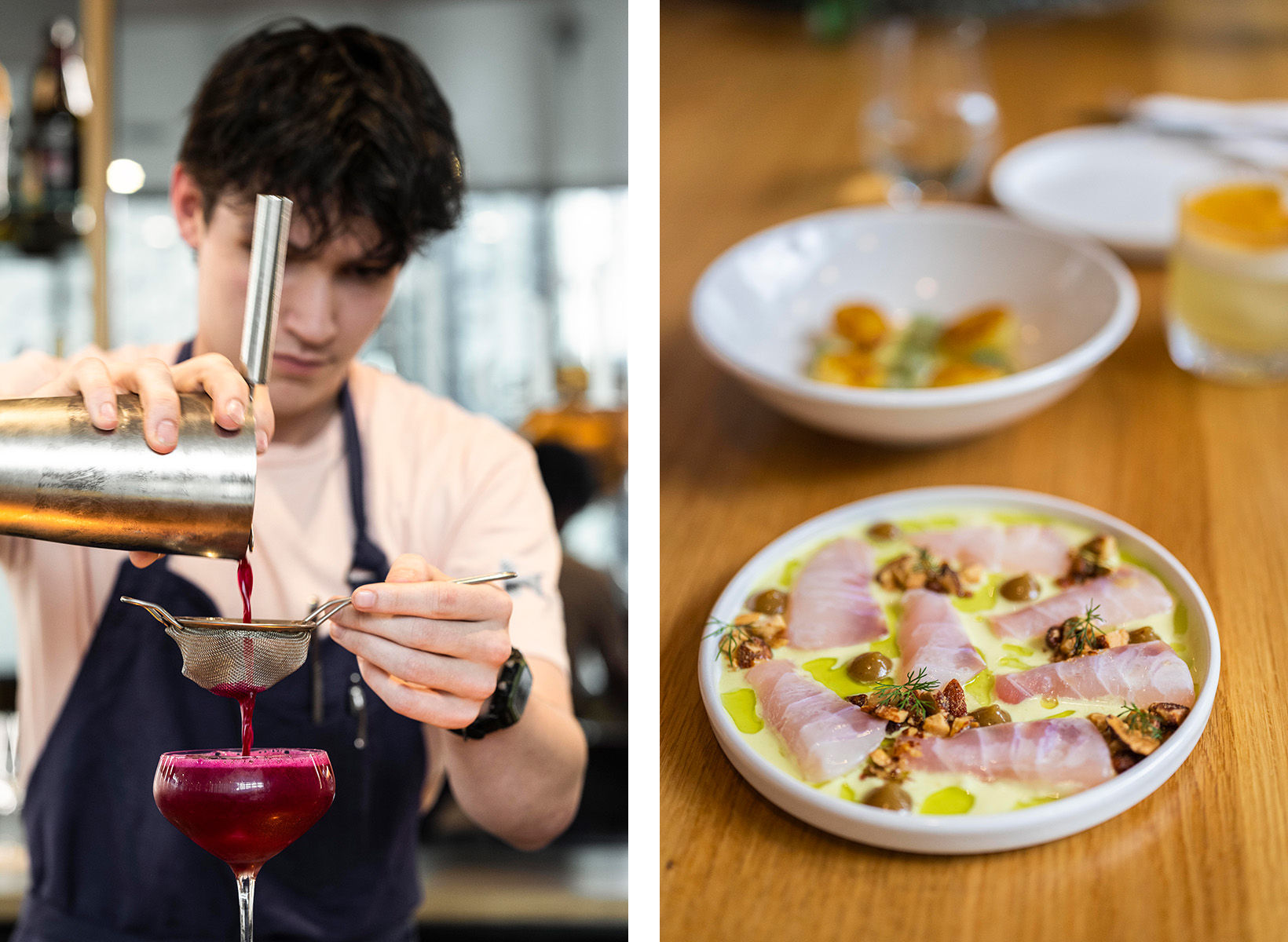
Photo courtesy of Tourism New Zealand
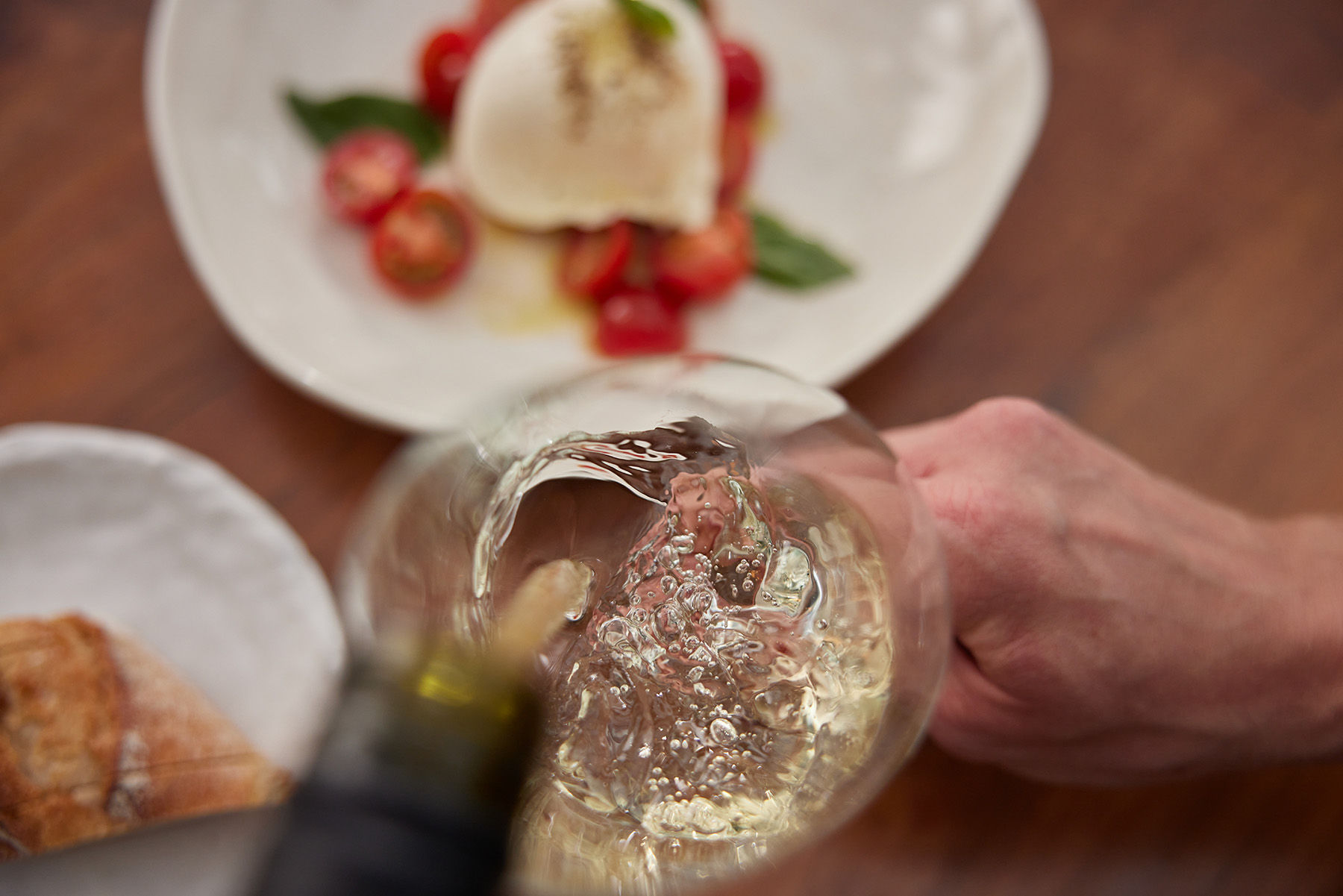
Photo courtesy of Tourism New Zealand
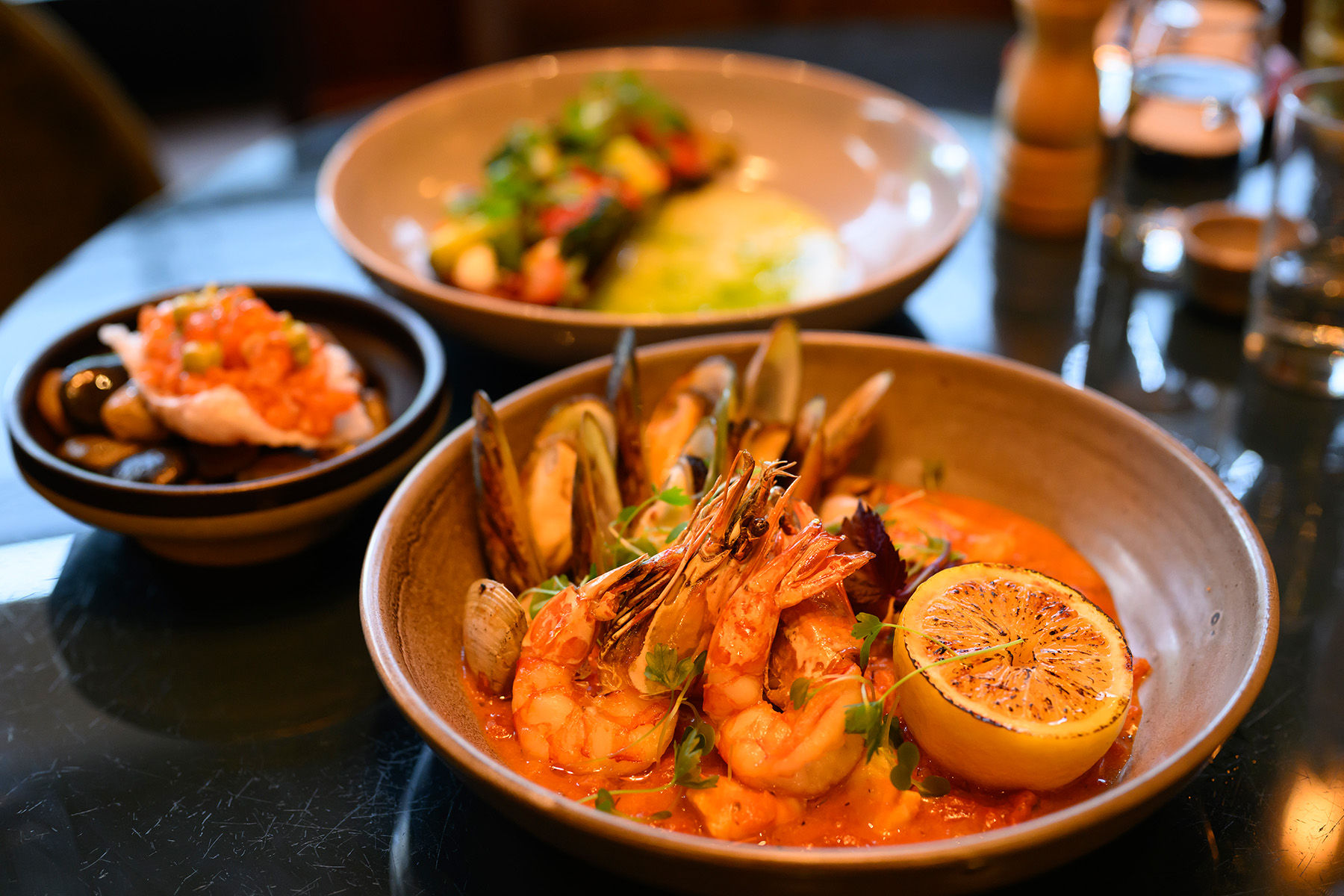
Photo by Alistair Guthrie
Photos by Miles Holden (2)
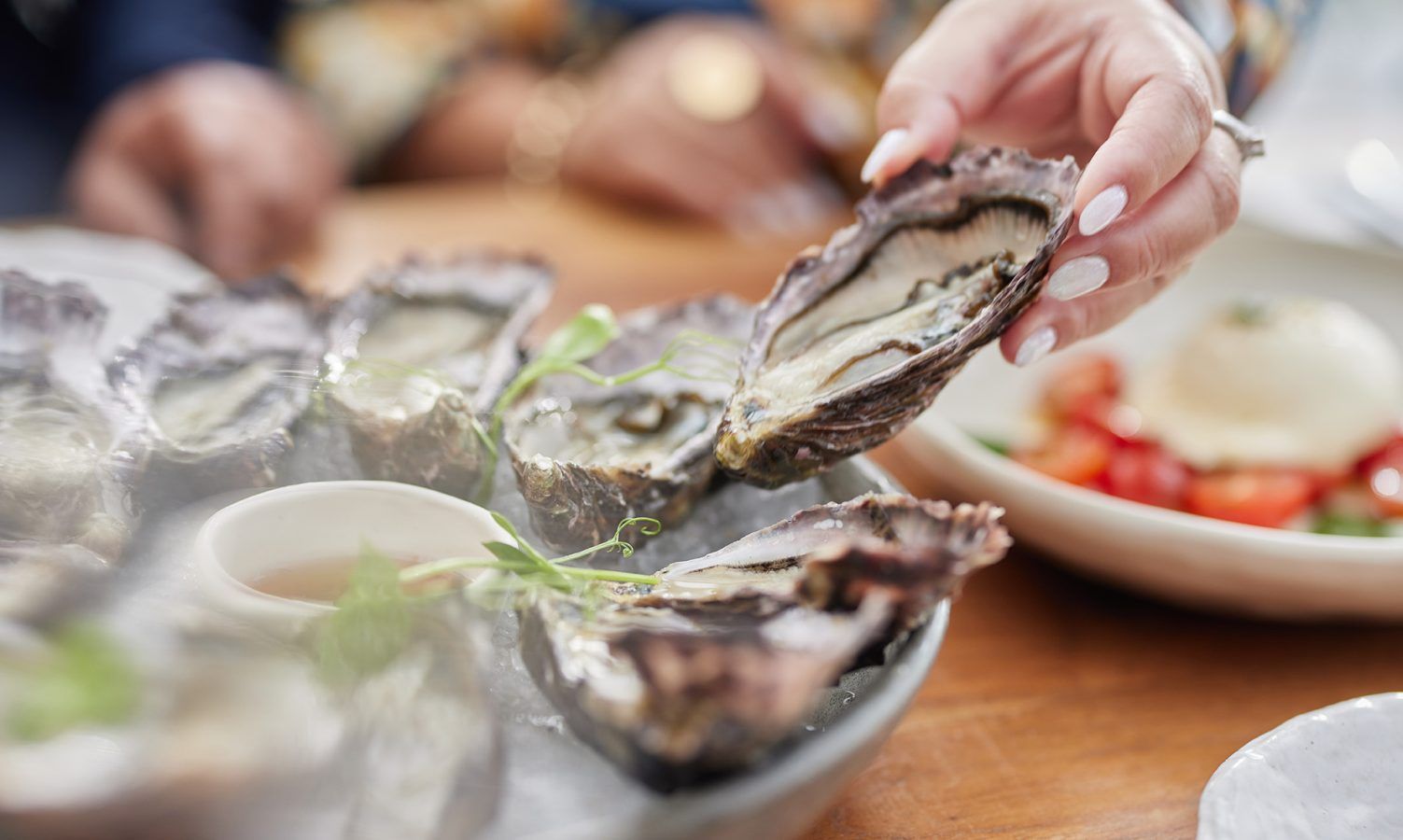
Few places are as closely tied to the ocean as New Zealand. Green-lipped mussels, grown in the cold, nutrient-rich waters of Marlborough, are the region’s plump, vibrant and most recognisable exports. They are best experienced on a seafood cruise through the Sounds themselves, where Regal salmon and Greenshell mussels arrive on your plate straight from the water. Down by the southern tip of the South Island, Bluff oysters are in season from March through August. They are briny-sweet, plump, and totally worth planning a trip around. The annual Bluff Oyster and Food Festival in May draws foodies from across the country and world.
But New Zealand’s coastal bounty goes far beyond shellfish. Kina, a native sea urchin, offers rich, creamy roe with a hit of brine that the country’s top chefs have championed for years. Blue cod is delicate, salty-sweet, sustainably caught. This fish of the South Island shines in a refined ceviche or a golden, crispy basket of fish and chips eaten overlooking the harbour. For an immersive experience, Kaikōura Fishing Tours takes guests out to haul crayfish pots and reel in blue cod before heading back to cook the catch. The sea-to-plate experience doesn’t get better than this.
Plating from the Pasture
Photo by Miles Holden
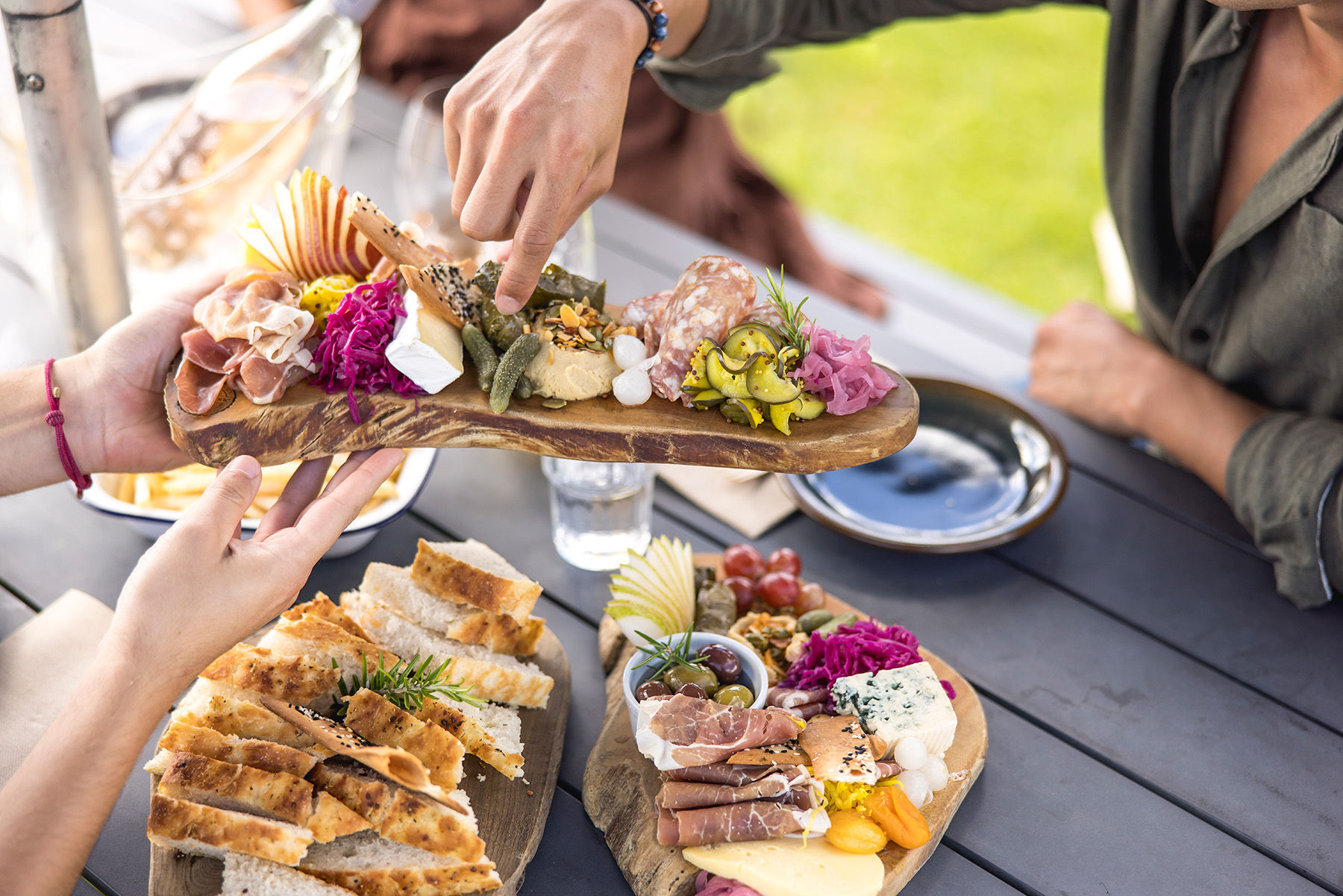
Photo by Miles Holden
Photos by Alistair Guthrie (2)
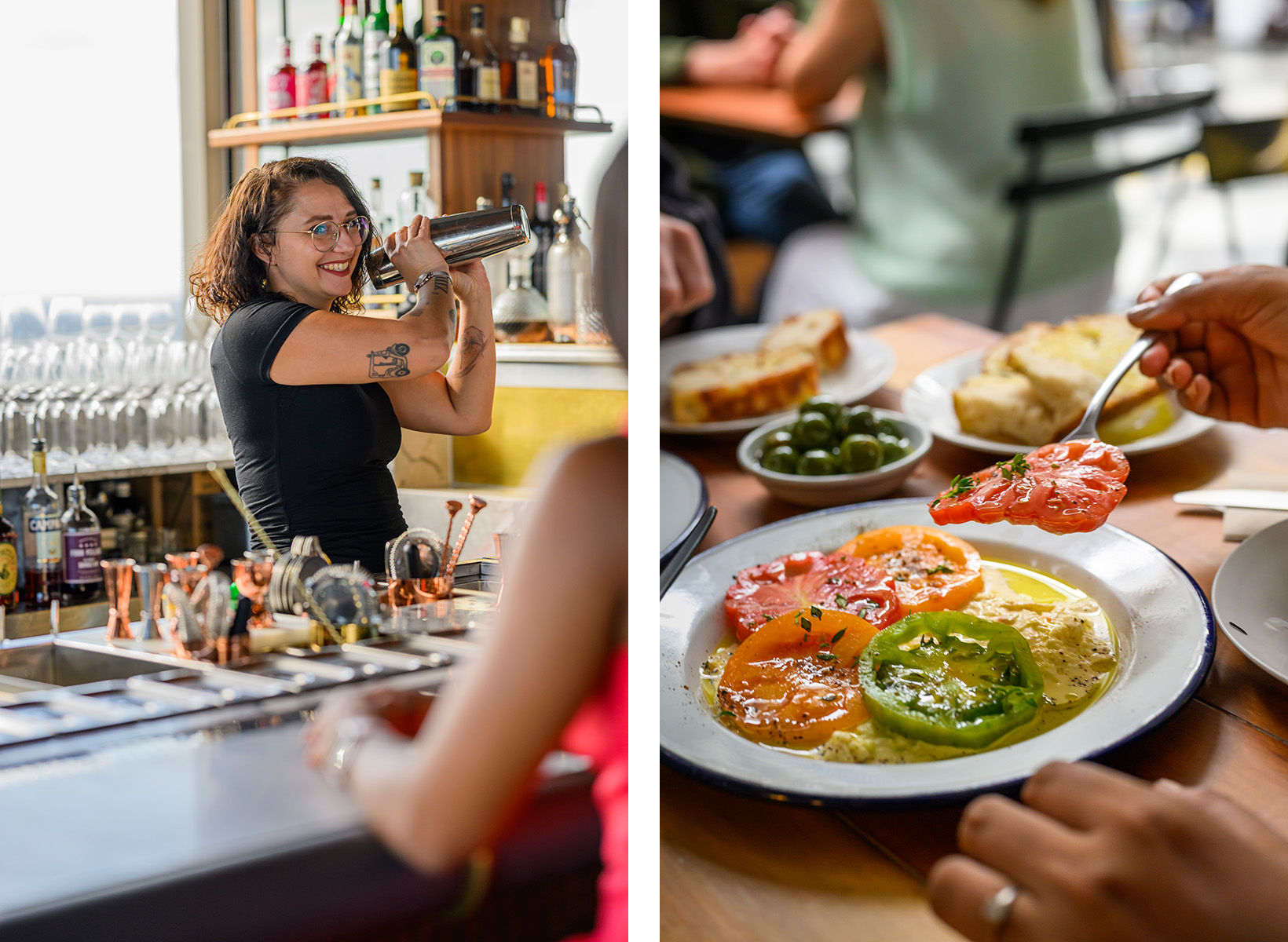
New Zealand’s grass-fed lamb and beef have a global reputation, and for good reason. The country’s temperate climate, ethical farming practices and wide open pasture produce meat of remarkable tenderness and flavour. But the story of the pasture goes beyond the classic rack of lamb. Wild venison and wapiti from the Southern Alps offer lean, earthy meat with a faint sweetness. They appear on seasonal menus at alpine lodges and in the hands of chefs at off-grid restaurants like The Chef’s Table at Blue Duck Station. Here, a multi-course degustation built from wild and locally sourced ingredients is served to just ten guests at a time, high in the hills of Retaruke.
Across the country, the paddock-to-plate philosophy is taken seriously. At Good From Scratch in Muriwai, chef Michael Van de Elzen leads farm-based cooking classes where guests harvest, butcher, and cook immersed in countryside and connecting with ingredients in a way few restaurants can offer. It’s the kind of experience that changes how you eat long after you’ve left
Fresh Flavours from the Forest
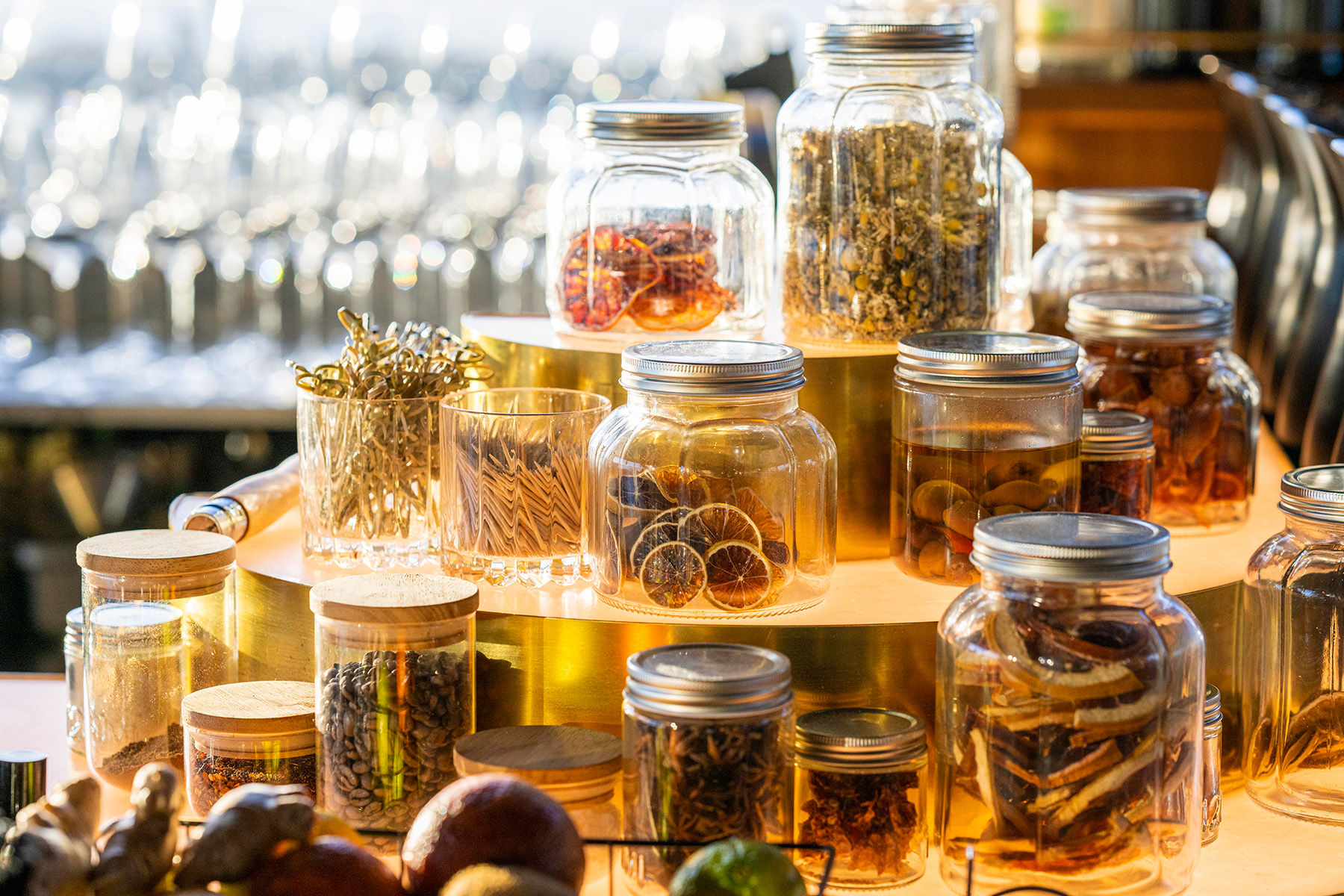
Photo courtesy of Tourism New Zealand
Photos by Miles Holden (2)
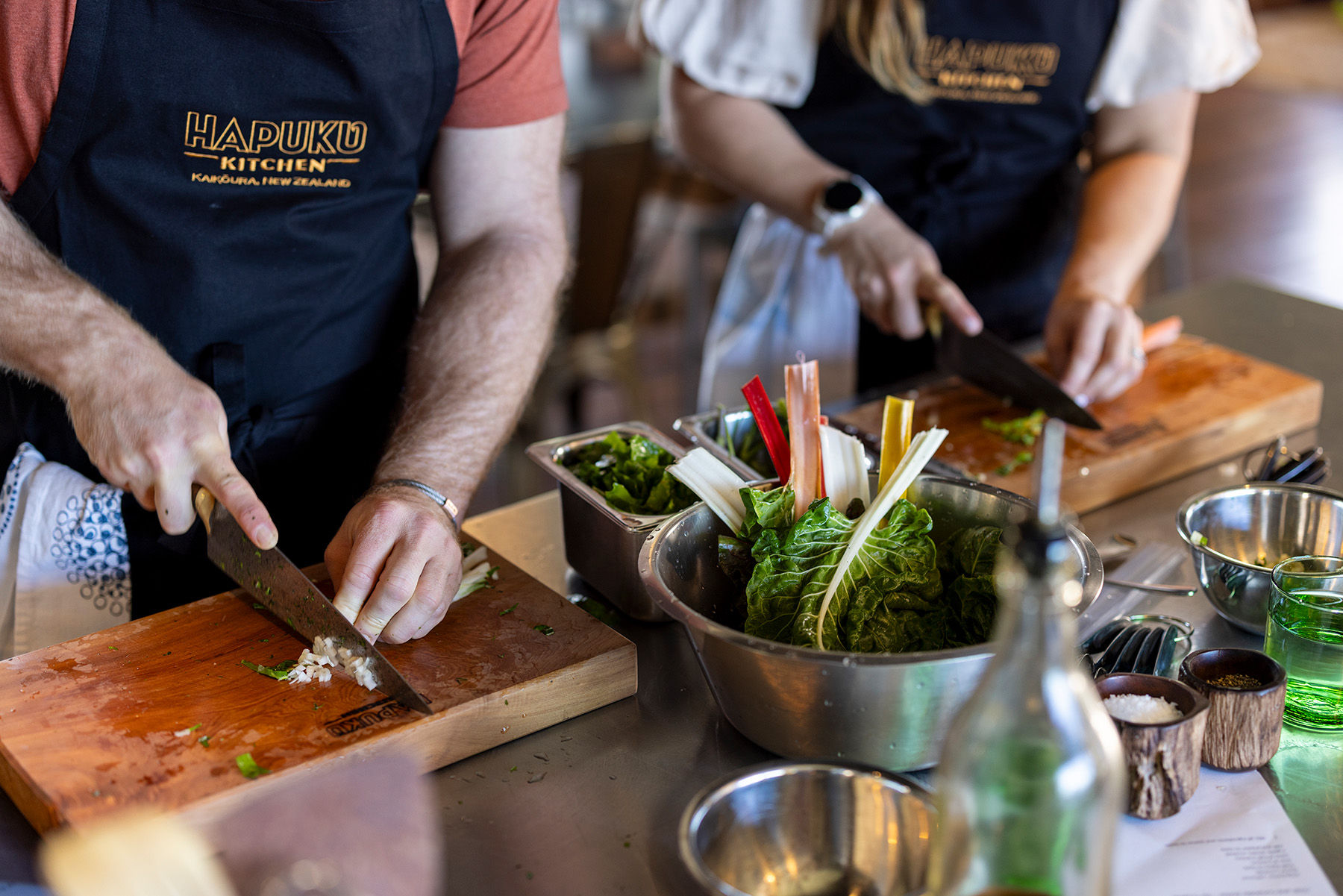
Photo by Miles Holden
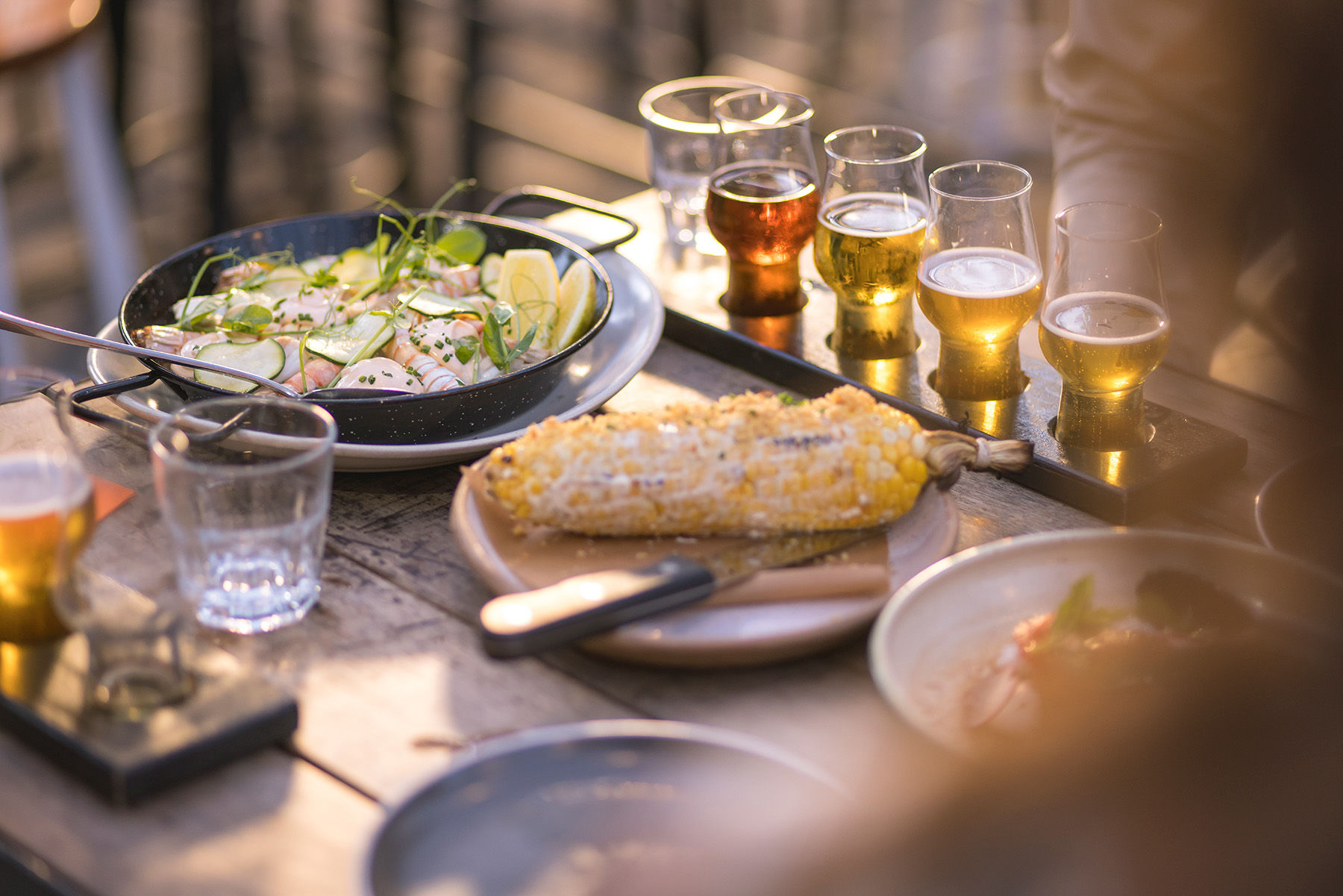
Photo by Miles Holden
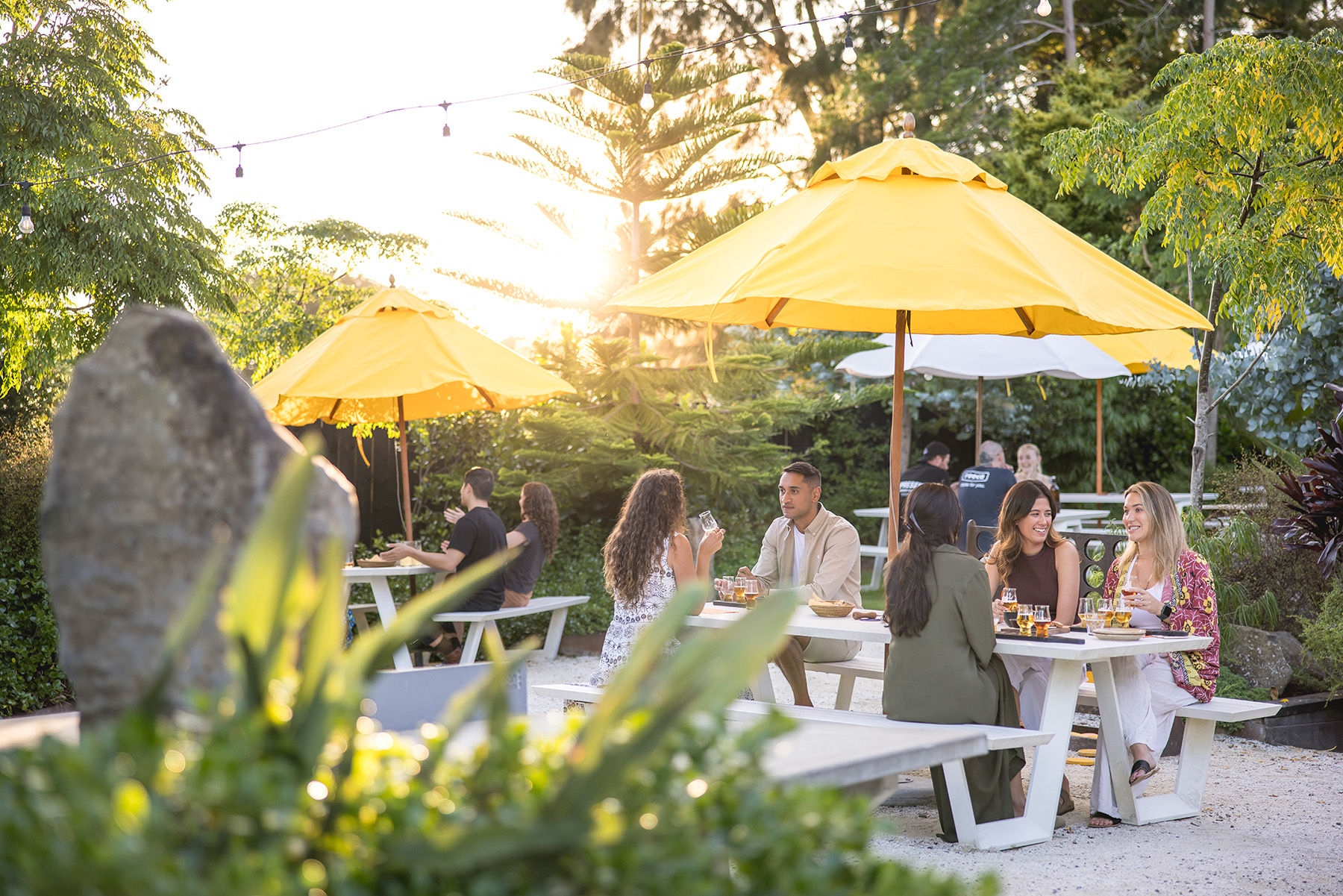
Photo by Miles Holden
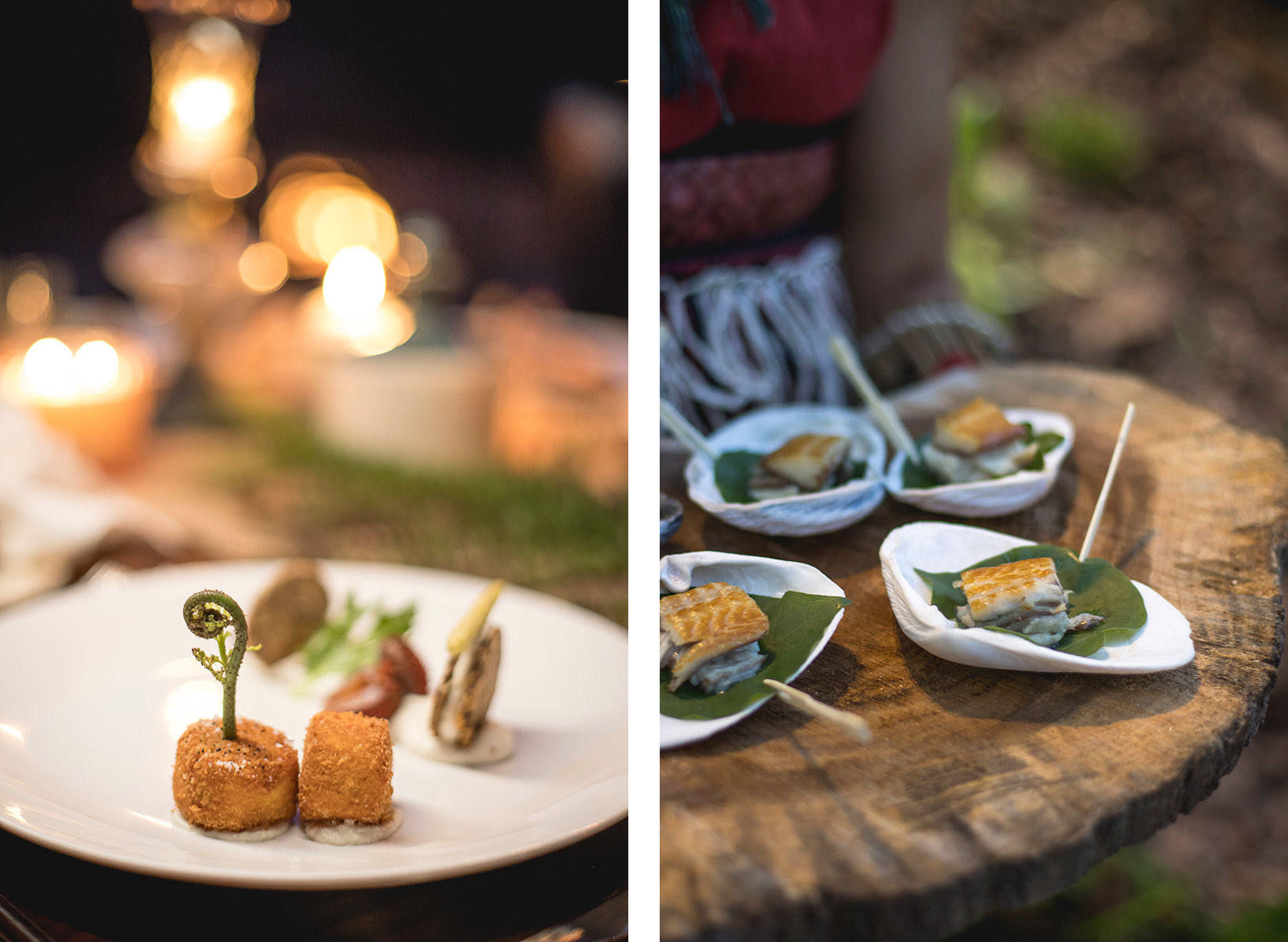
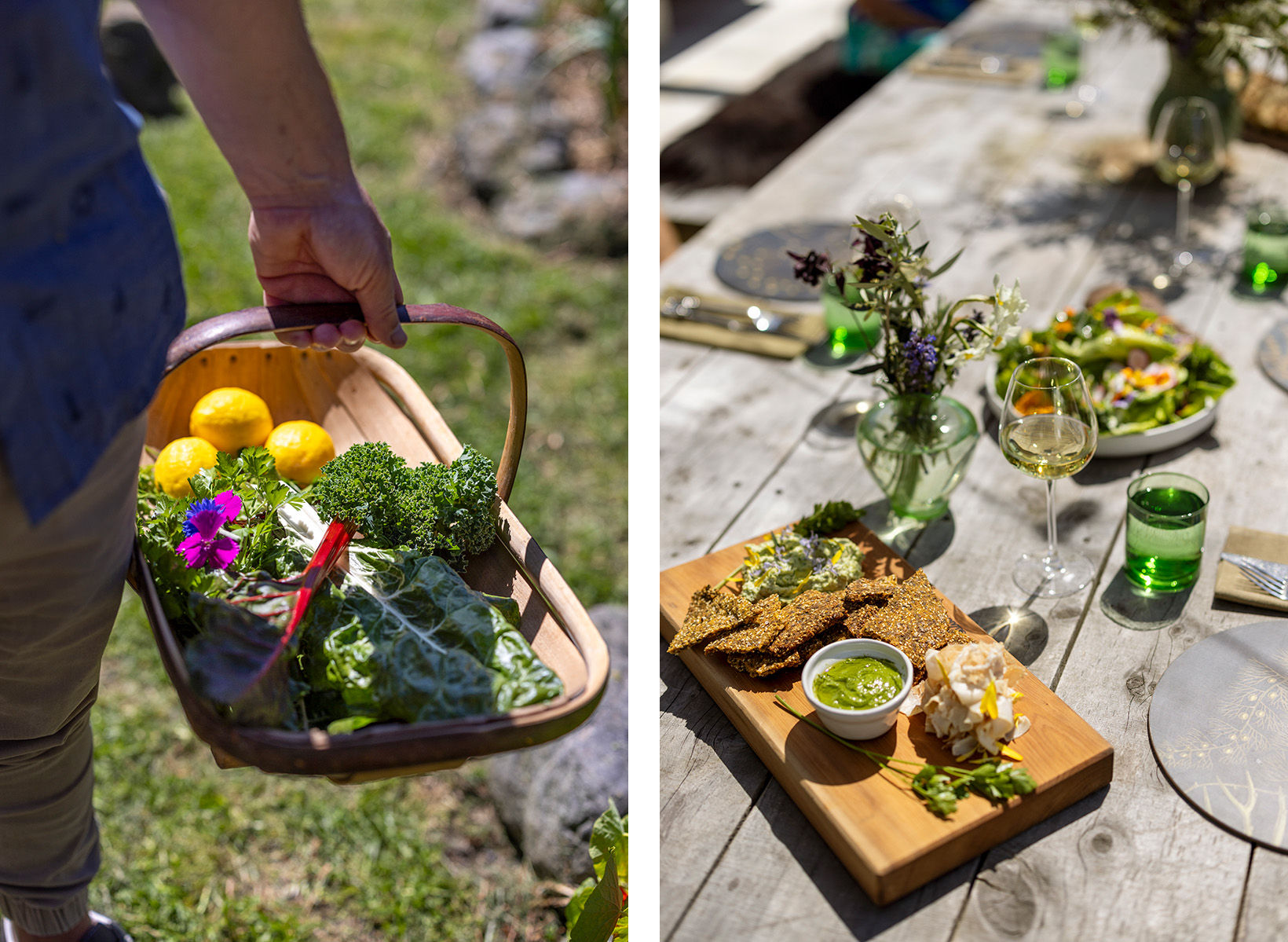
This is where New Zealand’s food story becomes truly distinctive. A new generation of chefs is drawing on the native bush, turning to ingredients that have been part of Māori cuisine for centuries and reimagining them on contemporary menus. These items are now finding their place on menus at the highest level.
Horopito, a native shrub with a spicy, herbal heat, is ground into rubs for meat and stirred into sauces. Kawakawa, often called the “New Zealand pepper tree,” lends a warming, peppery depth to oils and seasonings. Pikopiko, a coiled fiddlehead fern harvested in spring, brings delicate earthiness to salads and savoury dishes, and was traditionally enjoyed at Matariki (Māori New Year) feasts. Then there is Mānuka honey, harvested from wild North Island forests, prized for its complex herbal sweetness. Beyond its flavour, it is also valued for its natural antibacterial qualities, long celebrated for supporting healing and wellbeing. Drizzled over desserts, stirred into cocktails or tasted fresh from the frame at Arataki Honey in Hawke’s Bay, where guided tours take you deep into the world of bees and sustainability.
These are not novelty ingredients. They are the flavours of the land itself.
Vibrant Varietals from the Vineyard
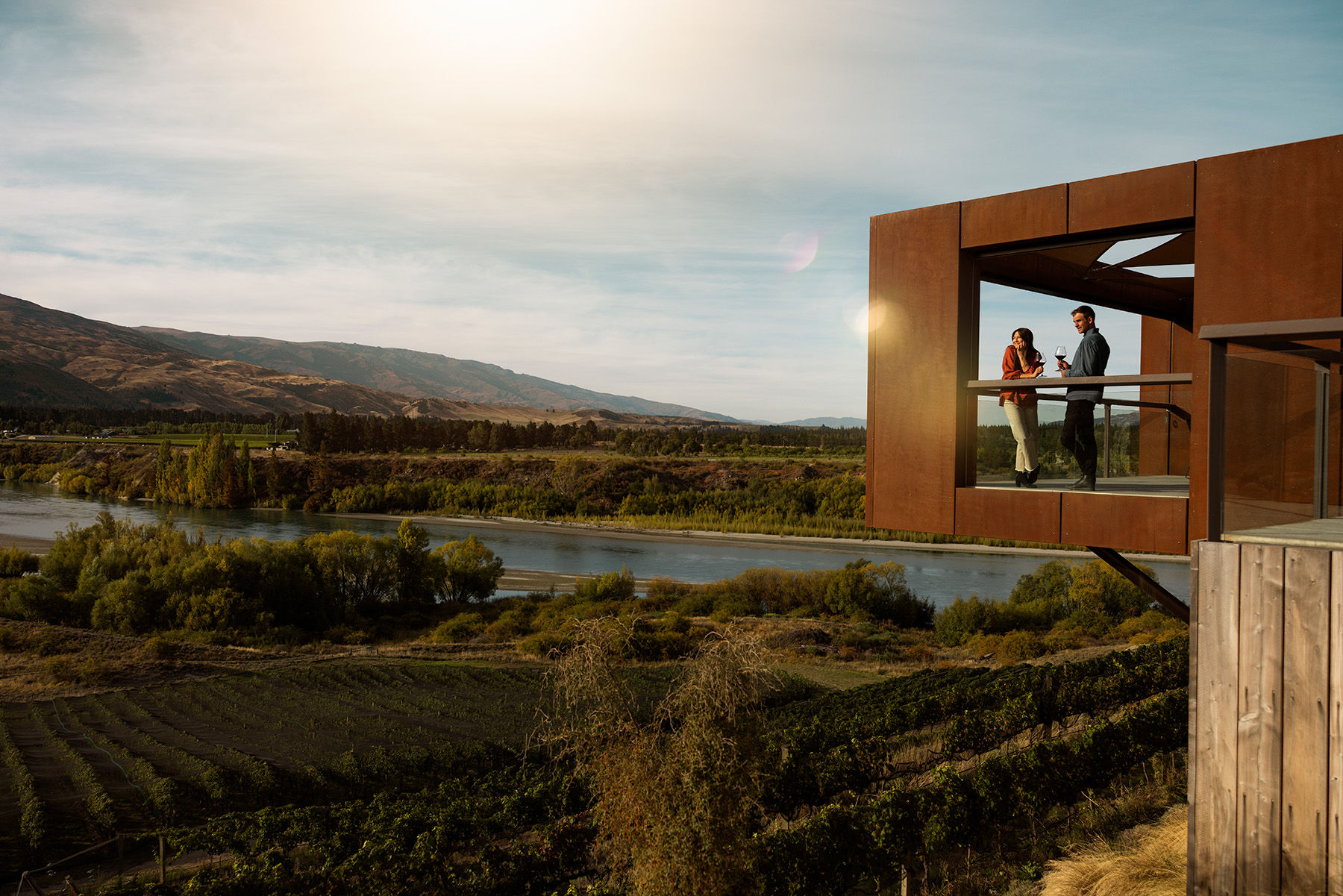
Photo by Miles Holden
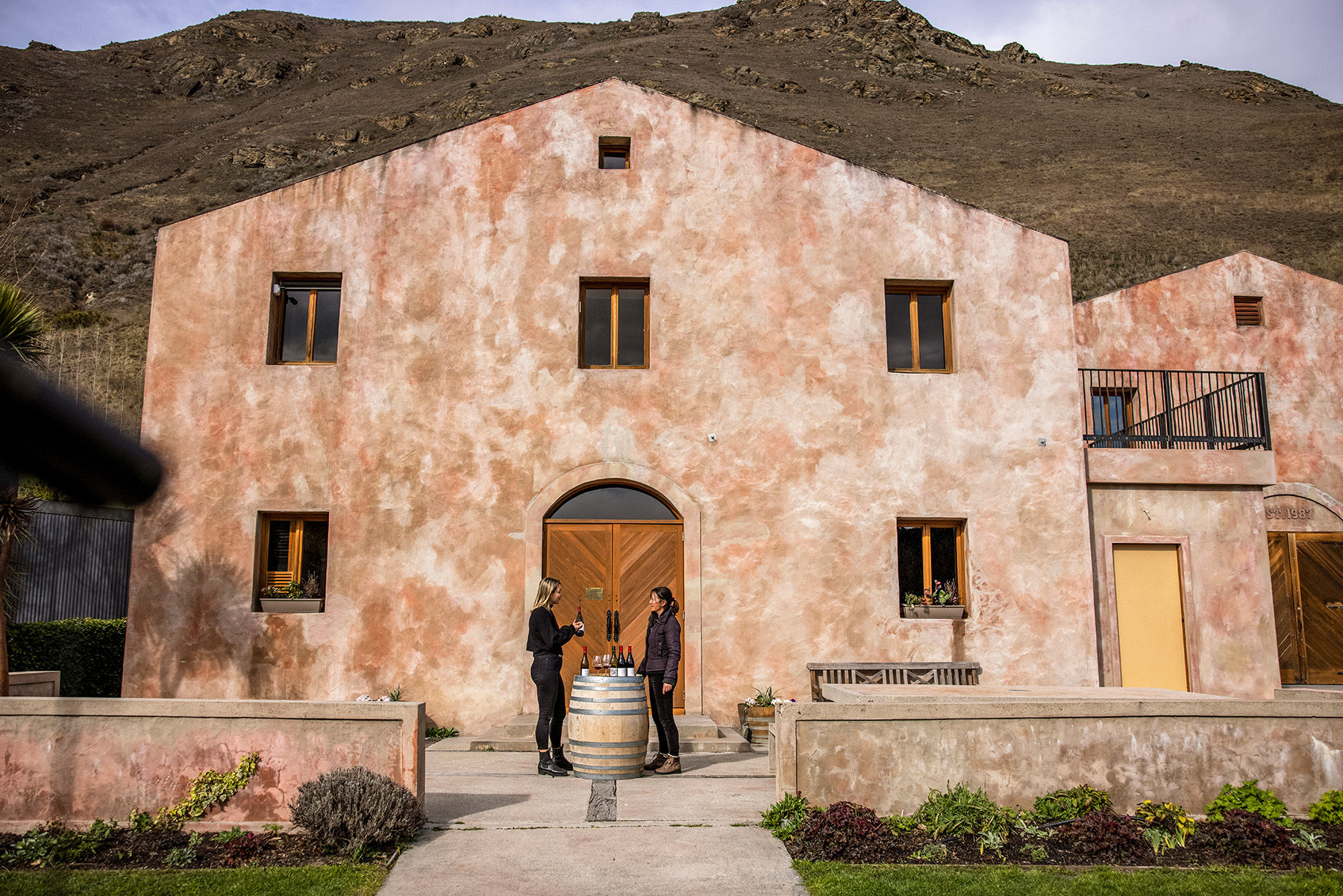
Photo by Miles Holden
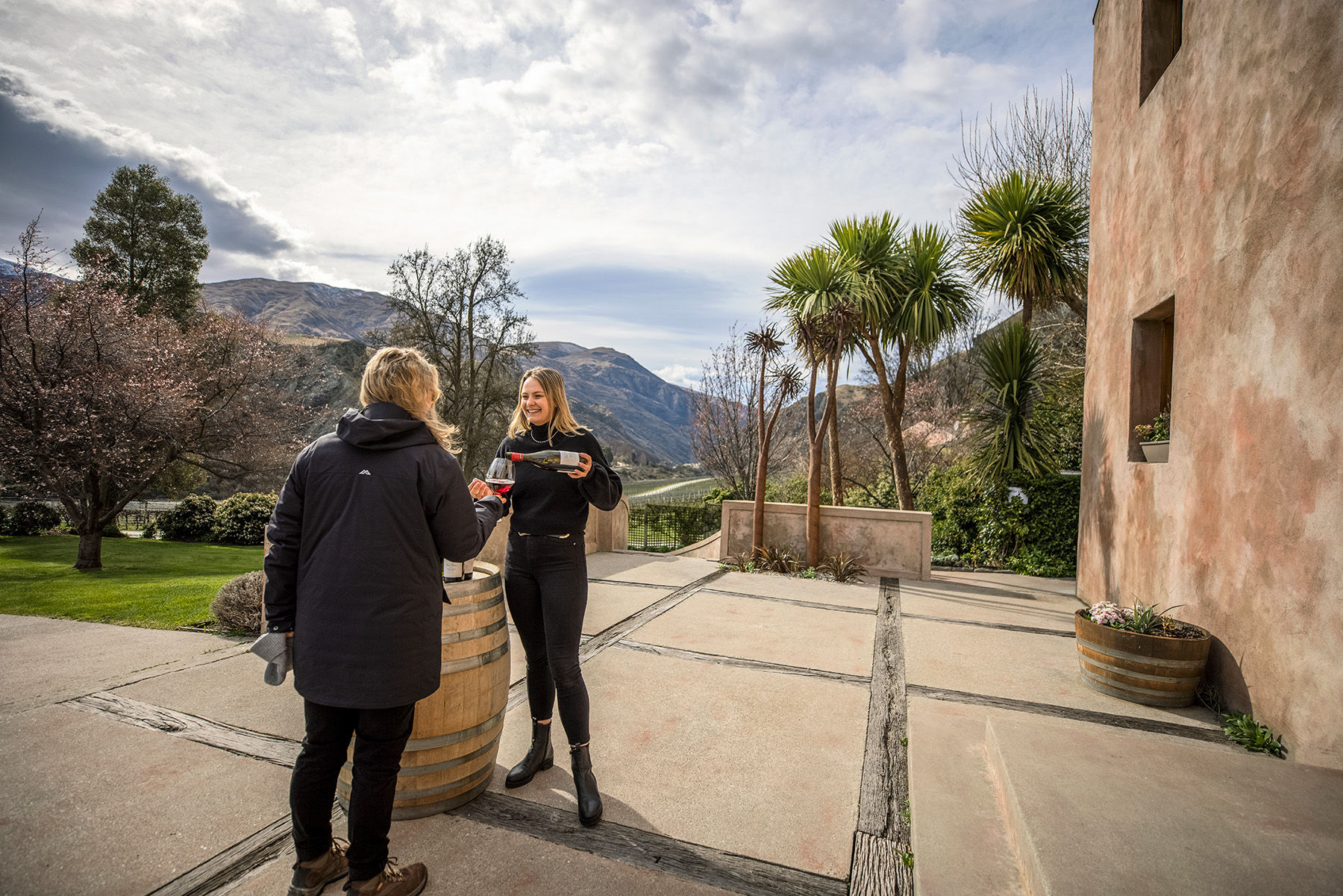
Photo by Miles Holden
With over 2,000 vineyards across 13 regions, New Zealand’s wine country rewards slow exploration. Marlborough’s Sauvignon Blanc may be the country’s best-known export, but Central Otago’s Pinot Noir, grown in dramatic alpine terrain, has become one of the most sought-after wines in the world. In 2023, Hawke’s Bay was named one of the world’s Great Wine Capitals, joining iconic wine destinations like Bordeaux and Napa Valley.
Many of the best cellar doors are surprisingly close together, making them easy to explore at a leisurely pace. In Marlborough’s Renwick, Wine Tours by Bike connects more than a dozen vineyards along flat country roads. In Central Otago, the Central Cycle Trail Co. runs premium wine rides through Bannockburn and Cromwell. For a different perspective, helicopter journeys with Over The Top lift guests above the Gibbston Valley, touching down at boutique vineyards and cellar doors scattered through the hills. This is wine tasting elevated, quite literally, to new heights.
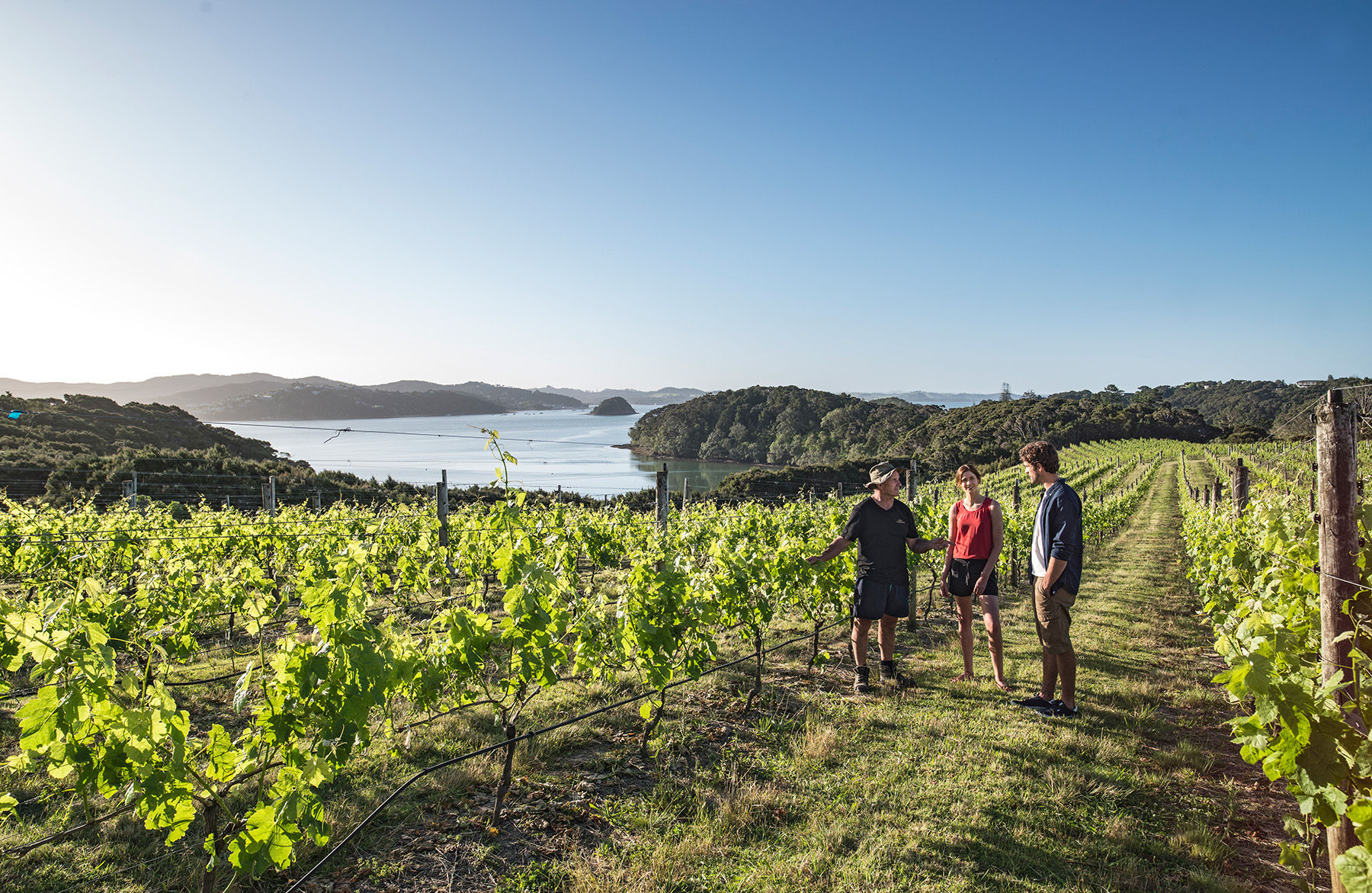
Photo by Alistair Guthrie
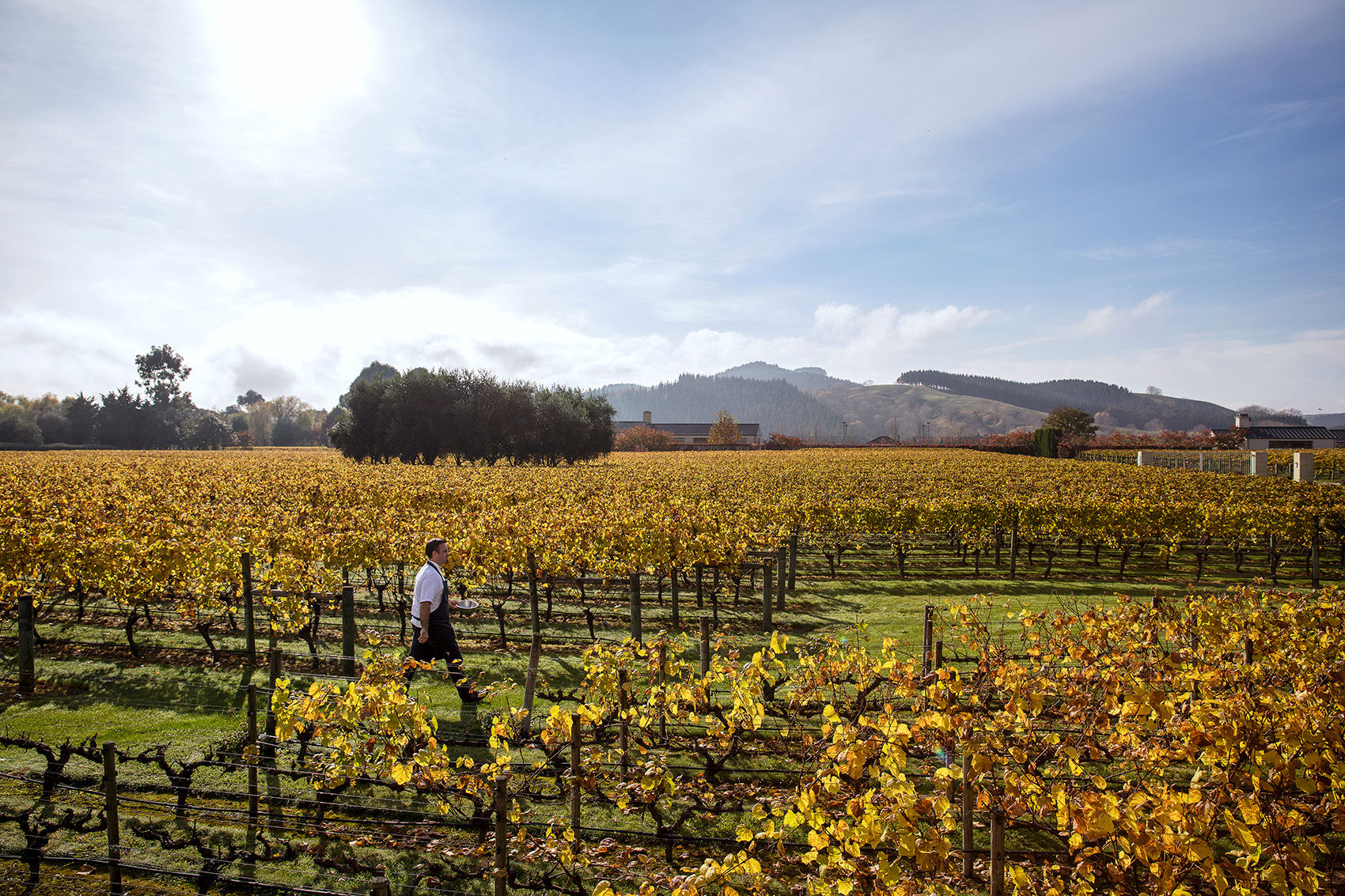
Photo by Matt Crawford
The Michelin Guide won’t change what’s already cooking in New Zealand’s kitchens. The restaurants that earn recognition will be those already sourcing thoughtfully, cooking with skill and drawing deeply from the land, and sea, around them. What Michelin brings is a wider audience — and for a food culture this distinctive, it’s a moment that feels both exciting and inevitable.
The inaugural Michelin Guide New Zealand is expected to be released in mid-2026.
To plan your New Zealand trip, visit newzealand.com

Article Sponsored by Tourism New Zealand.
Share:

Written By

T+L SEA STAFF
Dining and Cooking