
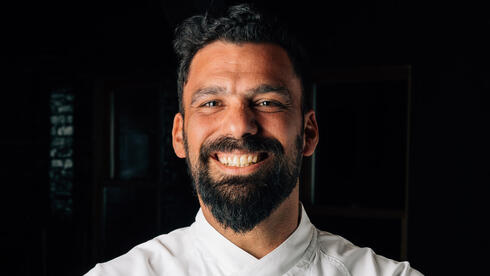
There is no shortage of new restaurants in New York, nor Israeli chefs trying their luck in the city. But it is rare for a chef who has already established himself at a popular Michelin-starred restaurant to walk away in order to fully pursue his own vision.Nadav Greenberg had such a moment. He entered New York’s competitive culinary scene as the head of the kitchen at Eyal Shani’s popular Shmoné restaurant in the West Village. He served as executive chef when Shmoné achieved its breakthrough — earning a Michelin star. But Greenberg was not satisfied and chose to leave the familiar, secure environment of Shani’s group to join the top tier.
7 View gallery
Or’esh restaurant
(Photo: Or’esh)
7 View gallery
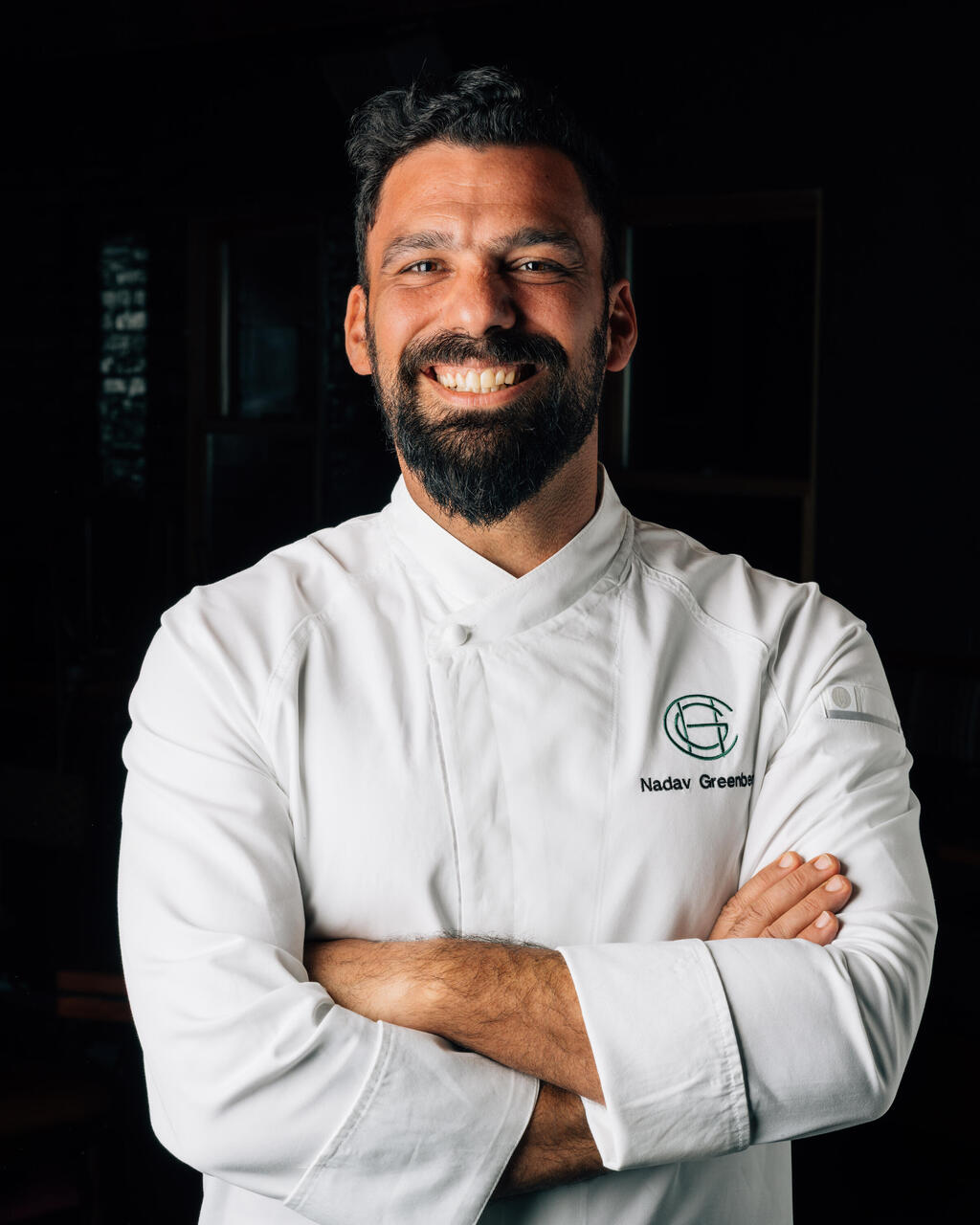
‘I feel like I’m in the big leagues’: chef Nadav Greenberg
(Photo: Catch Hospitality Group)
About a month ago, he launched Or’esh on West Broadway in Manhattan, and since opening, reservations have been nearly impossible to secure. Almost overnight — at a time when war continues in Israel and the country’s global image is under strain — Greenberg’s new restaurant has become one of the hottest and most talked-about spots in New York.
“There’s a crazy dissonance here. I’m a simple guy from Jerusalem who innocently lit charcoal in New York, and the next day I found literally 5,000 people waiting for a table in the reservation system. Everyone is dying to get in and begging me to find them a spot. I don’t understand how this happened — I’m just a cook,” said Greenberg, 40, who was born in Jerusalem and moved to New York nine years ago with $10,000 and a dog. Since then, he has continued to surprise — even himself.
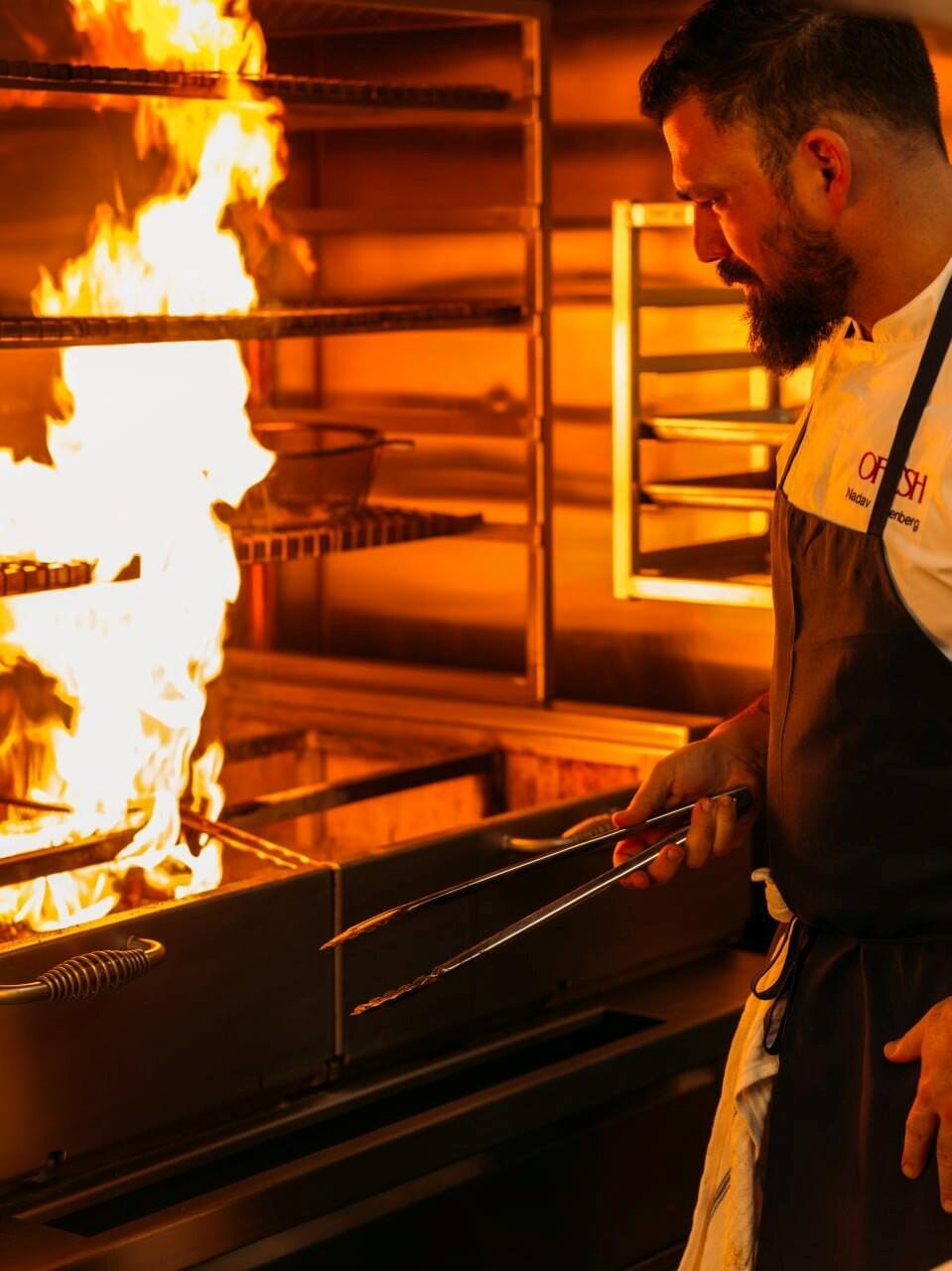
Or’esh is a Levantine Mediterranean restaurant centered on cooking over live fire — wood and charcoal — featuring a custom-built grill designed by Greenberg himself. According to Eater, which has already reviewed the restaurant, its Levantine angle moves away from the stereotypical Middle Eastern clichés associated with pita and hummus, and instead is expressed through dishes such as Jerusalem bagel, liver cigar, lamb kebab, whole grilled fish and substantial cuts of meat.
While many Mediterranean restaurants in New York focus on a casual atmosphere, Or’esh takes the opposite approach — a carefully designed space offering a long, upscale dining experience, with artwork on the walls and attentive service.
7 View gallery
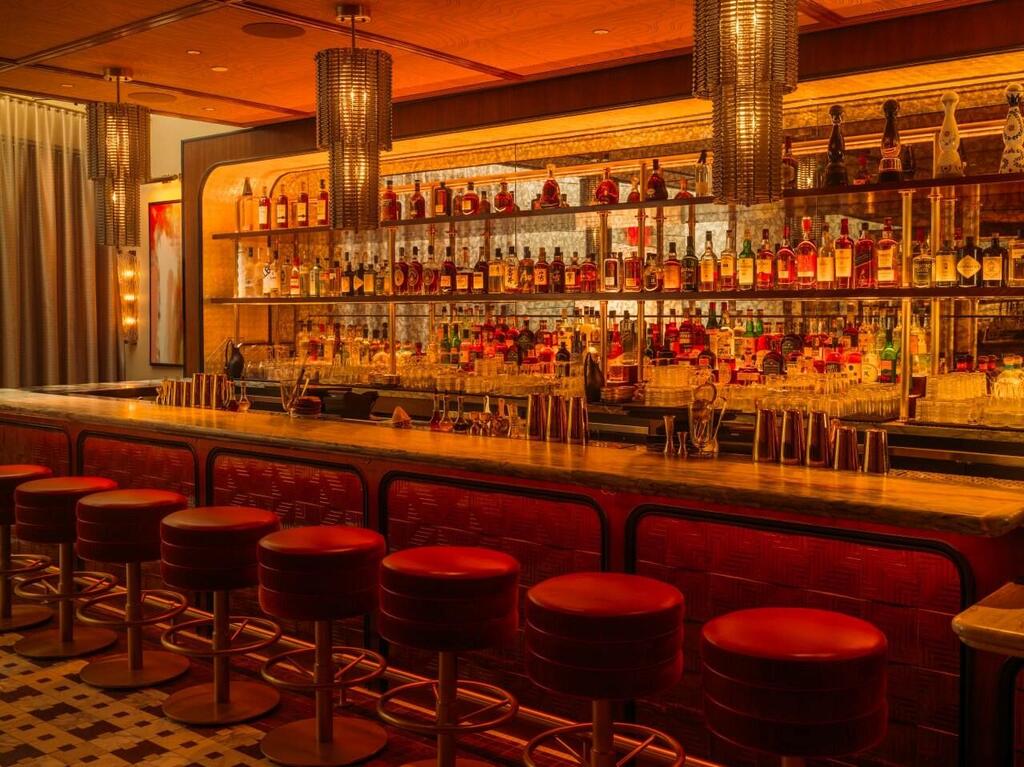
A luxury experience: Or’esh restaurant
(Photo: Or’esh)
7 View gallery
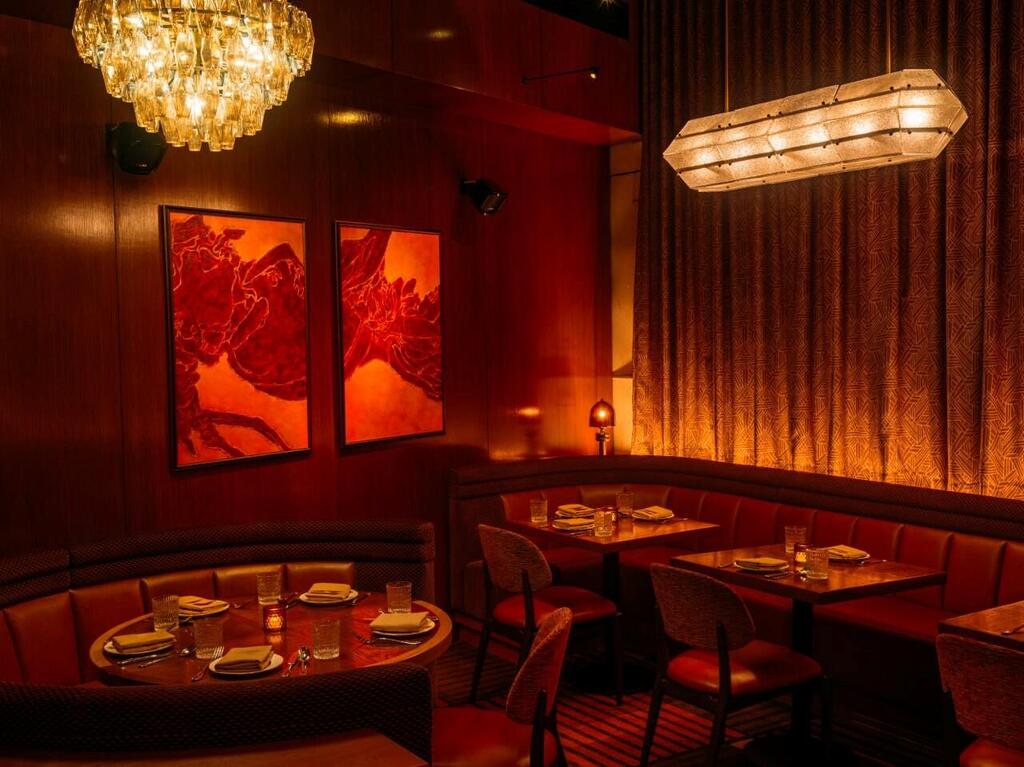
“We started working on the restaurant more than a year ago. Building a charcoal grill in New York isn’t just insanely expensive — it also involves complex permits. We were supposed to open in September and only opened in February because of approvals for the grill. Meanwhile, our rent — $70,000 a month — kept running as usual.”
How do you get partners on board with something like that?
“I explained that there’s no substitute for cooking over charcoal, that there’s no other way to achieve that flavor, and then the budget opened up. The original budget ended up doubling, but this grill is something special. It’s custom-built for me — there’s nothing like it in the world. It’s huge, the size of a bathtub. Only when you walk in do you really understand what’s happening here. There’s no other food like this in a space like this in New York. Levantine food usually comes with a neighborhood vibe — here it’s a fine, upscale experience. I feel like I’ve moved up to the major leagues — like I’m Deni Avdija at the All-Star Game. I feel like I’m in the big leagues, like an NBA player.”
7 View gallery
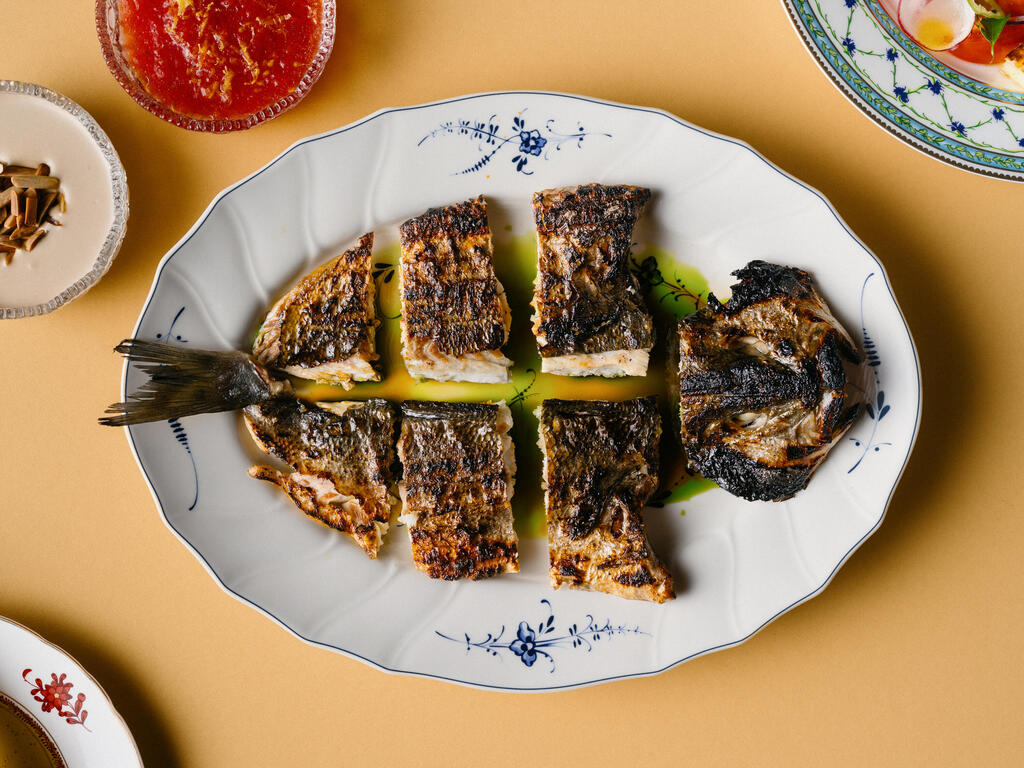
A dish at the restaurant
(Photo: Or’esh)
Although Shmoné’s Michelin star in 2023 was awarded to chef Eyal Shani, Greenberg served as its executive chef. He began working with Shani in 2019 with the opening of North Miznon on Manhattan’s Upper East Side and became one of the leading voices of a new generation of Israeli chefs in New York. Michelin inspectors were impressed with his culinary abilities, writing at the time that Greenberg was “the next Israeli star” — a prediction that has since materialized.
At Shmoné, Greenberg also met the partners behind his new venture — the Catch Hospitality Group, one of the most prominent restaurant groups in the United States in the past decade, operating venues in New York, Los Angeles, Miami and Las Vegas. The group focuses not only on food but on the overall dining experience.
The move marks a significant step up for Greenberg. Stepping out of Shani’s shadow puts him at center stage, while Shmoné remains closely identified with Shani. Greenberg is part of a second generation of young chefs who trained under leading figures and later developed their own culinary identity before branching out. Similar paths have been taken by chefs such as Tomer Tal, Yuval Ben Neriah and Yaron Shalev.
Explain how you leave Eyal Shani.
“Eyal is my mentor and I value what he does. I still speak his culinary language. What was special about Shmoné was that we were a young, hungry team — the goal was to win a star and we went all in. We worked like crazy, bringing ingredients from the market and cooking nonstop. We’d drink at night, sleep four hours and get up for service. The whole team worked around the clock and believed in what we were doing. Shahar Segal told me someone with money would eventually come and take me — and they even offered me a partnership at Shmoné. But I asked myself where I’d be in five years. At Shmoné, I would always be in Eyal’s shadow. I also wanted to show what Mediterranean food can be — not just cauliflower and food served on cardboard.”
7 View gallery
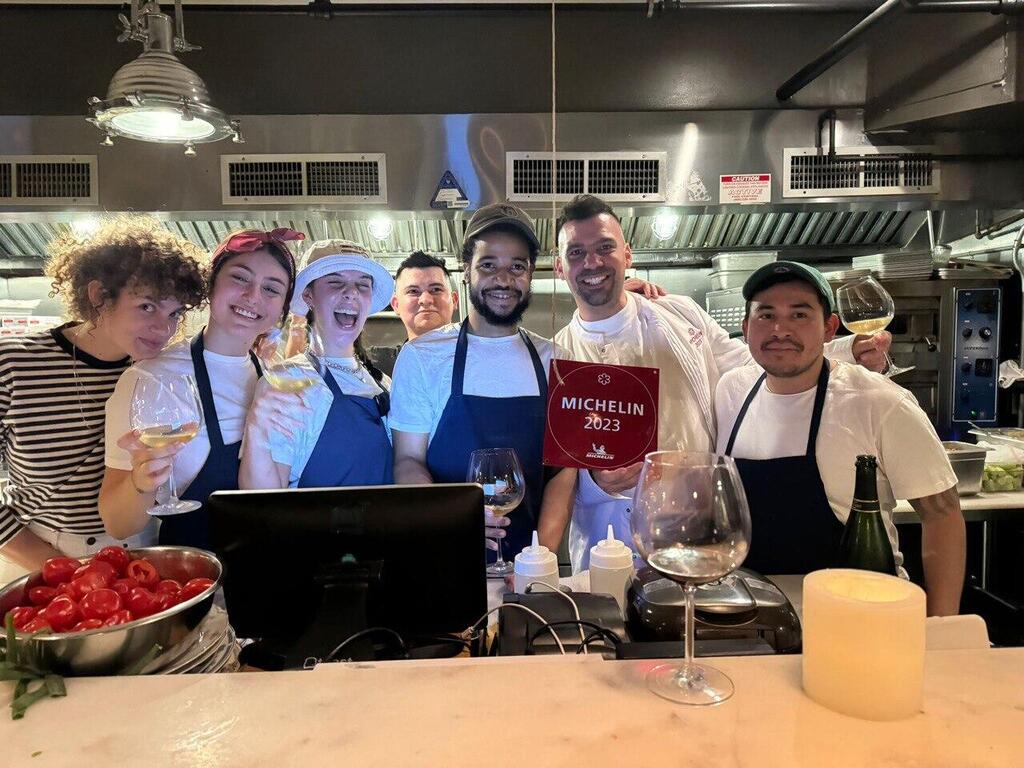
Shmoné restaurant in New York after receiving a Michelin star
(Photo: PR)
So in the end, someone with money really did take you.
“I joined an incredible group — true professionals at the highest level. My partners are Eugene Bar and his wife Valerie, a Jewish American and a former Israeli who live in New York. He came to eat at Shmoné, said he was opening a restaurant, and on his way home, he texted me to meet. He’s hungry and I’m hungry — we want to conquer the world together. It’s a perfect collision of two strong forces: Catch’s ability to build an experience and my ability to deliver Israeli Mediterranean food without gimmicks.”
Are you aiming for Michelin here as well?
“Absolutely. Michelin knows me — they’ve written about me. I did what I did at Shmoné: I emailed them and asked them to come. They replied within 24 hours: ‘Thank you for your email, we’ll visit if we haven’t already.’ I want to conquer New York.”
How has the current war and the past two years affected an Israeli business in New York?
“The situation is crazy. What does ‘Israeli food’ even mean? It’s a philosophical question — we’re a melting pot of people who brought their cultures together. The restaurant’s name is in Hebrew, and there’s an Israeli chef leading it. I asked my partner if we were sure about using a Hebrew name, and then I realized we’re proud of what we do. We won’t loudly market it as an Israeli restaurant, but you’d have to be clueless not to understand that it is. I feel like I represent something bigger than the restaurant at a time when we’re not at our peak globally. The fact that people want to eat my food is crazy. I see the spark in their eyes — it’s amazing to watch.”
7 View gallery
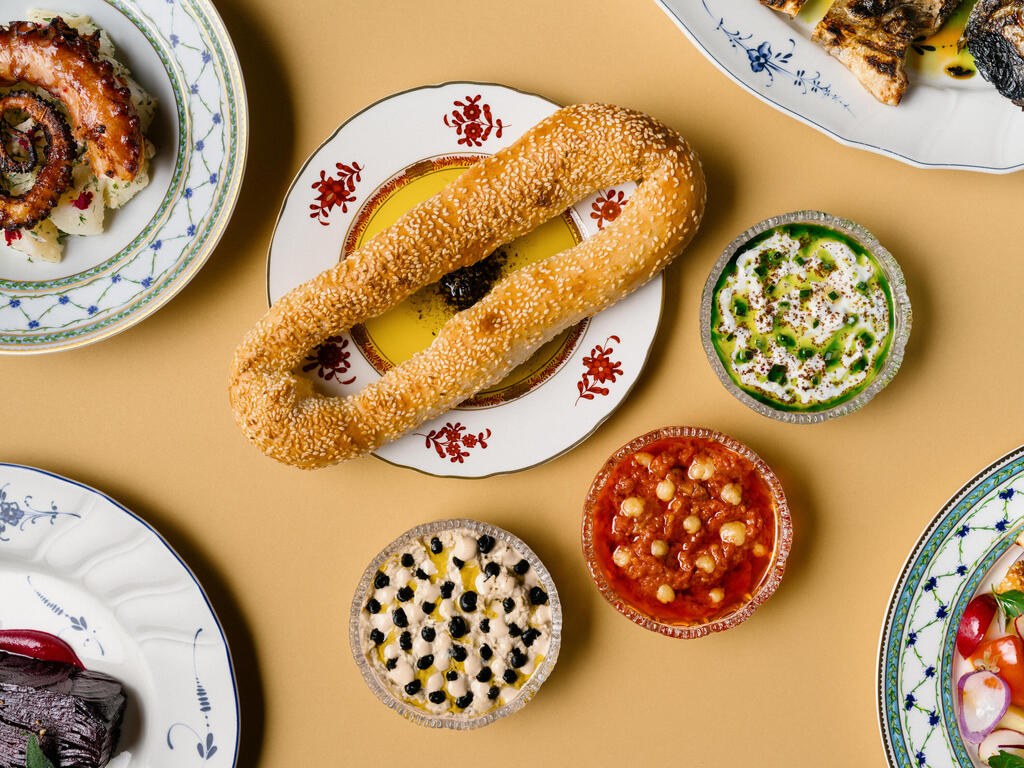
‘You’d have to be clueless not to understand we’re an Israeli restaurant’; Or’esh cuisine
(Photo: Or’esh)
Where do you want to be in five years?
“I want three stars from The New York Times and Michelin. It would close a personal circle — Shmoné was mine, but not really mine. We chefs have egos, and I want my name in Michelin’s history books. In 10 years, I want to sell pots and pans with my face on them. I want financial success too. New York is tough and competitive, but this is the United States — when you succeed here, you succeed big. It’s a completely different game.”
Dining and Cooking