
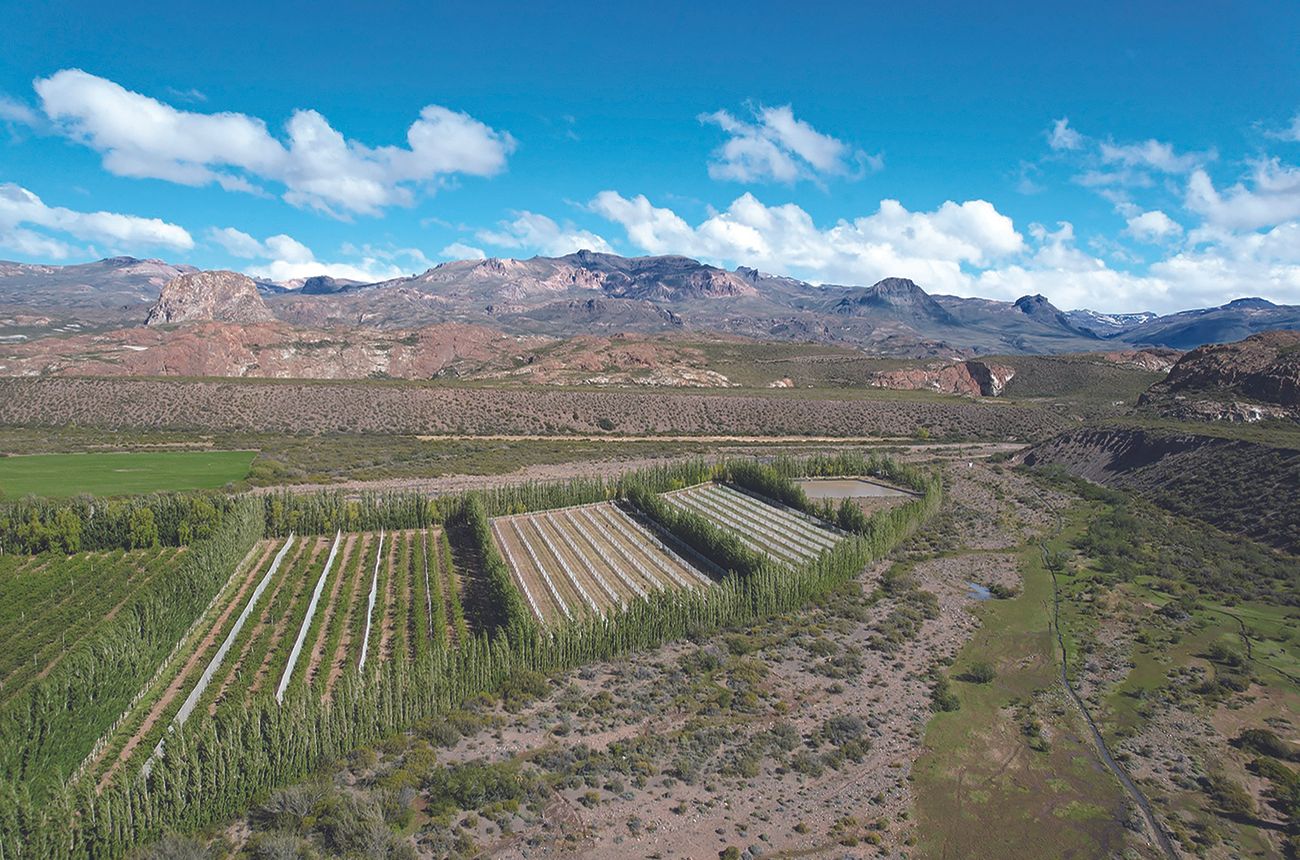
Covering the austral section of South America, spanning the southernmost areas of Chile and Argentina, Patagonia is a region of extreme, diverse landscapes.
Strong winds and wide diurnal temperature ranges make it a challenging yet appealing place for viticulture – it’s certainly not for the faint of heart.
The region’s breathtaking terroirs yield both singular expressions of the countries’ more popular grapes and unlikely South American iterations of varieties mostly associated with classic cold-climate regions.
Without the sheltering effect of the Andes mountains, strong winds blow unhindered. Meanwhile, high latitudes expose the vines to intense UV radiation throughout the growing season’s long days.
These conditions tease grapes into producing thicker skins while developing diverse aromatic compounds, and the bitterly cold nights help to preserve acidity.
Put it all together and you have a winemaker’s dream – for those willing to embrace the challenge.
Precocious complexity
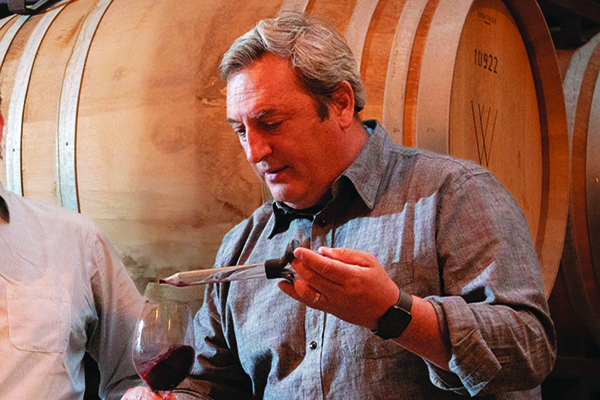
Felipe Tosso, Ventisquero
(Image credit: Credit Unknown)
Due to its trying natural conditions, as well as its remoteness, Patagonia is a geography in which viticulture at scale isn’t easily profitable – or, in some areas, even possible.
Hence the region draws winemakers with an appetite for the unique, the unusual and the hard-won.
The singular, world-class wines the region produces have made it one of South America’s most alluring.
But the attention it draws is in inverse proportion to its area under vine, representing less than 2% of Argentina’s vineyards (data for Chilean Patagonia aren’t available).
‘Many ask me whether I see a great future for Patagonia wines. My reply is: no,’ says Felipe Tosso, who, as chief winemaker at Ventisquero, has led the inception of Kosten, the Chilean group’s foray into Patagonia and, at 46.3°S, the world’s southernmost vineyard (at Chile Chico on the southern shore of Lake General Carrera, and right next to the border with Argentina).
‘There is a tiny – but fantastic – future: outstanding wines from small projects. In such dramatic terroir, the vines achieve a superior potential, even at a young age.’
Juan Pablo Murgia, of Otronia, concurs: ‘We see the balance of old vines in young plants. The way vines adapt to the Patagonian conditions is incredible.’
Preserving memory
(Image credit: JP Map Graphics Ltd)
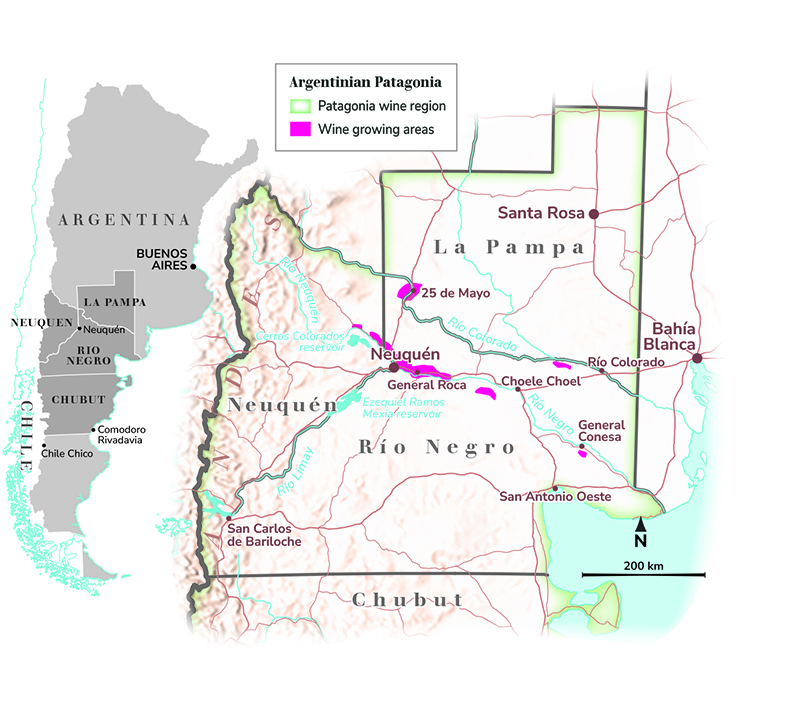
Most of Patagonia’s vineyards are located in the Argentine provinces of Río Negro and Neuquén with 3,341ha split between the two. Further south, over and beyond the 45th parallel, the province of Chubut accounts for a mere 117ha.
Extreme viticulture notwithstanding, some of the biggest challenges of making wine in Patagonia are operational.
Far away from the main viticultural and commercial hubs, it’s not easy to consolidate resources or find skilled staff.
Many projects are, therefore, intriguing offshoots of established brands based in better-known regions – wines that reflect a desire to explore other realms of possibility, articulate a different oenologic vocabulary and acknowledge a more diverse past… and future.
For Matías Riccitelli, the maverick winemaker best known for his namesake project in Mendoza’s Luján de Cuyo, making wine in Patagonia emerged as a way to harness a unique and overlooked ‘climatic and patrimonial potential’.
As Mendoza established itself as Argentina’s wine-producing core and settlers stopped producing wine for self-consumption, the vineyards of northern Patagonia lost their appeal, resulting in a patchwork of old, ungrafted plots of myriad varieties.
Riccitelli sees his Patagonian range as part of an effort to preserve an important part of South American wine heritage, as well as a unique genetic diversity: ‘We have inimitable terroirs with a singular climate and incredible clonal diversity of different varieties (and also field blends) with a long – sometimes forgotten – history here. They produce wines with a particular expressiveness.’
Beyond known limits
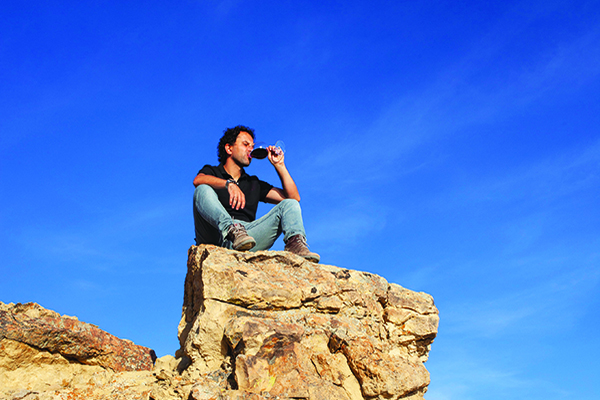
Juan Pablo Murgia, award-winning winemaker at Otronia in the far south of Chubut province
(Image credit: Credit Unknown)
Further south, in Chubut and Chilean Patagonia, winemakers are pushing the known limits of viticulture, planting in areas never before considered suitable for vines.
Murgia (pictured, above), head winemaker at Mendoza’s Bodega Argento, was forced to question his experience and learnings when leading the establishment of Otronia, a sibling project in Sarmiento, Chubut, at 45.6°S, more than 1,100km south of Patagonia’s northern edge.
‘I had to learn a new type of viticulture – of cold and winds,’ he says.
Since its first commercial vintage in 2017, Otronia has been consistently producing award-winning wines. Murgia unassumingly attributes the quality of the wines to the outstanding, if relatively meagre, fruit Patagonia yields.
‘Patagonia is synonymous with beauty and singularity, which translate into the unique character of the wines,’ he says.
‘This, along with the many challenges of wine production [in the region], means that there’s little sense producing anything but top wines.’
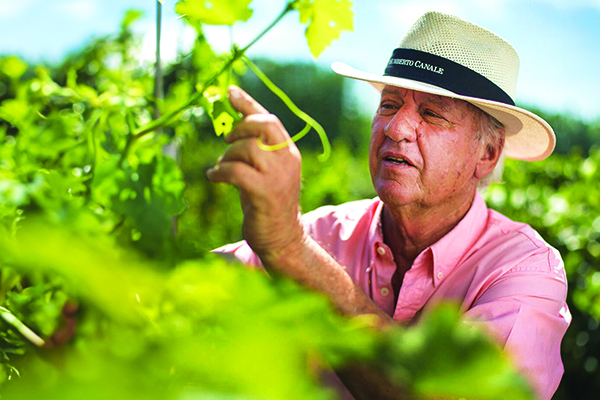
Guillermo Barzi Canale, Humberto Canale (see recommendations, below)
(Image credit: Credit Unknown)
Tosso echoes this feeling and admits that succeeding in Patagonia immediately puts winemakers in a different league.
‘Making wine in such challenging conditions is hard and expensive. To see our efforts validated by the quality of the wines feels like a great achievement,’ he concludes.
Tosso likewise stresses the focus and self-assurance needed to grow grapes in Patagonia.
While he can plan for harvest with a degree of comfort for other Ventisquero wines, at Kosten, experience and planning only go so far: with frost always imminent, decisions need to be made quickly and determinedly – and often remotely.
Patagonia’s wines might be hard-won for producers and consumers alike, but, like the region’s landscapes, they afford experiences that are worth the willingness to embark on an unexpected, memorable journey.
Taste of the wild: A fascinating 12 from PatagoniaRelated articles
Explore More
Latest tastings
Magazine
Dining and Cooking