

Many of the world’s great restaurants have transformed dining from an act of consumption to something that leans closer to the artistic. El Bulli created translucent pastas and fruit-flavoured papers, Alinea served a pillow filled with nutmeg-scented air and Denmark’s Noma, the establishment of spurned chef René Redzepi, plucked produce from the woods to bring the Nordic landscape to the plate. Given all the foam, flavour and fragrance at play, should avant-garde cooking be considered art?
That is the question that Denmark’s Ministry of Culture is trying to answer through an initiative, introduced earlier this year, which aims to explore whether it should officially recognise gastronomy as an art form. If successful, the proposal will formally place cooking, specifically the work of high-end restaurants, in the same bracket as ballet and sculpture. It would be a world first for the industry and ultimately open the doors to state and private funding for research and development.
 Finishing touch: Seeking perfection at Alchemist (Image: Courtesy of Alchemist)
But whether rarefied techniques used in cooking should be framed as art has historically divided opinion. Many notable chefs, including the late Anthony Bourdain, have argued that cooking is a craft not an art. Chef Jeremy Chan, whose London restaurant, Ikoyi, is known for its ultra-modern, spice-heavy dishes, also says that deciding what in the culinary world qualifies as art will be extremely specific and biased. “Will it just be restaurants whose dishes use very intricate tuiles and dots? Is that artistic food?” Chan asks. “For me, it isn’t.”
Those in the arts are also not so open to the idea. “For now I would regard cooking as an advanced craft with artistic qualities rather than an independent artform in its own right,” says Helene Nyborg Bay, the director of Copenhagen’s Kunsthal Charlottenborg gallery.
Then there’s the issue of how challenging it can be to define art. “Why do we need to classify something that’s wonderful in its own right as something else?” asks Poul Erik Tøjner, the director of the Louisiana Museum of Modern Art in Humlebæk, Denmark. “I smell an old-fashioned snobbishness here, not least when most people agree that it is really hard to explain what art – and especially what good art – actually is.”
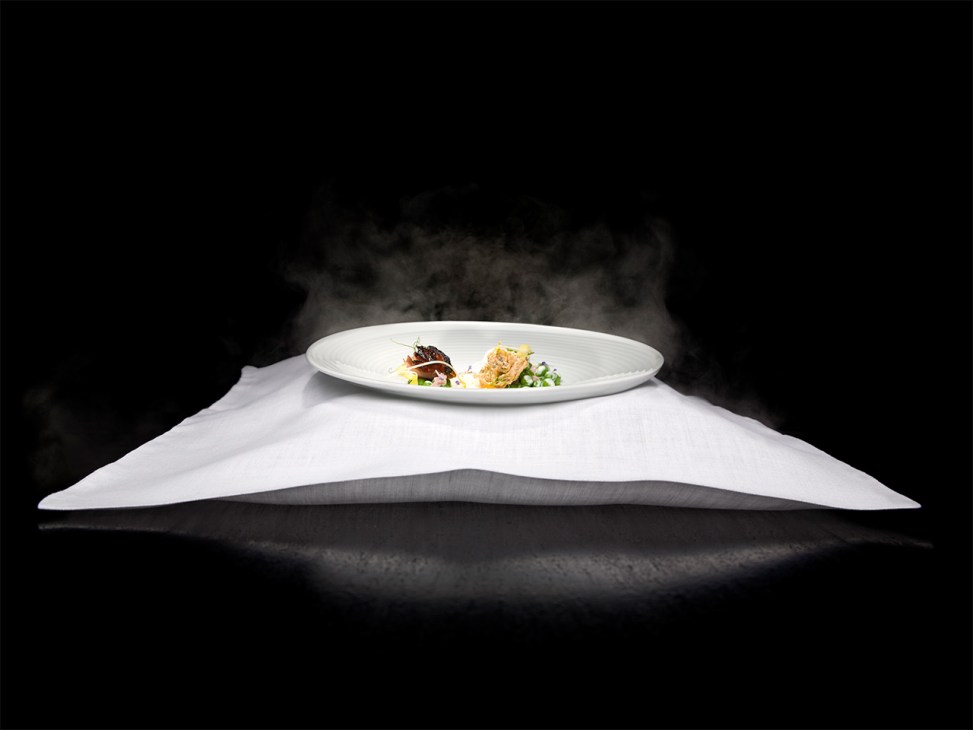
Alinea served a pillow filled with scented air.
(Image: Courtesy of Alinea)
Alinea served a pillow filled with scented air.
(Image: Courtesy of Alinea)
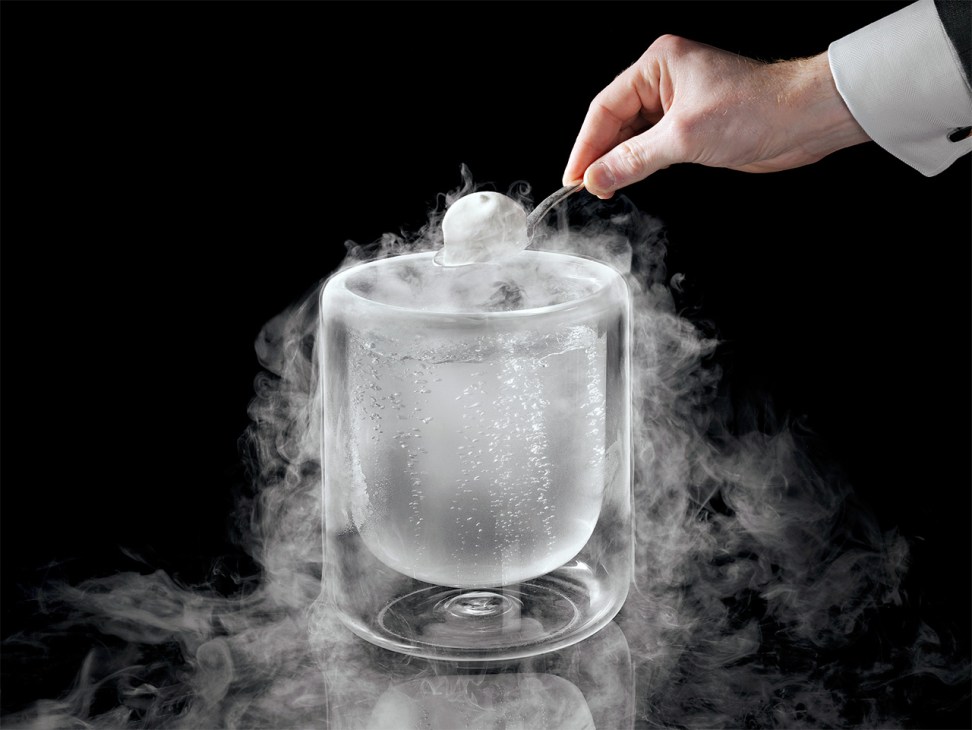
The Fat Duck made its name with nitro-poached aperitifs…
(Image: Courtesy of The Fat Duck)
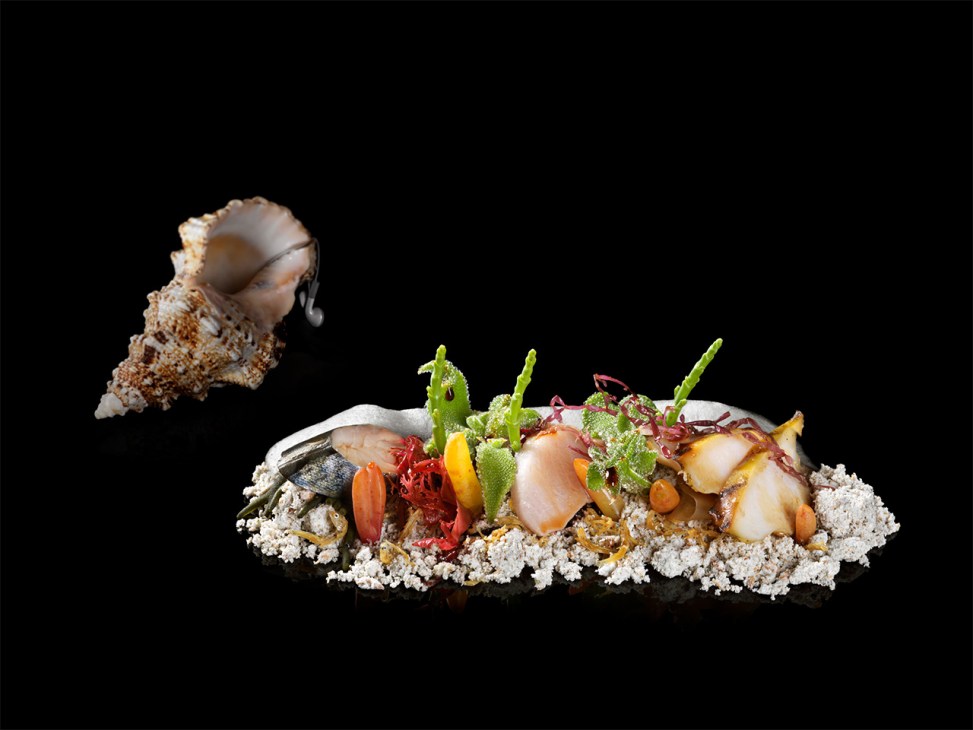
…and edible dioramas of the seaside.
(Image: Courtesy of The Fat Duck)
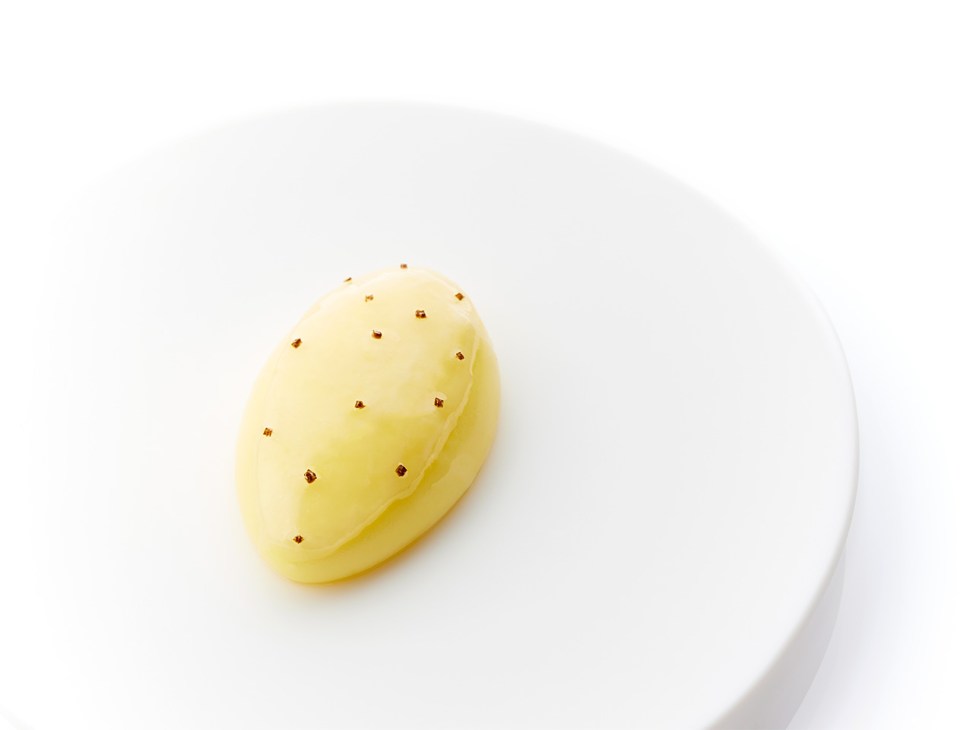
Alchemist’s perfect omelette topped with a black truffle pattern and infused with black pepper using ultrasound.
(Image: Courtesy of Alchemist)
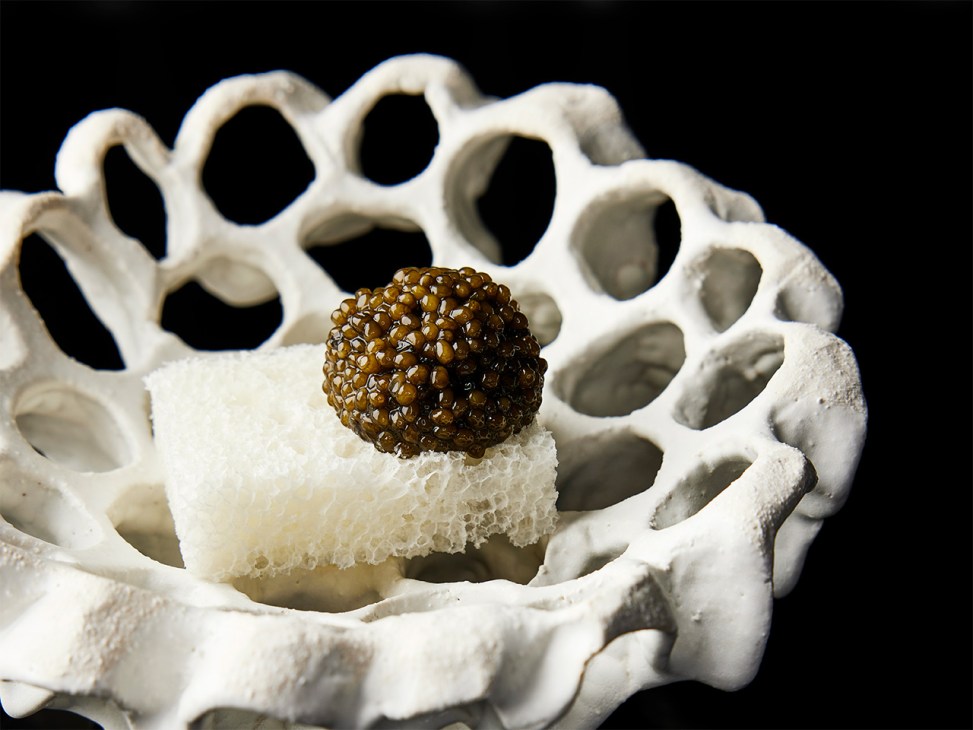
Space bread at Alchemist
(Image: Courtesy of Alchemist)
While what constitutes “good art” remains contentious, the parallels between ambitious cooking and traditional artforms are difficult to deny. Elaborate, you’ll-eat-what-we-serve-you meals can convey a message. They’re not just a form of sustenance but a painstakingly composed medium that pushes a story forward, elicits an emotional reaction or reflects a sense of place – in the same way that a painting by Pierre-Auguste Renoir can instantly plug you into the rhythms of 19th-century Paris. “Cooking is a craft in its origin – but good cuisine, like good art, can create memories and evoke feelings,” says Elena Arzak, the chef of Arzak, a three-Michelin star restaurant in San Sebastián.
At Pujol in Mexico City, chef Enrique Olvera’s mole madre, which consists of two concentric circles of mole – one fresh, one aged for more than 3,500 days – is an abstract paean to the deep history of Mexican cuisine. Tokyo’s Narisawa often uses scatterings of cherry blossoms and Yamaguchi tilefish to celebrate the beauty of the villages in Japan’s rural foothills. Avant garde meals can also strike a chord at the provocative end of the spectrum, as many who have visited Mugaritz, a Basque restaurant known for its extremely unsettling textures, might tell you.
Cutting-edge cooking, just like fine and contemporary art, has also proven fertile ground for envelope-pushing techniques. El Bulli played with the possibilities of what food could be as it devised frozen savoury courses and produced dishes made entirely of foam. The Fat Duck made its name with nitro-poached aperitifs and edible dioramas of the seaside. Alchemist, a wildly unorthodox Copenhagen restaurant where meals can stretch seven hours and take place largely under a planetarium-style dome, somehow created its omelette using ultrasound. “To say all gastronomy is art is something I do not believe,” says Alchemist’s chef, Rasmus Munk. “But I think there are places that have an intention and philosophy behind the cooking; there are artistic compromises; there is research.”
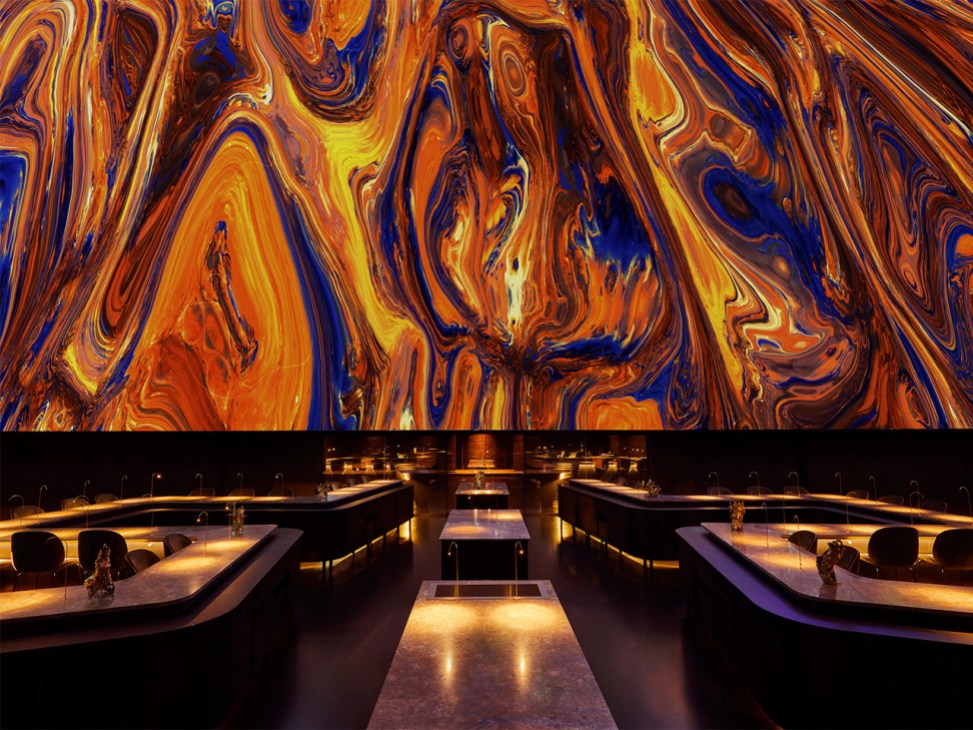 Dinner and a show: Alchemist’s planetarium style dome (Image: Courtesy of Alchemist)
As with classical music, stage productions and the creations of modern masters, what has helped make a lot of top-end culinary work so compelling is the problematic yet irresistible idea of the solo genius. At least since the 2000s, genre-bending chefs from destination restaurants such as The French Laundry and, yes, Noma, have been framed as visionaries answering a creative calling. Whether it’s okay to still indulge in this narrative remains divisive. After all, it encourages diners to overlook the gruelling, process-intensive work carried out by rank-and-file line cooks and sous chefs – or else risk shattering the auteur’s illusion.
While it’s difficult to define what art is, the hallmarks of it are also evident in fine and experimental dining. And if a chef presents a menu with a certain intention, executes it with skill and wants to deem it art, then let’s consider it so. If Marcel Duchamp’s porcelain urinal is worthy of gallery space and Maurizio Cattelan’s banana fetched $6.2m (€5.4m) at auction, then why can’t a dish be seen in a similar light?
If the Danish initiative goes through, a specific category of cooking will be considered art but it’s unclear how restaurants or chefs will be chosen. What is known is that the designation will make public-arts funding available to chefs who want to push the boundaries of fine dining, and allow top-tier restaurants to step away from daily service and invest in research. But what the initiative has already shown is that the topic of high-end gastronomy provokes debate. If anything, is that not just another sign of art at play?
Further reading:
– Late-night tables: Seven after-hours dining hotspots
– Course correction: How restaurants are rebelling against performative dining
– The hospitality playbook: 15 expert tips to build a hotel or restaurant that lasts
Dining and Cooking