
Ninth-generation winemaker César Márquez is redefining Spanish wine by simply letting Bierzo’s old vines speak for themselves.
By: Dawson Kan
Spain has long classified wine by time served rather than origin. A Crianza spends a year in oak, a Reserva three, a Gran Reserva longer still. While patience is a virtue, it remains a system that explains process while saying very little about place. This is precisely the logic César Márquez, working from century-old bush vines in Bierzo’s village of Valtuille de Abajo, has spent the past decade quietly undoing — simply by making wines so transparently of place that the old categories begin to sound irrelevant.
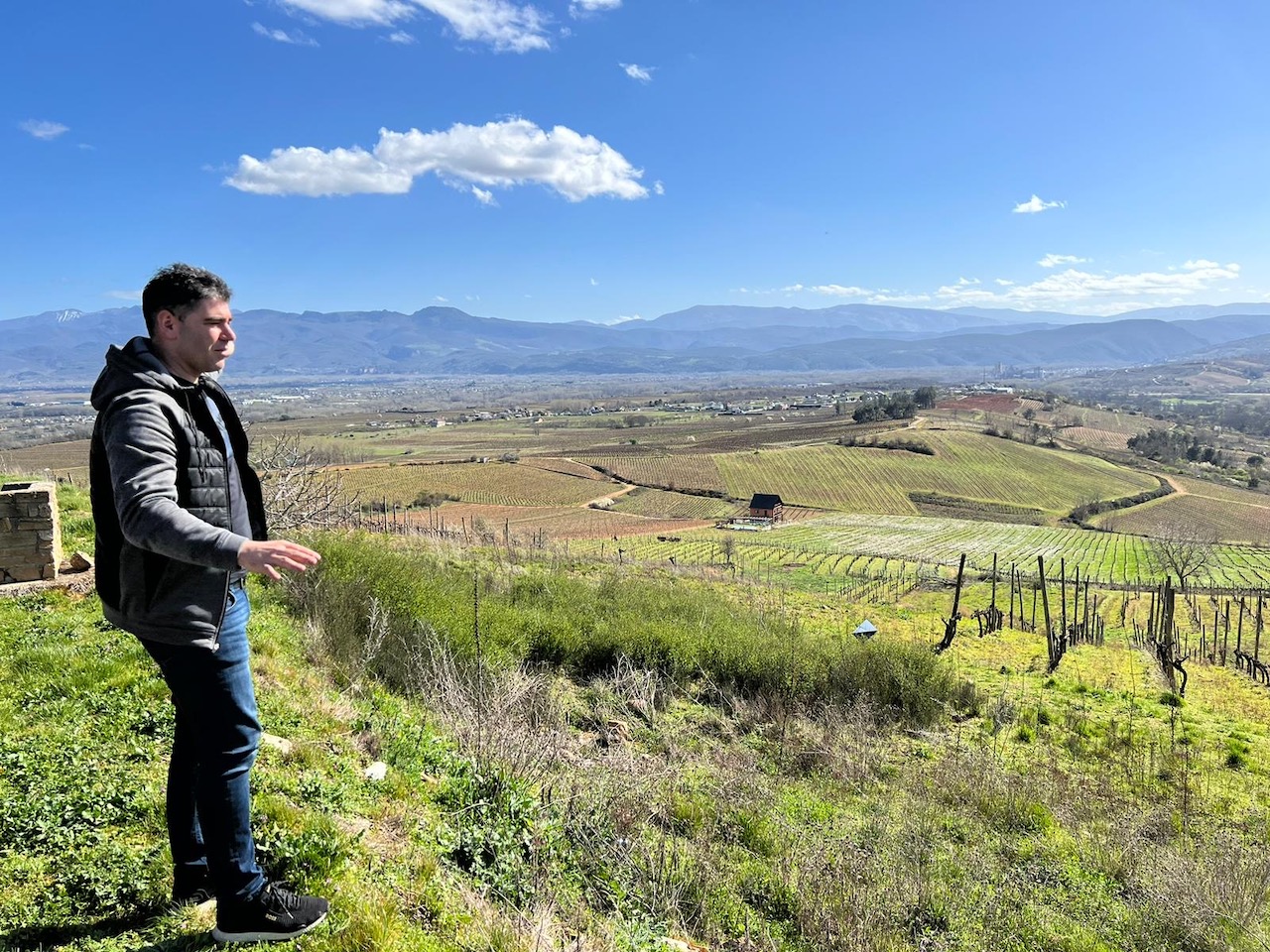
The Burgundy comparison is inevitable, which makes it both useful and faintly tiresome. Useful because César operates from a similar philosophical blueprint: parcellated vineyards, site-specific bottlings, minimal cellar interference. Tiresome because it suggests Spain needs French validation to take terroir seriously. After all, Bierzo has been cultivating Mencía for centuries on Atlantic-influenced slate and clay — a tradition long embedded in the region’s steep hillsides — even as Burgundy’s formal vineyard classifications evolved through medieval and modern history.
“I think it’s important to compare it to Burgundy because of the diversity of villages, soils and orientations that Bierzo has,” César concedes. What he is actually demonstrating is that Spain possesses one of Europe’s most geologically complex wine regions and has simply been distracted by oak schedules for far too long.
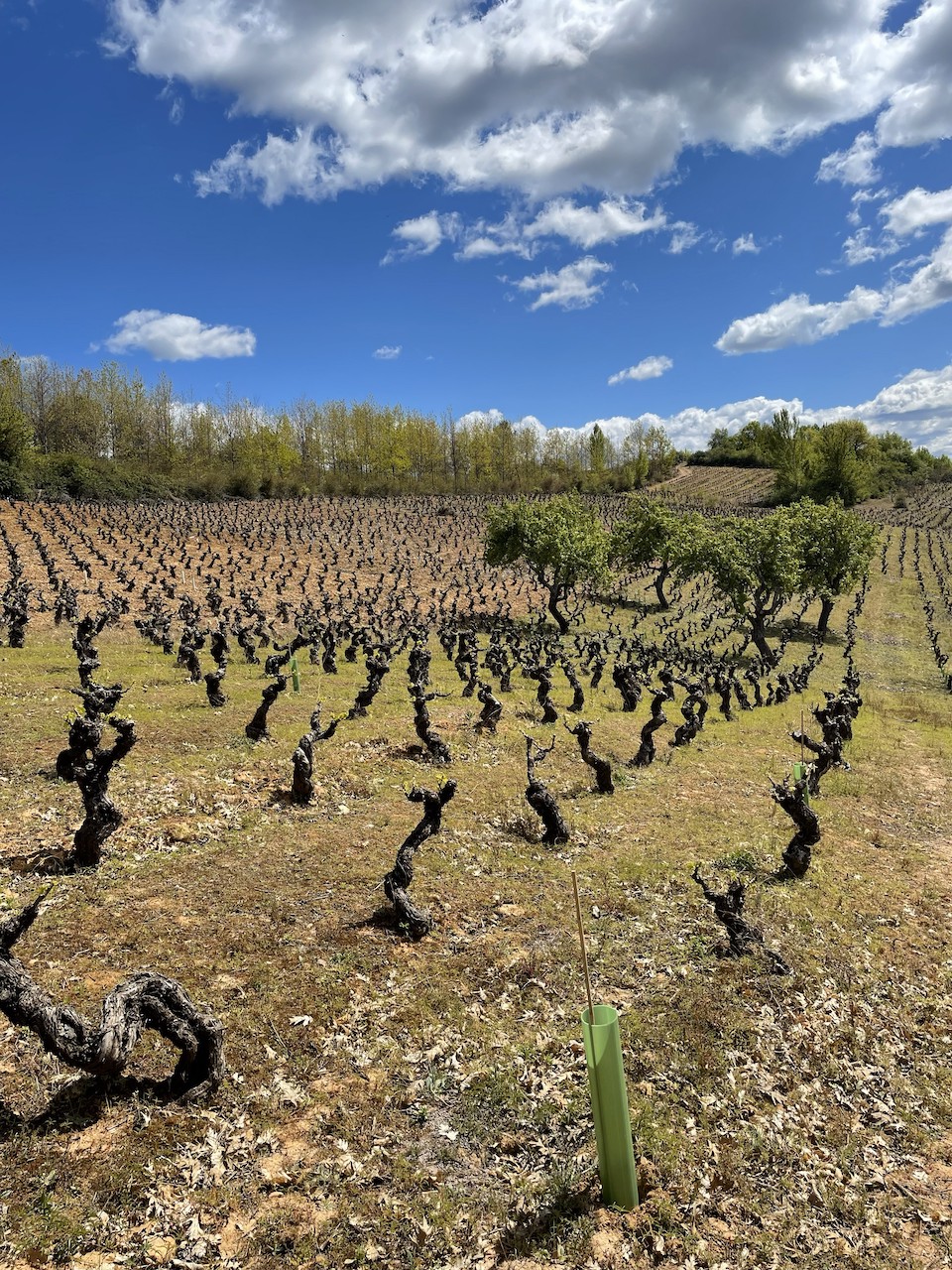
The ninth generation of his family to work these vineyards — a lineage traceable to 1752 — César launched his own project in 2015 after apprenticing with his uncle, the formidable Raúl Pérez. That relationship matters. Pérez effectively rewrote Bierzo’s reputation, proving the region could produce wines of intellectual seriousness rather than rustic charm. Where Pérez cast his net widely across northwest Spain, César has zoomed in obsessively on the microclimates of Valtuille itself.
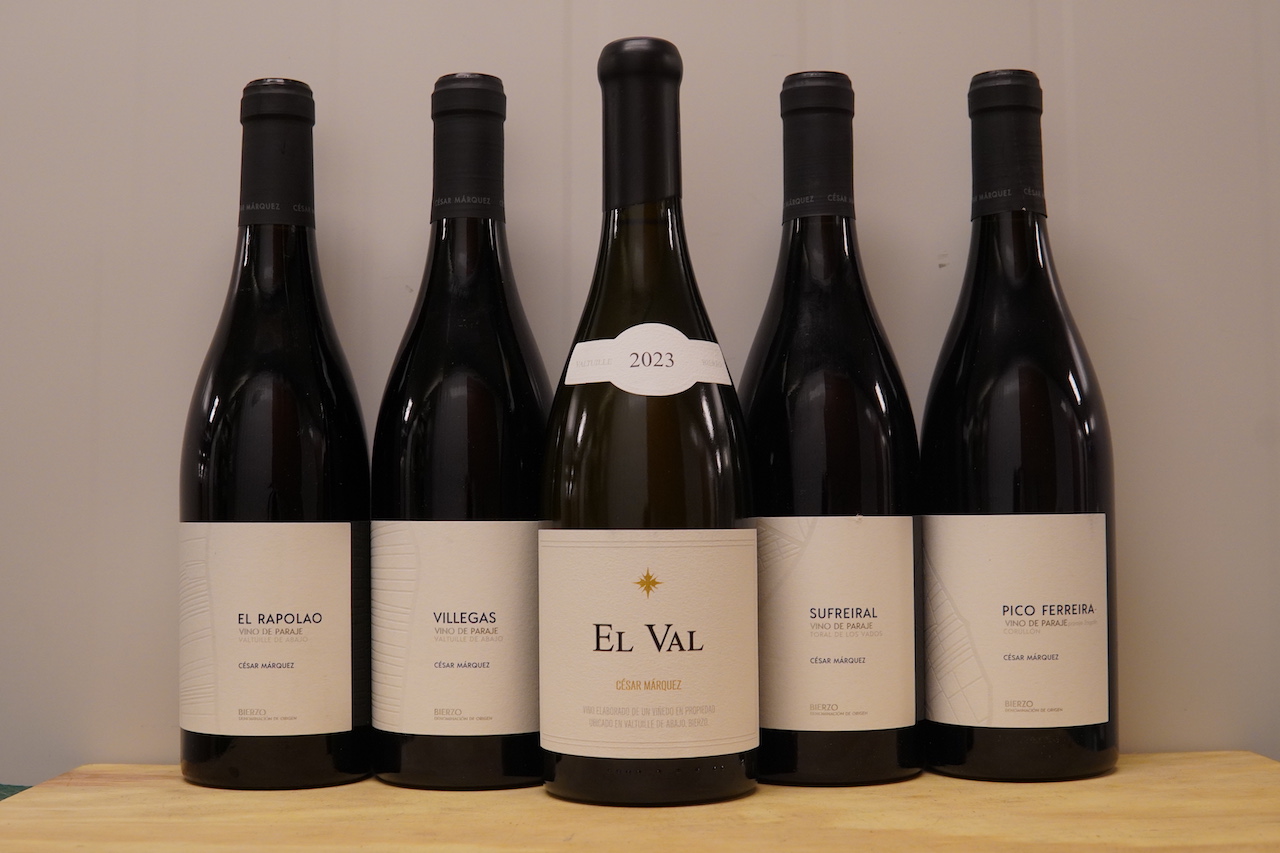
His core range reads like a Burgundian hierarchy translated into Spanish. Parajes, his regional expression, draws from dozens of individual vinifications across multiple villages. Valtuille captures the village identity. Then come the single-vineyard bottlings — El Rapolao, Pico Ferreira, Sufreiral — each from parcels smaller than a hectare, all planted with vines already established before the Spanish Civil War.
The winemaking borders on willful restraint. Partial destemming, open-barrel fermentation, long macerations stretching up to 60 days. Then the wines disappear into 500-litre French oak barrels for 12 months, where César does essentially nothing. There is no racking unless reduction threatens, and topping-up is kept deliberately minimal. “We have a lot of faith in the vineyard,” he says. “If you have good grapes, everything is easier.”
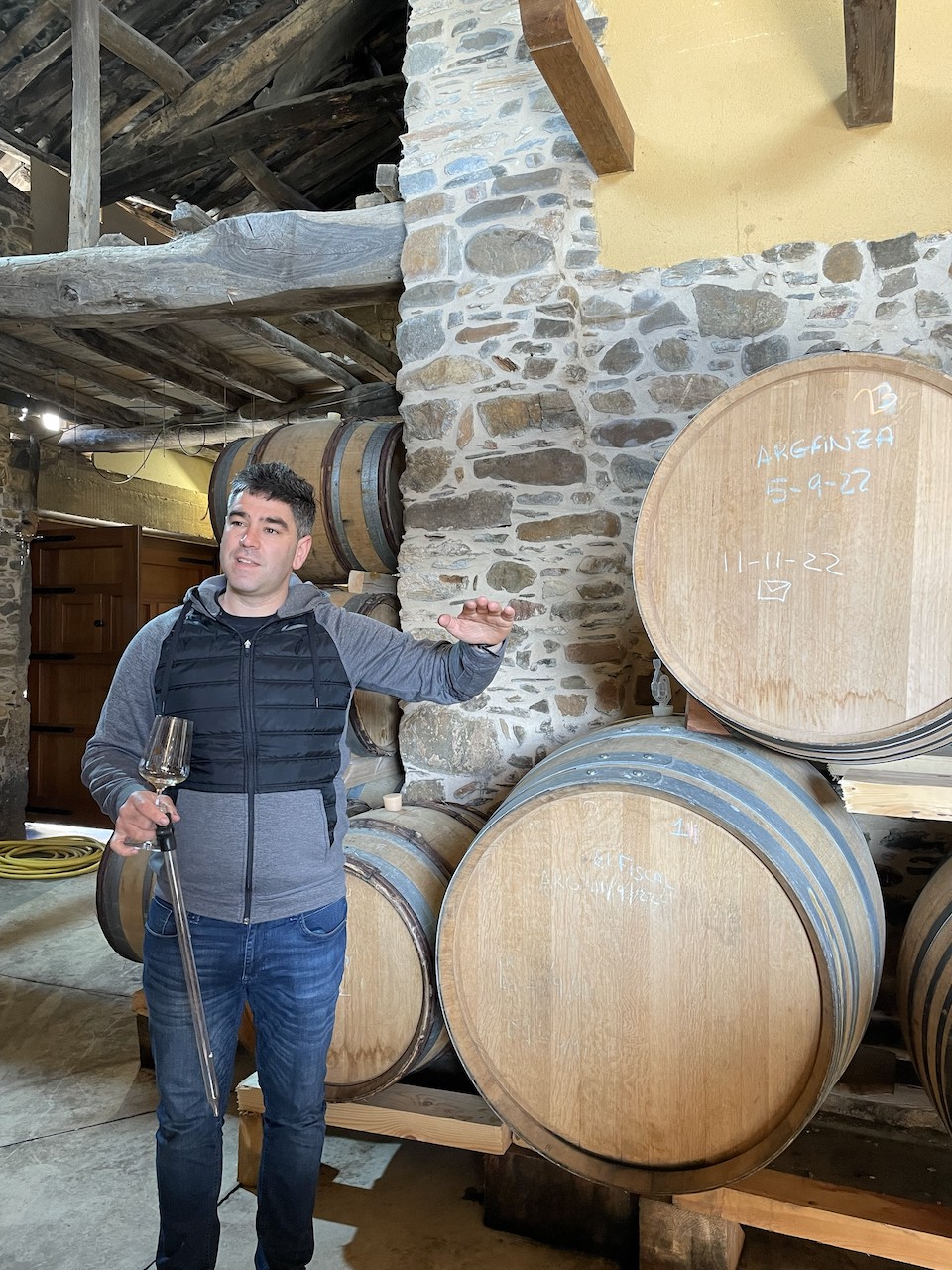
What emerges tastes nothing like the jammy, oak-saturated reds Spain once exported so enthusiastically. These are cool-climate wines wearing Mediterranean tailoring: bright acidity, fine-grained tannins, red fruit that tastes like fruit rather than compote. Crucially, they behave beautifully at the table.
In Asia, César’s wines are finding natural allies. The standout Pico Ferreira, sourced from vines at around 710 metres on slate-rich soils, shows a savoury mineral profile, fine tannins and expressive red fruit. Its structure is balanced rather than weighty, making it particularly well-suited to refined tasting-menu courses. El Rapolao, from one of Bierzo’s most celebrated single-vineyard sites, delivers a delicate, perfume-tinged Mencía that interacts comfortably with Cantonese roast meats or Southeast Asian spice without dominating the palate.
The textures may be the most Burgundian quality of all: wines that feel complete at 12.5–13% alcohol rather than relying on brute force to signal seriousness. It is little surprise that sommeliers from Singapore to Bangkok to Hong Kong — cities where Burgundy normally dominates wine lists — are pouring César’s bottles with growing conviction. “Asia is one of the most important wine markets in the world,” César notes diplomatically, “and where I see a real desire for quality.”
Whether Bierzo will fully formalise a terroir-first appellation framework remains an evolving story. In 2017, the DOP introduced hierarchical classifications guided by terroir to recognise village and vineyard identity, and regulatory authorities have discussed soil mapping as a foundation for further zoning efforts. An official, fully codified system, however, remains in development. César avoids claiming pioneer status. “I don’t want to be the centre of attention,” he says. “I prefer to do what I love and help where I can.”
Spain’s ageing-based classifications will not disappear overnight. But every bottle of Pico Ferreira or El Rapolao poured at the table makes an irrefutable argument: that a sense of place matters, and that Spain does not need to imitate Burgundy to achieve comparable precision. It simply needs winemakers stubborn enough to listen to what the land has been saying all along.
What Is Mencía?
Often compared to Pinot Noir or Cabernet Franc, Mencía is northwest Spain’s most expressive red grape. Grown at altitude in regions like Bierzo, it produces wines marked by bright acidity, fine tannins and red-fruited clarity, with mineral tension shaped by slate and clay soils.
Dining and Cooking