
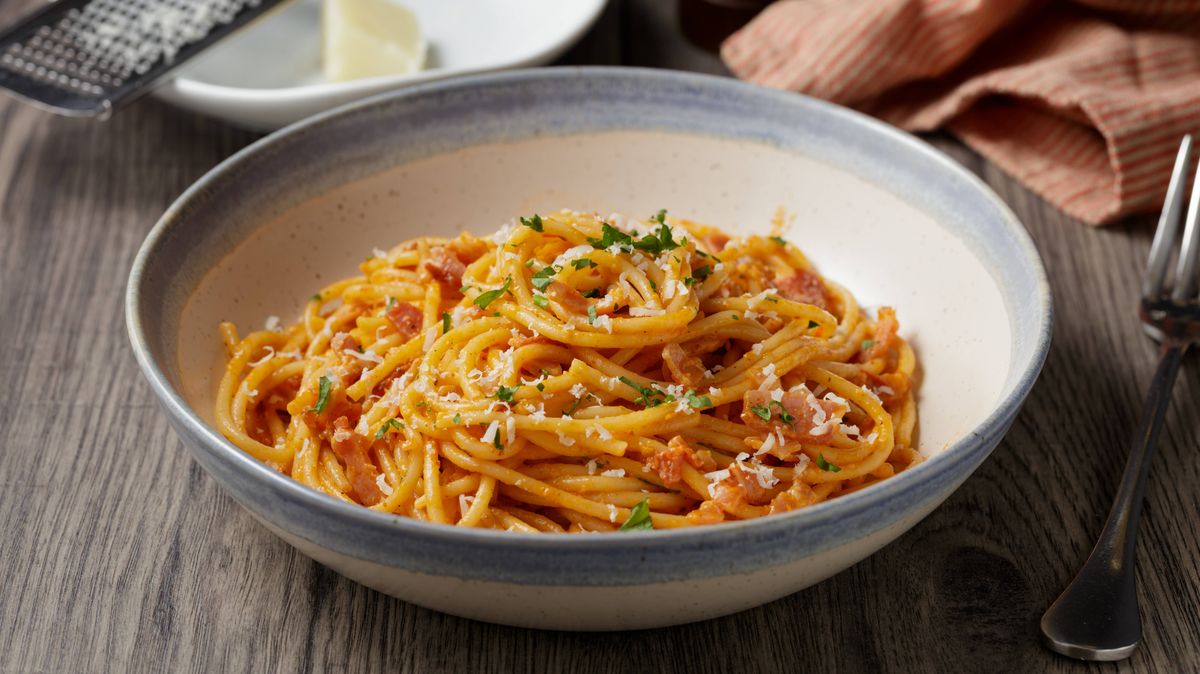
Pasta is a go-to meal but you can make it taste like it’s from an Italian restaurant by adding something that costs absolutely nothingEllen Jenne Senior U35 Spare Time Writer and Steffan Rhys Deputy Content Hub Director
15:06, 06 Apr 2026
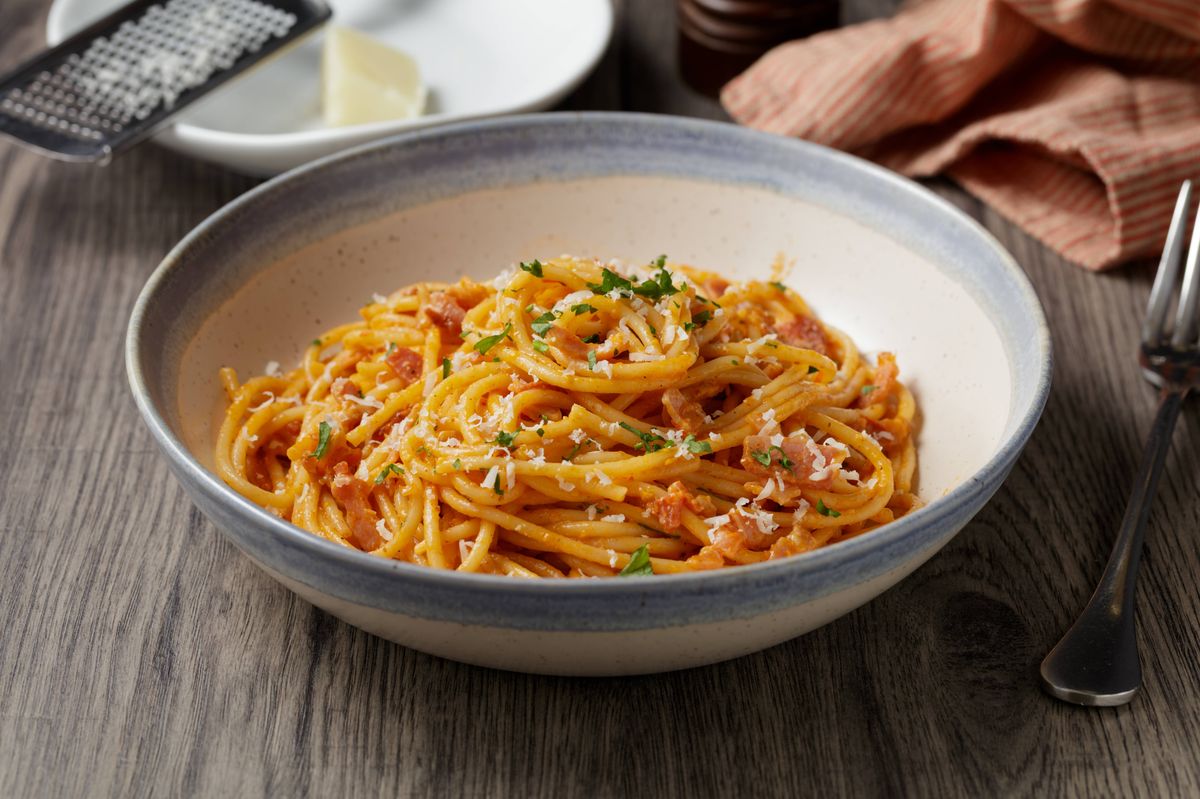
Pasta will be restaurant quality at home if you add an ingredient that costs nothing(Image: haoliang via Getty Images)
Pasta is a go-to meal for any situation but if your home-cooked version falls short of those sampled at Italian restaurants, there could be a straightforward solution and it won’t cost you a penny.
Basically, when pasta gets combined with sauce, you risk losing essential moisture. This leads to a clumpy, congealed heap of pasta that’s parched and heavy. To maintain the pasta’s moisture and keep the sauce velvety and glossy, there’s a straightforward technique that professional chefs employ regularly. The secret? Pasta water.
Food writer Katy O’Hara relies on this for any impromptu pasta creation you’re preparing for supper. Writing for Simply Recipes, Katy explained: “The key here is that pasta contains starch that releases into the water when it’s boiled. When you add the starchy water to your sauce, it loosens the sauce and creates an emulsion.
“Think of how you make a vinaigrette. You need some sort of emulsifier to bind the oil and vinegar together, such as mustard or mayonnaise. In the case of pasta water, starch helps the oil or butter in the sauce blend with the water.”
Incorporating starchy pasta water into the sauce assists in emulsifying the fats, enriching the sauce’s body, and ensuring it adheres to the pasta. This prevents the sauce from sliding off the pasta as you tuck in, reports the Express.
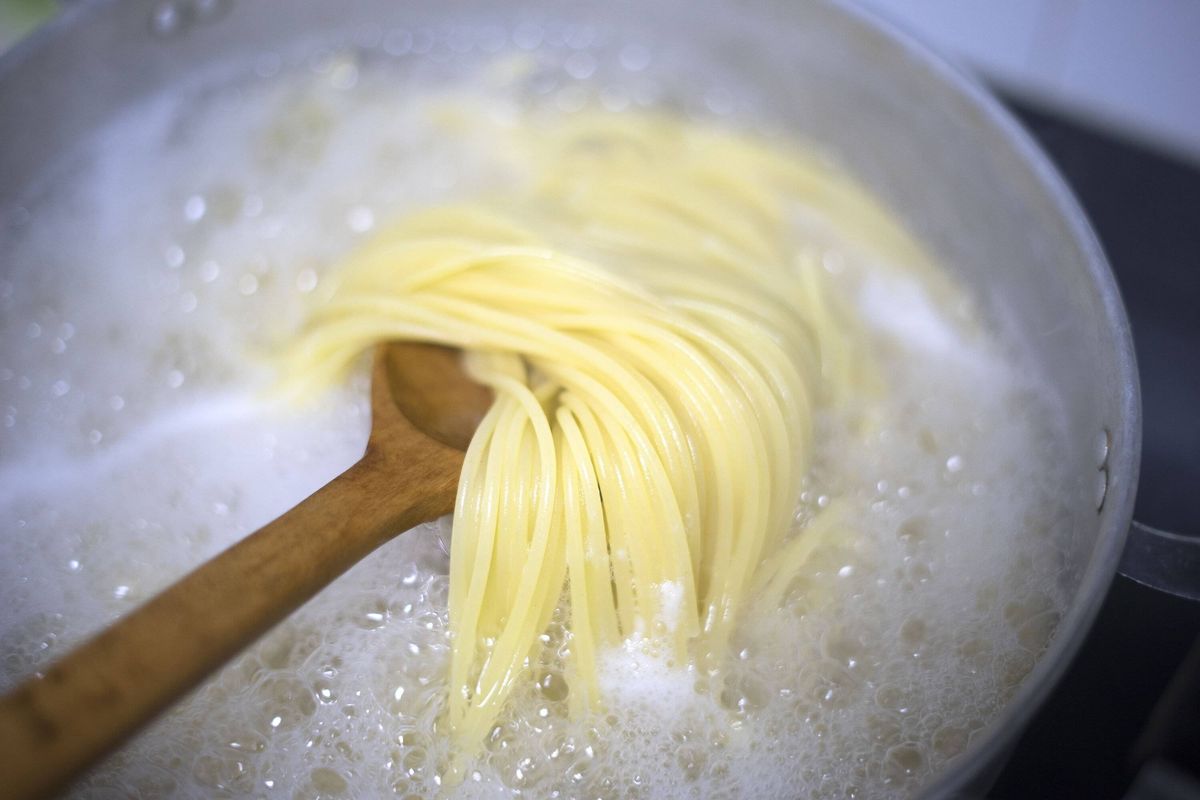
Reserve some pasta water before straining the pasta(Image: Getty)
Simply set aside some of the cooking liquid before draining the pasta. Katy suggests one quarter cup (roughly 60ml). Once the pasta has been drained, return it to the pan and combine it with your sauce. The quantity of pasta you prepare will dictate how much water you’ll need to add back to the saucepan.
You’ll require the full amount of reserved pasta water for roughly one pound (approximately 450 grams) of pasta. Simply pour in the water and stir thoroughly until the sauce becomes glossy and every piece of pasta is generously coated.
Should you have cooked less than 450 grams of pasta, add one tablespoon of the pasta water at a time until you’ve reached the desired consistency.
However, a splash of pasta water alone won’t guarantee restaurant-quality results. Katy outlined several key factors worth bearing in mind.
The first consideration is selecting the correct pasta shape, as the type of sauce you’re using will largely determine this choice.
For light and delicate sauces, long, thin pasta works best. For a rich, thick cream sauce, Katy recommends wide, flat pasta varieties. Finally, if your sauce is laden with meat, vegetables, or both, opt for short, textured pasta shapes.
To enhance the pasta’s flavour, season the cooking water generously with salt. And crucially, keep a close eye on cooking times to ensure the pasta is neither underdone nor overdone.
Katy noted: “Finally, when you cook pasta, be sure to cook it to al dente, which means ‘to the tooth.’ That means the pasta isn’t limp and mushy; it should have a bit of bite. Follow the cook time on your packaging for the proper texture, but it never hurts to check by biting into a piece of the cooked pasta-it should have a faint white line in the centre of the noodle.”
Dining and Cooking