
Medically reviewed by Lindsey DeSoto, RD
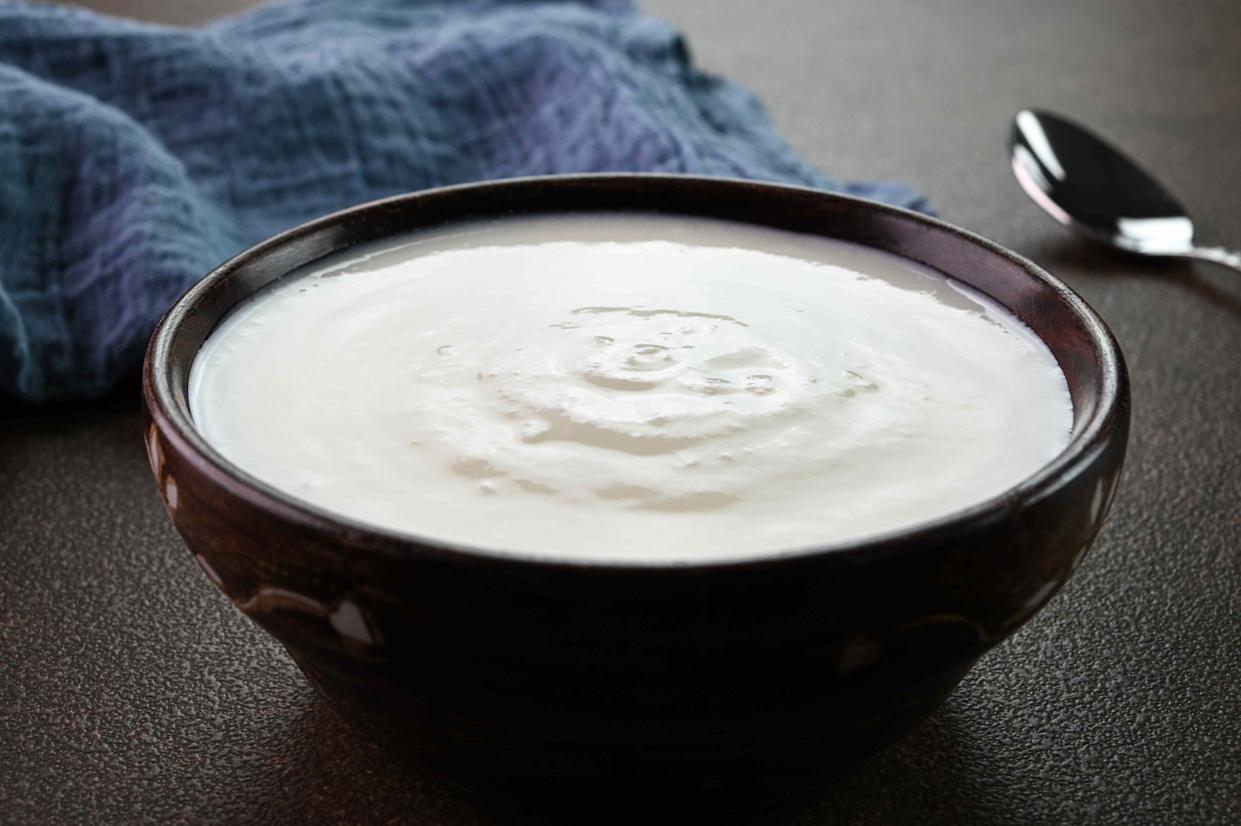
A serving of yogurt has 22% of the Daily Value for calcium. Other foods have even more calcium.
Credit: jayk7 / Getty Images
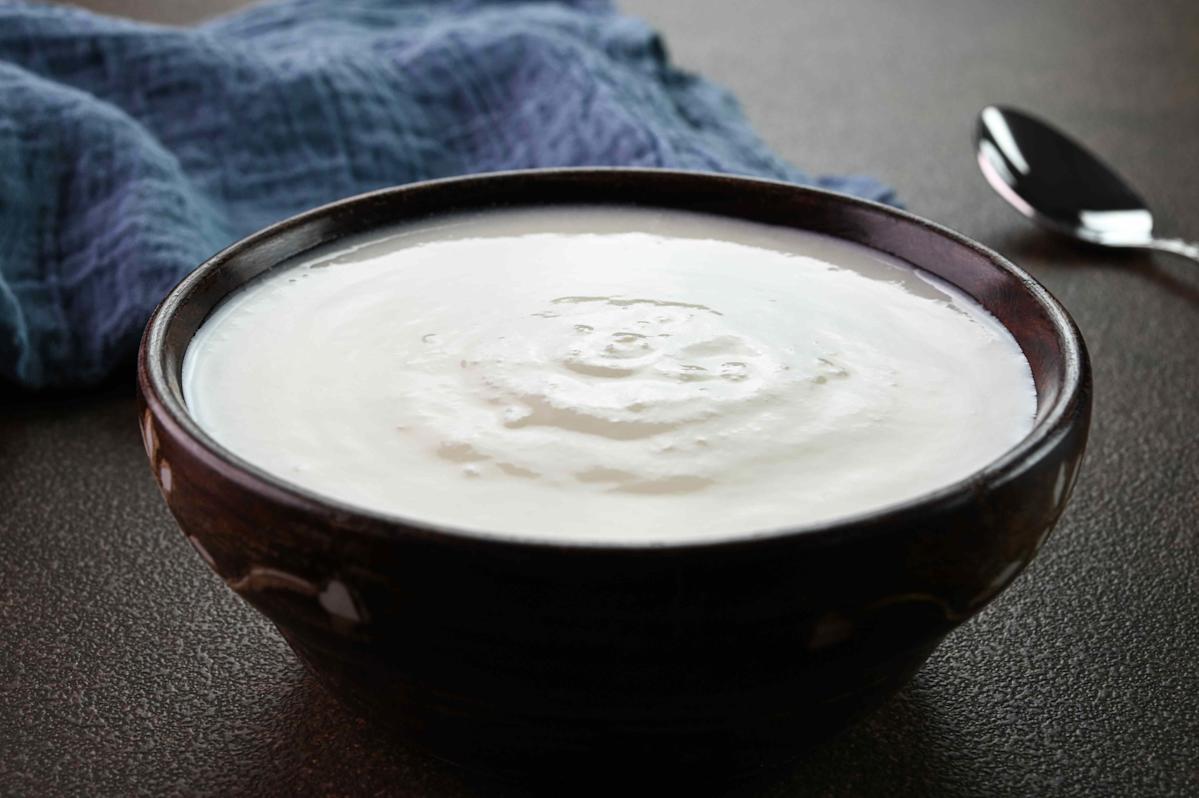
A cup of non-fat, plain yogurt provides about 284 milligrams of calcium—that’s around 22% of the 1,300 mg of calcium people should consume a day.
Foods like tofu and quiche and drinks like milk offer even higher amounts of calcium per serving.
If your goal is to increase your calcium levels, ensure you are also getting enough vitamin D, a nutrient required for calcium absorption.
Yogurt contains a substantial amount of calcium. A typical 6-ounce serving of non-fat plain yogurt provides 284 milligrams of calcium, which is around 21.8% of the Daily Value for the nutrient. Other foods and drinks contain even higher amounts of calcium per serving.
1. Cheese Quiche
Credit: VeselovaElena / Getty Images
Calcium content: 427 milligrams (mg), 32.8% of the Daily Value (DV)
Serving size: 160 grams, a standard-sized slice
A typical quiche is made of eggs and assorted fillings baked in a buttery pie crust. The calcium content can change depending on the quiche’s fillings, such as bacon, seafood, and vegetables. For example, a standard-sized piece of quiche that includes poultry or fish has less calcium, 371 mg.
2. Tofu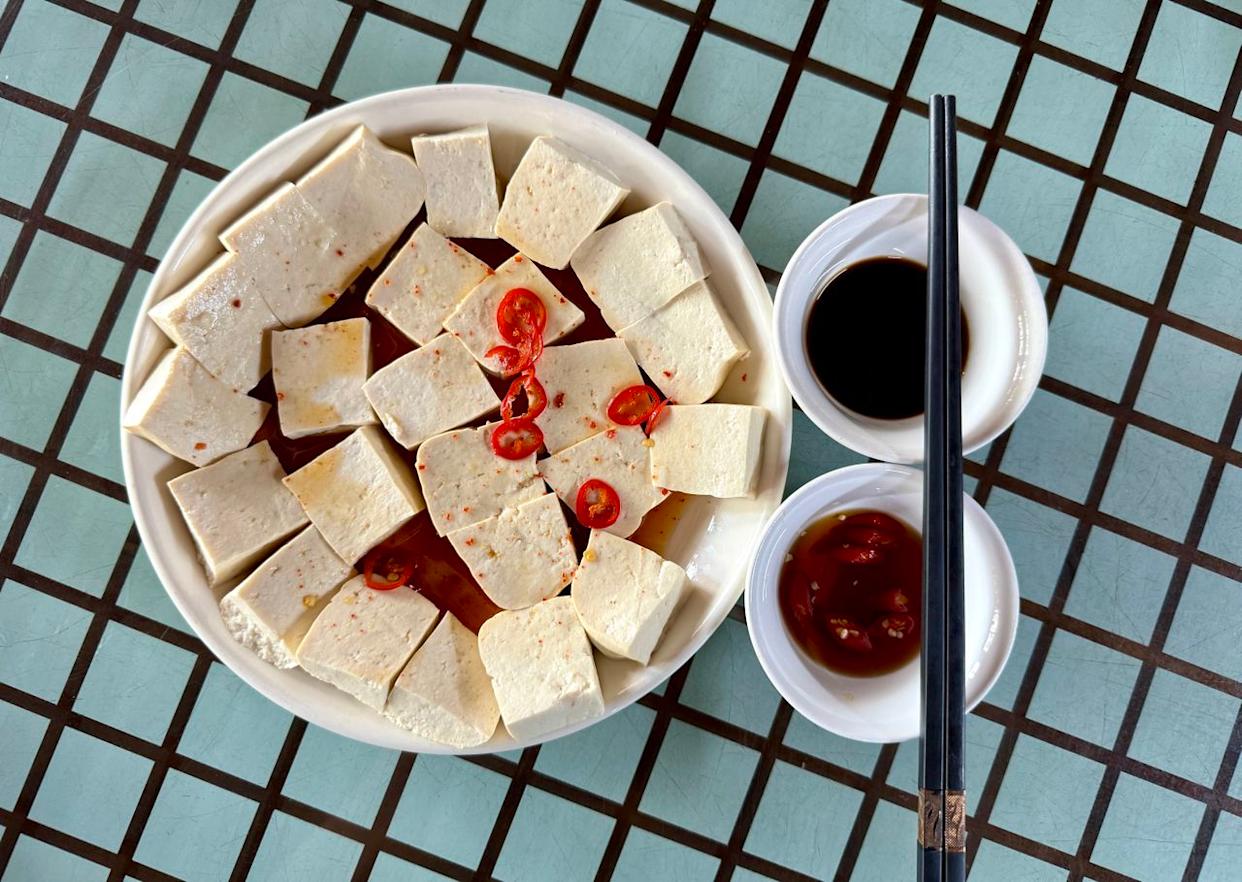
Credit: Kriangkrai Thitimakorn / Getty Images
Calcium content: 315 mg, about 24.2% of the DV
Serving size: 3 ounces, fried
Tofu is one of the most calcium-rich foods. It also contains a good amount of:
Most of tofu’s fat content is healthy polyunsaturated fat. Research suggests that consuming tofu products may lower the risk of heart disease and related complications.
3. Milk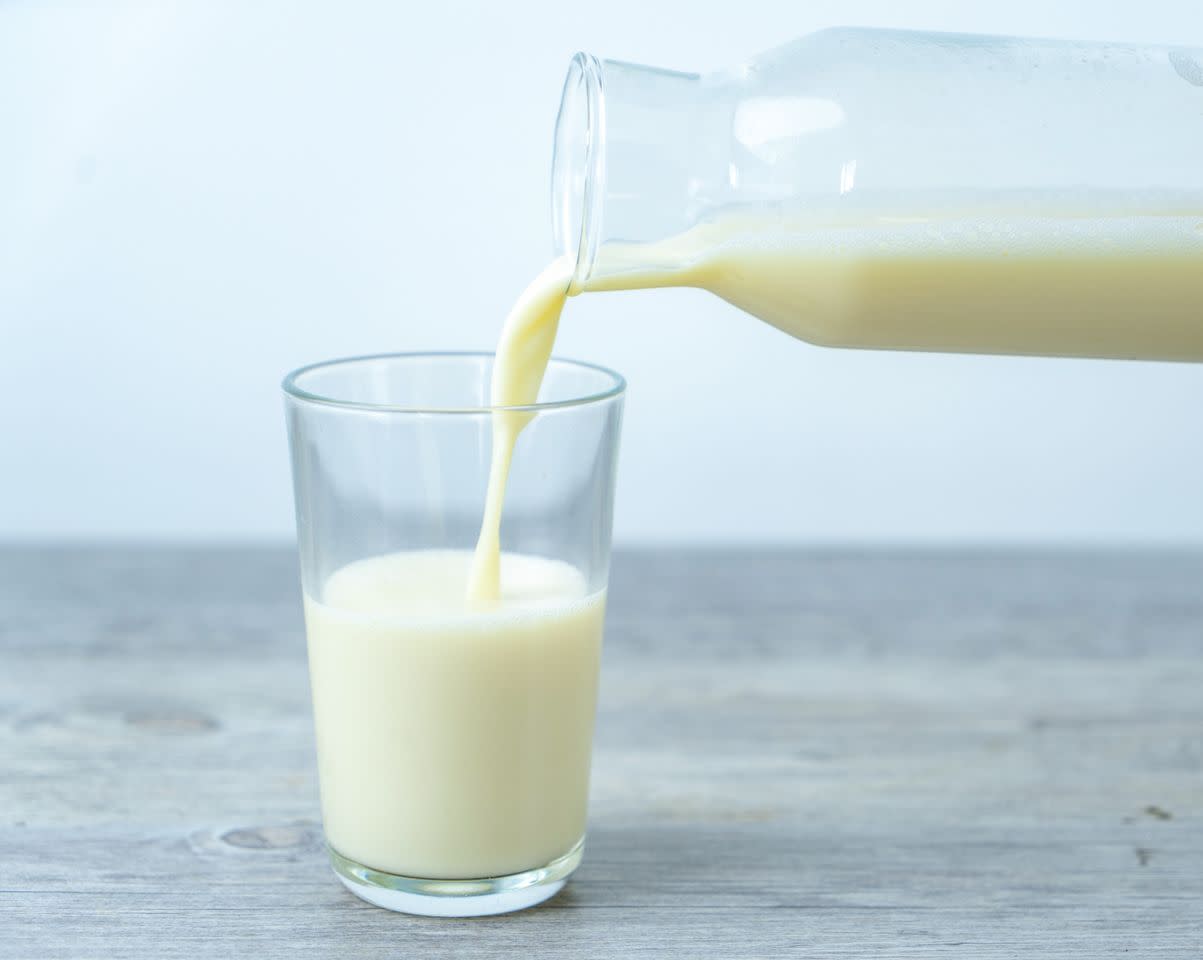
Credit: boonchai wedmakawand / Getty Images
Calcium content: 305 mg, 23.5% of the DV
Yogurt is made from milk fermented with live bacterial cultures, so it’s unsurprising that milk itself is also a great source of calcium. Milk is nutrient-dense, also providing substantial amounts of vitamin D when fortified, as well as protein and potassium.
4. Kefir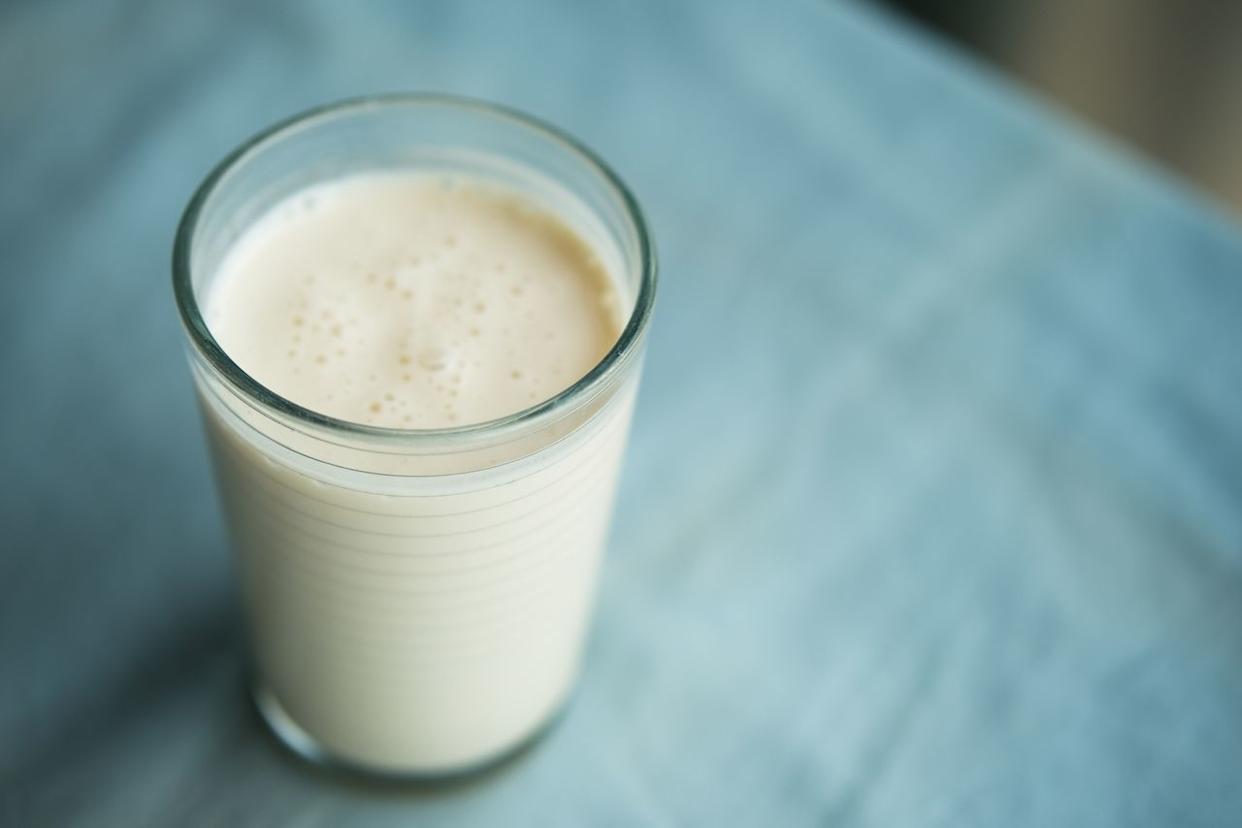
Credit: Marina Cavusoglu / Getty Images
Calcium content: 316 mg, 24.3% of the DV
Kefir is a fermented drink typically made from cow, goat, or sheep milk. While similar to yogurt, kefir has an additional ingredient—kefir grains—which are not true grains but rather a symbiotic culture of bacteria and yeast.
Kefir is also a probiotic-rich food, making it beneficial to the digestive and immune systems.
Other Good Sources of Calcium
While these foods don’t have as much calcium per serving as yogurt, they are still pretty solid sources of the nutrient:
Sesame seeds: 175.6 mg in 2 tablespoons, 13.5% of the DV
Canned salmon: 168 mg in 3 ounces, 12.9% of the DV
Mozzarella cheese: 143 in 1 ounce, 11% of the DV
While foods like fish, nuts, and tofu are great sources of calcium, milk and dairy products are typically considered the best sources. This is because they contain a form of calcium that the body easily absorbs.
Whatever foods and drinks you choose to consume to reach your calcium needs, remember that your body requires vitamin D to absorb calcium in the gut. So make sure you’re also taking in enough vitamin D to get the most out of our calcium-rich foods.
Read the original article on Health
Dining and Cooking