
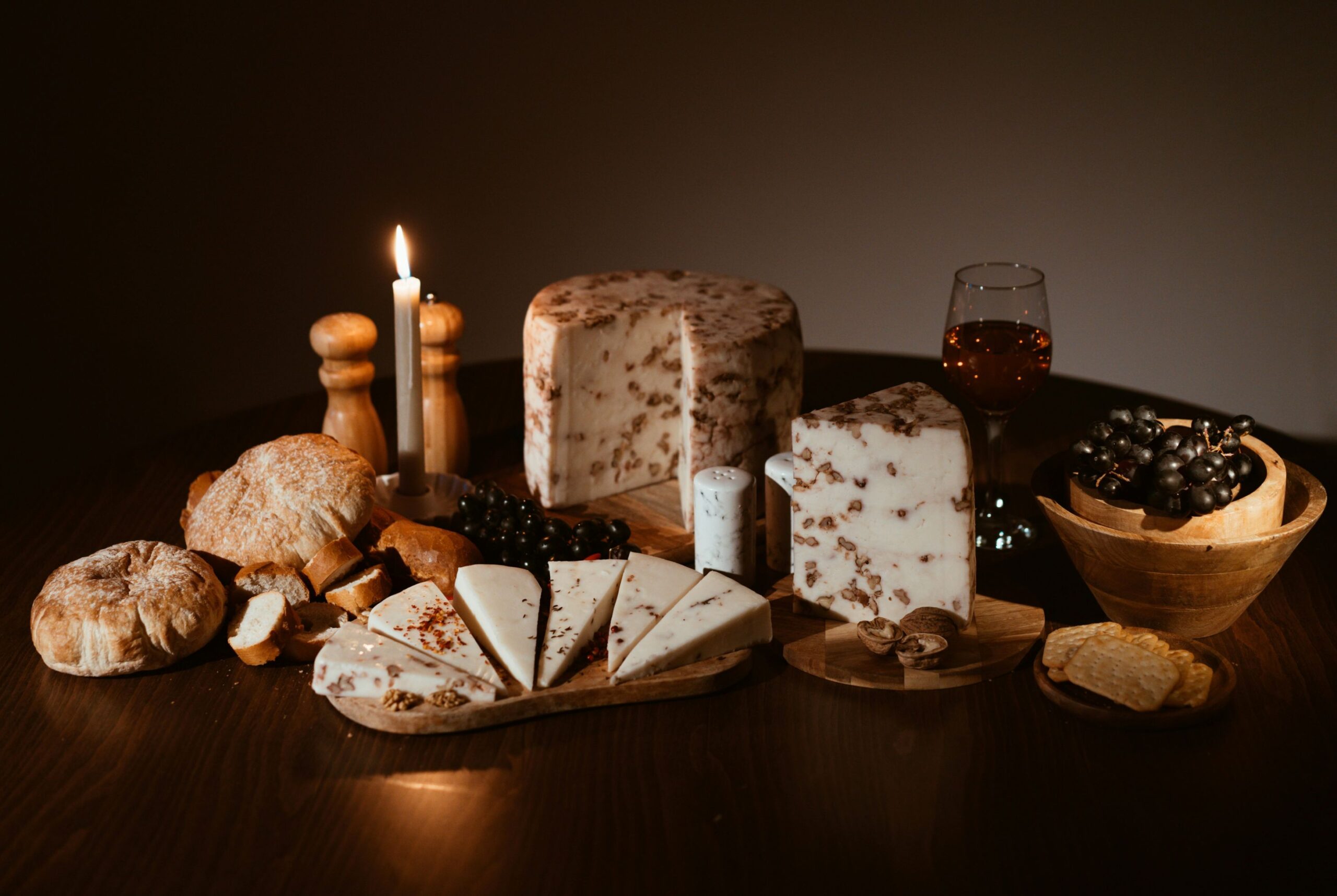
This one is for the lactose-tolerant: an 11-day tour where you gorge yourself on some of the finest cheeses France has to offer, delighting the palate, pleasing the eye, and, naturally, soothing the soul with a little Bordeaux or Burgundy on the side.
While “foodies” may have colonised social media long after Anthony Bourdain made culinary travel aspirational, food has quietly become a destination in its own right. Food tourism is no longer a trend; it is an industry. Europe does it well, unsurprisingly. France, Italy, Portugal and Spain invite travellers to encounter their produce at the source, whether that be vineyards, olive groves or dairies. After all, good food, like a good novel, carries both history and soul.
France’s cheeses are perhaps the most eloquent expression of this idea. This tour features more than 100 varieties, each shaped by the terroir, that uniquely French concept which encompasses soil, climate, altitude and local know-how, all of which leave their imprint on taste and texture. This is why a Camembert from Normandy, with its bloomy rind and earthy, mushroom notes, cannot be replicated elsewhere and why a nutty, firm Comté reflects the mountain pastures of the Jura.
“Cheese in France isn’t just food”, explains Adam Stebbings, founder of SmoothRed, a boutique wine and gastronomy travel operator. “It’s all about exploring France’s distinct regions and understanding why the cheese offering of each tastes the way it does.”
With this in mind, the itinerary goes far beyond tasting platters. Travellers will make cheese by hand on a goat farm, observe traditional methods in family-run dairies and visit ageing caves where wheels of cheese mature quietly for months or even years.
The journey begins in Honfleur, in Normandy, where Camembert, Pont-l’Évêque and Livarot take centre stage, their creamy, sometimes pungent profiles paired with the region’s apple brandy during a visit to a Calvados distillery. If time allows, the Norman leg of the journey ends in Beuvron-en-Auge, one of France’s officially listed “Most Beautiful Villages”, with its timbered façades and postcard charm.
From there, the route continues to the Loire Valley, where château-hopping meets cheese-making. Travellers learn to craft goat’s cheese amid cobbled streets and slightly treacherous staircases, before being rewarded with a picnic on the farm grounds. Expect tangy Crottin de Chavignol, ash-coated Valençay, and the more delicate Fleur de Sologne, all of which are, of course, paired with local wines.
Next on the map is Bordeaux, where the emphasis shifts slightly to wine, though cheese is never far behind. Tastings include Cru Classé de Graves at Château Latour-Martillac, alongside Médoc and Saint-Émilion selections. Expertly curated selections such as the rustic Pyrenean Gabietou and the rare Alpine Bleu de Termignon add depth, while other mountain varieties like Ossau-Iraty offer a nutty, almost buttery finish.
By the time you reach Burgundy, your palate will be both educated and perhaps slightly overwhelmed. Here, indulgence slows down as you enter the revered Côte d’Or. Brillat-Savarin, a decadent triple crème cheese, Morbier with its distinctive ash line and the lesser-known Nuiton are paired with Pinot Noirs, Chardonnays and the sharper, more mineral-rich Chablis from the northern vineyards. Guests then retreat to a five-star spa hotel in Beaune. Because recovery is no less important than discovery.
Visitors will also explore some of Burgundy’s historic wine cellars, where tastings come with generous pours of history, though at this stage, one might forgive the occasional lapse in concentration regarding dukes, canons or kings.
No such tour would be complete without Paris. A final “cheese” moment by the Eiffel Tower precedes a workshop at a dedicated cheese school (yes, it is a thing), followed, naturally, by yet another cellar visit. There is also a cheese museum for the culturally inclined, and for the romantics, a farewell dinner cruise on the Seine at sunset.
All this comes at a price, from €4,850 per person. But, as the French say, quand on aime, on ne compte pas. And for those still hesitating, some scientists suggest cheese may even help reduce the risk of dementia. A final reason, perhaps, to say yes to one more slice.
Dining and Cooking