
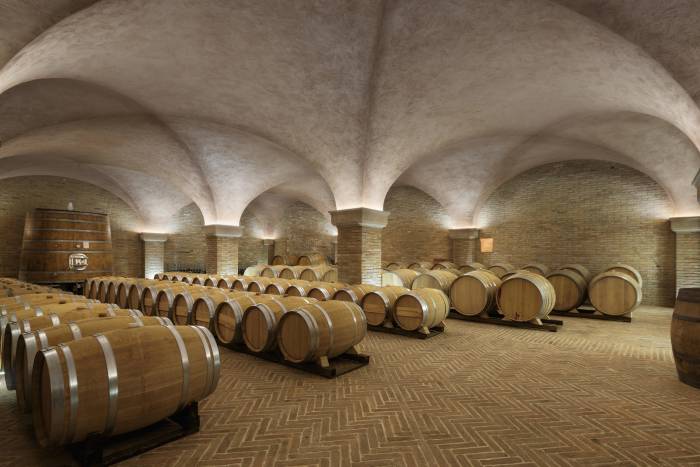
Despite a challenging economic environment, investment in Argentina’s wine industry has not slowed. The year 2025 was difficult for Argentine wine producers. Global alcohol consumption declined, and the country’s wine exports dropped by 6.8%. Domestic sales also fell by 2.7%, with per capita consumption reaching a historic low of 15.77 liters annually. This situation forced wineries to manage their finances carefully. Some companies faced financial strain, but others saw an opportunity to expand, moving forward with the construction of new wineries.
The wine business is known for its long-term outlook, and infrastructure investments are often planned years in advance. In 2026, three new wineries are opening: Familia Zuccardi, Cheval des Andes, and Raquis. All three focus on high-end wines, a segment that has performed better than others during the downturn.
In February, Familia Zuccardi opened a new winery for its Santa Julia brand in Maipú, near its historic facility. The new building was designed from the ground up to welcome tourists and showcase premium and natural wines. The structure is already open with tasting rooms available to visitors. A second phase will add more hospitality spaces, including additional tasting rooms, an art gallery, a wine bar, and a new restaurant project.
Julia Zuccardi, who leads tourism experiences for the family’s brands, explained that the company has offered wine tourism since 2001 but previously used facilities not designed for visitors. As both production and tourism grew, it became clear that a dedicated space was needed. The new winery was built using compacted earth with seismic protection and was designed by architect Fernando Raganato.
Alongside the new winery, Zuccardi also revamped its Pan y Oliva restaurant by bringing in chefs Mechi Ferraro and Lucio Zibecchi from Buenos Aires. They now oversee the kitchen and manage the garden and preserves. The changes come as Mendoza’s wine tourism sector faces a significant decline in visitors—between 20% and 30%—with fewer Brazilian tourists in particular. Julia Zuccardi said that while the drop was noticeable, their established reputation helped them retain loyal customers.
Cheval des Andes is another major project debuting this year. Born from a partnership between France’s Château Cheval Blanc and Terrazas de los Andes (part of Moët Hennessy), Cheval des Andes began in 1999. Its new 3,500-square-meter winery is located in Las Compuertas, Luján de Cuyo. The facility is equipped for parcel-based vinification and will serve as the home of what many call Argentina’s “Grand Cru.” The project is led by French winemaker Pierre Polbos, with Rosario Toso managing vineyards and Rodrigo de la Mota overseeing winemaking. Their focus is on transforming 47 hectares of Cabernet Sauvignon and Malbec vines into a single wine—a rarity in Argentina.
Raquis is also set to open its new winery this year along Route 40 in Agrelo, Luján de Cuyo. Founded by Andrés Vignoni (winemaking), Facundo Impagliazzo (agronomy), and Ariel Núñez Porolli (commercial), all former Viña Cobos employees, Raquis quickly became known for its high-end wines after launching in 2023. Their production is limited, with small batches under labels such as Las Bases, Los Parajes, and Monasterio often selling out before release.
These investments show that even during periods of crisis, some Argentine wineries are betting on growth through quality-focused projects aimed at both local and international markets. The focus on high-end wines and tourism infrastructure reflects a strategy to weather economic challenges while positioning themselves for future recovery.
Dining and Cooking