
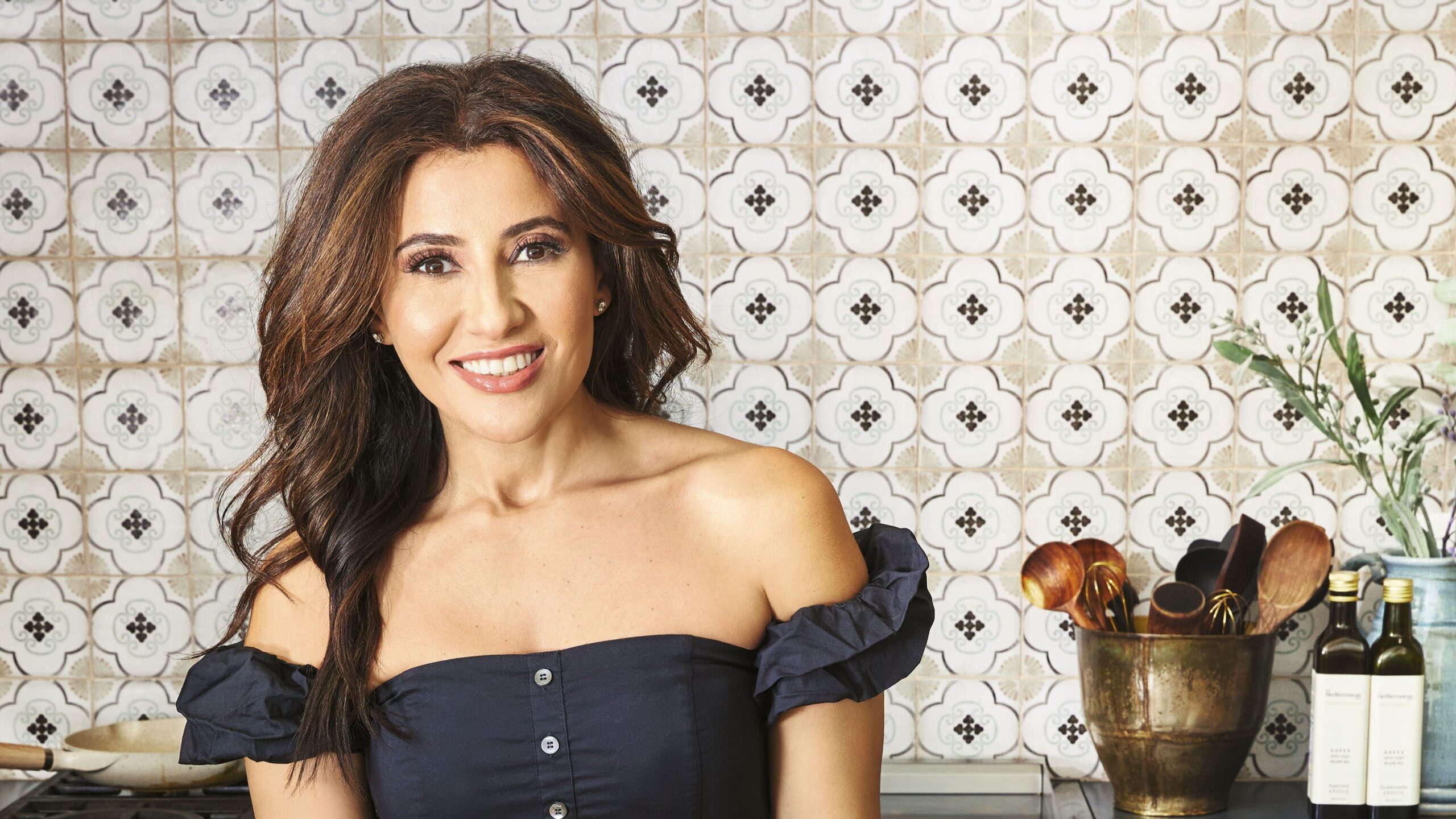
Suzy Karadsheh grew up in Port Said, a humming, cosmopolitan city tucked along a 19-mile stretch of Egypt’s Mediterranean coast. Sitting at the north entrance to the Suez Canal—a direct passage between the North Atlantic and the Indian Ocean—the city has been a global trade hub for more than 150 years. That constant movement of people and cultures shaped the rhythms of daily life, and nowhere was that more evident than in the kitchen.
Karadsheh’s childhood revolved around food, family, and the bustling neighborhood markets. “My Baba (dad) would take my tiny hand through the narrow streets of the souq (marketplace) to pick out just-caught fish or a heavy watermelon that he’d ‘thunk’ to see if it was juicy,” Karadsheh said.
And, somewhat reminiscent of the New York Times bestseller Lessons in Chemistry, her mother was a chemist who brought her knowledge of science into the culinary world. But instead of applying laboratory precision to cooking, she relied on instinct. “She cooked fearlessly by intuition alone,” Karadsheh said. “In our culture, we call this nafas. It means ‘breath’ or ‘soul,’ and it’s that God-given intuition you use when you cook with everything you have within reach—no measuring spoons, just love and memory.”
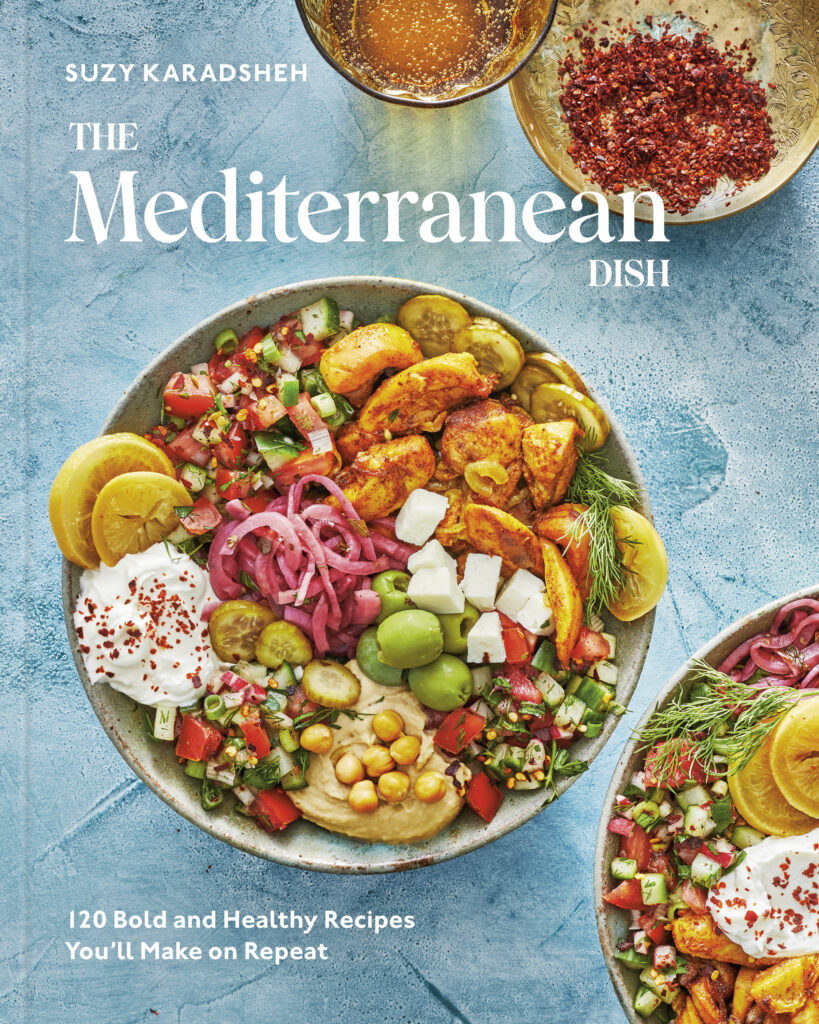
Years later, those memories became the foundation for The Mediterranean Dish, the platform Karadsheh created to preserve the flavors and traditions of her upbringing. At the time, she said, Mediterranean cuisine in the United States was often “reduced to a boring wellness checklist or a few restaurant staples like hummus.” What she saw, instead, was an opportunity to show people the deeper culture behind the food. “I realized readers weren’t just looking for a recipe; they were also hungry for the ‘sunshine’ of the Mediterranean—a lifestyle change that feels like pleasure and hospitality rather than restriction.”
What began as a small blog was initially meant for an audience of two: her Michigan-born daughters. “I wanted to document the foods and flavors I grew up with so that they would know their ‘pharaoh cheeks’ came with a rich culinary heritage,” Karadsheh said. As the site grew, so did its reach, evolving into a robust brand with millions of readers, a bestselling cookbook, and a thriving online community.
In this interview, Karadsheh reflects on scaling The Mediterranean Dish from a personal blog into a global platform—while preserving the cultural authenticity, hospitality, and storytelling that made readers trust her in the first place.
You’ve built The Mediterranean Dish from a personal blog into a category-defining brand. When did you realize you weren’t just sharing recipes—you were building an ecosystem?
At the start, I was just sharing recipes from my kitchen! Foods I grew up with that connected me to home, meals I make for my own family. But I noticed something deeper happening. Readers weren’t just asking about substitutions but also how to set the table, how to host, and how to eat this way every day. They wanted guidance, not just recipes. We were helping people build a way of cooking and living. And that requires more than content. It requires trust and care.
Food is deeply cultural. How has your upbringing in Port Said shaped not only your cooking, but your leadership philosophy?
Growing up in Port Said, food was love. It was how you welcomed people. It was how you honored them. My mother and the women around me didn’t measure ingredients, they cooked with instinct and generosity. That shaped me completely. In leadership, just like in cooking, I believe in making room at the table. I believe in abundance. I believe that when you care for people well, your guests, your team, your community, everything else flows from there.
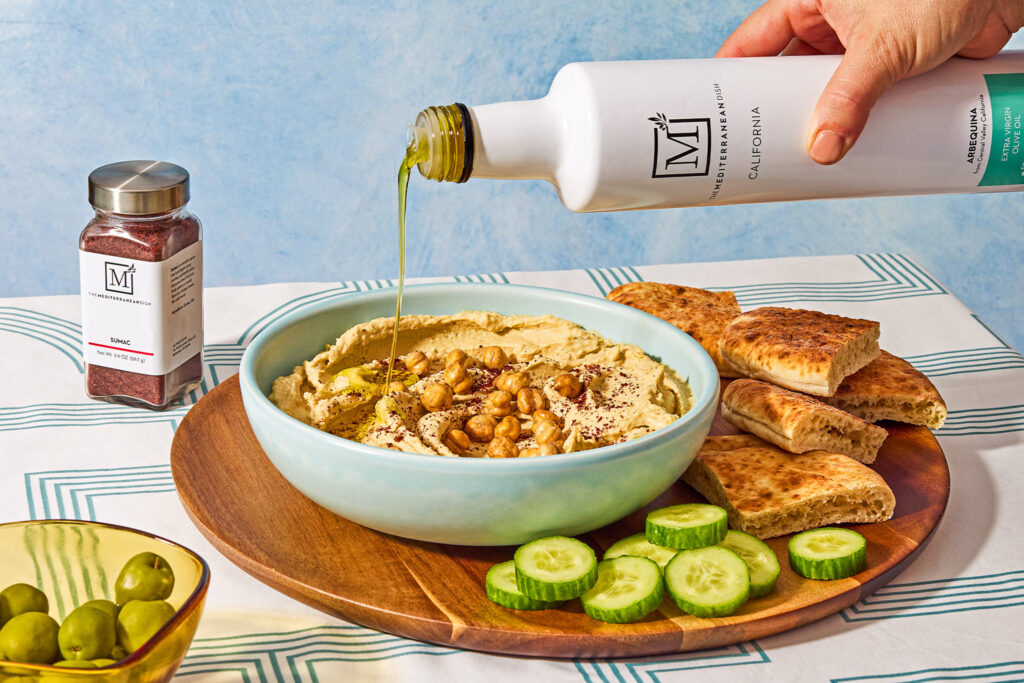
The Mediterranean lifestyle has become shorthand for “wellness.” What do you think people misunderstand about it—and what does it actually mean in practice?
If you meet someone actually raised in the Mediterranean and ask them about the “Mediterranean Diet,” you’ll probably get a blank, “deer-in-the-headlights” stare. That’s because the word diet isn’t typically in our vocabulary. We don’t sweat our food choices, count calories, or use scales. Traditionally, we don’t believe in “supersize meals,” but we also don’t believe in eating alone because company is the best part of a meal.
In practice, it’s a laid-back philosophy where pleasure, not restriction, is the central feature. It means eating with the seasons, using mostly whole foods, and above all else, sharing. It’s about letting your nafas—your soul and love—guide your hands. It means enjoying a daily glass of wine and making room for baklava, because what is life without baklava? It is a way of eating that works in harmony with a joyful attitude toward life.
As an immigrant founder building a food media and product empire in the U.S., how did you translate heritage into a scalable business without diluting its authenticity?
My heritage and journey as an immigrant plays a role in every decision I’ve made as a business owner. As the brand has continued to grow, I think what’s been most important for me has been remembering why I started it in the first place—to share the flavors and food from my childhood with my daughters. While my audience has expanded over time, the mission has remained the same. I want to show people not just how to make a dish but offer insight into why it tastes the way it does. Within my content, I’ve made it a point to dig deeper. I’m not just listing the ingredients but sharing the stories behind the spices and techniques as a way of making the Mediterranean more approachable. Our continued emphasis on storytelling and connection has helped keep the authenticity of the brand alive even as we’ve grown.
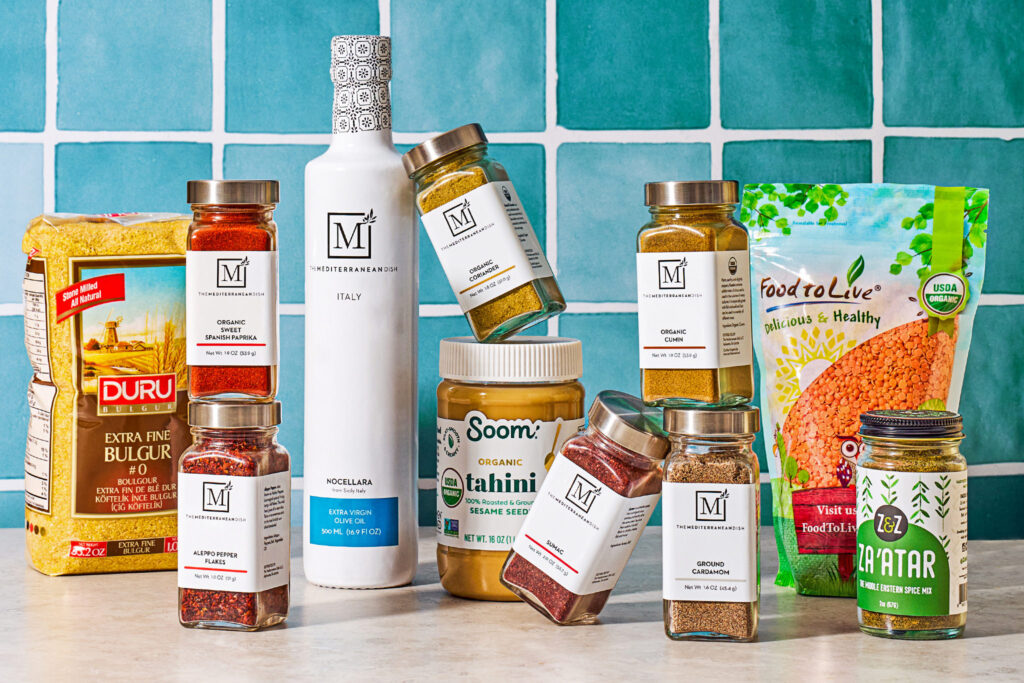
Your pantry staples—olive oils, spices, specialty ingredients—extend your influence beyond content into commerce. How do you decide which products deserve your name on them?
I always ask myself – would I use this in my own kitchen? If the answer isn’t an immediate yes, we don’t do it. Sourcing has to matter. The flavor has to be right. When someone buys our olive oil or spices, they’re trusting us in a very personal space, their kitchen, which is something I don’t take lightly.
Modern family life is fast, fragmented, and digitally saturated. What role do you believe the dinner table still plays in shaping identity and connection?
The table is everything! It’s where children learn the stories of their family. It’s where you pause long enough to really connect and see one another. It doesn’t have to be an elaborate meal that took hours to make. Some of my favorite meals are the simplest ones. But sitting down together, even a few times a week, creates memories–and memory shapes identity. That hasn’t changed, no matter how busy life gets.
You operate at the intersection of storytelling and direct-to-consumer retail. What have you learned about trust—from your audience, and from yourself?
Trust is built slowly. Our readers know we won’t recommend something we don’t believe in. That consistency matters. I’ve also had to learn to trust my instincts. Not every opportunity is the right one. Sometimes protecting the community you’ve built means saying no.
Many creators struggle to transition from personality-led platforms to sustainable companies. What were the inflection points that forced you to think like a CEO rather than a content creator?
In the beginning, I was a one-woman band—cooking, filming, writing, and replying to every email from my kitchen. The first inflection point was realizing I couldn’t do it alone anymore as our audience grew into the millions. I had to ask myself if this was just a hobby or a mission that required long-term sustainability.
Stepping into the role of CEO meant becoming the steward of a brand that people trust in their most personal space: their kitchen. That required a new level of responsibility, like sourcing with integrity. I’ve scoured the world for hand-picked, cold-pressed olive oils because quality matters. I even tell my readers, “please do not use the already crumbled feta,” because it just isn’t right.
A major part of that transition was opening up the site as a true platform of many voices. Just as the Mediterranean is a beautiful melting pot of over 20 countries, our team is now a global “virtual table” that employs contributors, writers, photographers, and recipe developers from all over the Mediterranean, the U.S., and elsewhere in the world. Radical generosity in business means making sure everyone on the team feels valued and has a seat at the table. Becoming a CEO didn’t mean losing my creativity; it meant using my energy to protect that vision and ensure we collectively serve our readers and customers well.
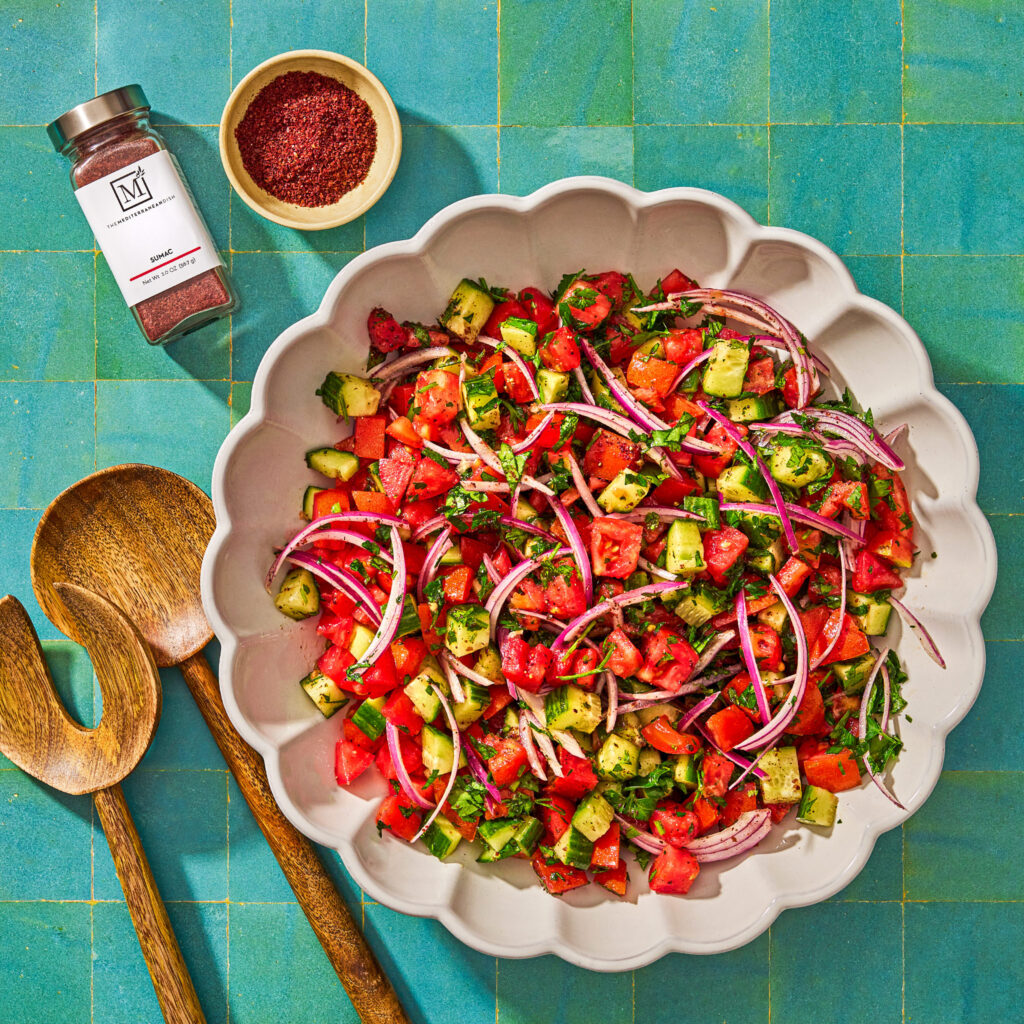
Mediterranean cooking is rooted in seasonality, generosity, and simplicity. How do those principles guide your decisions in business?
Seasonality in business means respecting that everything has its own timing and rhythm. Growing up in Port Said, we were “farm-to-table” long before there was a fancy name for it; we simply decided what to cook based on what looked best at the market that morning. I run the company with that same respect for natural cycles, fully embracing the season we are in, whether it’s a cycle of rapid growth or a necessary time for rest and “rebirth”.
Generosity is the core “why” behind every decision I make. My Baba taught me that our primary job is to “put a smile on someone’s face”. He modeled radical generosity by seeking out the quieter merchants at the souq, like the widowed herb-sellers whose voices were often drowned out, just so they could go home and rest. I’ve tried to scale that spirit by opening up The Mediterranean Dish as a true global platform. We are now a “virtual table” that employs contributors, writers, photographers, and recipe developers from all over the Mediterranean, the U.S., and the world. I believe that when you ensure everyone feels they have a valued seat at the table, the business naturally flourishes.
Simplicity is our guiding, “laid-back” philosophy. We don’t believe in “chefy” skills or requiring fancy tools to eat well. In business, this translates to a “quality over quantity” mindset. We focus on the core essentials—like our hand-picked, cold-pressed olive oils—and ensure they are the best in their category. We want to remove the stress of cooking and replace it with pure joy.
Our motto at Worth is “Worth Beyond Wealth.” In your world, what does abundance actually look like—and how do you measure impact beyond revenue?
Abundance to me feels like someone saying they used one of our recipes, and their family stayed at the table longer than usual. It looks like preserving culture in a way that feels alive, not just nostalgic. Revenue sustains the business, but impact is measured in connection, confidence, and the feeling of home we help create. That’s the kind of wealth that lasts.
Dining and Cooking