
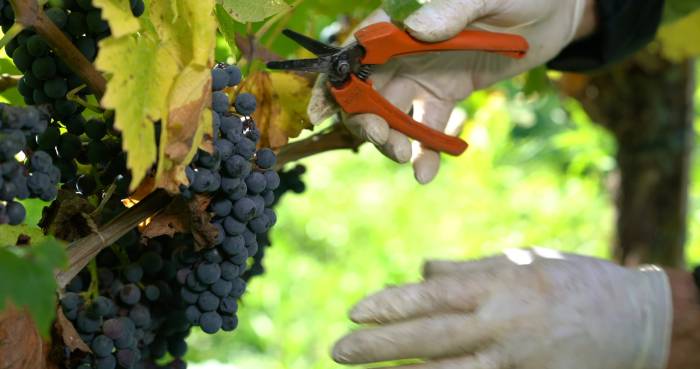
The 2026 grape harvest in Chile began earlier than usual, with vineyards in the north starting their harvest about 12 days ahead of last year. This early start is a direct result of changing weather patterns that are increasingly affecting the country’s wine industry. The season is marked by a mix of challenges and opportunities, as producers adapt to diverse conditions across different regions.
In the Limarí Valley, located in northern Chile, the harvest started on February 9. The region experienced high summer temperatures, which accelerated grape ripening. Winemakers had to be precise about when to pick the grapes to preserve freshness and acidity. Eduardo Jordán, winemaker and technical director at Miguel Torres Chile, said that choosing the right moment for harvest was essential to maintain the natural acidity and freshness of the wines. The area benefited from more winter rainfall than in previous years, improving soil conditions. However, Limarí still faces a long-term drought due to its semi-arid climate.
Moving south to the central regions between Maipo and Itata, vineyards showed signs of recovery after a difficult previous year with lower yields. A cold winter allowed for proper accumulation of chill hours, which helped ensure balanced bud break in the spring. There were some isolated weather events, such as an October frost in Cauquenes, but overall conditions were favorable for grape development. Sauvignon blanc yields are strong this year, and varieties like chardonnay and país are also showing significant recovery. The main challenge has been managing irrigation during a warm and dry period to maintain both balance in the vines and expression of each vineyard’s unique terroir.
In southern Chile, particularly around Osorno, the harvest is still underway. Early signs are positive thanks to a mild spring without severe frosts and a summer with rainfall within normal ranges. This has kept vineyards healthy and disease-free so far. Grape clusters look healthy and projected yields are good, but final results will depend on weather conditions over the next few weeks.
The 2026 harvest highlights a broader trend: Chilean wine producers must adapt to increasingly unpredictable weather. The early harvest in the north, variable yields in central regions, and ongoing uncertainty in the south show that traditional patterns can no longer be relied upon. Experience in vineyard management is becoming more important as winemakers interpret each season’s unique conditions to produce wines with character and balance.
Jordán notes that experience helps winemakers understand each year better and create wines that reflect their origins. The current season demonstrates not only the potential for high-quality wines but also an industry that is learning and evolving in response to climate change. For Chilean wine producers, making wine is no longer just about tradition; it is now an exercise in resilience as they face new environmental realities each year.
Dining and Cooking