

If you’ve ever spent time in a beach town, you’ve likely noticed how much value residents place on small businesses and regional food culture. The mindset tends to shape how these places grow. On this note, several coastal communities across the United States have adopted strict policies governing which restaurants can operate. These decisions came through ordinances, zoning policies, and voter-approved measures.
Carmel-By-The-Sea, California
Credit: Wikimedia Commons
When you walk through Carmel-by-the-Sea, you are unlikely to come across any familiar corporate restaurant signage. The town introduced its formula kitchen ban in the mid-1980s, which made it one of the earliest places to adopt this approach. Decision-makers aimed to protect its identity as an artist community. Restaurants show that goal through independent ownership and distinctive design.
Ogunquit, Maine
Credit: Wikimedia Commons
Plans for a Dunkin’ Donuts sparked concern across Ogunquit and quickly turned into a larger community debate. Residents worried that one national brand could open the door for many others. The concern led to a public vote in 2006, where 72% supported preventing such eateries from setting up shop in the area.
Sebastopol, California
Credit: Tripadvisor
An unexpected approval changed the conversation around chain restrictions in this small California town. Sebastopol had already banned businesses with 25 or more U.S. locations in its downtown area. A Little Caesars franchise still received permits due to a clerical error during processing. By the time officials noticed, construction had already begun. The incident drew significant attention to the city’s approval process.
York, Maine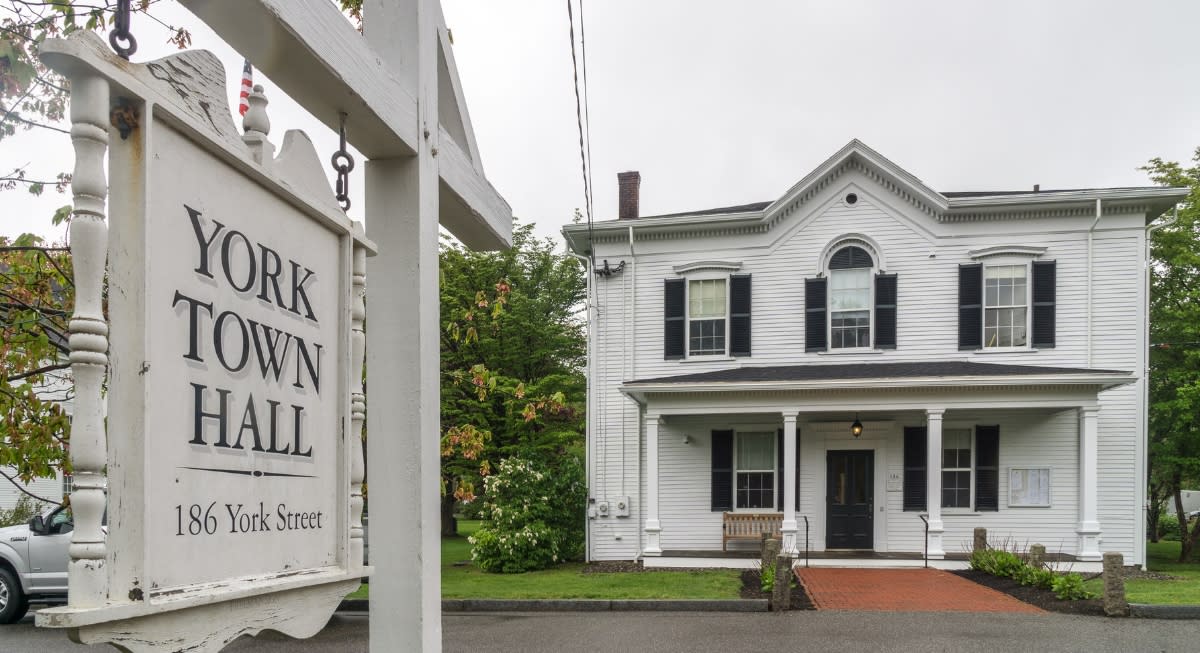
Credit: Wikimedia Commons
Located near Ogunquit, York introduced a similar ordinance to limit multi-location businesses. The town council drafted its own ordinance to limit formula businesses and standardized dining options.
Carmel Valley, California
Credit: Wikimedia Commons
Known for its rural setting and strong country identity, Carmel Valley attracts tourists seeking open terrain and locally produced beverages. This reputation has shaped how businesses develop in the area. Policies favor local establishments, which align with the region’s agricultural focus. The emphasis on region-based production and farming has naturally limited the presence of chain restaurants.
Martha’s Vineyard, Massachusetts
Credit: Wikipedia
It is common for meals on Martha’s Vineyard to be made with local produce, which is why it did not come as a surprise when large franchise operators were kept out. Zoning rules and community expectations reinforce that direction across the island. This tactic supports the island’s maritime and agricultural economy.
Nantucket, Massachusetts
Credit: Wikimedia Commons
Efforts to preserve Nantucket’s historic character led authorities to place some limits on chain eateries. The council wanted to avoid changes that could disrupt the island’s established look and feel. As a result, food places run independently and remain aligned with the island’s overall character.
Block Island, Rhode Island
Credit: Wikimedia Commons
National brands rarely function on Block Island, and residents have supported keeping it that way. Instead, you will find small seafood spots, family-owned cafes, and waterfront kitchens. This reflects a strong preference for community-owned food places and keeps the dining scene closely tied to the island’s size.
Bristol, Rhode Island
Credit: Wikimedia Commons
Discussions about a potential franchise led to a formal policy response in Bristol. The people in charge came up with a business ordinance that sets limits based on size and street frontage. These measurable rules guide commercial development decisions. Organizations that meet the criteria operate within a defined scale.
Holmes Beach, Florida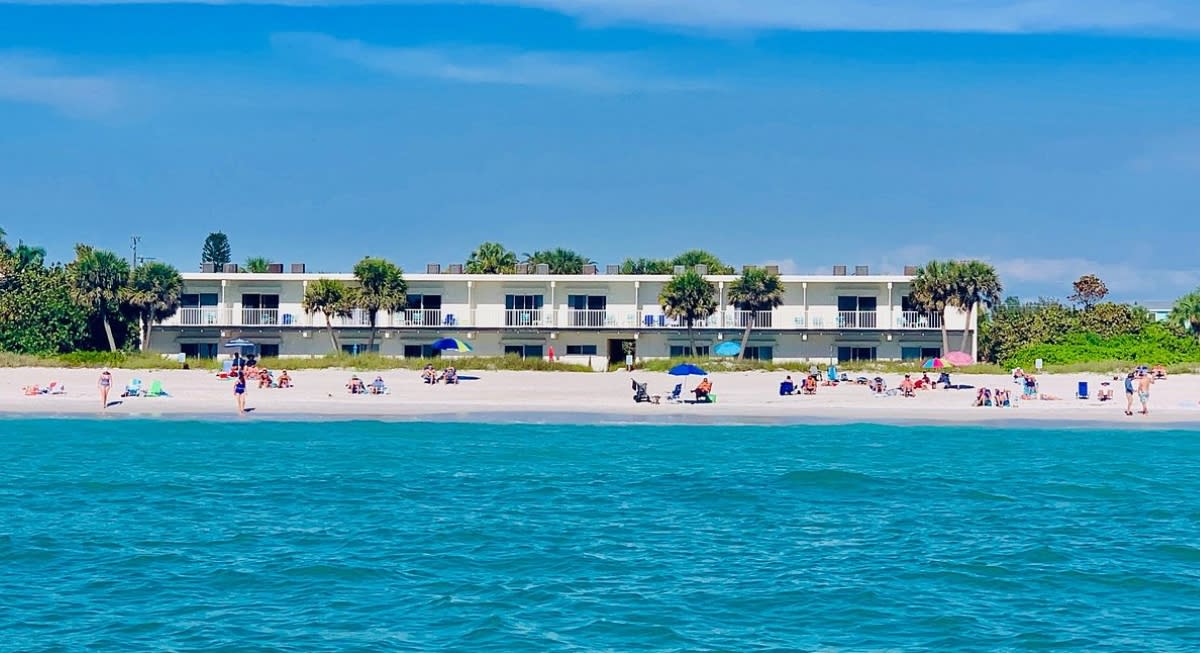
Credit: Tripadvisor
Ever since they saw other towns face legal challenges over similar restrictions, authorities in Holmes Beach have taken a more cautious approach. The city introduced a temporary moratorium on branded dining groups while working toward a permanent law. However, they still want to prevent corporate establishments from gaining ground, while carefully forming rules that withstand legal scrutiny.
Dining and Cooking