
Philadelphia is the birthplace of the United States, and the city will never let you forget it. Speckled throughout town, historical designation plaques point out significant sites, and it’s not uncommon to catch a Ben Franklin or Betsy Ross reenactor roaming Old City. Philly relishes its past and status as the keystone of the Revolution, but it’s not trapped there. This city is also forward-thinking, especially when it comes to the dining scene, which celebrates the old while setting a place for the new. Told by their chefs, the stories of six MICHELIN-recognized restaurants below form an oral history on the evolution of Philly dining: where it’s been and more importantly, where it’s going.
Vetri Cucina When Chef Marc Vetri, a Philly kid and unknown L.A. cook (who really wanted to be a musician), moved home and decided to open his own spot, “Philly was pretty much a restaurant desert.” Vetri says this with no disrespect to Georges Perrier of Le Bec-Fin, whom he credits with starting it all in 1998. Le Bec-Fin, however, was French fine dining. Italian fine dining was not a thing before Vetri Cucina opened.
“Italian cooking was only red sauce,” says Vetri about the style of cooking his South Philly dad made. “So many people would walk in and say, ‘There’s nothing here for me to eat. Where’s the eggplant parm? Where’s the meatballs?’ One guy told me I would be closed in a year, but I knew they would get it eventually.”
Vetri (the restaurant) will turn 30 soon, and Vetri (the chef) has managed to keep it relevant and fresh with new projects, like milling his own heirloom grains and offering an exclusive pasta omakase in the upstairs dining room. “There’s a never-ending desire to grow, learn, create and never sit back and say, we did it,” he says. “As far as what gets me excited these days? Just about everything.”
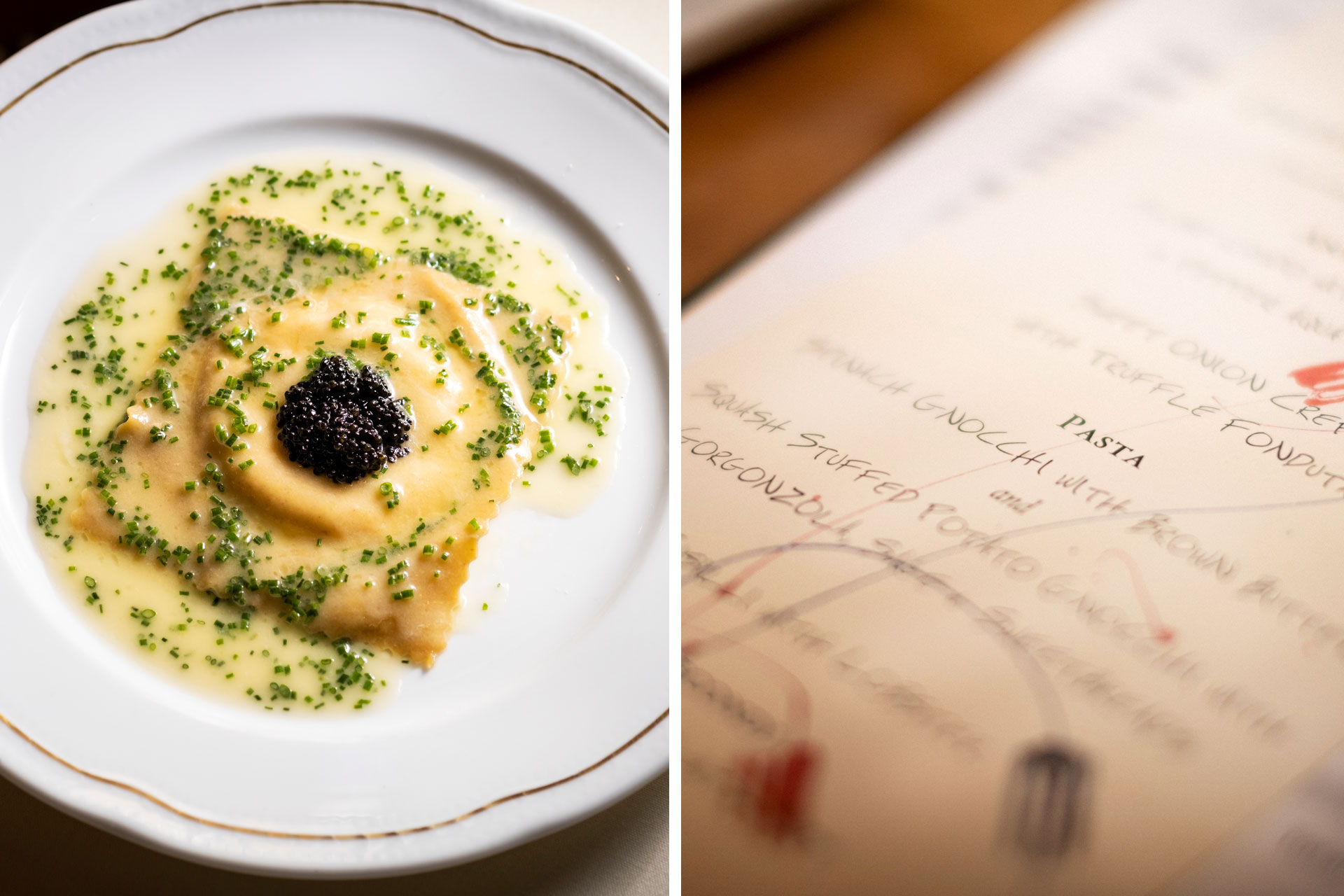
Stone crab ravioli topped with premium caviar and Vetri Cucina’s extensive fresh pasta menu. © Steve Legato/Vetri Cucina
Zahav In 2008, “fine dining was becoming a bit more casual and less precious,” says Chef Michael Solomonov. “Chef Jose Garces broke away from the traditional model of French or continental-style cooking, and that change really helped us and other immigrant cuisines break through.” Zahav didn’t succeed right away, but within a year or so, the tahini-enriched hummus and salatim (a rainbow of seasonal vegetable dishes), and the large-format lamb shoulder lacquered in a pomegranate glaze became canonical. Zahav, in turn, set the stage for a fresh batch of chefs and restaurants like Eli Kulp of High Street and Greg Vernick (see below) in the 2010s. “Fast-forward 10 years, and the Covid era created a whole new genre for the food scene, with people cooking out of their apartments, which often blossomed into pop-ups or restaurants on their own,” says Solomonov.
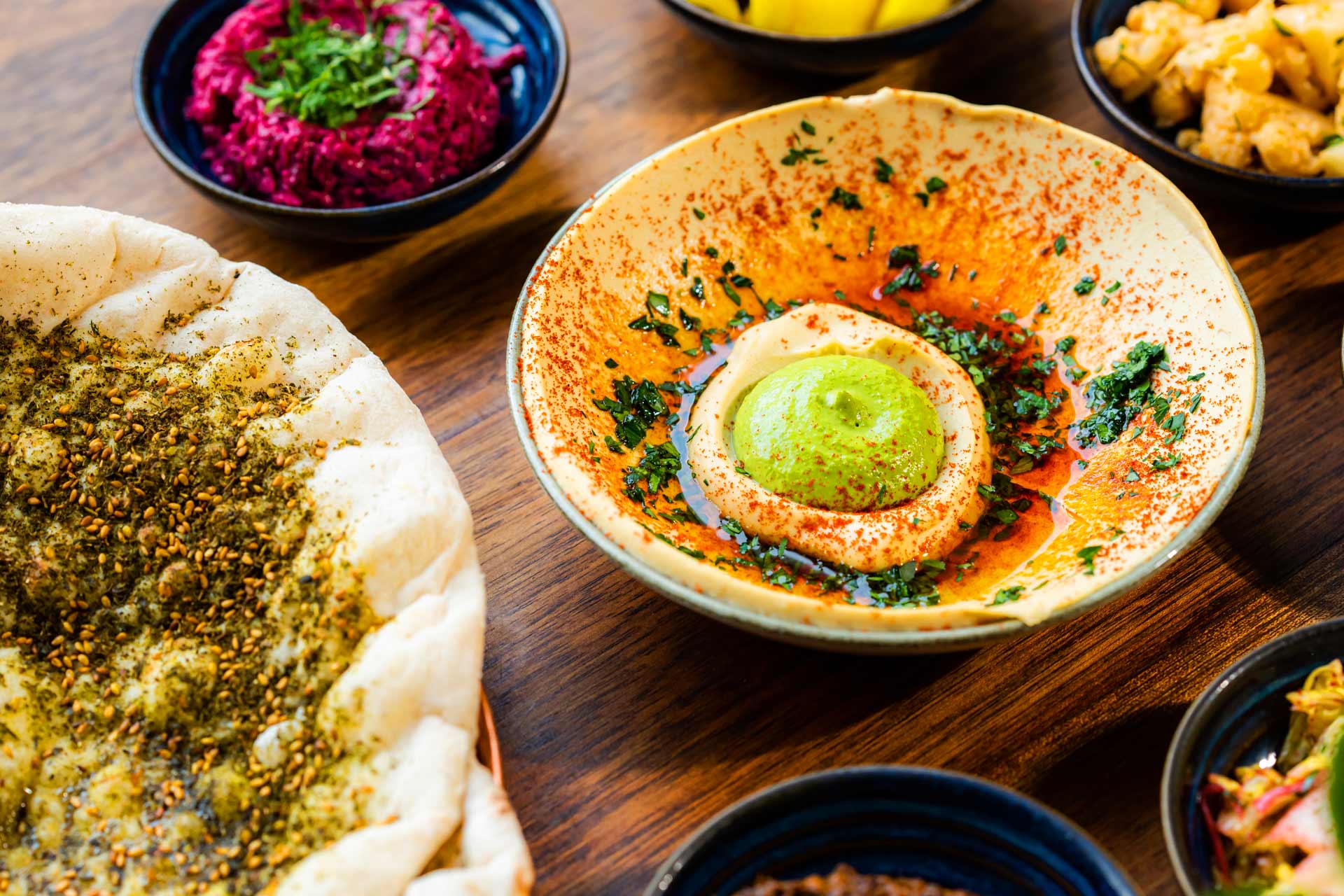
Zahav’s signature creamy hummus topped with tahini and fresh bread. © Daniel Knoll/Zahav
Vernick Food & Drink Chef Greg Vernick grew up in South Jersey but did most of his eating in Philly. “On Saturdays, we would have dinner in Chinatown with family and friends,” he says, “and when I came home from college, we’d go to Marigold Kitchen. Even before I was cooking here, I always looked forward to coming back to experience what was happening with the city’s restaurants.”
Vernick joined the ranks with Vernick Food & Drink in Rittenhouse in 2012, a pivotal era as chefs from New York and beyond began seeing Philly as an attractive place to do business.
“There were already many serious restaurants in the city, and I wasn’t sure if Food & Drink would be one of them,” Vernick remembers. “I wasn’t exactly sure what my style of food was yet.” Despite that self-deprecation, the sophisticated (but never stuffy) bi-level restaurant hit squarely on a moment in American dining: elaborate toasts, milk punch, a showstopping roast chicken. As a result, Vernick Food & Drink has become a modern classic.
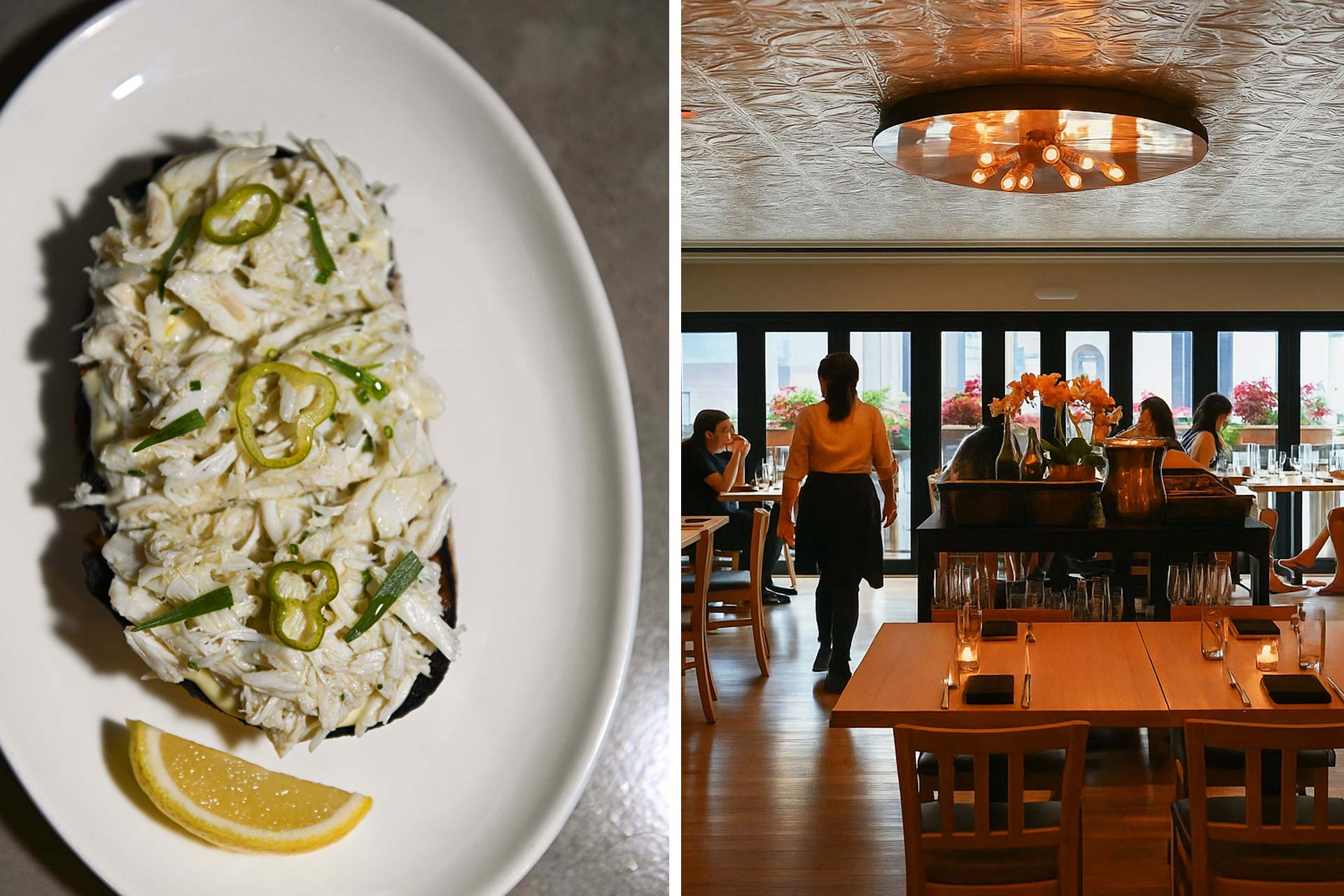
Elaborate toast of Blue crab, lemon aioli & tarrago and dining room. © Liz Barclay/Vernick Food & Drink
Southwark and Ambra Opening a new restaurant is challenging. Reopening one that’s been around since 2004 — as Chef Chris D’Ambro and partner Marina de Oliveira did with the pioneering Queen Village cocktail bar, Southwark, in 2015 — can be even more so.
“We wanted to preserve its core charm: the original woodwork and bar and working with small producers and sourcing ingredients locally,” D’Ambro says. “The building had great energy, and it felt good to be there.”
The couple polished the place up, added internet and a POS system and layered their style of cooking over what was already working. The soft touch kept the original customers coming for Manhattans and charcuterie, but also drew in newcomers for silky chicken-liver mousse, house-made pasta and an epic double cheeseburger.
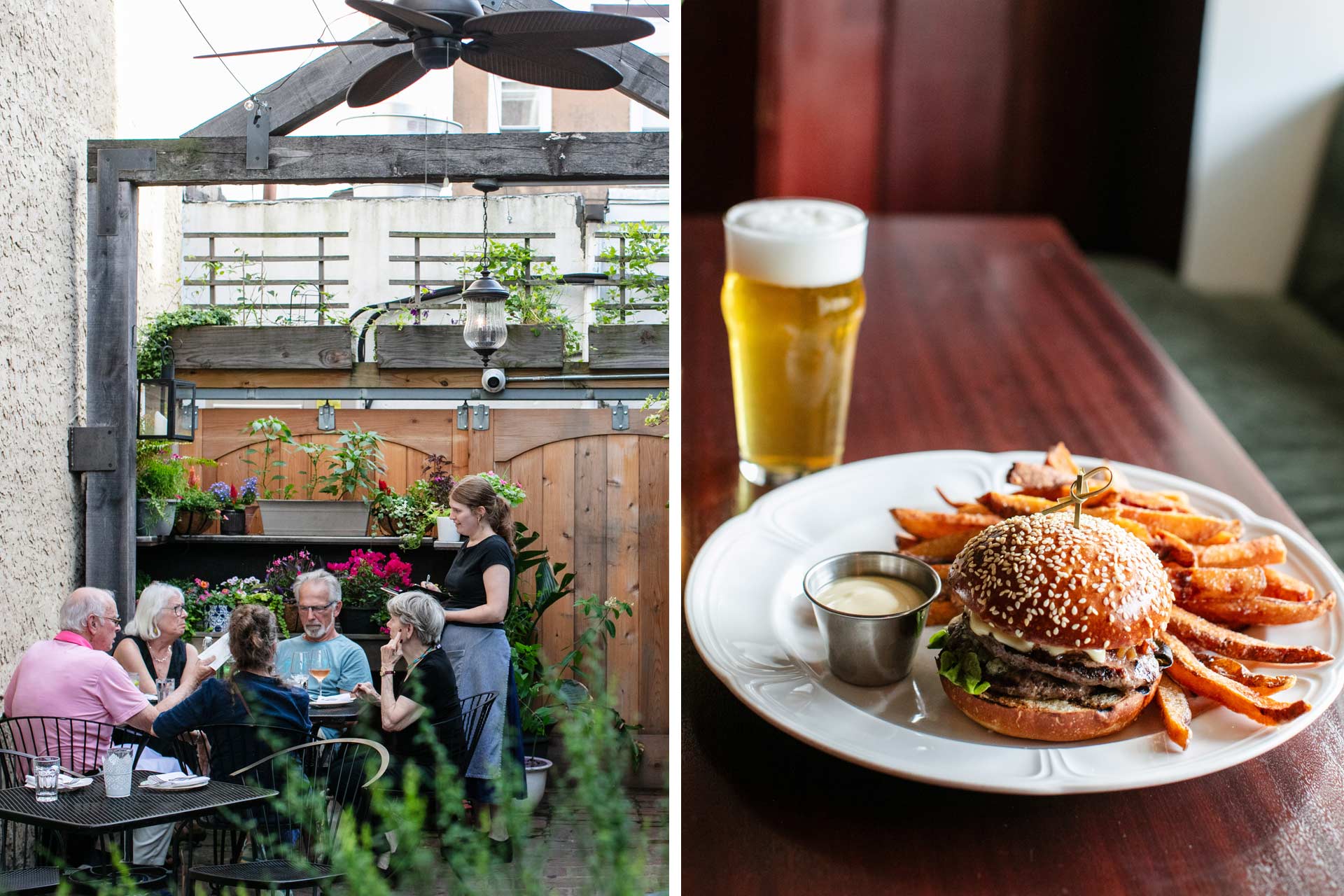
Southwark outdoor patio and epic double cheeseburger. © Neal Santos/Southwark
A year later, D’Ambro and de Oliveira added Italian Ambra, with its thoughtful wine service and high-touch tasting menu. “When I was cooking in fine dining, I missed casual bistro cooking; when I was cooking at the bistro, I missed fine dining,” D’Ambro says. “I love being able to do both.”
The pandemic put Ambra on a two-year hiatus but also ushered in what D’Ambro calls the next generation of fine dining. “The Four Seasons opened, Friday Saturday Sunday moved fully to a tasting menu. We saw incredibly talented chefs like Amanda Schulman and Nicholas Bazik open fine-dining restaurants, and Ambra came back.”
This time around, it included an aperitivo course, leisurely pacing and dishes like chicken marsala gnocchi and quince crostada with zabaglione. “People had a long break from fine dining and were ready to party again,” says D’Ambro.
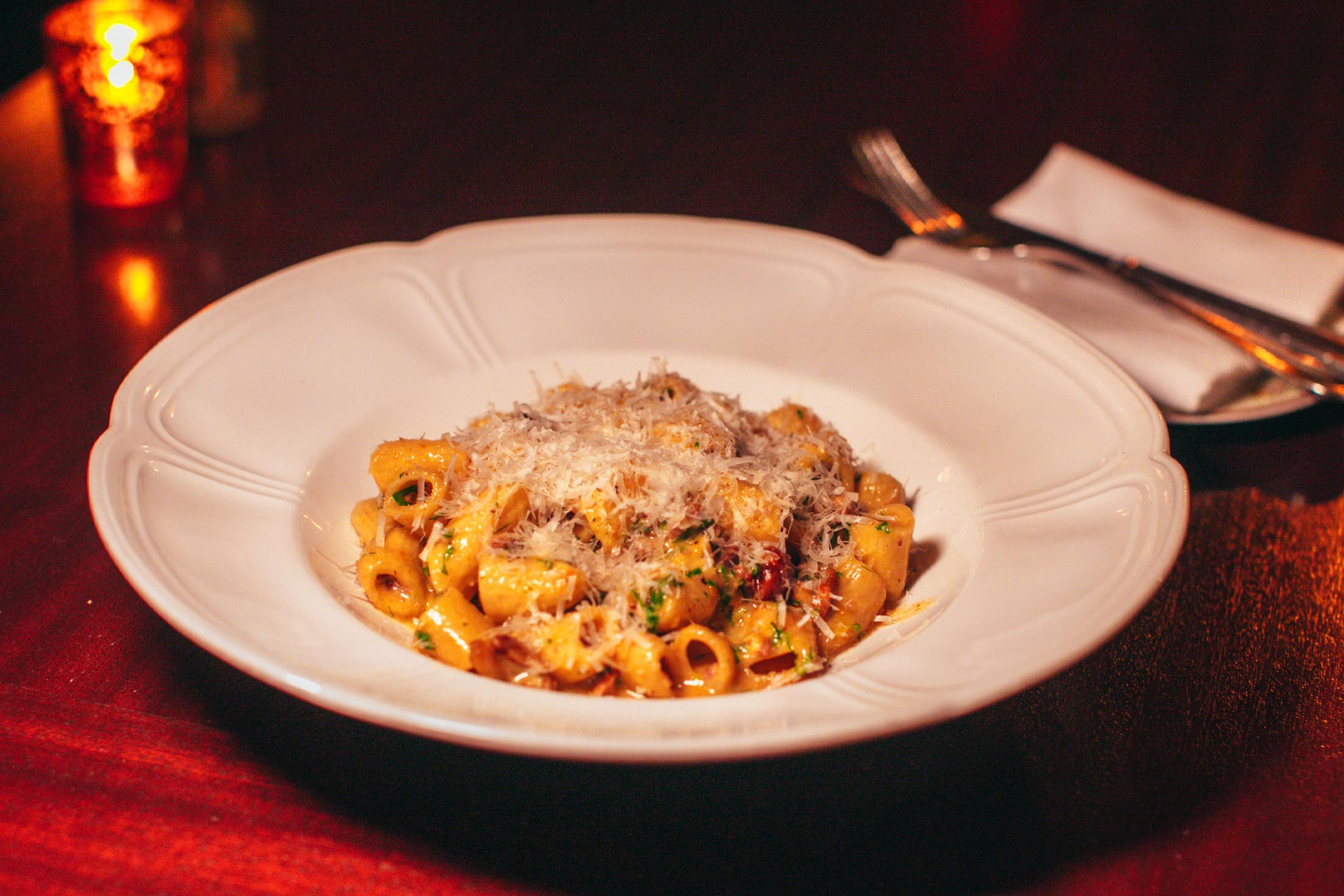
Fresh rigatoni pasta. © Neal Santos/Ambra
Her Place Supper Club Chef Amanda Schulman didn’t set out to create one of Philly’s most in-demand restaurants (and one of three with a MICHELIN Star). “I had been cooking dinner parties out of my apartment for the entirety of my career, always having some type of side hustle alongside my regular line-cook or sous-chef job,” she says.
It was summer, a traditionally quiet season in Philly, and a year and change into the pandemic when she signed a two-month lease for Her Place Supper Club. “I was going to be serving to-go picnic baskets because everyone could only eat outside, then restrictions were lifted and all of a sudden, picnic baskets seemed really expensive, so I just decided to do what I’d already been doing: cook dinner and invite people over.”
Nomadic and pop-up supper clubs were a real moment in Philly and around the country during the pandemic, but Her Place was one of the few able to successfully translate to a physical space while preserving the scrappiness and joie de vie that made them special. (Shulman’s effortlessly orchestrated prix-fixe menus — layered with hyperseasonal vegetable dishes, just slightly off-center pastas, game birds and sprightly desserts — certainly help.)
“People just wanted to color outside the lines a little bit, toying with some of the traditional ideas of restaurants, which I still like to do today,” Schulman says. “When you take out the rules of what a restaurant is supposed to be, it feels a little gentler and friendlier.”
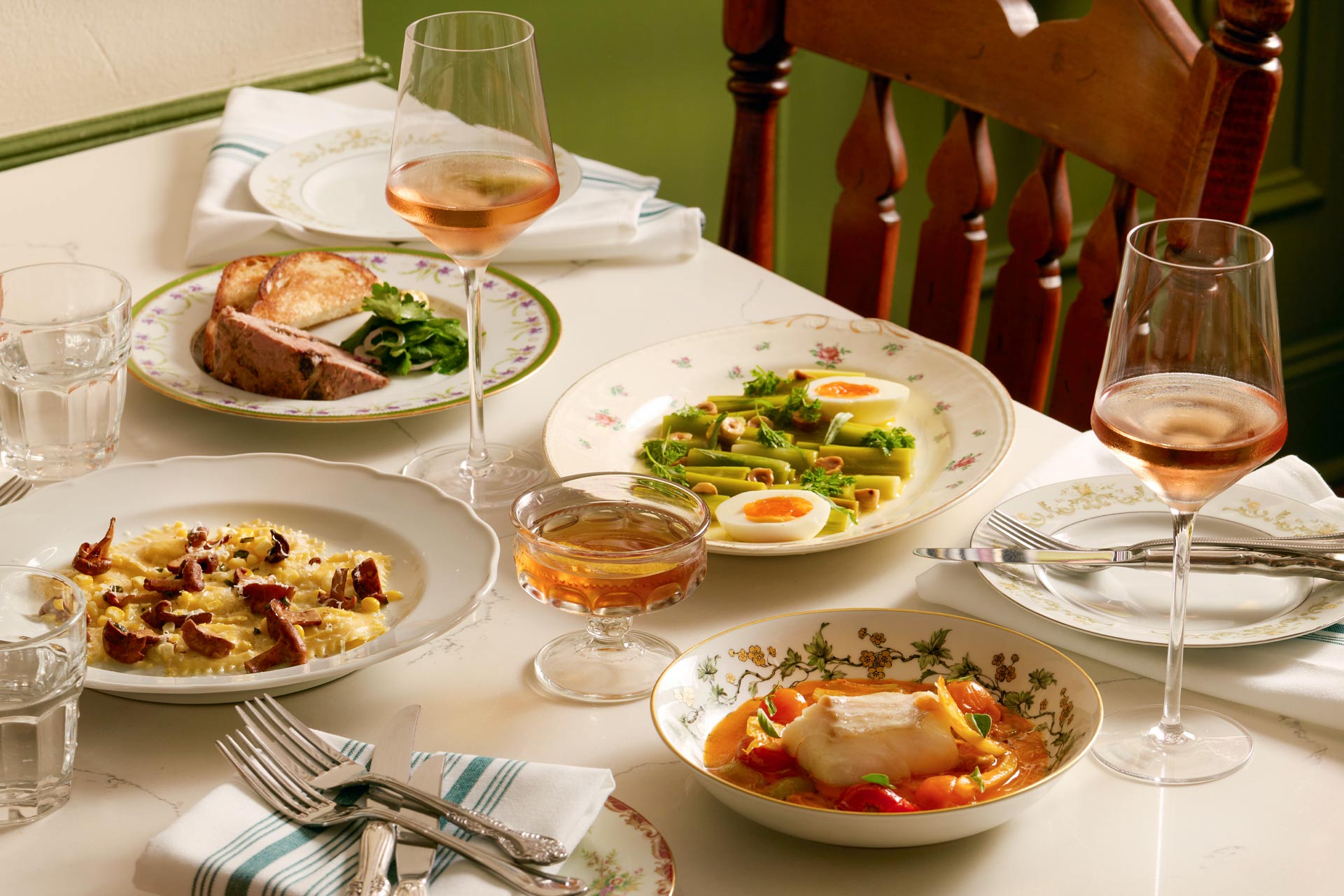
Her Place table shot including their popular Corn Francobolli and Fish Dish. © Bre Furlong/ Her Place Supper Club
Provenance In one way or another, all these Philly restaurants laid the groundwork for Provenance, an intimate, 22-seat, detail-driven restaurant serving 20 or so courses that blend French technique, Mid-Atlantic ingredients and Korean influences.
“There were a couple key shifts that I think really impacted the current trajectory [of Philadelphia dining],” Chef Nicholas Bazik says, noting Zahav’s mind-expanding menu and the early-2010s arrival of chefs like Vernick, Kulp and Nick Kennedy. “The conversations amongst my cooking peers at that time shifted. There was less: ‘I need to go elsewhere to expand my culinary knowledge.’”
As such, Bazik stayed in Philadelphia, honing his craft, experimenting and lining up all his ducks (metaphorical and aged breasts with foie gras-cashew sauce) to bring his relentless vision for Provenance to life in a Society Hill townhouse last year. The restaurant’s success and MICHELIN Guide recognition make him optimistic about not just Provenance’s future, but the city’s. “I am most excited to see more and more independent restaurants and chefs betting on themselves and exposing our dining public to an even more diverse and enriching food scene,” he says.
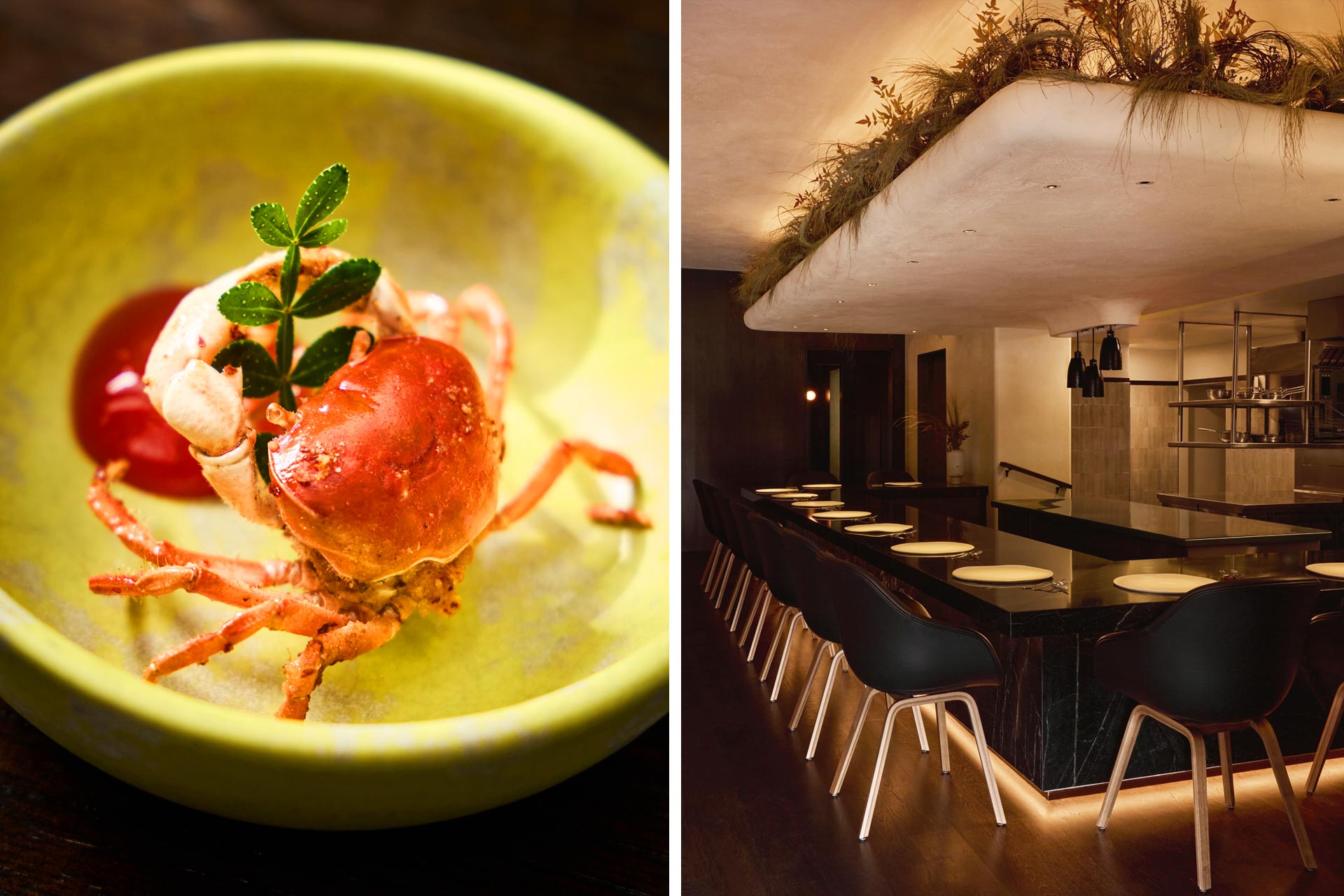
Sawagani, Japanese freshwater river crab and kitchen view counter. © Nate Cluss/Provenance | © Jason Varney/Provenance
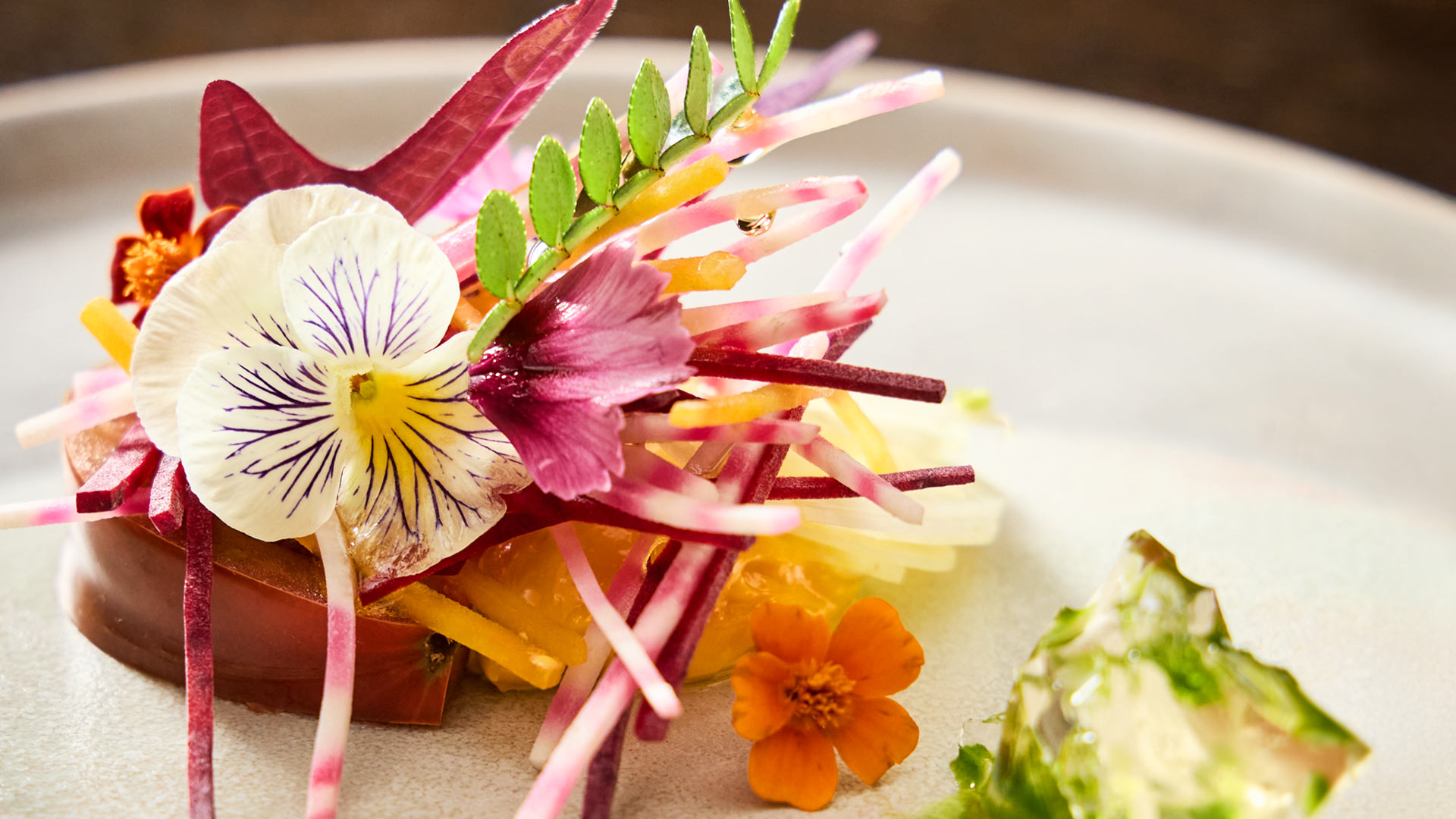
Hero image: Kale Caesar Aioli © Nate Cluss/Provenance
Thumb image: Sawagani, Japanese freshwater river crab © Nate Cluss/Provenance
Written by
Adam Erace
Adam Erace is an award-winning food and travel writer whose byline has appeared in Travel +Leisure, Fortune, Food & Wine and many other publications. He’s the author of six books, including his latest, In Session: Low-Proof Cocktails for High-Quality Occasions. He lives in South Philadelphia with his wife, Charlotte.
Dining and Cooking