
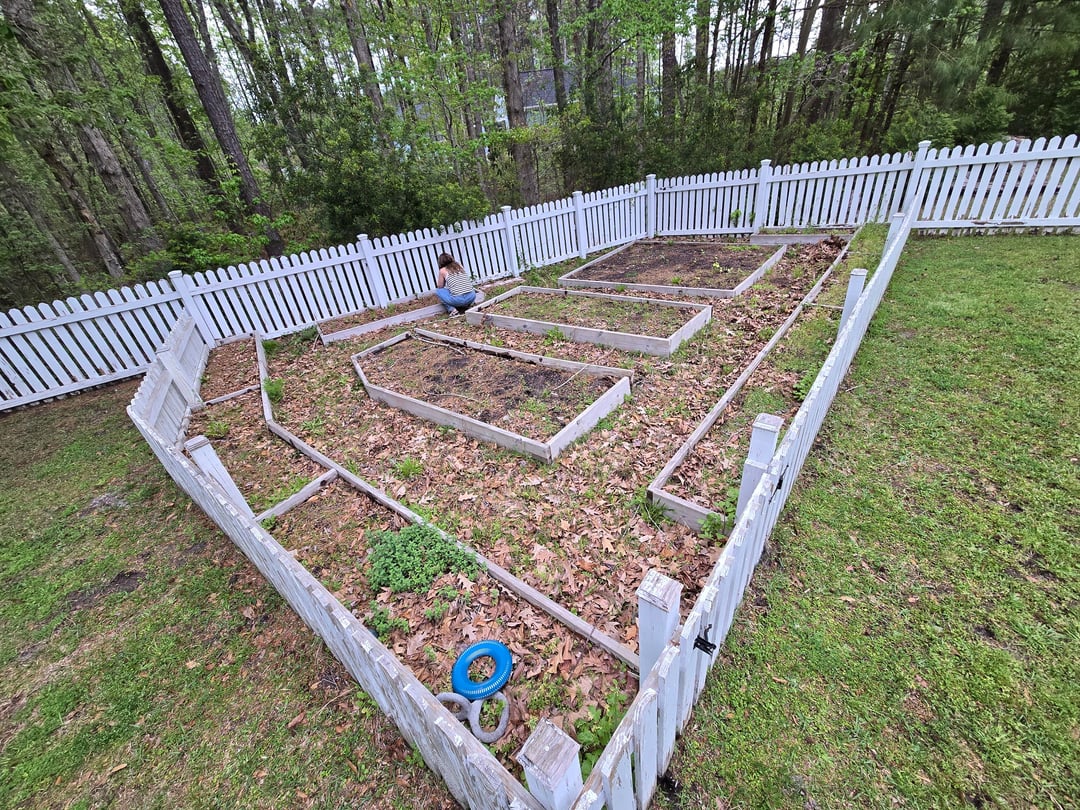
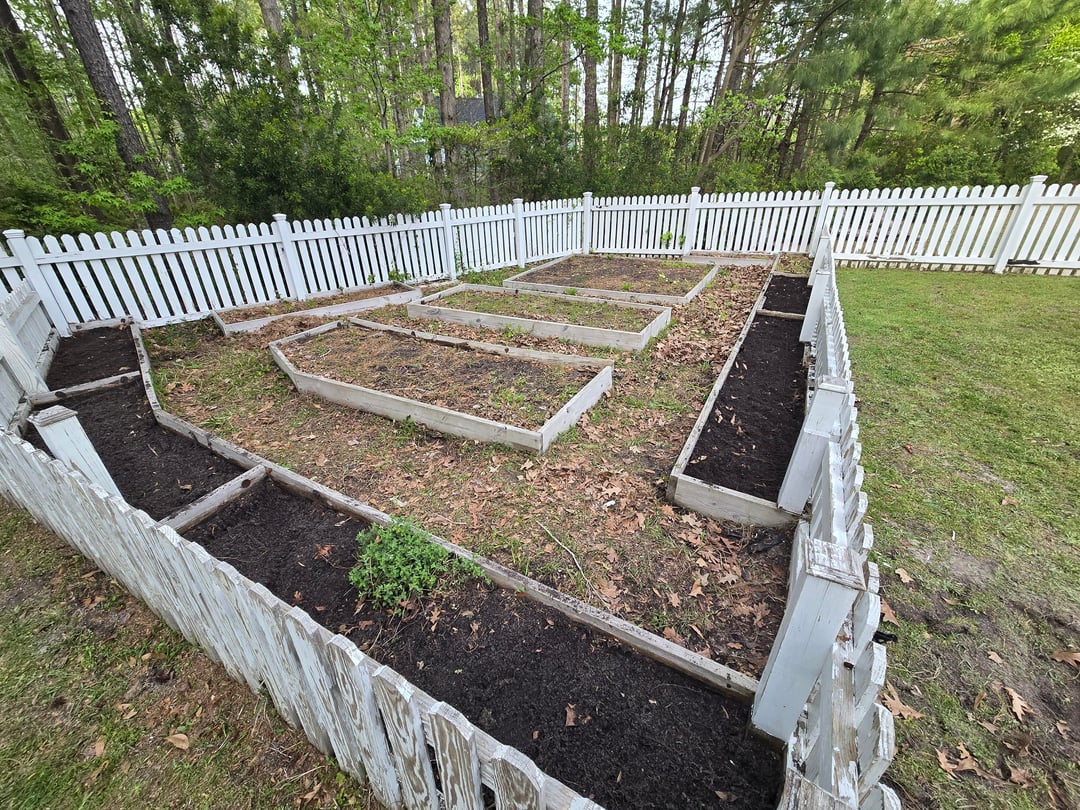
We moved in to a home that has about 100sq ft of raised beds in the back yard that are currently overgrown with weeds, grass and leaf litter. I am trying to clear them out and maybe start a small garden as a first timer. So far my plan has been to remove leaf litter, hit the tops of the beds with an action hoe, and then use a shovel to remove and dispose of the top 2-3" of soil that seems to be inundated with weeds and their roots. I was thinking I would then top the beds off with a layer of high quality compost and plant some stuff.
Once that is done I plan to rip up the overgrown landscape fabric walkways and continue to de-weed what is left over. I will then probably lay down cardboard and cover with some type of mulch.
For the beds- Do I need to go deeper with the soil removal? I have no idea what the beds' soil composition is, or what was planted in the past. I may just tarp some of the beds and try to kill the weeds, because I don't know that I will want to plant and tend to the entire 100sq ft space during my first season.
Any advice appreciated. Eastern NC, Zone 8b, sandy clay native soil. South facing garden. I like to eat potatoes, tomatoes, zucchini, carrots, lettuce, asparagus, cucumbers, peppers, cabbage, Brussels sprouts, strawberries, blueberries, apples pears, green beans, onionsz, ginger, garlic, and more.
by SaladJarDude
5 Comments
1. Join a local gardening club.
2. Those beds are nearly clean in my opinion! Pull out some weeds and add a few bags of compost to each bed, the soils compact over time.
3. Have fun. Take each success with joy and each failure with wisdom about what didn’t work. Every seasoned gardener can probably list a dozen “Didn’t Work” plants.
I am currently 8 years into good blueberries. I can’t count the number of plants that died as I worked to Acidify the soil. And now one giant bush is in the walkway.
I wouldn’t remove the leaf litter or soil, only trash. It will make good compost and help suppress the weeds. Pull as many weeds as you can. Spray all the ones you can’t pull with natural weed killer on a sunny day. You can find the recipe online — industrial vinegar (not the 5 percent cooking kind), salt, some dawn dish soap. Then as was suggested, top off with fresh compost and get planting. You might have to do some extra weed control the first year, but if you’re able to add a good layer of compost, it should suppress most of what you didn’t pull or kill. Then fix up your walkways and you’ll have an amazing garden.
I wouldn’t dig out the weeds. No reason to. The soil is already there with seeds.
I would dig out any trash and then I would spray it all down with some weed killer, such as RoundUp. No it won’t harm you or your family. The reason I would spray it all is because since you are just reclaiming this bed, the soil is likely compacted and probably has some perennial weeds in it. You likely won’t get rid of perennial weeds without some spray. After a good spray, you likely won’t need to spray it again for a few years if you keep the weeds out with tilling or had pulling.
Spray it down and kill everything and then wait 2-3 weeks, then till the top 5ish inches of soil. This will loosen and lighten up your soil to make it easier to plant. By waiting a few weeks after spraying, the weeds roots will be dead making it easier to till.
Before you till, you could even spread some compost or fertilizer or some agricultural lime. It’s always best to incorporate these soil amendments into the entire soil layer. So spread them out and then till it up to mix the lime and compost deeper into the beds.
Don’t remove the soil.
Rake, pull the weeds, broad fork or fork if you have the tools, add a bit of whatever general organic fertilizer is easiest for your to add, put down a couple inches of compost, and make weed removal part of your routine until you deplete the seed bank. Digging is just going to bring more up to the surface.
I’d also recommend a soil test now. Grab a sample before you add any amendments, including compost. The results will give you a better idea of what you’re working with and will save you time and money in the long run.
[https://gardening.ces.ncsu.edu/soils/soil-testing/](https://gardening.ces.ncsu.edu/soils/soil-testing/)
Lay down plain brown cardboard, soak it, and put 3-4 inches of fresh compost on top.I did this with an overgrown plot last year and it killed the grass perfectly without breaking my back. Definitely tarp the sections you aren’t using yet; 100sq ft is a lot for a first-timer.