
A first film in a trilogy has a problem that gets harder with time, not easier. On opening weekend, it just has to work. Years later, after sequels, imitators, discourse, backlash, canonization, and cultural overfamiliarity, it has to survive comparison not only to what came after, but to the mythology built around all of it. It’s like being the eldest child. You’re the experimental pressure-cooker for your parents.
Just like eldest children, a lot of trilogy starters lose something there. Some start looking like rough drafts for stronger follow-ups. Some feel smaller once the world expands. Some get flattened into a good setup and quietly stop being treated like complete movies. The ones on this list did the opposite. They got richer. Sharper. More lovable. More revealing. Just as I did, being the eldest child. Here are 10 trilogy starters that have aged like fine wine.
10
‘The Girl with the Dragon Tattoo’ (2009)

Image via Nordisk Film
This film has aged beautifully because it never relied on trendiness to begin with. The Girl with the Dragon Tattoo came in cold, hard, and unseduced by the idea that a thriller has to flatter the viewer with easy momentum. The Vanger family mystery is compelling, yes, but the reason the movie lasts is that it does not treat the mystery as its only source of gravity. It builds an entire emotional and moral climate around Lisbeth Salander (Noomi Rapace) and Mikael Blomkvist (Michael Nyqvist) before it ever tries to cash in the revelations.
What gets better with time is how sharply the movie understands Lisbeth. She is not introduced as a neat damaged genius type, which would have aged terribly. She is difficult, watchful, furious, brilliant, wounded, and constantly forced to move through systems designed to diminish or exploit her. That is why the alliance with Blomkvist matters. It is a meeting between two very different kinds of intelligence, two different kinds of outsider status, and two people who can give the other exactly what the system around them won’t. When they finally start working the Harriet case in earnest, the movie becomes addictive because now the clues have chemistry behind them. And the ending helps it age well too. It leaves bruises. It makes the film feel like the first chapter of lives already damaged before we arrived and still damaged after the case closes.
9
‘The Bourne Identity’ (2002)
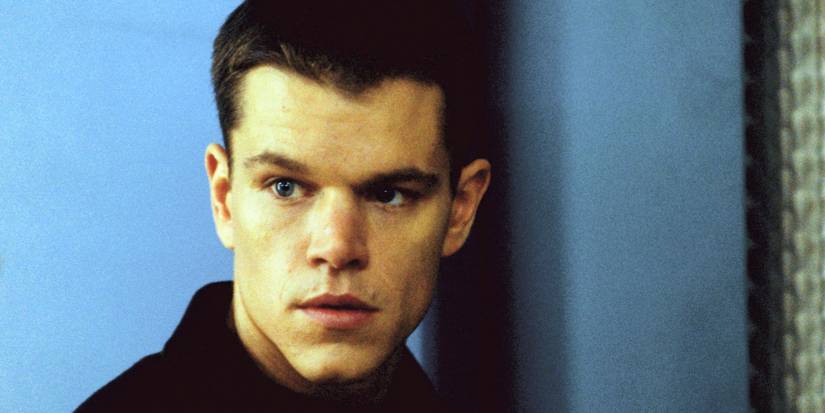
Matt Damon as Jason Bourne in The Bourne IdentityImage via Universal Studios
The Bourne Identity has only gotten better because so much of modern action cinema owes it a debt and still rarely matches how cleanly it works. The amnesia hook could have turned into a gimmick graveyard in lesser hands. Instead the film uses it to ask a great thriller question: what if your body knows exactly how dangerous you are before your mind can morally process it?
That is why the embassy escape still plays so well. Not just because it is exciting, but because it is character revelation through panic. Jason Bourne (Matt Damon) pulls off that sequence discovering, second by second, that violence and tactical precision live inside him whether he wants them there or not. And Marie (Franka Potente) is a huge reason the film has aged so well. She gives it heart without softening its identity. Once Bourne starts trying to figure out who he is with this woman in the car beside him, sometimes irritated, sometimes frightened, sometimes moved by him, the movie stops being merely clever and becomes emotionally involving. That is why the film feels evergreen even today.
8
‘Before Sunrise’ (1995)
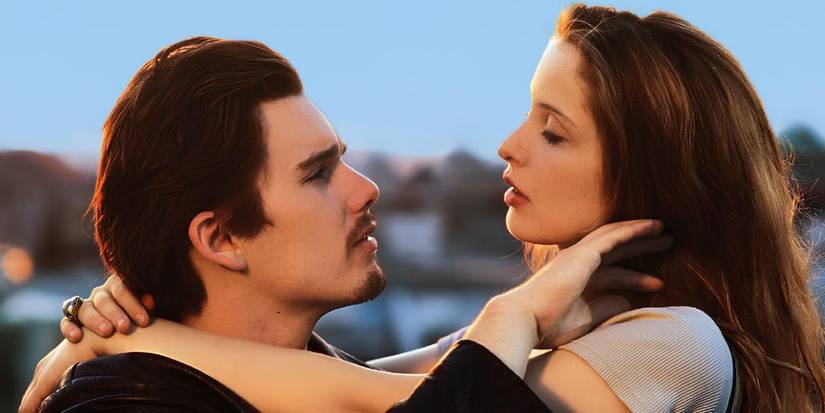
Image via Columbia Pictures
Before Sunrise follows Jesse (Ethan Hawke) and Céline (Julie Delpy) talk all night, and on paper that sounds fragile as hell. If the chemistry slips, if the writing starts sounding like slogans about life and love, the whole thing collapses. But it never does and when the film ends, it leaves you wanting more and that’s how it sets up the sequels. What time has revealed is how exact the movie is about youth. Not youth in the shallow sense of style or trend, but youth as a state of intellectual performance mixed with genuine vulnerability.
These two are charming, yes, but they are also trying themselves out on each other. They flirt, philosophize, exaggerate, confess, deflect, and occasionally say things that sound wiser than they are because they want the night to mean something larger than itself. That makes them feel real. A lot of romances age into fantasy. Before Sunrise stays human. And because the whole film is about the possibility that one night can become emotionally permanent, it has only grown more poignant over time. Every bench, tram ride, record booth pause, and wandering street conversation those Jesse and Céline had, feels fuller now.
7
‘Captain America: The First Avenger’ (2011)
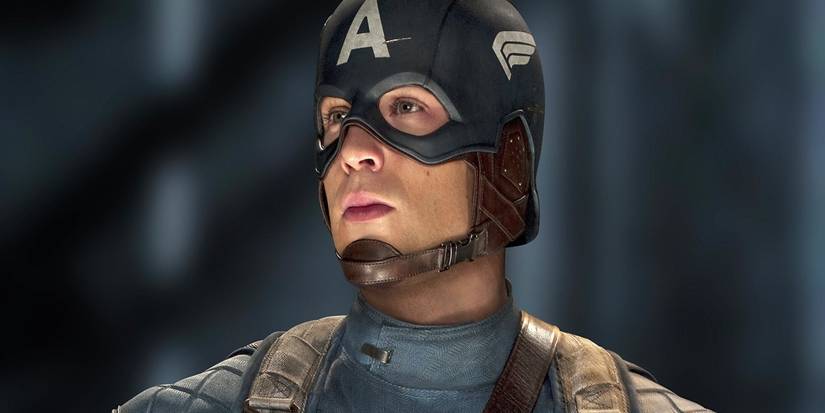
Captain America (Chris Evans) looking to the distance in ‘Captain America: The First Avenger.’Image via Marvel Studios
This movie has aged better than people expected because it was smarter about Steve Rogers (Chris Evans) than a lot of louder comic-book films are about their heroes. Captain America: The First Avenger perhaps understood that the serum was never the real test. The test was always whether the man would still choose the same moral line once power stopped being hypothetical. Skinny Steve getting beaten in alleys and still getting back up, throwing himself on what he believes is a live grenade, not tolerating being used only as a propaganda mascot once Bucky Barnes (Sebastian Stan) and others are actually in danger is everything that he was later in MCU too.
He goes behind enemy lines because he cannot sit inside symbolic heroism while real people suffer. Those plot beats have aged beautifully. And honestly, the period setting helps enormously. The movie has enough sincerity to let patriotism, sacrifice, and idealism exist without collapsing into camp or smug deconstruction. That is not easy. What endures is the feeling that Steve’s goodness was always written as active, costly, and unfashionably direct. That has only made the film more lovable as the genre around it got busier and more ironic.
6
‘Batman Begins’ (2005)
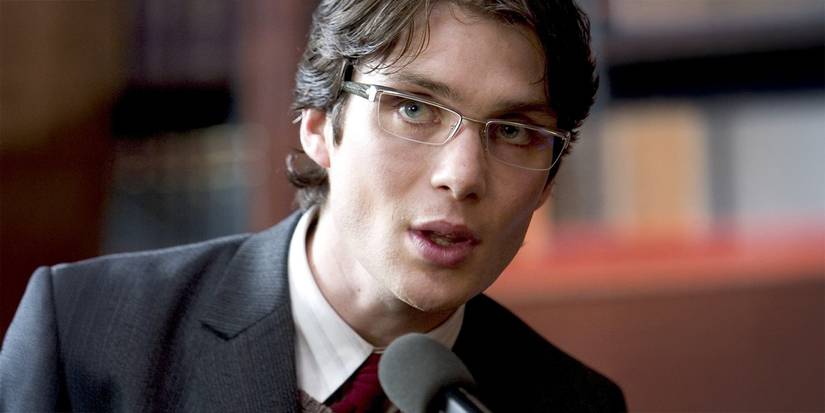
Cillian Murphy as Jonathan Crane speaking in court in Batman BeginsImage via Warner Bros.
Batman Begins has aged like fine wine because it turned out to be doing much more than origin story rehab. At the time, people mostly focused on the fact that it brought Batman back from the pop excess of the late ’90s. But what really lasts is how psychologically useful the movie is. It does not simply tell you how Bruce Wayne (Christian Bale) got the suit and gadgets. It asks what kind of person would need Batman as a response to fear, guilt, class rot, and a city that feels spiritually abandoned.
Young Bruce falls into the cave, sees his parents die, grows up angry, drifts, disappears, learns how institutions of fear function, returns, and then has to decide whether he is going to become a symbol of justice or another fanatic convinced destruction counts as cleansing. That is strong writing. Ra’s al Ghul (Liam Neeson) is the ideological fork Bruce might have taken if pain and discipline had curdled into purification rather than protection. And Gotham itself is written as a real reason for Batman to exist. The Narrows are not scenery. Corruption is not vague wallpaper. The city feels like a place where civic systems failed long enough for theatrical intervention to become plausible. That is why the film has aged so well.
5
‘Iron Man’ (2008)
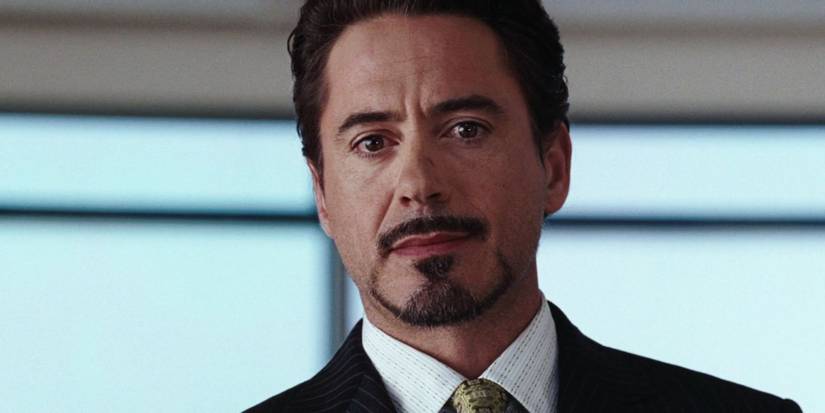
Robert Downey Jr. as Tony Stark giving a press conference in ‘Iron Man.’Image via Marvel Studios
This movie has aged like fine wine because it still feels startlingly sure of Tony Stark (Robert Downey Jr.) as a character. Later films, later franchise demands, later tonal copying, and later superhero sarcasm have made it easy to forget how sharp the original is. It introduces Tony as a man whose charm is inseparable from moral vacancy. He is funny, brilliant, reckless, adored, and almost totally insulated from the consequences of what he builds. That insulation is the first thing the movie shatters.
The cave section is still the key. Tony builds a cool suit, but becomes interesting because captivity strips away the abstraction he was living inside. Yinsen (Shaun Toub) forces him into the simplest moral confrontation possible: this is what your genius has done in the world. That is why the first suit matters so much. It is ugly, improvised, desperate, born in pain and debt rather than spectacle. And the film has only improved with age because it doesn’t overcomplicate his first transformation. He is not fixed. He is not purified. He is simply awake in a way he wasn’t before, and that gives the whole story propulsion. The Jericho missile demo, the Afghan village return, the flight tests, the final confrontation with Obadiah Stane (Jeff Bridges), all of it grows out of a man trying to live differently before he even fully knows how.
4
‘Back to the Future’ (1985)
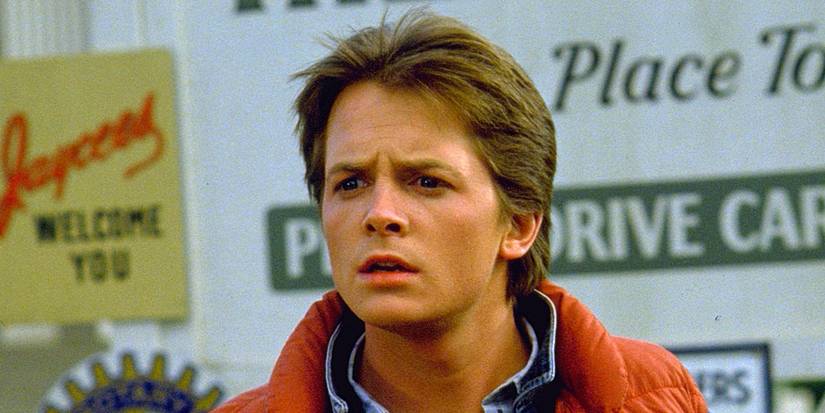
Image of Michael J. Fox in ‘Back to the Future’Image via Universal Pictures
Back to the Future was written with almost obscene precision, and that too almost 40 years ago. Every setup matters. Every planted detail blooms later. Every comic beat eventually starts carrying plot weight. Marty McFly (Michael J. Fox) thrown into the past for adventure, lands in a version of his family’s history so delicate that every interaction threatens his own existence. That is a genius engine for a trilogy starter because the stakes are immediate, personal, funny, and structurally expandable all at once.
What really lasts is how emotionally legible it all is. George McFly (Crispin Glover), a nerdy dad becomes the emotional hinge of the whole movie. Marty has to watch his own father before confidence, before marriage, before fatherhood, before life sanded him into disappointment. That gives every scene with George unusual weight. With Lorraine Baines McFly (Lea Thompson), the movie turns the weirdness of her attraction to Marty into real pressure, because now the fantasy of meeting your young parents has become a problem you have to solve without psychologically imploding. And then the ending. The dance. The photo. The clock tower. Doc Brown (Christopher Lloyd)’s cable plan. George finally punching Biff Tannen (Thomas F. Wilson). It is one of the best third acts ever written and all of it combined gave way to the sequels.
3
‘Star Wars’ (1977)
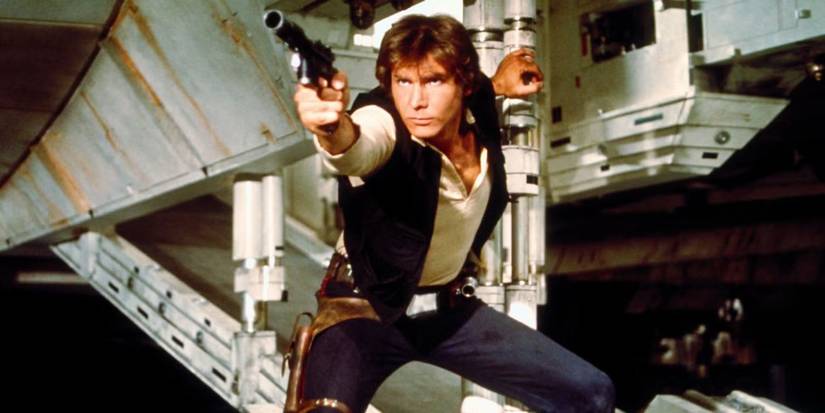
Image via Twentieth Century-Fox
Star Wars has aged like fine wine because it still feels like the cleanest possible version of an adventure story discovering how large it can become. Before all the mythology thickened, before the franchise became a religion, this movie already had everything it needed: a farm boy aching for more, a princess in danger, a rogue with more heart than he wants to admit, an old knight carrying sadness into myth, and an empire brutal enough to make rebellion feel necessary rather than decorative.
What’s aged best is the speed and confidence of the storytelling. The droids crash-land, Darth Vader (David Prowse) boards the ship, Princess Leia (Carrie Fisher) hides the plans, Luke Skywalker (Mark Hamill) stares at horizons, Obi-Wan Kenobi (Alec Guinness) gives him history, and suddenly we are moving. The film does not explain the universe into paralysis. It trusts image, archetype, and momentum. That trust is why it still works. We meet Mos Eisley, the Falcon, the Death Star, Grand Moff Tarkin (Peter Cushing), the rebellion, and the Force in a form simple enough to grasp and rich enough to expand later.
2
‘The Lord of the Rings: The Fellowship of the Ring’ (2001)
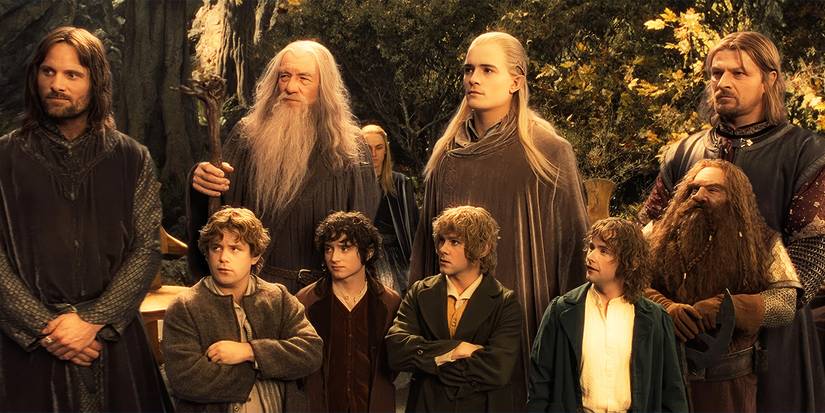
Aragorn, Gandalf, Legolas, Boromir, Samwise, Frodo, Gimli, Merry, and Pippin forming The Fellowship in The Lord of the Rings: The Fellowship of the RingImage via New Line Cinema
The Fellowship of the Ring creates a full emotional architecture of Middle Earth. The Shire, Gandalf (Ian McKellen)’s concern, Frodo (Elijah Wood)’s burden, Aragorn (Viggo Mortensen)’s reluctance, Boromir (Sean Bean)’s weakness, Sam (Sean Astin)’s devotion, the group’s fragile unity, none of this feels like table-setting for better movies. It feels like the first movement of a vast piece that already knows exactly what every note is doing. The part that has aged best for me is how much the movie values innocence before endangering it. The Shire is not rushed through because Peter Jackson understands something fundamental: if you do not love what can be lost, the journey is just logistics. So we get sunlight, food, gossip, comfort, Hobbit smallness. Then the Black Riders arrive and the whole story changes temperature.
Moria remains one of the great middle sections in fantasy cinema because it turns fellowship into survival and survival into grief. Gandalf’s fall works because the movie has made him more than a guide. He is the old stability of the world dropping away. Then Boromir’s end makes the final movement devastating. His failure and redemption are written with enough humanity that the whole film stops being about a fellowship as an abstract ideal and becomes about how fragile and costly fellowship really is. And that’s what gives way to The Two Towers.
1
‘The Godfather’ (1972)
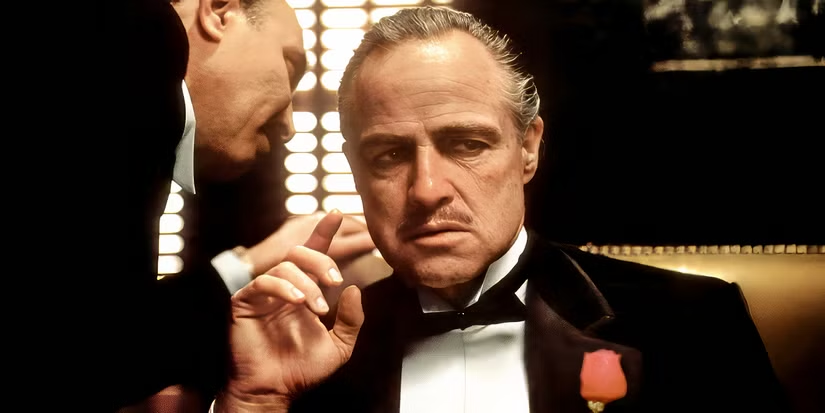
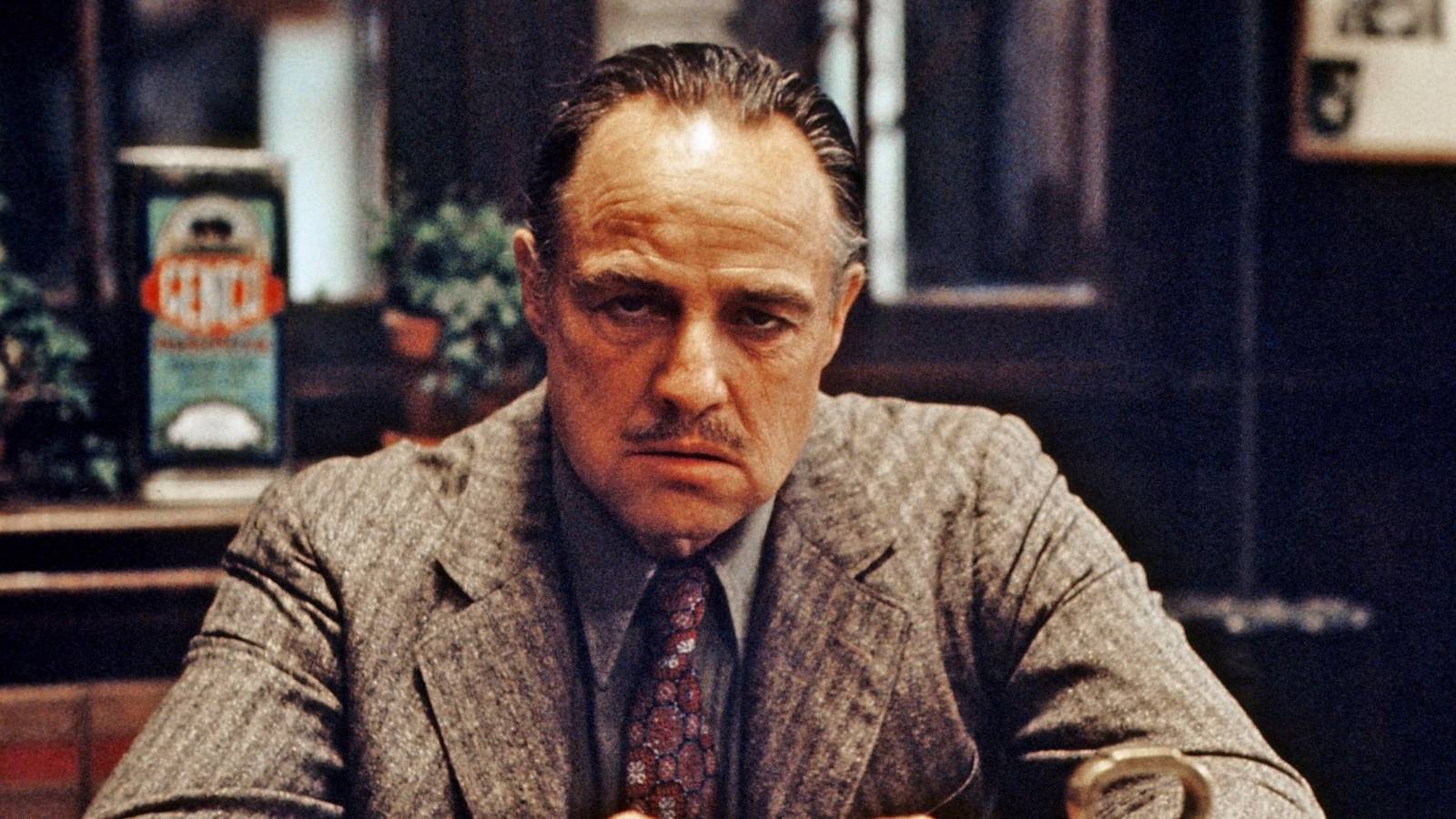
Marlon Brando as Don Vito Corleone, getting a message from someone in The Godfather.Image via Paramount Pictures
This is number one because time has only made clearer how complete it already was. If anything has touched closer, it’s Peaky Blinders. But The Godfather had nobody. It did not need previous greatness to validate it. It arrived fully formed. The wedding, Bonasera (Salvatore Corsitto)’s plea, the family business woven into celebration, Michael Corleone (Al Pacino) standing just outside the center of power and telling Kay Adams (Diane Keaton) “That’s my family, Kay, it’s not me” — the whole movie is already building the tragedy before Michael even knows he’s walking into it.
That is why it has aged like fine wine. Not because it is classic in some distant, museum-glass sense, but because its writing is alive with pressure at every level. Vito Corleone (Marlon Brando) is powerful, but fragile. Sonny Corleone (James Caan) is strong, but impulsive. Tom Hagen (Robert Duvall) is loyal, but limited by what blood means in this world. Fredo Corleone (John Cazale) is already slipping outside importance. And Michael, the one who thinks he can remain separate, is the one the movie keeps quietly circling as the real catastrophe. Every plot turn serves that. The hospital sequence shows the world what it means when an off-spring takes responsibility seriously and realises it’s either them or no one. Michael crosses a line from family member to active protector. And then the ending. God. The baptism montage, the killings, Kay watching the door close. That door has been closing emotionally for the whole film. That is why it remains the greatest trilogy starter ever.
Collider Exclusive · Oscar Best Picture Quiz
Which Oscar Best Picture
Is Your Perfect Movie?
Parasite · Everything Everywhere · Oppenheimer · Birdman · No Country
Five Oscar Best Picture winners. Five completely different visions of what cinema can be — and what it can do to you. One of them is the film that was made for the way your mind works. Ten questions will figure out which one.
🪜Parasite
🌀Everything Everywhere
☢️Oppenheimer
🐦Birdman
🪙No Country for Old Men
FIND YOUR FILM →
01
What kind of film experience do you actually want?
The best movies don’t just entertain — they leave something behind.
ASomething that pulls the rug out — that makes me think I’m watching one kind of film and then reveals I’m watching another entirely.
BSomething overwhelming — funny, sad, absurd, and genuinely moving, all at once.
CSomething grand and weighty — a film that makes me feel the full scale of what I’m watching.
DSomething formally daring — a film that pushes what cinema can even do.
ESomething lean and relentless — pure tension with no wasted frame.
NEXT QUESTION →
02
Which idea grabs you most in a film?
Great films are driven by a central obsession. What’s yours?
AClass, inequality, and what people are willing to do when desperation meets opportunity.
BIdentity, family, and the chaos of trying to hold your life together when everything is falling apart.
CGenius, moral responsibility, and the catastrophic weight of a decision you can never take back.
DEgo, legacy, and the terror of becoming irrelevant while you’re still alive to watch it happen.
EEvil, chance, and whether moral order actually exists or if we just tell ourselves it does.
NEXT QUESTION →
03
How do you like your story told?
Form is content. The way a story is shaped changes what it means.
AGenre-twisting — I want it to start in one lane and migrate into something completely different.
BMaximalist and genre-blending — comedy, action, drama, sci-fi, all in one ride.
CEpic and non-linear — cutting between timelines, building a mosaic of cause and consequence.
DA single unbroken flow — I want to feel like I’m living it in real time, no cuts to safety.
ESpare and precise — every scene doing exactly what it needs to do and nothing more.
NEXT QUESTION →
04
What makes a truly great antagonist?
The opposition defines the protagonist. What kind of opposition fascinates you?
AA system — invisible, structural, and almost impossible to fight because it has no single face.
BThe self — the ways we sabotage, abandon, and fail the people we love most.
CHistory — the unstoppable momentum of events that no single person can stop or redirect.
DThe industry — the machinery of culture that chews up talent and spits out irrelevance.
EPure, implacable evil — a force so certain of itself it becomes almost philosophical.
NEXT QUESTION →
05
What do you want from a film’s ending?
The final note is the one that lingers. What do you want it to sound like?
AShock and inevitability — a conclusion that recontextualises everything that came before it.
BEarned emotion — I want to cry, laugh, and feel genuinely hopeful, even if the world is a mess.
CDevastation and grandeur — an ending that makes me sit in silence for a few minutes after.
DAmbiguity — something that leaves enough open that I’m still thinking about it days later.
EBleakness — an honest refusal to pretend the world is tidier than it actually is.
NEXT QUESTION →
06
Which setting pulls you in most?
Where a film takes place shapes everything — mood, stakes, what’s even possible.
AA gleaming modern city with a hidden underside — beauty masking rot, wealth masking desperation.
BA collapsing suburban life that opens onto something infinite — the multiverse of a single ordinary person.
CThe corridors of power and science at a world-historical turning point — where decisions echo for decades.
DThe grimy, alive chaos of New York and Hollywood — fame as both destination and trap.
EVast, indifferent landscape — desert and highway where violence arrives without warning or reason.
NEXT QUESTION →
07
What cinematic craft impresses you most?
Every great film has a signature — a technical or artistic element that makes it unmistakable.
AProduction design and mise-en-scène — every frame composed to carry meaning beneath the surface.
BEditing and tonal control — the ability to move between registers without losing the audience.
CScore and sound design — music that becomes inseparable from the dread and awe of what you’re watching.
DCinematography as performance — the camera not recording events but participating in them.
ESilence and restraint — what’s left unsaid and unshown doing more work than any dialogue could.
NEXT QUESTION →
08
What kind of main character do you root for?
The protagonist is the lens. Who you choose to follow says something about you.
ASomeone smart and resourceful who makes increasingly dangerous decisions under pressure.
BSomeone overwhelmed and ordinary who turns out to be capable of something extraordinary.
CA brilliant, tortured figure whose gifts and flaws are inseparable from each other.
DA self-destructive artist whose ego is both their superpower and their undoing.
EA quiet, principled person trying to make sense of a world that has stopped making sense.
NEXT QUESTION →
09
How do you feel about a film that takes its time?
Pace is a choice. Some films sprint; others let tension accumulate slowly, deliberately.
AI love a slow build when I know the payoff is going to be seismic — patience for a devastating reveal.
BGive me relentless momentum — I want to feel breathless and emotionally spent by the end.
CEpic runtime doesn’t scare me — if the material demands three hours, give me three hours.
DI want it to feel propulsive even when nothing is technically happening — restless energy throughout.
EDeliberate and unhurried — I want dread to accumulate in the spaces between the action.
NEXT QUESTION →
10
What do you want to feel walking out of the cinema?
The best films leave a mark. What kind of mark do you want?
AUnsettled — like I’ve just seen something I can’t fully explain but can’t stop thinking about.
BMoved and energised — like the film reminded me what actually matters and gave me something to hold onto.
CHumbled — like I’ve been in the presence of something genuinely important and overwhelming.
DExhilarated — like I’ve just seen cinema doing something it’s never quite done before.
EHaunted — like a cold, quiet dread that stays with me for days.
REVEAL MY FILM →
The Academy Has Decided
Your Perfect Film Is…
Your answers have pointed to one Oscar Best Picture winner above all others. This is the film that was made for the way your mind works.
Parasite
You are drawn to films that operate on multiple levels simultaneously — that begin in one genre and quietly, brilliantly migrate into another. Bong Joon-ho’s Parasite is a film about class, desire, and the architecture of inequality that manages to be darkly funny, deeply suspenseful, and genuinely shocking across a single extraordinary running time. Your instinct is for cinema that hides its true intentions until the moment it’s ready to reveal them. Parasite is exactly that — a film that rewards close attention and punishes assumptions, right up to its devastating final image.
Everything Everywhere All at Once
You want it all — and this film gives you all of it. The Daniels’ Everything Everywhere All at Once is one of the most maximalist films ever made: action comedy, multiverse sci-fi, family drama, existential crisis, and a genuinely earned emotional core that sneaks up on you amid the chaos. You are someone who responds to ambition, who doesn’t want cinema to choose between being entertaining and being meaningful. This film refuses that choice entirely. It is overwhelming by design, and its overwhelming nature is precisely the point — because the feeling of being crushed by infinite possibility is exactly what it’s about.
Oppenheimer
You are drawn to cinema on a grand scale — films that understand history not as a backdrop but as a force, and that place their characters inside that force and watch what happens. Christopher Nolan’s Oppenheimer is a film about the terrifying gap between what we can do and what we should do, told with the full weight of one of the most consequential moments in human history behind it. You want your films to feel important without feeling self-important — to earn their ambition through sheer craft and the gravity of their subject. Oppenheimer does exactly that. It is enormous, complicated, and refuses easy comfort.
Birdman
You are drawn to films that foreground their own construction — that make the how of the filmmaking part of the what it’s about. Alejandro González Iñárritu’s Birdman, shot to appear as a single continuous take, is cinema examining itself through the cracked mirror of a fading actor’s ego. You respond to formal daring, to the feeling that a film is doing something that probably shouldn’t be possible. Michael Keaton’s performance and Emmanuel Lubezki’s restless camera create something genuinely unlike anything else — a film that is simultaneously about creativity, relevance, self-destruction, and the impossibility of ever truly knowing if your work means anything at all.
No Country for Old Men
You are drawn to cinema that trusts silence, that refuses to explain itself, and that treats dread as a form of meaning. The Coen Brothers’ No Country for Old Men is a film about the arrival of a new kind of evil — implacable, arbitrary, and utterly indifferent to the moral frameworks we use to make sense of the world. It is one of the most formally controlled films ever made, and its controlled restraint is what makes it so terrifying. You want your films to haunt you, not comfort you. You are not interested in resolution if resolution would be dishonest. No Country for Old Men is honest in a way that most cinema never dares to be.
↻ RETAKE THE QUIZ
Dining and Cooking