
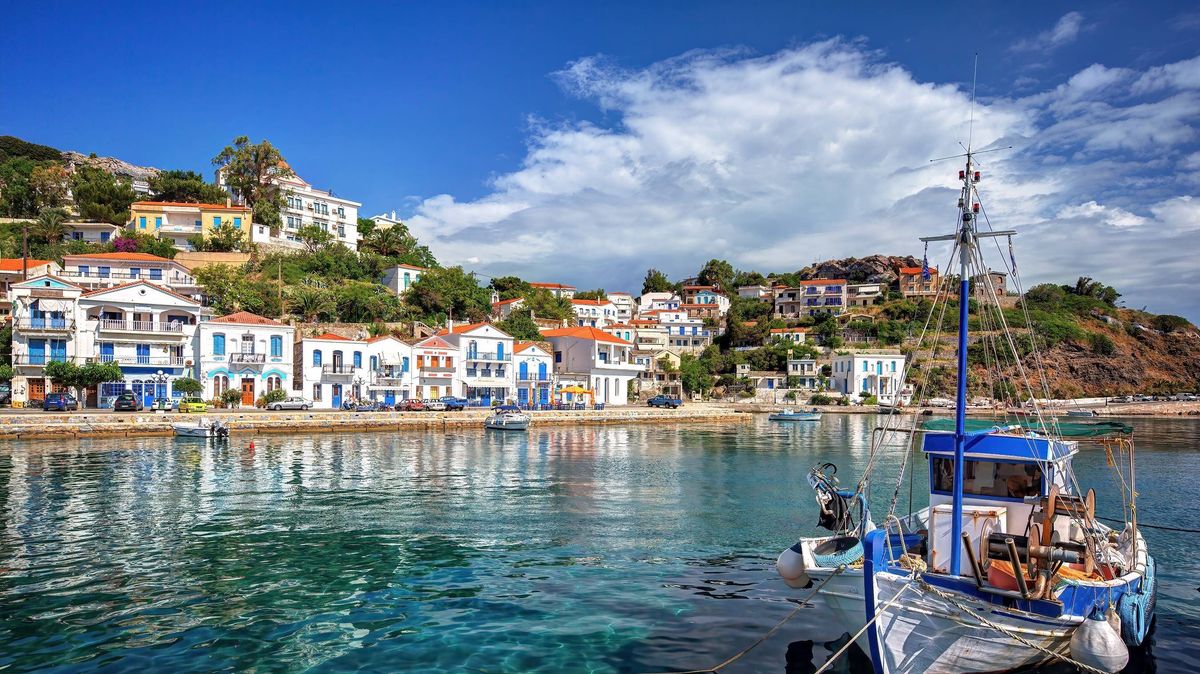
The stunning Greek island is a blue zone where one in three residents live to 90 – scientists have uncovered their longevity secrets including Mediterranean diet, afternoon naps and stress-free living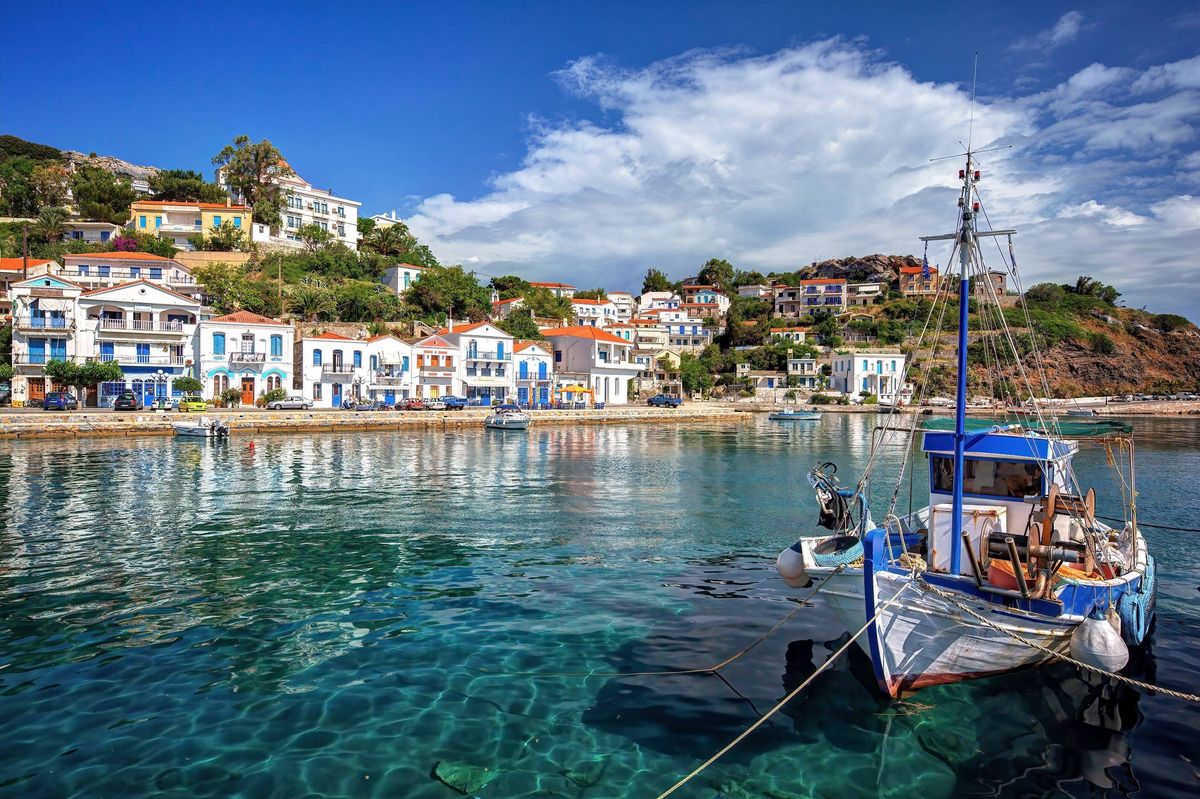
Traditional village of Evdilos, in Ikaria island(Image: Lemonan via Getty Images)
A remote Greek island features pristine turquoise waters, naturally occurring hot springs – and what many consider to be amongst the world’s most enduring populations.
Spanning 99 square miles, the island of Ikaria claims to host more people in their nineties than any other location worldwide.
Research indicates that approximately one in every three inhabitants of this stunning island survives to celebrate their 90th birthday.
Unsurprisingly, researchers have been working to decode the mystery behind these elderly residents’ extraordinary lifespan – discovering hints in their Mediterranean eating habits, post-lunch siestas and vigorous intimate relationships continuing well beyond retirement age.
Experts in human cultures have consistently advocated for fresh, nutritious Mediterranean cuisine, abundant in seafood and olive oil, as a formula for extended and robust living, reports the Express.
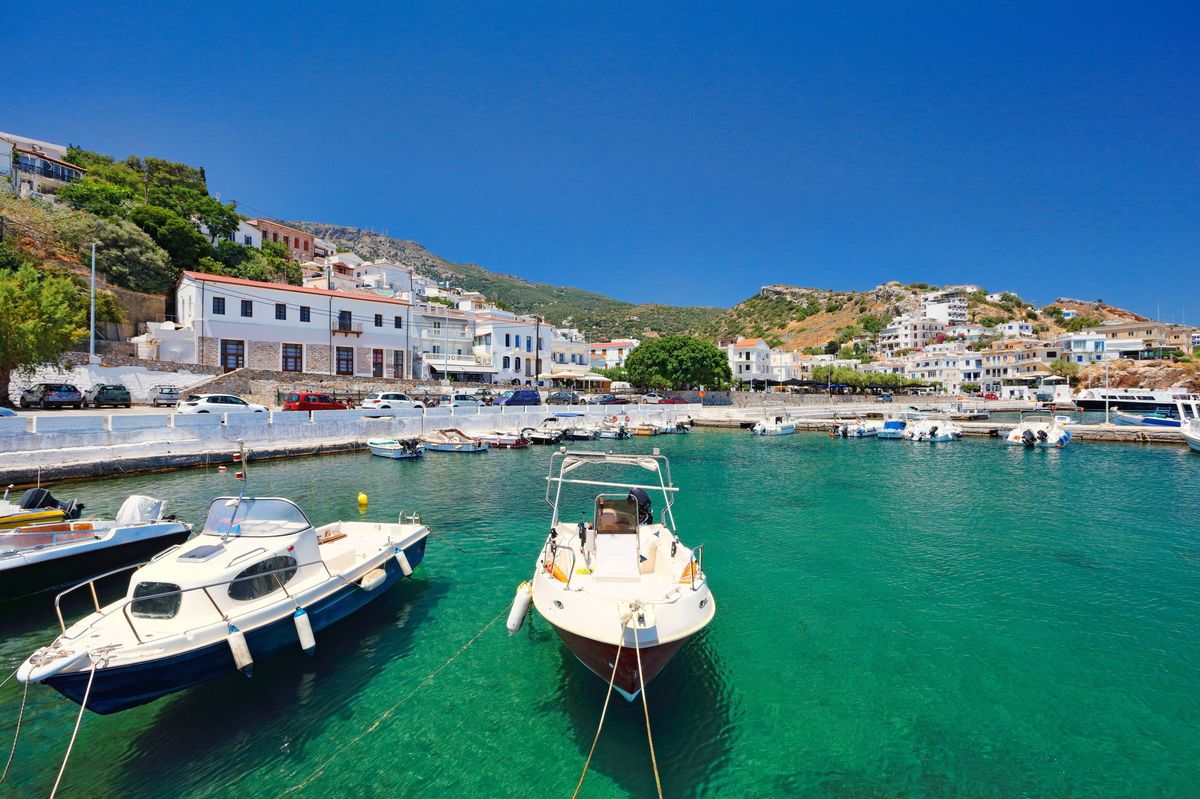
The port of Agios Kirykos in Ikaria island, Greece(Image: Constantinos-Iliopoulos via Getty Images)
The term “blue zone” describes areas dotted around the world where communities are believed to experience the greatest longevity.
Together with Ikaria, located in the Aegean Sea, researchers have pinpointed the planet’s blue zones as encompassing – Okinawa, a Japanese island reportedly housing the globe’s most long-lived female population, the Nicoya Peninsula in Costa Rica, where death rates amongst the middle-aged proved markedly beneath the norm, and Sardinia, Italy’s beloved holiday destination.
Backed by National Geographic, Dan Buettner, a bestselling writer and expert on longevity, alongside his team of demographic specialists, has spent recent years investigating blue zones, including Ikaria, in an effort to discover the secrets behind their remarkable lifespans.
In a 2012 New York Times article detailing his journey to the island – while recognising that earlier assertions about long-lived populations had often been disproved – Buettner observed that Ikaria’s standing remained steadfast.
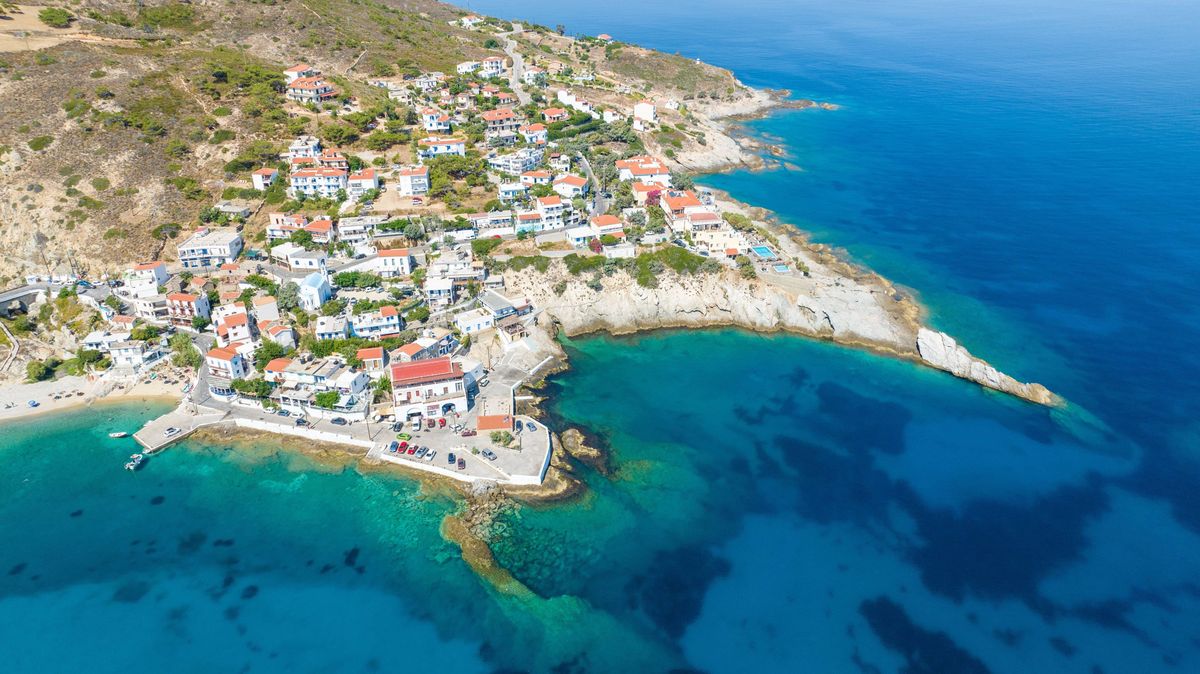
Small town of Armenistis on Ikaria island, Greece(Image: George Pachantouris via Getty Images)
Investigators found that record-keeping in particular villages celebrated for residents’ longevity meant many inhabitants were actually uncertain of their own ages.
Moreover, certain locations discovered that their reputations for longevity drew in tourists.
Nevertheless, researchers in Greece found robust documentation supporting Ikaria’s assertions of a population with extended lifespans.
They determined that inhabitants reached 90 at two-and-a-half times the frequency that Americans do.
Multiple subsequent studies revealed the island’s villagers enjoyed comparatively superior health, living longer before experiencing cancer, cardiovascular disease, dementia and depression.
Research conducted by the University of Athens School of Medicine examined the eating habits of hundreds of Ikarians, showing they consumed significant amounts of beans and fish – while eating meat approximately five times monthly.
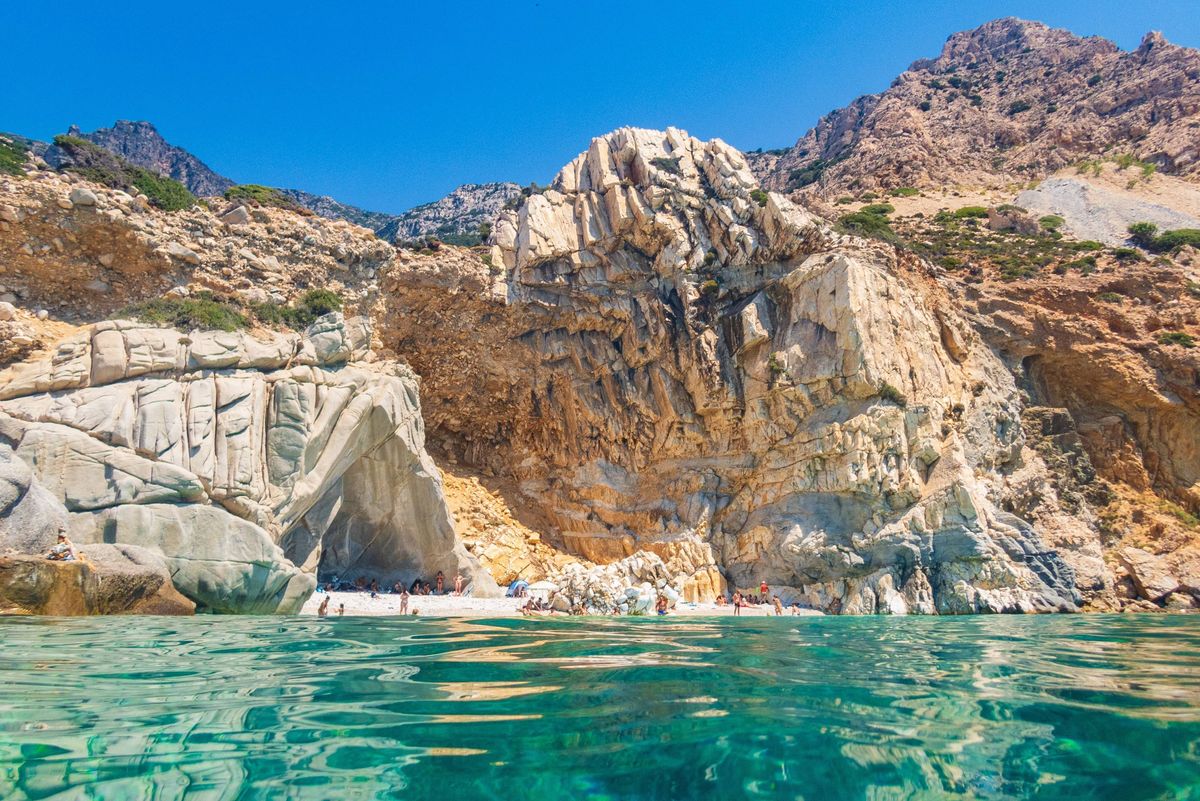
This is a photo of the popular Seychelles beach on Ikaria island, Greece(Image: George Pachantouris via Getty Images)
The Ikaria Study also discovered that older islanders followed a diet minimal in refined sugar yet rich in olive oil. Investigators observed that the island’s residents typically drank between two and three cups of coffee alongside two to four glasses of wine daily.
Conversations conducted by Mr Buettner’s team of researchers found that inhabitants followed eating patterns notably lacking in saturated fats – the type present in meat and dairy products linked to cardiovascular disease – while consuming abundant quantities of antioxidant-rich, chemical-free vegetables grown in personal plots.
The residents’ use of raw olive oil was thought to boost beneficial cholesterol levels, while their nutritional intake featured goat’s milk in feta cheese, which contains tryptophan – a substance that triggers production of serotonin, often referred to as the ‘happy chemical’.
The Ikaria Study demonstrated that amongst the most significant factors contributing to longevity and life satisfaction could be surprisingly simple: the island’s population also seemed to experience minimal stress in their daily existence.
Scientists found that the vast majority of the eldest inhabitants maintained consistent physical exercise, nutritious dietary practices, abstained from tobacco use, enjoyed active social engagement, took regular afternoon rest periods – and displayed exceptionally low rates of depression.
Yet Mr Buettner’s team’s expedition to the island uncovered an additional revealing insight into their prolonged, satisfying existences.
Throughout conversations held with Ikarians beyond the age of 90 – the overwhelming majority stated they continued to maintain active intimate relationships.
Dining and Cooking