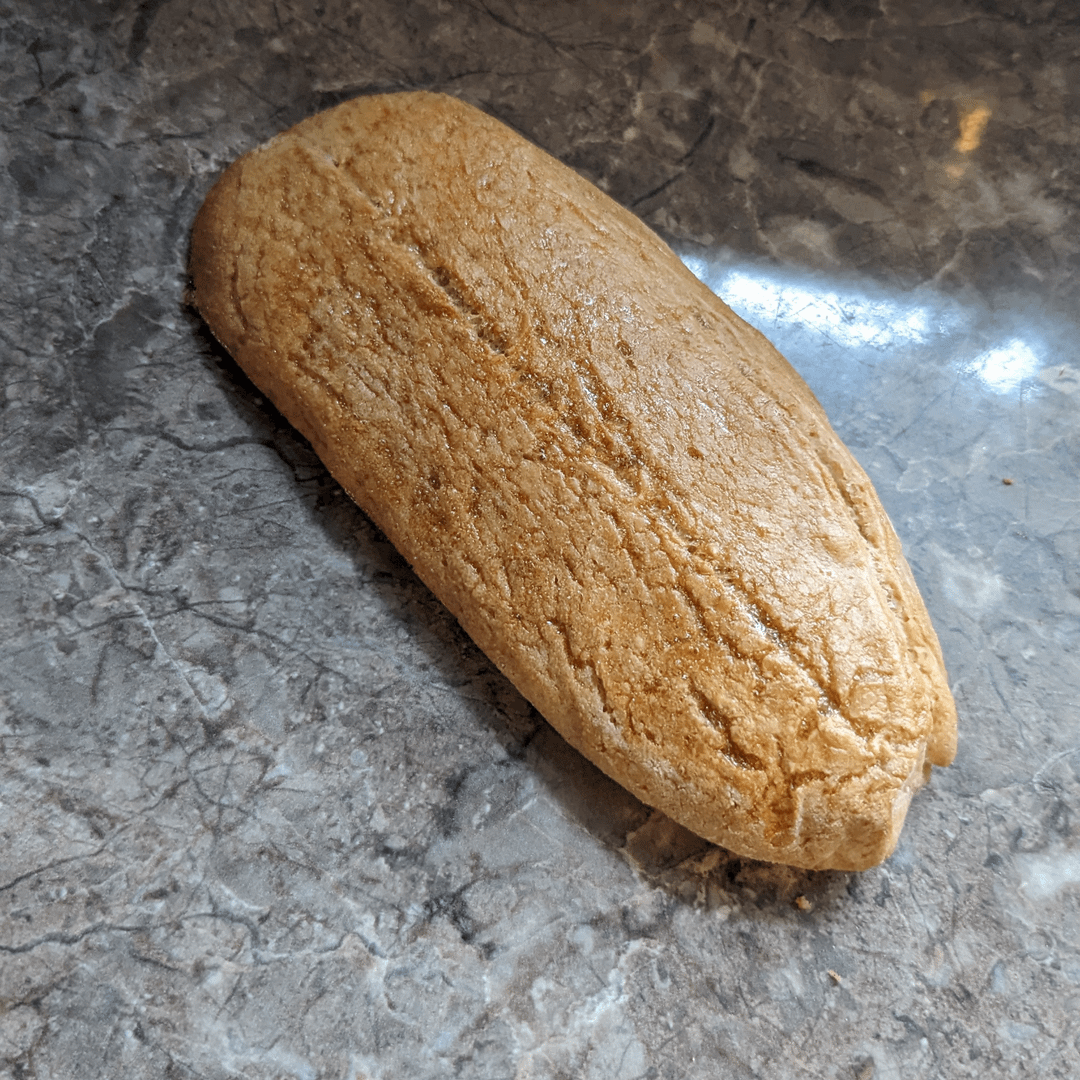
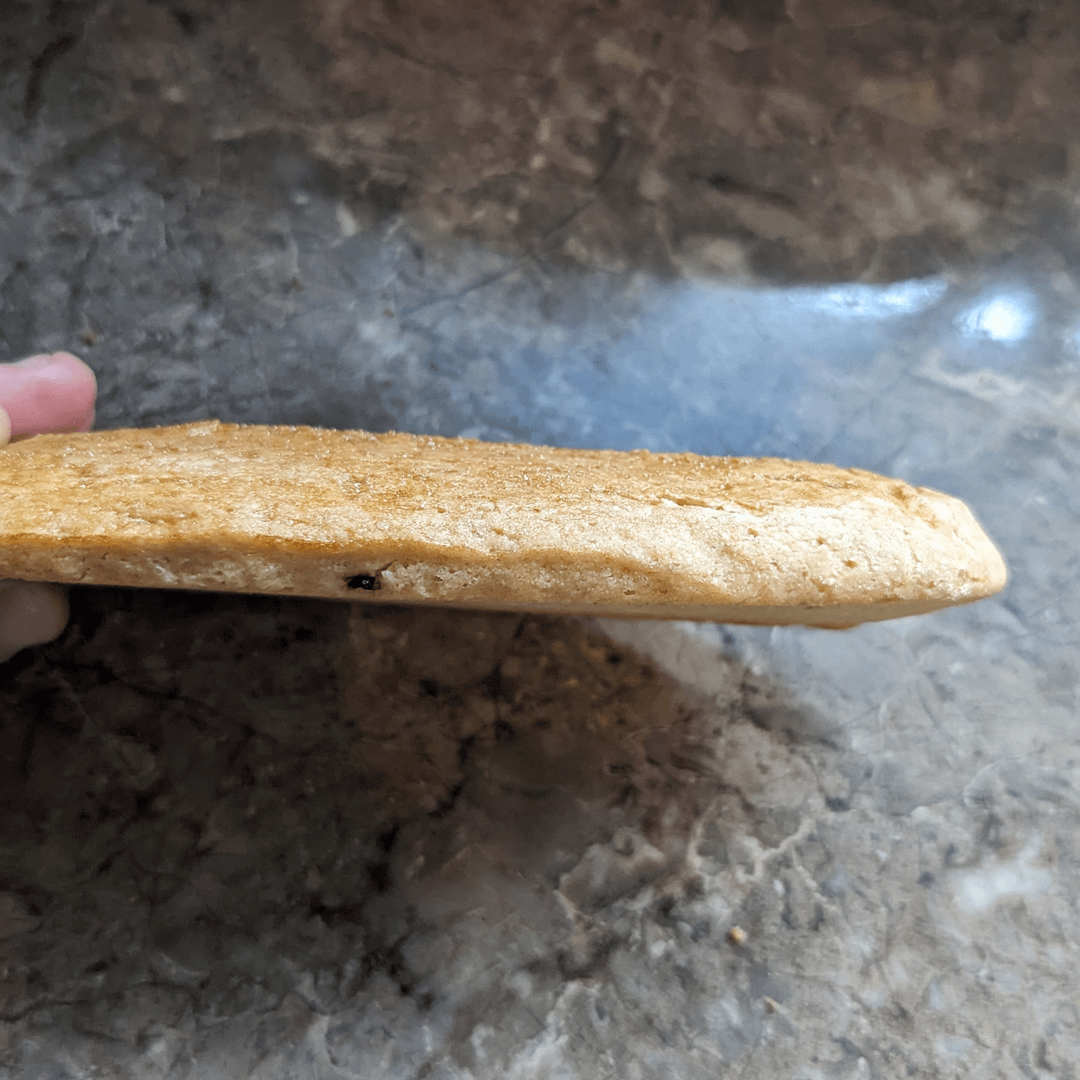
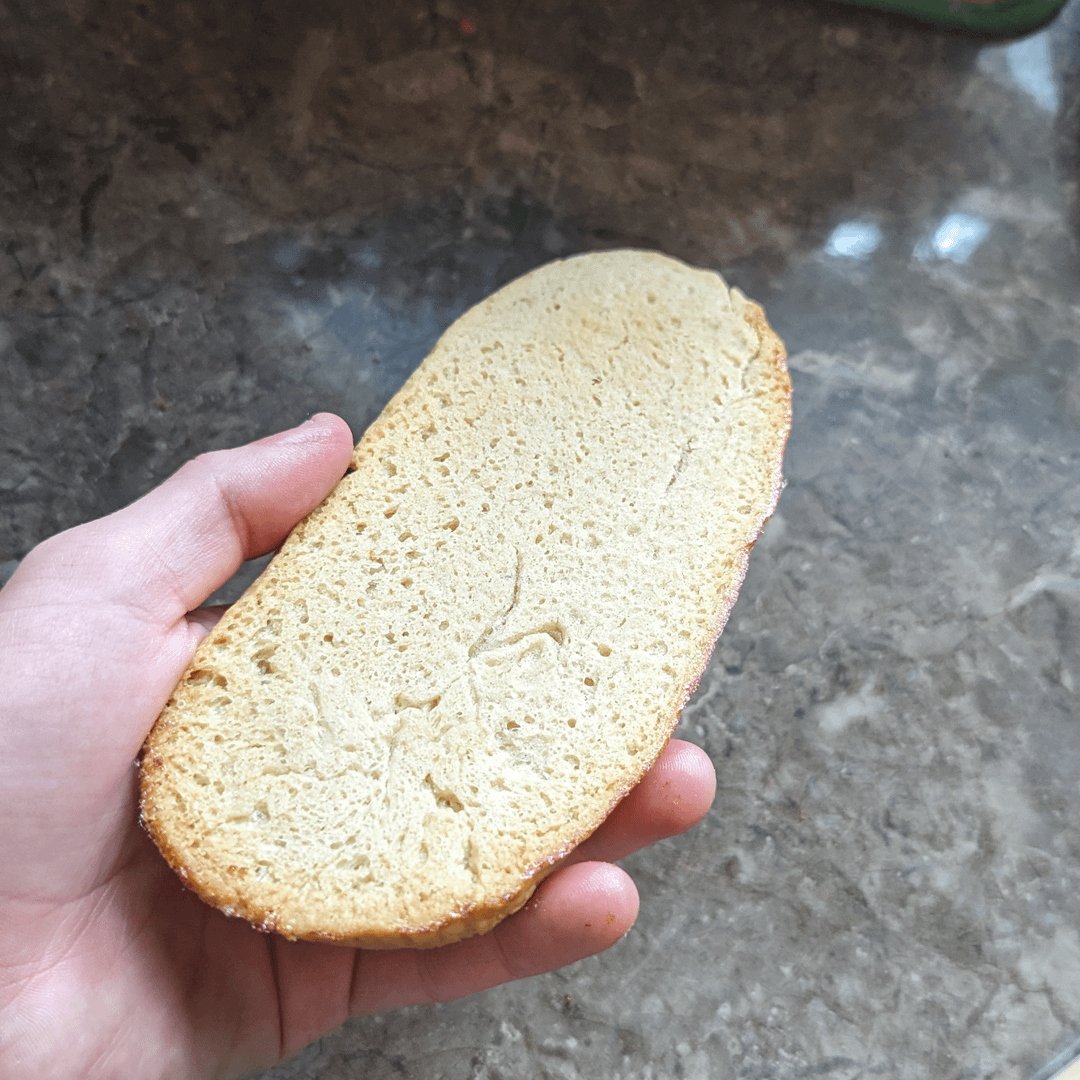
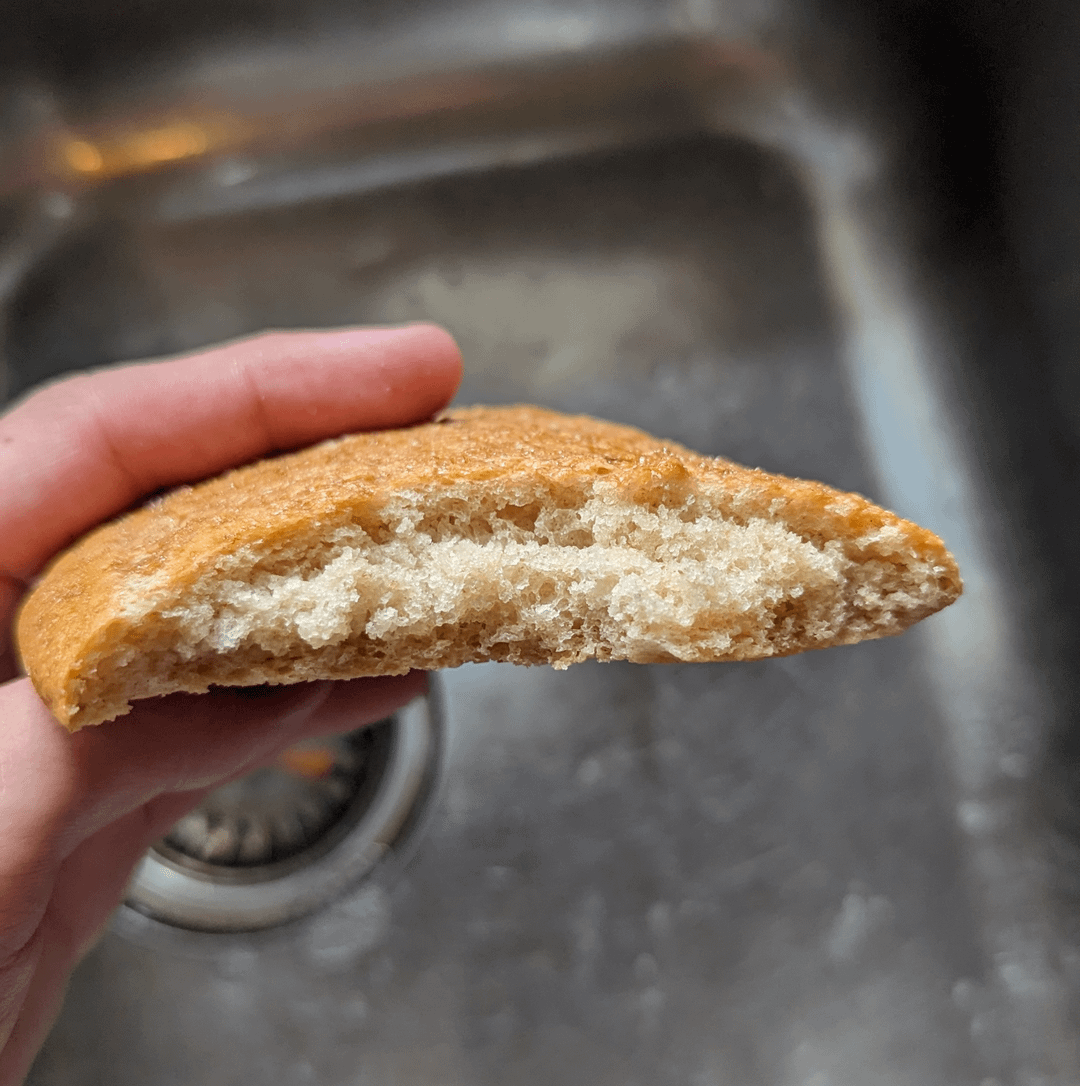
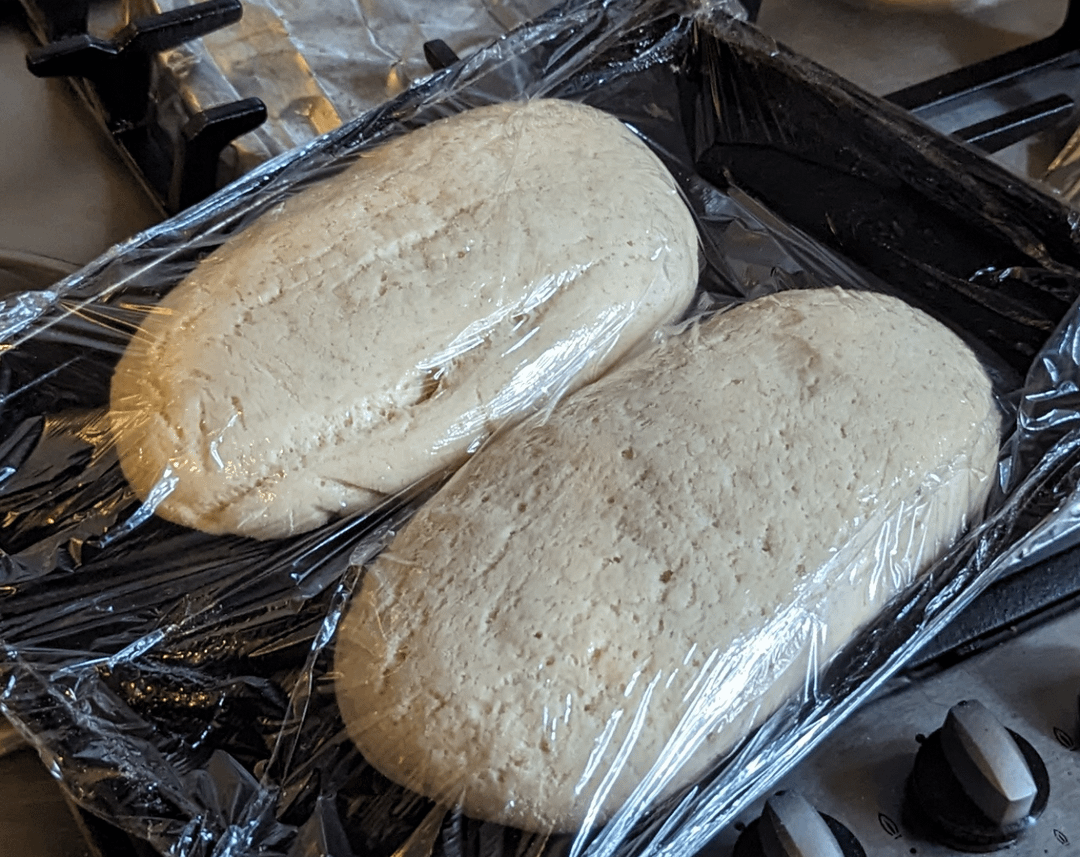
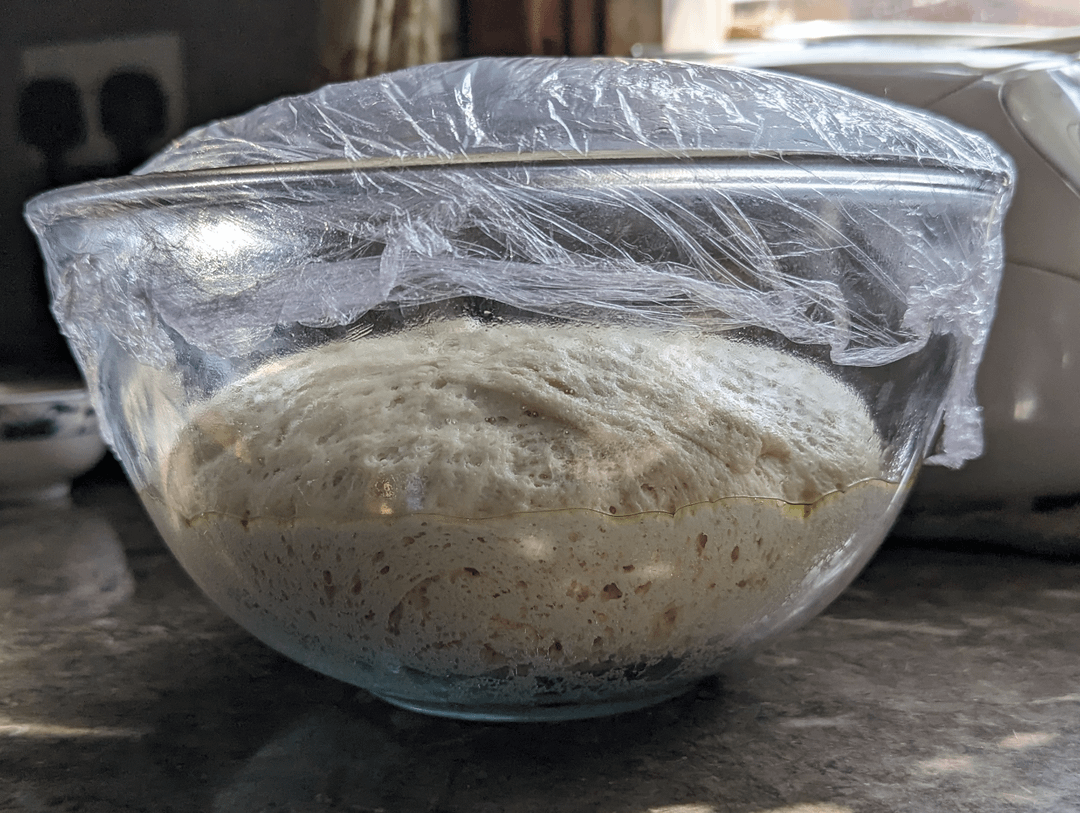
I’m defeated 😅. I have tried making bread so many times, but each time it ends up looking like this. I was patient with the rising, and properly let it ferment and rise as much as the recipe called for. Does anyone have any guidance? Did I not knead it enough?
Thank you in advance for any help. I’m usually a really good cook, but I think I must be the most hopeless baker in the world.
by PhysicalBeef
27 Comments
TinkHell
My first thought is your yeast. Is it expired? Is the water too hot and killing the yeast? Or not hot enough so it doesn’t activate? Are you using adequate sugar to feed it?
gisulih
Can you share the recipe for clues?
opalsilk
To me the dough looks over proofed and/or too wet. I would try reducing the amount of time you’re proofing the dough, or adjust your flour to water ratio – 5:3 is the standard for bread. Dough should also only rest/proof 2-3 times, once after it’s been made then again after it’s been divided or shaped just depends on what you’re making.
Kind-Brush-6001
What kind of bread are you looking to make? Try looking up sourdough, and notice how the workflow is here – you’ll likely run into some terms such as stretch and fold, coil folds and autolysis which are very useful techniques to apply to yeasted bread as well.
My advice is to stick to a common recipe; water, salt yeast and flour. Most recipes will tell you to proof for x amount of time, but truth is time isn’t a good way to measure fermentation of bread. It varies too much in climate and temperature.
Instead, I’d advice to do the bulk fermentation in a transparent container which will allow you to see what’s going on.
My daily recipe is.. 500g bread flour (12g protein / 100 grams) 350g water. 10g salt 0.5g dry yeast. I proof until it’s raised by 30-40%, then shape and into a banneton for the night. Bake next morning.
I find it better to use a small amount of yeast and proof for a longer time, as it limits the chances of over proofing.
Are you using a mixer or going by hand?
SugarMaven
Overproofed. You’re looking for benchmarks not time. If it’s proofed in 45 minutes, then move to the next step, don’t wait for a full hour to pass.
alligatorsinmahpants
Maybe you were too rough with your kneading? Sometimes people use the phrase ‘punch down the dough’ and so someone really takes that to mean be rough. ‘Press’ is a more accurate term. You gently press it. Knead it, don’t pound it.
Can I suggest a book? Bread Illustrated by America’s Test Kitchen goes step by step from basics to complex breads. Especially the first 30 pages are an amazing overview of the technical side of what is happening. Don’t skip the intro.
I think you over kneaded it. Do you have a mixer or is it all by hand?
Hollylittledoll
Air temp and humidity really matter when you’re proofing. It’s possible you’re not meeting your environment halfway when adjusting your proofing time. Are you proofing out on your counter? Or in an enclosed space like an oven or proofing box?
It also looks like you don’t have much “bread thread” the whispy connection between bread layers that is signs of good gluten development, so perhaps you are moving through the stages of proofing too quickly. Practice is the picky way to get better, and make sure to take notes along with pictures. Maybe check in with a local bakery on how they handle proofing in your area. You might find a new friend to share this hobby with at the library too!
Background_Guest2398
Several things come to mind here. Your dough looks very poorly shaped and not kneaded enough. As its proofing it should be pretty smooth and yours looks like you mixed it until it just came together. You havent developed much of a gluten network as a result which I think has caused this to heavily degas. I think this is a bigger problem than overproofing. The other major issue with time-based recipes is the yeast activity is going to be heavily influenced by the temperature of the water and the temperature of the environment. If you’re using lune warm water and its warm/humid in your kitchen, you could be overproofed at 45 minutes. If your water is cold on the other hand you could be underproofed at 1.5hrs. This is why you simply cannot go off of time unless you control for that, which few recipes do.
clandestinebirch
Are you at a particularly high altitude? If so, that could be making your bread seem sufficiently proofed when it’s actually not
soysybil
I agree with the commenters saying overproofed. If you’re having trouble with a King Arthur recipe, you can always try the baker hotline that’s linked at the bottom of the recipe. The people are very knowledgeable and can likely help you troubleshoot.
IReallyLikeMooses
I wanted to say I wholeheartedly laughed at the side angle view, because I too have done this!
It’s ok though, you can try try again!
It appears you allowed to rise too long (over proofing). Nonetheless, keep going! You can smile at these oops later on and maybe get a good chuckle!
teddybear65
Make ciabatta and specifically use Paul Hollywood’s recipe. It’s one of my most favorite breads to make it doesn’t take any needing. I have never had it turned out 100%. I make small loaves to use for sandwiches because it’s a pretty flat bread but it makes a great sandwich that you share with other people look it up it was very good
electriclevv
Definitely over proofed. I worked in a bakery for 4 years. Recognizing when your bread is done proofing is just a thing you will come to learn over time.
HeartOfAzrael
Me: first picture, not so bad… Me: second picture OMG it’s FLAT
QuickGemini88
It kind of looks like a shaping issue to me so I would consider looking into that
GabbyIsBaking
It’s definitely overproofed, but you also didn’t knead it enough. I can tell from the picture of the dough rising – the top should be smooth, but it’s looking rough and stringy. If you don’t develop the gluten enough, it’ll never hold its shape, and overproofing will exacerbate the issue.
hmmngbrd37
I agree that it looks overproved. Is it really hot where you are? I have to be careful baking bread in the summer because everything rises really quickly. I’d be screwed if I followed the time given in the recipe.
42Daft
Your water might be too hot and killing off the yeast. I would look at another recipe.
For a basic white bread recipe, I use flour, yeast, butter, milk, sugar, and salt, and I have never had a problem.
What altitude are you baking in? That might have some to do with it.
vibes86
When you mix the ingredients together, are you mixing until barely combined or are you mixing until everything is completely mixed?
gentiscid
Nice biscotti!!!
colleendeschotz
Hardtack. Sell it to a pirate?
kineticstar
Going by your last two pictures, you may have dead yeast. It looks like the proof didn’t expand the dough. Sometimes, yeast can sit for too long, and it won’t activate. You may want to start there.
No_Delay3098
Are u sire u using bread flour usually its strong flour

27 Comments
My first thought is your yeast. Is it expired? Is the water too hot and killing the yeast? Or not hot enough so it doesn’t activate? Are you using adequate sugar to feed it?
Can you share the recipe for clues?
To me the dough looks over proofed and/or too wet. I would try reducing the amount of time you’re proofing the dough, or adjust your flour to water ratio – 5:3 is the standard for bread. Dough should also only rest/proof 2-3 times, once after it’s been made then again after it’s been divided or shaped just depends on what you’re making.
What kind of bread are you looking to make?
Try looking up sourdough, and notice how the workflow is here – you’ll likely run into some terms such as stretch and fold, coil folds and autolysis which are very useful techniques to apply to yeasted bread as well.
My advice is to stick to a common recipe; water, salt yeast and flour. Most recipes will tell you to proof for x amount of time, but truth is time isn’t a good way to measure fermentation of bread. It varies too much in climate and temperature.
Instead, I’d advice to do the bulk fermentation in a transparent container which will allow you to see what’s going on.
My daily recipe is..
500g bread flour (12g protein / 100 grams)
350g water.
10g salt
0.5g dry yeast.
I proof until it’s raised by 30-40%, then shape and into a banneton for the night. Bake next morning.
I find it better to use a small amount of yeast and proof for a longer time, as it limits the chances of over proofing.
Are you using a mixer or going by hand?
Overproofed. You’re looking for benchmarks not time. If it’s proofed in 45 minutes, then move to the next step, don’t wait for a full hour to pass.
Maybe you were too rough with your kneading? Sometimes people use the phrase ‘punch down the dough’ and so someone really takes that to mean be rough. ‘Press’ is a more accurate term. You gently press it. Knead it, don’t pound it.
Can I suggest a book? Bread Illustrated by America’s Test Kitchen goes step by step from basics to complex breads. Especially the first 30 pages are an amazing overview of the technical side of what is happening. Don’t skip the intro.
I’ve had great results with Gemma Stafford recipes. So easy. https://m.youtube.com/watch?v=YbWalFVKXeo
https://frugalfitmom.net/recipes-1/2020/2/12/crusty-no-knead-bread
You got yourself some cellulite bread…
I think you over kneaded it. Do you have a mixer or is it all by hand?
Air temp and humidity really matter when you’re proofing. It’s possible you’re not meeting your environment halfway when adjusting your proofing time. Are you proofing out on your counter? Or in an enclosed space like an oven or proofing box?
It also looks like you don’t have much “bread thread” the whispy connection between bread layers that is signs of good gluten development, so perhaps you are moving through the stages of proofing too quickly. Practice is the picky way to get better, and make sure to take notes along with pictures. Maybe check in with a local bakery on how they handle proofing in your area. You might find a new friend to share this hobby with at the library too!
Several things come to mind here. Your dough looks very poorly shaped and not kneaded enough. As its proofing it should be pretty smooth and yours looks like you mixed it until it just came together. You havent developed much of a gluten network as a result which I think has caused this to heavily degas. I think this is a bigger problem than overproofing. The other major issue with time-based recipes is the yeast activity is going to be heavily influenced by the temperature of the water and the temperature of the environment. If you’re using lune warm water and its warm/humid in your kitchen, you could be overproofed at 45 minutes. If your water is cold on the other hand you could be underproofed at 1.5hrs. This is why you simply cannot go off of time unless you control for that, which few recipes do.
Are you at a particularly high altitude? If so, that could be making your bread seem sufficiently proofed when it’s actually not
I agree with the commenters saying overproofed. If you’re having trouble with a King Arthur recipe, you can always try the baker hotline that’s linked at the bottom of the recipe. The people are very knowledgeable and can likely help you troubleshoot.
I wanted to say I wholeheartedly laughed at the side angle view, because I too have done this!
It’s ok though, you can try try again!
It appears you allowed to rise too long (over proofing). Nonetheless, keep going! You can smile at these oops later on and maybe get a good chuckle!
Make ciabatta and specifically use Paul Hollywood’s recipe. It’s one of my most favorite breads to make it doesn’t take any needing. I have never had it turned out 100%. I make small loaves to use for sandwiches because it’s a pretty flat bread but it makes a great sandwich that you share with other people look it up it was very good
Definitely over proofed. I worked in a bakery for 4 years. Recognizing when your bread is done proofing is just a thing you will come to learn over time.
Me: first picture, not so bad…
Me: second picture OMG it’s FLAT
It kind of looks like a shaping issue to me so I would consider looking into that
It’s definitely overproofed, but you also didn’t knead it enough. I can tell from the picture of the dough rising – the top should be smooth, but it’s looking rough and stringy. If you don’t develop the gluten enough, it’ll never hold its shape, and overproofing will exacerbate the issue.
I agree that it looks overproved. Is it really hot where you are? I have to be careful baking bread in the summer because everything rises really quickly. I’d be screwed if I followed the time given in the recipe.
Your water might be too hot and killing off the yeast. I would look at another recipe.
For a basic white bread recipe, I use flour, yeast, butter, milk, sugar, and salt, and I have never had a problem.
What altitude are you baking in? That might have some to do with it.
When you mix the ingredients together, are you mixing until barely combined or are you mixing until everything is completely mixed?
Nice biscotti!!!
Hardtack. Sell it to a pirate?
Going by your last two pictures, you may have dead yeast. It looks like the proof didn’t expand the dough. Sometimes, yeast can sit for too long, and it won’t activate. You may want to start there.
Are u sire u using bread flour usually its strong flour