
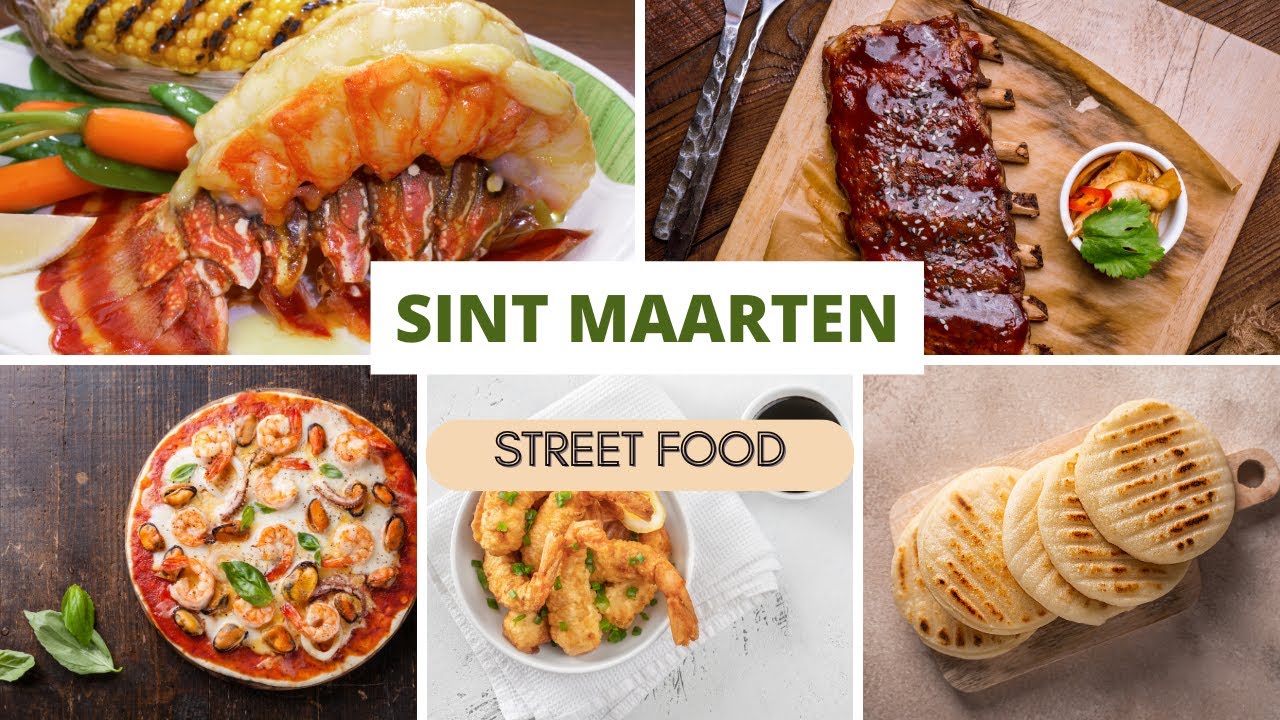
top street food in sint maarten best street foodin sint maarten
Sint Maarten, a small island in the Caribbean, is known for its vibrant street food scene that combines a rich mix of flavors from various cultures, including Dutch, French, Caribbean, and more. Here are 5 street foods you can enjoy in Sint Maarten:
Grilled Lobster: Fresh lobster tails are grilled and served with butter and garlic, creating a mouthwatering seafood treat.
Barbecue Ribs: Succulent ribs cooked with a flavorful barbecue sauce, often served with sides like coleslaw and cornbread.
Seafood Pizza: Unique to Sint Maarten, seafood pizza features an abundance of fresh seafood like shrimp, lobster, and mussels as toppings.
Coconut Shrimp: Large shrimp coated in shredded coconut and deep-fried, served with a dipping sauce.
Arepas: A Venezuelan dish made from cornmeal and filled with various ingredients like cheese, meats, or vegetables.
Sint Maarten’s street food scene offers a delightful fusion of flavors and dishes, and you’ll have the opportunity to sample a wide range of international and local culinary delights when visiting the island.
00:00 intro
00:04 Grilled Lobster
02:27 Barbecue Ribs
05:13 Seafood Pizza
07:53 Coconut Shrimp
10:32 Arepas
_______________________________________________
#grilled_lobster
#barbecue_ribs
#seafoodpizza
#coconut_shrimp
#arepas
#sint_maarten
Passion Travel is a channel specializing in all things Travel Street food and subscribe if you like the content. Grilled Lobster. Fresh lobster tails are grilled and served with butter and garlic, creating a mouthwatering seafood treat. Grilled lobster is a delectable and indulgent seafood dish that’s enjoyed in many coastal regions around the world.
Lobster, with its sweet and tender meat, takes on a delightful smokiness and charred flavor when grilled. Here’s how to prepare grilled lobster. Ingredients Lobster You’ll need fresh lobster tails or whole lobsters, depending on your preference. If using whole lobsters, they are
Typically split in half for easier grilling. Butter or olive oil Butter or olive oil is used to baste the lobster and keep it moist during grilling. Seasonings Common seasonings for grilled lobster include garlic, lemon juice, fresh
Herbs like parsley or tarragon, salt, and pepper. Some people like to add a pinch of paprika or cayenne pepper for extra flavor. Instructions Prepare the lobster. If you’re using whole lobsters, use a sharp knife or kitchen shears to split them in half lengthwise. If using lobster tails, leave them whole.
Preheat the grill. Preheat your grill to medium-high heat. The grill grates should be clean and lightly oiled to prevent sticking. Season the lobster. Drizzle the lobster with olive oil or brush it with melted butter. Season the lobster with salt, pepper, and any other desired seasonings. Squeeze lemon juice over the lobster
For added flavor. Grill the lobster. Place the lobster tails or halves, shell side down, on the grill. Cook them for about 5-7 minutes per side, or until the meat is opaque and the shells are charred. Baste the lobster with more melted butter or olive oil during grilling to keep it moist and
Enhance the flavor. Serve. Once the lobster is grilled to perfection, remove it from the grill and serve immediately. You can garnish it with fresh herbs and lemon wedges for extra appeal. Optional variation. If you prefer, you can marinate the lobster in a mixture of olive oil, garlic, herbs, and lemon juice for an
Hour or two before grilling for even more flavor. Grilled lobster is often served with side dishes like coleslaw, corn on the cob, or a simple salad to create a complete and satisfying seafood meal. The smoky and slightly charred flavor from the grill, combined with the
Lobster’s natural sweetness, makes this dish a true culinary delight. Barbecue ribs. Succulent ribs cooked with a flavorful barbecue sauce, often served with sides like coleslaw and cornbread. Barbecue ribs are a beloved and iconic dish in the United States and many other parts of the world.
They are known for their tender, succulent meat and rich, smoky flavor. Barbecue ribs can be prepared in various styles, but the most famous are typically associated with southern barbecue traditions. Here’s a basic guide to making barbecue ribs. Ingredients Ribs. Pork ribs are the most
Common choice for barbecue, and you can use either spare ribs or baby back ribs. Beef ribs are also popular, especially in Texas-style barbecue. Rub. A dry rub is applied to the ribs to season them. The rub typically contains a mix of ingredients like paprika, brown sugar, salt, pepper, garlic powder, onion powder,
Cayenne pepper, and other spices. Barbecue sauce Barbecue sauce is used for basting and finishing the ribs. There are various types of barbecue sauces, including sweet, spicy, tangy, and smoky varieties. You can use store-bought or make your own. Instructions Prepare the ribs.
Start by removing the membrane from the back of the ribs, if using spare ribs. This helps the rub and smoke penetrate the meat more effectively. Trim any excess fat from the ribs as well. Apply the rub. Generously coat the ribs with the dry rub, ensuring that the seasoning adheres to the meat.
Massage it in, and let the ribs sit for at least 30 minutes or up to overnight in the refrigerator to allow the flavors to penetrate the meat. Preheat the grill or smoker. Preheat your grill or smoker to a temperature between 225°F to 250°F, 107°C to 121°C.
For wood, use hardwoods like hickory, oak, or apple, depending on your flavor preference. Indirect cooking. For indirect grilling, place the ribs on the side of the grill opposite the heat source. If using a smoker, arrange the ribs on the racks. Low and slow cooking. BBQ ribs are traditionally cooked, low and slow.
This means you cook them at a low temperature for an extended period, typically 3-5 hours, or even longer for really tender ribs. Basting and mopping. Throughout the cooking process, baste the ribs with barbecue sauce every 30 minutes or so. This helps develop a sticky, flavorful glaze. Be mindful of not over-saturating the meat,
As you want the sauce to caramelize nicely. Done-ness. Ribs are ready when the meat pulls away from the bone and is tender. You can also use a meat thermometer. Ribs are done at about 190 degrees Fahrenheit, 88 degrees Celsius. Seafood pizza.
Unique to Sint Maarten, seafood pizza features an abundance of fresh seafood like shrimp, lobster, and mussels as toppings. Seafood pizza is a delicious and popular pizza variety that features a medley of seafood as the primary toppings. While it’s not as common as traditional pizza varieties like pepperoni or margherita, seafood
Pizza is a favorite among seafood lovers. Here’s how to make a seafood pizza. Ingredients Pizza dough You can use store-bought pizza dough or make your own homemade dough. Sauce Tomato sauce or marinara sauce forms the base of the pizza. Some variations use white sauce or garlic and olive oil as a base.
Cheese. Mozzarella cheese is the most commonly used cheese, but you can also add other varieties like parmesan or provolone. Seafood toppings. Common seafood toppings include shrimp, clams, mussels, squid, scallops, and crabmeat. You can use a combination of these or choose your favorites. Herbs and seasonings.
Fresh basil, oregano, and garlic add aromatic flavors to the pizza. Olive oil. Drizzle some olive oil over the pizza before baking for extra flavor. Optional ingredients. Sliced black olives, red pepper flakes, and lemon zest can be added for extra flavor. Instructions. Preheat the oven.
Preheat your oven to the highest temperature it can go, usually around 500 degrees Fahrenheit, 260 degrees Celsius, with a pizza stone or baking sheet inside if available. Roll out the dough. Roll out the pizza dough into the desired shape and thickness on a floured surface. You can make it round or rectangular, depending
On your preference. Sauce and cheese. Spread a thin layer of tomato sauce or your chosen sauce over the dough, leaving a small border for the crust. Sprinkle a generous amount of shredded mozzarella cheese over the sauce. Seafood toppings. Arrange your seafood toppings evenly across the pizza.
Make sure they are cooked or prepped beforehand, as the short baking time won’t be sufficient to fully cook the seafood. Herbs and seasonings. Sprinkle fresh basil leaves, dried oregano, and minced garlic over the pizza. Drizzle a bit of olive oil over the toppings. Bake.
Carefully transfer the pizza onto the preheated pizza stone or baking sheet in the oven. Bake for about 10-12 minutes, or until the crust is golden and the cheese is bubbling and slightly browned. Serve. Remove the seafood pizza from the oven and let it cool for a minute or two.
Slice and serve while hot. Optional garnishes. You can add additional garnishes like red pepper flakes or a touch of lemon zest to enhance the flavor. Coconut shrimp. Large shrimp coated in shredded coconut and deep fried, served with a dipping sauce. Coconut shrimp is a popular and delicious appetizer or main dish
That features large shrimp coated in a crispy, sweet, and savory coconut batter. This dish is known for its delightful combination of flavors and textures. Here’s how to make coconut shrimp. Ingredients. Large shrimp, usually peeled and deveined. All-purpose flour for dredging. Eggs for an egg wash. Sweetened shredded coconut. Bread crumbs. Salt and pepper.
Optional seasonings like garlic powder, paprika, or cayenne for added flavor. Cooking oil, vegetable oil or canola oil, for frying. Dipping sauce, common options include sweet chili sauce, mango chutney, or a coconut-based sauce. Instructions Preparation Peel and devein the shrimp,
Leaving the tails on for an easy-to-hold shape. Season the shrimp with a pinch of salt and pepper or other seasonings of your choice. Set up a breading station with three shallow bowls, one with all-purpose flour, one with beaten eggs, and one with a mixture of sweetened shredded
Coconut and breadcrumbs in a one-to-one ratio. You can also season the coconut breadcrumb mixture with your preferred seasonings. Coating the shrimp. Dredge each shrimp in the flour, shaking off any excess. Dip the shrimp into the beaten eggs to coat them thoroughly. Roll the shrimp in the coconut breadcrumb mixture, pressing
Gently to ensure the coating adheres well. Repeat this process for all the shrimp. Chilling. Place the coated shrimp on a baking sheet and refrigerate them for about 30 minutes. Chilling helps the coating adhere better during frying. Frying.
Heat about 1 to 2 inches of cooking oil in a deep skillet or a frying pan to around 350 degrees Fahrenheit, 175 degrees Celsius. Carefully place the shrimp in the hot oil, a few at a time, ensuring not to overcrowd the pan. Fry them for 2 to 3 minutes on each side or
Until they turn golden brown and the shrimp are cooked through. You’ll know they’re done when they’re opaque and the coating is crispy. Draining and serving. Use a slotted spoon to remove the fried shrimp from the oil, allowing any excess oil to drain. Place the cooked coconut shrimp on a plate lined
With paper towels to absorb any remaining oil. Serving. Serve the coconut shrimp hot, typically with a dipping sauce of your choice. Sweet chili sauce or a tropical fruit chutney pairs exceptionally well with the sweetness of the coconut coating. Coconut shrimp is enjoyed as an appetizer or a
Main dish and is often served as part of a seafood platter or in combination with other dishes. It’s known for its Arepas, a Venezuelan dish made from cornmeal and filled with various ingredients like cheese, meats, or vegetables. Arepas are a beloved and versatile staple in
Colombian and Venezuelan cuisine, and they have gained popularity in many other parts of the world as well. Arepas are essentially flat, round, and unleavened bread made from ground maize dough or pre-cooked cornmeal. They can be served in various ways and are a delicious addition to any meal. Here’s how to make arepas. Ingredients.
Pre-cooked cornmeal, masa harina. You can find this in most Latin American or international grocery stores. It’s specifically made for arepas. Warm water. Use warm water to form the dough. Salt. A pinch of salt is added to enhance the flavor. Cooking oil. A little bit of oil for frying, optional. Instructions. Prepare the dough.
In a mixing bowl, combine the pre-cooked cornmeal, masa harina, and a pinch of salt. Slowly add warm water to the cornmeal while stirring. Continue to add water until the dough comes together and is moist but not sticky.
It should hold its shape when formed into a ball. The exact amount of water may vary, so add it gradually. Knead the dough. Knead the dough with your hands for a few minutes until it’s smooth and pliable. Shape the arepas. Divide the dough into equal portions,
Usually making small balls about the size of a golf ball or larger, depending on your preference. Flatten each ball with your hands to create a disc about one half to three quarters inch thick. You can make them round or slightly oval. Cook the arepas.
Heat a griddle, non-stick skillet, or frying pan over medium-high heat. If desired, lightly brush the cooking surface with oil. Place the shaped arepas on the hot griddle or pan and cook them for about four to five minutes on each side. They should develop a golden brown crust and
Sound hollow when tapped. Finish cooking. After the initial pan frying, some people like to transfer the partially cooked arepas to a preheated oven at around 350 degrees Fahrenheit, 175 degrees Celsius, for about 10