
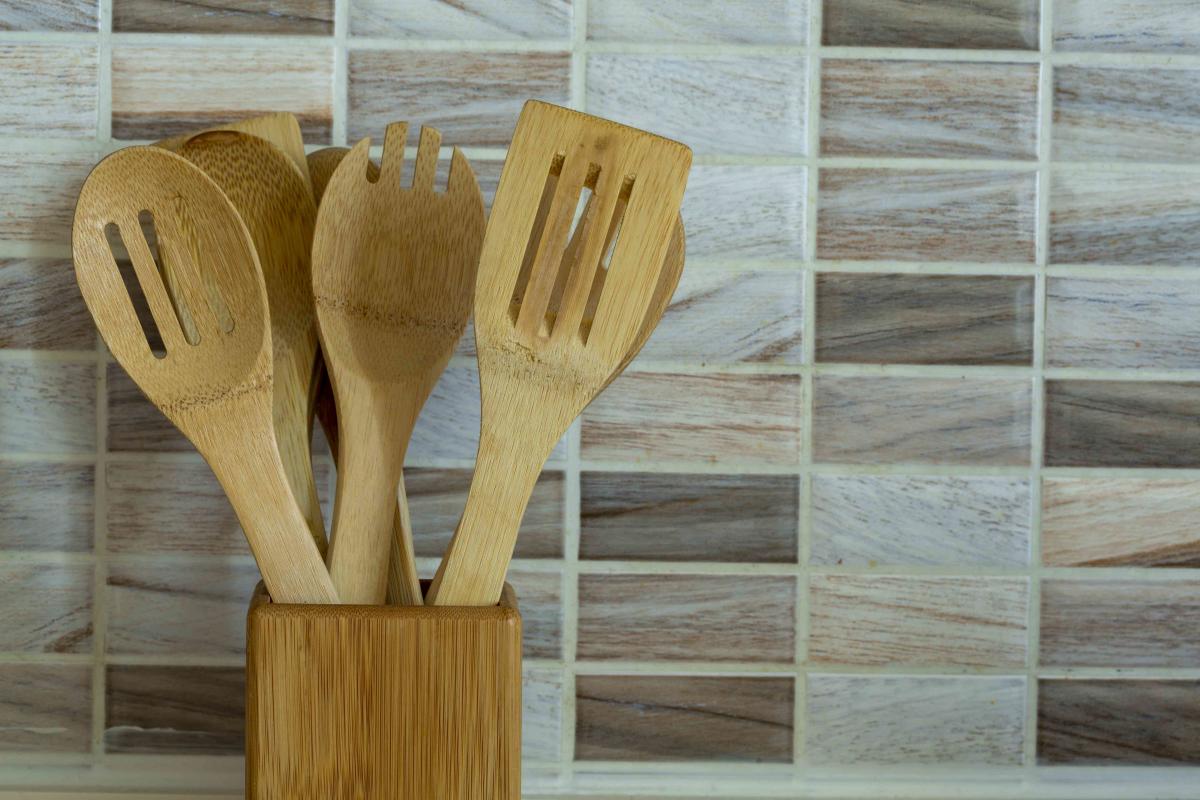

Wooden spoons have been used in kitchens for centuries. In fact, it’s believed that wooden spoons served a functional purpose as far back as the Paleolithic Era, and many home cooks treasure them today.
However, the question of whether wooden spoons are safe to cook with has come up from time to time and some of the information may be confusing. That’s why Southern Living consulted with food scientist and food engineer Dr. Bryan Quoc Le.
Author of the book 150 Food Science Questions Answered, Le studied the biological effect of savory flavors from plant-based sources at the University of Wisconsin, Madison, and has plenty to say on the values and virtues of cooking with wooden spoons.
Meet The ExpertAre Wooden Spoons Safe To Use While Cooking?
It’s totally safe to cook with wooden spoons, says Le. The caveat? “Avoid wooden spoons that are difficult to wash by hand, have been splintered or cracked, or have pores,” advises Le as this can result in food getting stuck in tiny crevices. If food particles do get stuck, then there’s a risk of microorganism growth.
The U.S. Food and Drug Administration explains it like this: “You must use equipment and utensils that are of appropriate design, construction, and workmanship to enable them to be suitable for their intended use and to be adequately cleaned and properly maintained.”
Thus, the construction and design of the wooden spoon is an important factor in its safety, and as a general rule of thumb, the higher the quality of the wooden spoon, the less likely it is to seriously deteriorate over use.
Related: Should You Use A Wooden Or Metal Spoon For Cooking?
Are Certain Types Of Wooden Spoons Safer Than Others?
There are a lot of wooden spoons out there, and Le says oak, pine, walnut, birch, and maple all have very good antimicrobial properties. Oak spoons are the “best against growing microbes,” Le adds.
But beyond the type of wood used to make a spoon, it’s essential to properly maintain and care for wooden spoons as this is a factor in making them safe to cook with. Most wooden spoons need to be hand washed, and Le suggests boiling the utensils on occasion to sterilize them and “destroy any biofilms that have built up.”
How To Care For Wooden Spoons
If you cook with meat and dairy regularly, Le suggests a monthly boil. If you use your wooden spoons daily, you should of course carefully wash them with hot water and soap after every use. Allowing wooden spoons to fully dry before storing them is important too. This can take up to 24 hours, depending on the thickness of the wood.
Be careful of cross-contamination and avoid dipping one wooden spoon used on chicken stir-fry into a pan of noodles or you risk the spread of bacteria.
Oftentimes, when you invest in good wooden spoons, the utensils will come with instructions about long-term care and maintenance. To prevent cracks and keep wooden spoons from aging and noticeable wear, you can oil them with a special wooden cutting board and spoon oil or other mineral oil.
Related: How To Clean Wooden Spoons
Read the original article on Southern Living