
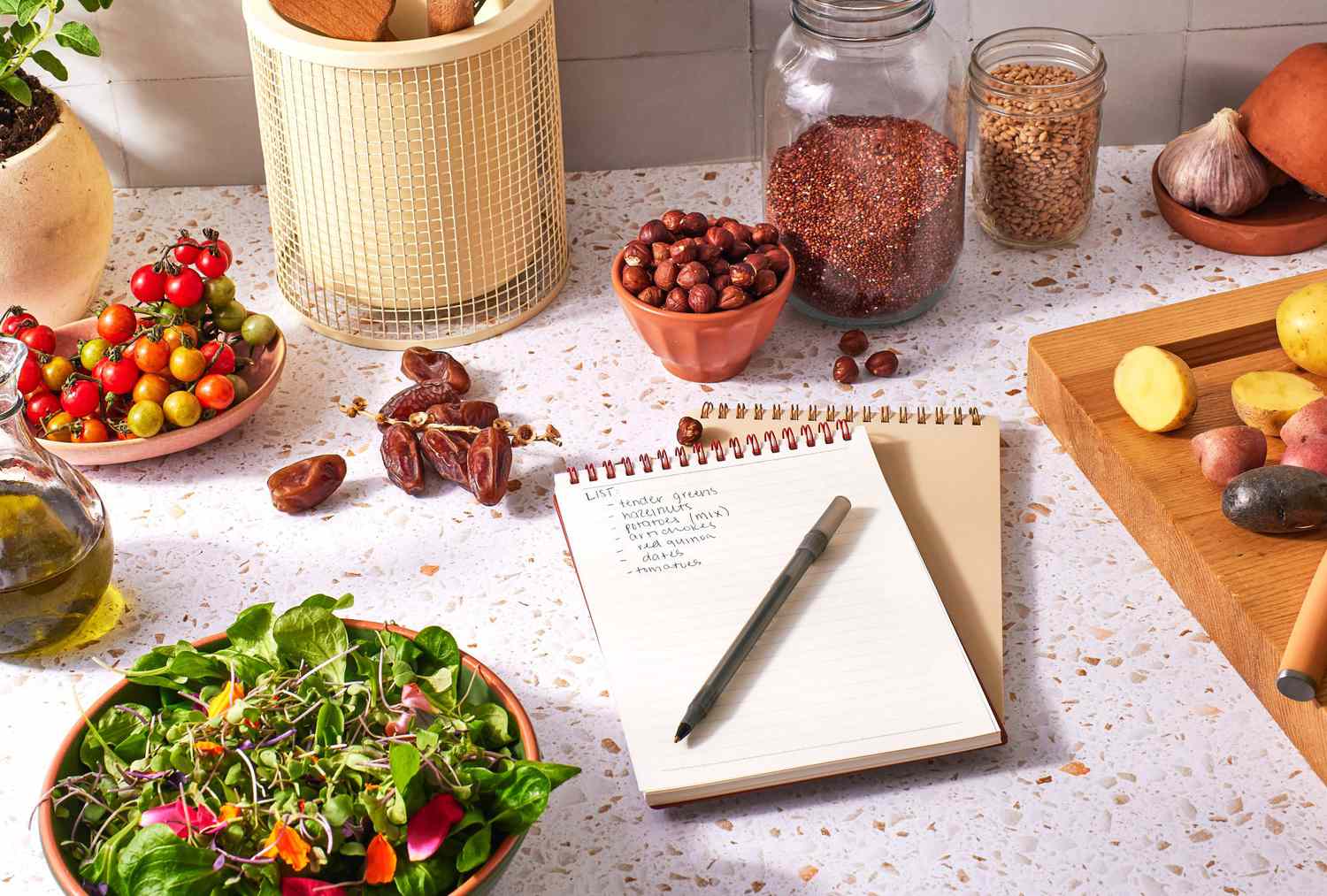
The Mediterranean diet is less of a diet and more of a lifestyle. Unlike many other trendy eating patterns, the Mediterranean diet is meant to be easily customizable and can work with various cuisines and preferences. Rather than a strict meal plan, it’s a way of eating that emphasizes enjoying whole foods and regular physical activity.
Here, we give you a blueprint to follow the Mediterranean diet along with tips to make small, sustainable changes to what you’re already eating to help it better align with your goals.
What Is the Mediterranean Diet?
Featured Recipe: Simple Grilled Salmon & Vegetables
The Mediterranean diet is an eating pattern that originated from the traditional way of eating in the countries surrounding the Mediterranean Sea. But you don’t have to live in Italy, Spain or France to benefit from the diet—many people are transitioning to it for the range of health benefits it provides. And more and more research is finding that foods from all over the globe—not just foods from one specific region—can confirm the same benefits when eaten in similar proportions to the Mediterranean diet.
The Mediterranean diet isn’t a strict plan that tells you what you can and cannot eat. Rather, it’s a way of eating that emphasizes fruits, vegetables, whole grains, legumes and healthy plant-based oil. Fish is the main protein source instead of red meat, pork or poultry. And yes, it can include red wine—in moderation. Fermented dairy is consumed regularly, also in moderate amounts. Eggs and poultry are occasionally consumed, but red meat and highly-processed foods are not typically eaten regularly.
The Mediterranean diet is associated with lower cholesterol, and a reduced risk of heart disease, stroke, Parkinson’s and Alzheimer’s diseases, depression, anxiety, type 2 diabetes and some cancers, according to a 2024 review in Nutrients. You might even live longer by following a Mediterranean diet eating pattern.
How to Get Started With the Mediterranean Diet
Featured Recipe: Caprese Stuffed Portobello Mushrooms
Both the Mediterranean Diet Pyramid, which was developed by Oldways, and MyPlate, from the USDA, provide a general blueprint for what food groups to include at every meal. When in doubt, follow this simple rule of fractions: Make half your plate fruits and vegetables, one-quarter of your plate whole grains and one-quarter of your plate lean protein. The Mediterranean diet is intentionally vague about specific foods, and instead, focuses on food groups to include so it can be tailored to various types of cuisine and flavor preferences. Here are some more recommendations for how to fill those portions.
Focus on Whole Foods
Highly-processed foods are not regularly consumed as part of the Mediterranean diet. If it comes in a package, check the ingredients list. When possible, try to choose foods with just whole-food ingredients like nuts, legumes or whole grains like oats and bulgur. Whole foods also include fruits, vegetables, fish and healthy plant-based oils like olive oil.
Make Vegetables the Main Part of Your Meal
Fruits and vegetables should make up the bulk of your meals. The Mediterranean diet emphasizes 7 to 10 servings of fruits and vegetables each day. But even averaging 5 servings per day has been shown to reduce the risk of dying early, including from cardiovascular disease, cancer and respiratory disease, per a 2021 study in Circulation.
Think of small ways you can add more fruits and vegetables to your meals, like adding spinach to your eggs, loading up your sandwich with avocado and cucumber, and having an apple with nut butter, unsweetened yogurt with frozen berries, mixed nuts or oatmeal with dried fruit for a snack instead of crackers.
Eat More Fish
Fatty fish like salmon, mackerel, tuna and herring are just a handful of the fish you’ll find in the Mediterranean diet. These fish contain high doses of omega-3 fatty acids, which help reduce inflammation and improve cholesterol levels. Plus, if you don’t have access to fresh fish, canned versions of these fish are equally nutritious, quicker to prepare and last much longer in your pantry. White fish and shellfish are also good lean protein sources but aren’t quite as high in omega-3s. Other animal-based proteins, mainly lean, can also be enjoyed.
Cook with Plant-Based Oil Instead of Butter
Healthy plant-based oils like extra virgin olive oil are a main fat source in the Mediterranean diet. Total fat isn’t as important as the type of fat. The Mediterranean diet emphasizes eating more heart-healthy fats—including poly- and monounsaturated fats—and fewer saturated and trans fats. Oils like olive oil, canola oil, avocado oil, peanut oil, sesame oil and sunflower oil are all good sources of unsaturated fat.
Saturated and trans fats can raise LDL (“bad”) cholesterol if eaten in excess over time. Swap butter most of the time for heart-healthy fats like plant-based oils high in unsaturated fat to help lower your cholesterol and improve your heart health.
Rethink Your Dairy
Instead of adding higher-saturated-fat sources of dairy, like heavy cream or “cheese” from a can, on top of everything, aim to eat a variety of flavorful cheeses and fermented dairy products—like kefir and yogurt—in moderation. Choosing strong-flavored cheeses like feta or Parmesan can satisfy the flavor you want in smaller doses. With that said, these cheeses also tend to be higher in sodium, so if your body is sensitive to sodium, choose lower-sodium cheeses to eat in moderation. Also try to limit intake of highly-processed cheeses, like American.
Enjoy yogurt, too, but choose plain, fermented and Greek when possible. Skip the high-added-sugar, flavored yogurts, as too much added sugar can have negative health effects over time.
Replace Refined Grains with Whole Grains
Try swapping refined grains like white bread, white rice and pasta for whole grains like corn, brown rice, quinoa, bulgur, barley and farro. Whole grains are a mainstay of the Mediterranean diet and boast a range of benefits from helping to lower cholesterol to helping stabilize blood sugars and promoting healthy weight maintenance. Whole grains are also high in B vitamins and fiber.
While they’re not whole grains, legumes have similar health benefits to whole grains—including reducing inflammation and disease risk, thanks to their fiber and antioxidants. They’re also a source of lean plant-based protein and a part of the Mediterranean diet.
Snack on Nuts
Don’t be afraid of the fat in nuts. Like plant-based oils and avocados, nuts are high in poly- and monounsaturated fats, which is the type that can benefit your heart health. They’re also good sources of protein and fiber. Fat, protein and fiber are the perfect trio for staying full, keeping blood sugar stable, lowering cholesterol and reducing inflammation. To incorporate more into your day, try snacking on a quarter-cup of nuts between lunch and dinner. Walnuts have the most omega-3s, but all nuts contain healthy fats. Pair them with a fruit or vegetable if you need more to keep you full and satisfied until your next meal.
Skip the Added Sugar (Most of the Time)
Highly-processed dessert foods like cookies, crackers, refined flours and sugars are not regularly consumed as part of the Mediterranean diet. But this doesn’t mean they’re totally off-limits. Instead, enjoy smaller amounts of cookies and ice cream for special occasions. Otherwise, try eat naturally-sweet foods like fruit to help satisfy sugar cravings.
Enjoy Red Wine in Moderation
While the jury is still out due to the evidence being mixed, there is some evidence that a small amount of red wine per day may have heart health benefits, especially when consumed with a meal, per a 2024 study in the European Heart Journal. The emphasis is on “small amount.” That’s 5 ounces (or less) per day for women and 10 ounces (or less) per day for men.
If you don’t currently drink, this is not reason enough to start. And there is even stronger evidence that drinking more than what is considered moderate can have devastating health consequences, including an increased risk of heart disease.
Mediterranean Diet Pantry List
Fruits & Vegetables
Choose a variety of colors, and shop in season for optimal nutrients. Frozen and canned are also great options to make them more cost-effective and to help them last a lot longer—just make sure to check that there is minimal-to-no added sodium, added sugar or added fat.
Sample list:
BerriesApplesBananasOrangesPearsClementinesCherriesGrapesAvocadoApricotsFigsDatesTomatoesPotatoesArtichokesGreens (kale, spinach, collards, arugula)CabbageBrussels sproutsBeetsOnionsZucchiniPeppersPeas
Featured Recipe: Easy Brown Rice Pilaf with Spring Vegetables
Whole Grains
Mix and match for quick and easy sides, grain bowl bases or simple grain stir-fries.
Whole-grain breadsCornOatsBrown riceBulgurBuckwheatFarroBarleyCouscousWheat berries
Try These: High-Fiber Whole-Grain Recipes
Fish
Fish are a cornerstone of the Mediterranean diet. Aim to eat more fish than other animal protein sources. Use Seafood Watch recommendations to help determine the best choices for the environment and your health—including which fish tend to carry more mercury. Canned and frozen are great options that last much longer than fresh, while offering the same nutritional benefits.
Salmon, tuna, mackerel, herring and sardinesOther seafood as desired
Poultry
These lean meats are welcome in the Mediterranean diet, but eat them less often.
Meat
Eat these protein-rich meats intermittently, too. Combine a small portion with whole grains and vegetables for a balanced meal.
PorkBeefLamb (a few times per month or less)
Dairy
Dairy is welcome in moderation on the Mediterranean diet.
Unprocessed cheeses like feta, Brie, cotija, Swiss, halloumi, ricotta, manchego, Cheddar and ParmesanPlain yogurt and Greek yogurtPlain kefir
Nuts, Seeds & Legumes
Choose a variety as desired for snacks, salad toppers and more.
ChickpeasBlack beansKidney beans Pinto beansLentils (all types) Fava beansWalnutsAlmondsHazelnutsCashews Pine nutsSesame seeds
Herbs & Spices
Instead of relying on the salt shaker, buy a variety of these to spice up your meals. Fresh herbs are delicious but dry work too, just cut back on the amount to get a similar flavor since they are typically more potent.
ParsleyCilantroGingerGarlicMintThymeDillSageRosemaryTarragonBasilOregano
Other Mediterranean Diet Staples
Plant-based oils like extra virgin olive oil, canola oil, avocado oil, peanut oil or sesame oilEggsRed wine
The Bottom Line
The Mediterranean diet has consistently been rated as the top overall diet for health, per U.S. News & World Report Annual Diet Rankings. Unlike many other diets, it’s not restrictive, nor does it cut out whole food groups. Instead, it provides a guideline of what to include in your meals and snacks—especially whole foods, like fruits, vegetables, whole grains, legumes, fish, nuts, seeds, cheese, fermented dairy, eggs and, if you drink, a small amount of red wine. You don’t have to completely switch over to this eating pattern all at once. Pick one or two foods or food groups to start incorporating more of and once that’s become a habit, start adding more of others.